屋内

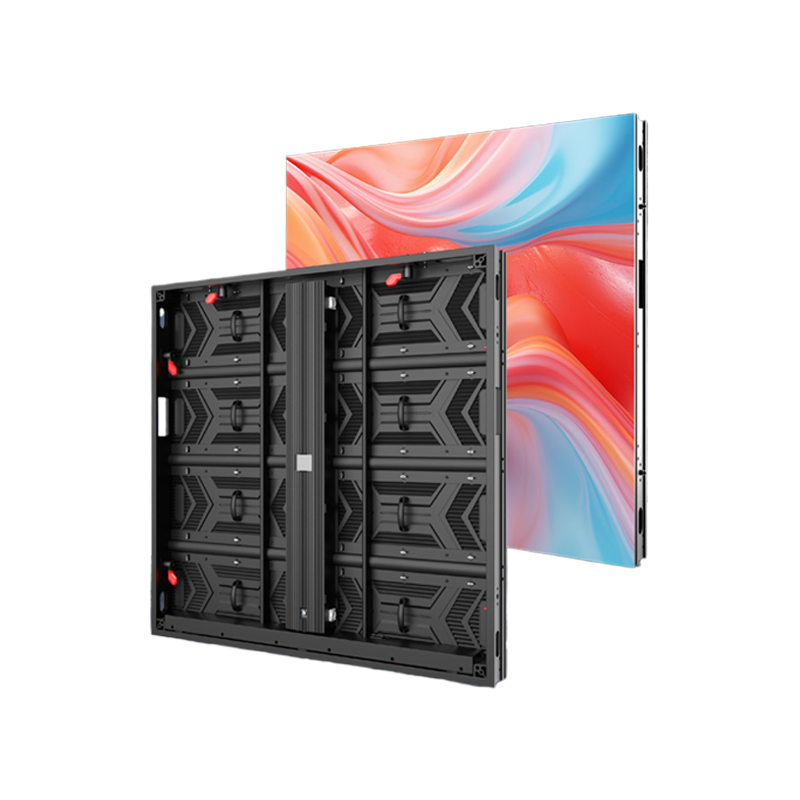
屋内用BTシリーズ 640×480 リジッド
堅牢で安定しており、高精度で、システムバックアップをサポートし、全シリーズHUBは有線接続設計です。
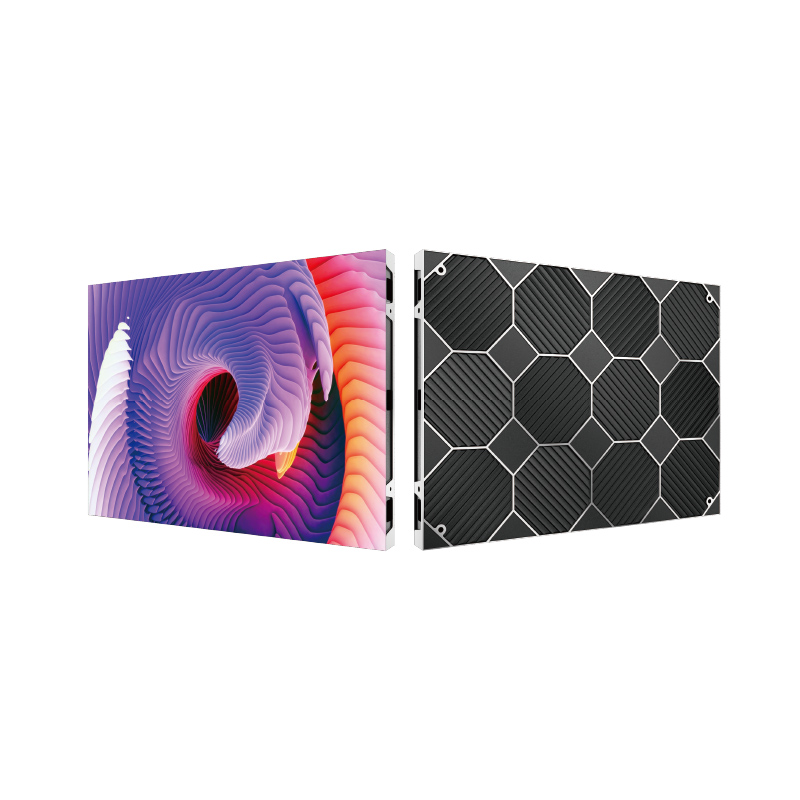
屋内用T3-proシリーズ 1000×500
MI-PROシリーズのボックスは、間隔を狭くすることで外観を拡張し、無限の可能性を象徴する半円形のデザイン要素を外装デザインに採用しています。N個のボックスを組み合わせることで無数の波を形成し、柔らかく優美な印象を与えます。これにより、安定感のある滑らかな美しさを演出するだけでなく、製品にテクノロジーと未来的な感覚をもたらします。
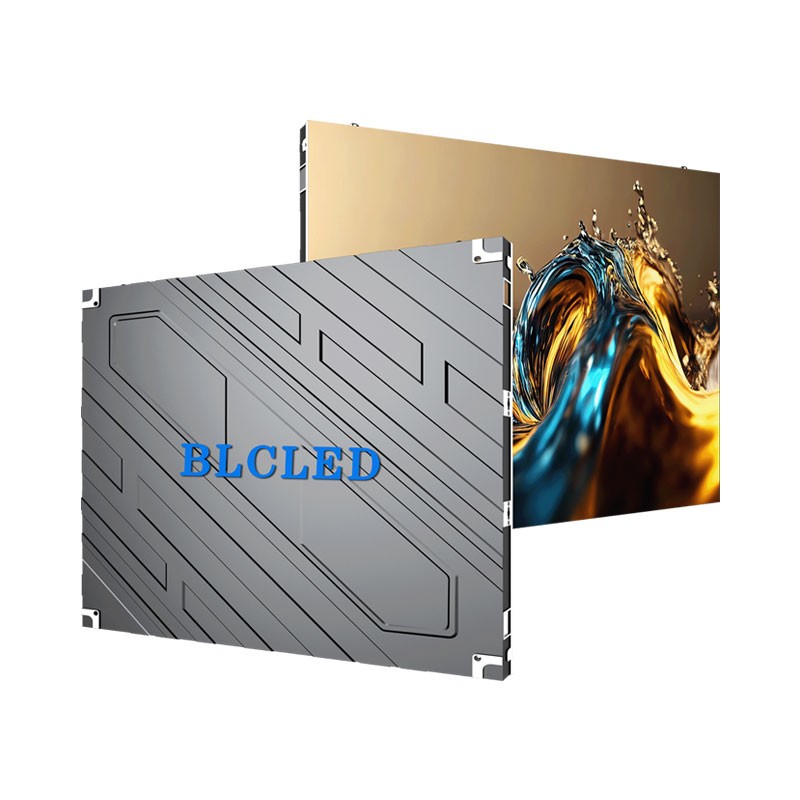
屋内用BLシリーズ 640×480 フレキシブル
堅牢で安定しており、高精度で、システムバックアップをサポートし、全シリーズでソフトワイヤ接続設計を採用しています。
屋内用 BLシリーズ 1000×500 フレキシブル
高精度技術で製造されたダイキャストアルミニウム製モノコック筐体で、総厚は60mmです。筐体の重量は2種類あり、1000×500mm:11.7kg、500×500mm:4.95kgです。
ベクター

家具職人の技

家具職人技

当社製品はフルカラーLEDディスプレイです。発光ダイオード(LED)で構成された電子表示装置であり、赤、緑、青のLEDのオン/オフ状態と色の変化を制御することで画像を表示します。屋内・屋外広告、舞台など、様々な用途に適しています。

当社の全モデルは、3840Hz/7680Hzのリフレッシュレートを実現しています。例としては、P1.25、P1.86、P2、P2.5、P2.976、P3.91などがあります。

この数値は、LEDピクセルの中心間距離(ピクセルピッチ)を示しています。数値が小さいほど解像度が高くなり、より鮮明な表示画像が得られます。

BLCチームはモデル選定のお手伝いをいたします。お客様は、視聴距離、周囲の明るさ(屋内/屋外)、予算、コンテンツ要件(例:動画再生には高いリフレッシュレートが必要)などを考慮する必要があります。

はい。素材、寸法、形状はすべてカスタマイズ可能です。BLCチームは、お客様のデザイン図面に基づいて製品をカスタマイズできます。BLCチームは、ロゴ印刷サービスを無料で提供しています。

LEDスクリーンは、高輝度(調整可能)、長寿命(10年以上)、屋内・屋外を問わず大小さまざまなディスプレイへの適用性、そしてシームレスな接続機能を備えています。一方、LCDスクリーンは、近距離・小面積のディスプレイに適しています。

BLCチームは包括的な製品ソリューションを提供します。お客様は追加の機器を購入する必要はありません。

無料メッセージを送信してください


最近の ブログ記事

HD, FHD, UHD and 4K: What LED Screen Buyers Need to Know

30
10月
Check the wall before approving the file. A designer can send you UHD artwork, yet your advertising screen or rental backdrop may have nowhere near enough LEDs to show every pixel. Compare the file dimensions against the wall’s native pixel count at this point. Do both match? That question is more useful than a ‘4K’ label when your team has to decide whether small lettering will survive playback. What the resolution labels actually describe Resolution describes picture elements across an image and down its height. The two numbers belong together. A screen described only as “4K wide” may have enough horizontal pixels but lack the height required for a complete UHD image. We use the following 16:9 formats as reference points. Multiply width by height, and UHD yields four times the pixel count of FHD. Will your audience see the difference? We’d check the content and viewing distance before assuming so. Format Width × height in pixels Total pixels HD (720p)  1280 × 720  921,600 FHD (1080p)  1920 × 1080 2,073,600 UHD (2160p)  3840 × 2160 8,294,400   The term 4K needs a little care. For a television-style signage canvas, we’d normally read ‘4K’ as 3840 × 2160. A cinema canvas can be 4096 × 2160; it has extra width. We would write the actual dimensions into a content brief rather than leave a production team guessing what “4K” means. How pixel pitch determines the physical wall We measure pitch in millimetres, from one pixel’s centre to the next. Reduce that spacing, and we can either fit extra pixels across your wall or build the same pixel canvas in less space. This is why choosing a fine pitch LED display involves both the available wall space and the required image dimensions. Consider our BLC LED BN Series P1.25 configuration. Its 320 × 160 mm module gives us 256 × 128 pixels. Check the horizontal count: 320 ÷ 1.25 = 256. That gives your design team a checkable module width before any cabinets are combined. On paper, we get a 4800 × 2700 mm canvas by multiplying 3840 × 2160 pixels by a 1.25 mm pitch. That is a geometric calculation, not an available cabinet arrangement. Real cabinets contain whole modules, so a proposed build must be checked against the actual cabinet matrix. If we round the wall dimensions to suit your venue, we have to recalculate its pixel canvas too. Why a 4K input can still look soft The input specification describes what the processor can receive. Native resolution describes the physical pixels on the finished screen. The processor receives the file before it reaches the LED wall. Accepting more input pixels leaves the physical LED count unchanged. When we downscale a file, we compress a larger source image into fewer wall pixels. Resizing may leave a broad block of colour recognisable yet merge the strokes in small text. Those two results can occur in the same frame. Try the price list as well as the promotional video. A good-looking moving picture tells your team little about the smallest lettering. With upscaling, we spread a smaller source over a larger output canvas. The picture gets bigger. The source still sets the limit on the original detail available to show. We’d open the logo file, too. Compression damage won’t necessarily change its stated width of 1920 pixels. For your outdoor LED video screen, we also need the audience position and lighting conditions. The pixel count tells us neither of these. Use the plaza headline for a distant audience test and the schedule for a close reading test. The screen has to serve the actual reading task. What happens when the backdrop isn’t 16:9 An LED wall can have proportions that differ from standard video. Suppose we have a 3000 × 1000 pixel stage canvas—an illustrative 3:1 layout. Your complete 16:9 picture won’t fill it unchanged. Your operator has to leave borders, cut away image areas or alter the proportions. Keeping the full image preserves the composition but leaves borders. If we enlarge the picture until it fills the backdrop, some of the image falls outside the canvas. If we stretch it instead, we keep the image areas but change the shapes: a round logo becomes oval, for instance. None of these choices is a resolution upgrade. For LED display screen rental, we recommend agreeing the final pixel canvas before creating the show graphics. We’d check each sponsor mark against the crop boundary before signing off. Is a logo sitting near an edge? Move it into the visible area. Where the layout allows, we’d give your designer the wide canvas dimensions and have the artwork composed for that shape. A useful content check before approval An approval test should use the content your audience needs to read. Send a sample containing the smallest planned text, the actual logo artwork and a representative moving sequence. Review it on the proposed pixel canvas, then check the display from the intended audience positions when a demonstration is available. Record the source dimensions, native wall dimensions and scaling choice together. This gives your content team a repeatable brief if the installation changes or the rental layout grows. A file called “final-4K” cannot provide that information. The resolution decision that matters The useful question is whether the complete image reaches the audience clearly on the wall you can build. We’d settle the wall dimensions and audience position before commissioning the finished artwork. Your designer then has an actual pixel canvas to work with. Put that width and height in the handover brief; ‘HD’ or ‘4K’ alone leaves too much open to interpretation. FAQ Does UHD always mean 3840 × 2160? That’s the format we mean here. We’d write 3840 × 2160 in your brief, since the broader UHD family includes higher resolutions. Is a screen with 3840 horizontal pixels automatically 4K UHD? We need the height as well: 2160 pixels. Your ribbon display could have all 3840 horizontal pixels and still be too short to show the complete UHD canvas without resizing it. Can a Full HD wall play a UHD video? Yes, provided your player and processor accept that UHD signal and resize it for the wall. The wall still displays its native number of pixels. Does a smaller pixel pitch always justify the extra cost? We wouldn’t choose pitch on the label alone. Dense text read nearby can justify pixels that add little to a large image viewed from across a venue. We would check your smallest text from the intended audience position before spending more on a finer pitch. Does 4K specify refresh rate? No. We use resolution to describe the pixel grid and refresh rate to describe how often the display updates. For your filmed event, we’d test the screen with the intended camera settings. A 4K label doesn’t answer that question.
How to Source Custom Shaped LED Screens from OEMs

22
10月
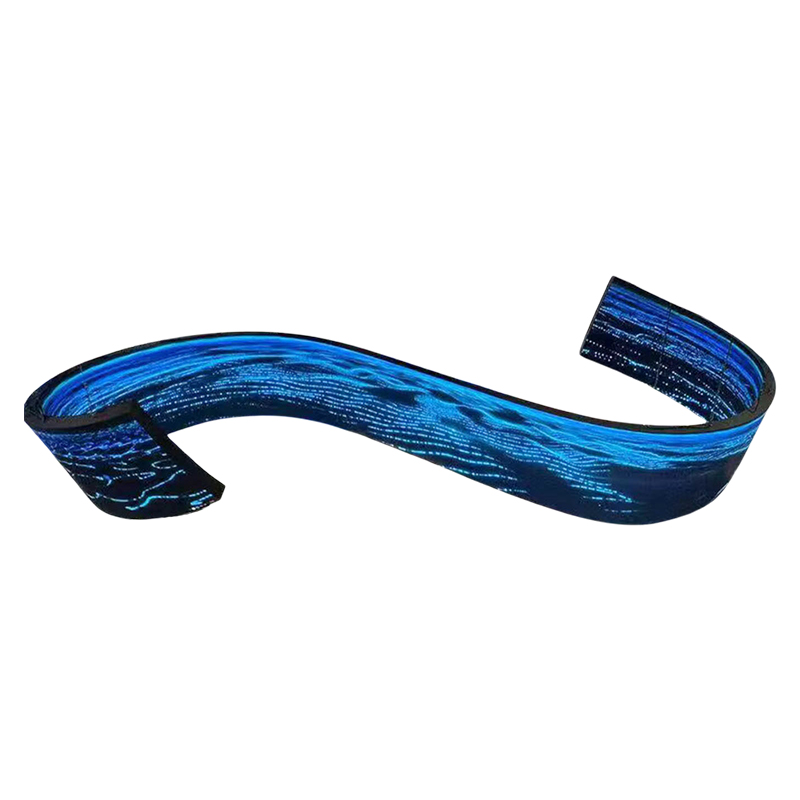
A creative display can look convincing in a rendering and still fail when the geometry reaches the factory floor. For distributors, integrators, and advertising contractors, the real question is whether an OEM can convert a shape into controlled drawings, repeatable modules, a serviceable structure, and test evidence. The review must follow that work from concept approval to shipment. Shape Changes What the Supplier Must Control A custom shaped LED screen is a geometry project as much as a display purchase. A sphere, ring, cube, counter, or flowing curve changes module boundaries, frame tolerances, cable routes, viewing directions, and access for repair. The supplier must show how those decisions work together in the quoted form. Portfolio images do not prove that a factory can reproduce your dimensions. Ask which parts use standard modules, which require custom metalwork or tooling, and which tolerances control the seams. That distinction exposes where schedule, cost, and quality risk sit. A Controlled Design Brief Makes Quotations Comparable A controlled brief gives every bidder the same problem. Include dimensioned drawings, indoor or outdoor use, viewing positions, active display surfaces, mounting points, weight limits, service clearance, content source, and destination-market requirements. A reference image communicates intent, but it cannot replace dimensions and interfaces. Content belongs in the brief because a non-rectangular canvas changes where text and logos remain visible. Request a pixel map before approval. A sphere needs a different safe area from a disc, while a cube must explain how content crosses edges or changes between faces. Approved geometry and active display area Module, cabinet, frame, and mounting interfaces Power, data, controller, and content-mapping scope Service route, spare parts, packing, and installation sequence Engineering Evidence Matters More Than a Sales Label A credible LED display screen manufacturer can explain the path from drawing review to production release. For a custom form, that path should include revision control, structural responsibility, a bill of materials, and written approval points. If the supplier cannot identify the current configuration, later test reports may describe another product. Factory ownership is useful only when it improves control. BLC LED integrates research and development, production, sales, and service, and it supports custom dimensions and shapes including arcs, circles, spheres, and cube forms. The company also offers OEM private labeling. Those capabilities make it relevant to the project, but buyers should still verify the exact engineering scope attached to their order. The First Full Assembly Is the Most Useful Sample A small module sample can confirm color and surface quality, yet it cannot reveal whether an unusual structure closes accurately. The decisive sample is a prototype or first full assembly built from the released drawings. Review it from the intended viewing angles and with the real content map before authorizing volume production. The review should reproduce tight radii, corners, seams, suspended interfaces, access panels, and cable transitions. Record measurements, photos, controller files, and approved deviations. If the display will be disassembled for shipping, require a reassembly trial using the labels and instructions provided to the site team. Project risk Evidence before production release Shape or seam mismatch Approved drawings, dimensions, tolerances, and full assembly photos Content distortion Final pixel map tested with representative media Blocked maintenance Recorded removal and replacement of a serviceable part Site reassembly errors Numbered components, packing map, and installation sequence Quality and Compliance Records Must Match the Build Quality evidence becomes useful when it identifies the order, revision, and result. BLC LED documents incoming, in-process, and finished-product checks, followed by a 72-hour burn-in process. Buyers should connect those controls to the approved assembly and retain the inspection record with the configuration files. Certificates also need careful reading. ISO 9001 certification concerns a quality management system; it is not automatic product approval. For European sales, CE marking places conformity-assessment, technical-documentation, and declaration responsibilities on the manufacturer. Ask for the applicable declaration and supporting documents for the exact supplied configuration rather than accepting a logo on a brochure. Price and After-Sales Support Belong in One Scope A LED display screen supplier quotation is comparable only when inclusions are visible. Separate display hardware, custom structure, tooling, controllers, spares, packing, documentation, commissioning, and on-site work. A lower total may omit the engineering or service items that make the shape usable. After-sales planning should begin before shipment because custom parts may not match standard stock. Identify unique modules, power units, receiving cards, frame sections, and tools; then agree on spares, file backups, response channels, and repair responsibility. BLC LED provides 24/7 remote technical support, which buyers can test with one factory fault-and-recovery exercise. Commercial approval should compare the same service scenario. Price one expected repair, check whether the technician can reach the part, and confirm who supplies a replacement matching the approved geometry and calibration. This gives price, quality, and support a common basis. A Defensible OEM Choice Follows the Evidence Chain The strongest OEM choice keeps one traceable chain from the design brief to the approved drawing, full assembly, inspection record, packing plan, and service file. That chain turns a creative concept into a repeatable product. Buyers can approve the shape because its engineering and support are visible, not because the presentation looks persuasive. Share the intended shape, drawings, viewing conditions, installation method, destination market, and service constraints through the project contact page. BLC LED can use that brief to define the suitable custom-display path and the evidence needed before production. FAQ What Files Should I Send for an OEM Creative LED Display Quote? Send dimensioned drawings, a reference rendering, active display areas, mounting points, viewing distances, indoor or outdoor conditions, service clearance, content format, destination market, and delivery scope. Label the current revision so every bidder prices the same design. Is a Product Sample Enough for a Custom Shape? A module sample can show image quality, but it cannot confirm completed geometry. Approve a prototype or first full assembly with the difficult curves, seams, interfaces, content map, and service route before production. How Can Buyers Verify That the Factory Built the Screen? Request a factory review tied to the order number, drawing revision, bill of materials, assembly stage, and inspection record. The evidence should identify your configuration rather than an unrelated production line. Which Quality Records Matter for a Creative LED Display? Useful records include incoming checks, in-process inspection, seam measurements, image tests, burn-in results, controller files, approved deviations, packing verification, and final acceptance. Each record should identify the exact order and configuration. What Should an OEM After-Sales Plan Cover? The plan should identify unique parts, spares, configuration backups, diagnostic steps, response channels, warranty scope, repair responsibility, and replacement lead times. It should show how a technician replaces parts without damaging the structure.

ハードウェアを超えて:フルサービスのDOOH LEDビデオウォールソリューション

14
10月
DOOH広告主に対し、屋外スクリーンの予算を組むよう依頼すると、まず最初に挙がるのはパネルの単価だ。しかし、それは正しい出発点ではない。その設置場所が賃料に見合うだけの成果を上げられるかどうかは、その上層部の構造、背後にある権力、クリエイターをそこに送り込むシステム、そしてモジュールが最終的に故障した際に誰がそれを修復するかによって決まるのだ。 個々の要素を一つずつ見ていくと、総合的なサービスソリューションは、単一の明るさの数値で比較するよりも、実質的な内容で比較する方がはるかに容易です。 パネルレイヤー 屋外用LEDビデオスクリーンはモジュール式で、パネル自体は設置場所の天候を全く考慮していません。同じ画素ピッチの屋外用LEDディスプレイキャビネットでも、塩分を含んだ海岸沿いの屋上と、ショッピングモールのファサードに埋め込まれた壁面では、経年劣化の仕方が大きく異なります。その違いは、ガラス周辺のあらゆる設計に表れます。 フルサービス供給が存在する理由はまさにそこにある。パネルを引き渡してサービスを停止すれば、構造、電力、コンテンツ配信、保守管理はそれぞれ別の問題となり、通常は複数のベンダーに分散される。収益が稼働時間に依存する場合、この分散は静かに大きな利益を生み出すことになる。 設置場所に合わせたパネルのサイズ選定 ピクセルピッチは、画像がどれだけ離れた場所からでも鮮明に読み取れるかを決定する最初の重要な決定事項であり、これは実際にサイトが捉えるトラフィック量を反映しています。数メートル離れた場所に人が立っているような場所では、30メートル離れた場所から高速で移動する視聴者がいる高速道路の標識よりも細かいピッチが適しています。したがって、ピッチの選択はまさにサイトごとの選択と言えるでしょう。 P3.91の屋外用LEDディスプレイは、近距離の密集した都市部での視聴に適しています。一方、P10.42のより粗い解像度の屋外用LEDスクリーンは、道路や長距離投射用途に適しています。解像度が高いほど1平方メートルあたりのピクセル数が増えるため、最大消費電力が増加し、筐体は直射日光下でも輝度を維持する必要があります。 ピクセルピッチ 画素密度(ドット/m²) 標準的な明るさ 最適な視聴距離 DOOHフィット P3.91 65,536 5,500~10,000ニト 4~100メートル 都市の通り、広場 P4.81 43,264 5,500~10,000ニト 5~100メートル メインロード、モール P6.25 25,600 6,000~10,000ニト 6~150メートル 幹線道路 P10.42 9,216 6,000~10,000ニト 10~200メートル 高速道路、長距離投擲 ピッチ、明るさ、キャビネットサイズが確定すると、構造の寸法と重量が設定され、それらの数値が直接構造設計に反映されます。 構造層と電力層 スクリーンを建物に固定するすべての部品はここに設置されます。屋上やビルボードへの設置では、通常、背面サービスキャビネットが使用されます。これは、背面が開いていることで熱が放出され、技術者にとって安全な通路が確保されるためです。密閉されたファサードの場合は、マグネット式またはロータリーレンチでモジュールを取り外せる前面サービスアクセス方式が採用されます。 工場を拠点とするサプライヤーが真価を発揮するのは、特注構造物の製造においてです。風荷重、設置方向、正確な設置面積は現場ごとに異なるため、既製品の箱では適切な数値が得られないことがほとんどです。 電気系統も同様に重要です。キャビネットの最大消費電力に合わせた電源装置と配電設備を、90~264Vの広い入力電圧に対応させることで、配線工事なしで同じハードウェアを国境を越えて移動させることができます。 コンテンツ制御レイヤー 制御システムは、ネットワークの規模に合わせて拡張できる部分です。単一の画面であればローカルプレーヤーで十分ですが、30ものサイトを運営する広告主はそうはいきません。そのため、一元的なスケジュール管理が必要になります。キャンペーンをあらゆる場所に配信し、設定した時間にクリエイティブを切り替え、変更が実際に配信されたことを確認できる場所が1つ必要です。 リモートでのクラウドベースの再生により、分散していたポートフォリオを、各サイトに技術者を配置することなく運用チームが管理できる単一のアセットに統合できます。また、フルサービスパッケージでは、このコンソールは追加オプションではなく、納品の一部として提供されます。受信カードと再生設定は導入時に構成されるため、広告主のチームが初日からコンテンツワークフローを管理できます。 認証とアフターサービス コンプライアンスとロジスティクスは、国境を越えたネットワークを円滑に維持するために不可欠であり、認証はアウトドア製品のマーケティング上の単なる付け足しではありません。ISO 9001およびISO 27001のマネジメント認証に加え、CE、RoHS、FCC認証を取得していることが、ハードウェアが様々な市場で受け入れられる理由なのです。 110カ国以上に製品を供給するということは、同じキャビネットメーカーが各国の規制当局の承認を得る必要があることを意味し、ワンストップの工場直送チェーンによって、電力、流通、書類手続きが3つの独立したベンダーを経由するのではなく、一体となって行われるようになる。 アフターサービスは、購入者が軽視しがちな部分です。なぜなら、DOOHネットワークを静かに破綻させる最大の要因は、ダウンタイムと修理の遅さだからです。5,000個もの部品を在庫として確保し、迅速な交換に対応できる2年間の保証があれば、スペアパーツが海を越えて届くまでスクリーンが稼働停止状態になることなく、収益を上げ続けることができます。 引き渡し時の完全なソリューション これらをまとめると、フルサービスのDOOH LEDビデオウォールソリューションとは、設置場所に合わせたパネル、カスタム構造と電源アーキテクチャ、集中型コンテンツコンソール、市場投入に必要な認証と物流、そして在庫豊富なアフターサービス体制から成ります。これが購入者が本当に求めているものです。あるオファーではスクリーンの価格が提示され、別のオファーでは稼働中のネットワークの価格が提示される場合、それを比較検討する。 複数の市場に展開する広告主にとって、BLCのようなメーカーが真価を発揮するのは、まさにその包括性にある。自社工場を持つBLCなら、各サイトに合わせて構造をカスタマイズでき、同じハードウェアで異なる市場に対応可能。さらに、設置から耐用年数まで、責任あるチームがスクリーン全体を一貫してサポートする。 現地調査が終わったら、次のステップは簡単です。パネルの発注前に、傾斜を視距離に合わせて調整し、構造物を荷重に合わせて設計し、制御およびアフターサービスに関する条件を確認してください。 よくある質問 フルサービスの屋外用LEDビデオウォールには何が含まれますか? これには、設置場所に合わせたパネル、特注の構造フレームと配電設備、コンテンツ制御システム、必要な認証と文書、およびアフターサービス部品と対応が含まれます。 DOOHサイトに最適なピクセルピッチはどのように選べば良いですか? ピッチは、通常の視聴距離に合わせてください。P3.91~P4.81程度の細かいピッチは、近距離で交通量の多い都市部に適しています。P6.25以上の粗いピッチは、道路沿いや遠距離の設置場所に適しています。 屋外設置の場合、前面サービスキャビネットと背面サービスキャビネットは重要でしょうか? はい。背面サービスキャビネットは、安全な裏通路と良好な通風が確保できる屋上や看板に適しています。前面サービスアクセスは、背面へのアクセスが困難な密閉されたファサードに適しています。どちらを選択するかは、スクリーン自体ではなく、設置場所の物理的な条件によって決まります。 同じ屋外用LEDディスプレイのハードウェアを、異なる国で使用できますか? 屋外用キャビネットは、AC90~264Vの幅広い入力電圧に対応し、CE、RoHS、FCCの認証を取得しているため、様々な市場での再利用が可能です。工場直送のサプライチェーンにより、電源、流通、およびドキュメントは各拠点間で一貫して提供されます。 アフターサービス体制はなぜ意思決定の一部であり、後付けの考慮事項ではないのでしょうか? DOOHネットワークにとって、ダウンタイムは収益損失の最大の要因です。部品の在庫を確保し、24時間365日対応体制を整え、迅速な対応時間を明確に定めることで、キャンペーン間のスクリーン稼働を維持し、継続的な稼働を前提としたネットワークの投資収益率を確保します。

直視型LEDビデオウォールは、どのような場合にLCDよりも優れているのか?

07
10月
LEDとLCDのどちらが良いかという問題は、仕様書だけで解決できるものではありません。ショールームでは見栄えが良くても、人々が間近でスケジュールを見たり、ロビーの壁際を通り過ぎたり、日々の情報源として利用したりするようになると、期待外れに終わることもあります。真に有益な比較は、設置場所、表示内容、そして視聴者が実際に画面にどのように接するかといった点から始めるべきです。 視距離が最初の境界を定める 視距離は、実用上最も重要な要素です。なぜなら、人が画面に近づくほど、画素構造が目立ちやすくなるからです。直視型LEDは発光画素をディスプレイ表面に配置するのに対し、LCDはバックライト付きの液晶パネルを使用します。この違いは、画面に細かい文字、密度の高いダッシュボード、あるいは近くにいる人向けに詳細な画像を表示する必要がある場合に特に重要になります。 直視型LEDビデオウォールは、最も近い視聴位置が選択したピクセルピッチと一致する場合、広いロビー、講堂、プレゼンテーションスペースに適しています。ウォールの評価は、部屋の後方からループ再生されるデモ映像を見るのではなく、その距離で実際のコンテンツを使用して行うべきです。細かい文字、斜線、肌の色などは、安易な思い込みをすぐに露呈させてしまいます。 精読とピクセル構造 近距離での作業では、LCDが馴染みのあるパネル形式で高精細な画像を提供できるため、選択肢が変わってきます。小規模な会議室、トレーディングデスク、またはコントロールポイントでは、途切れのない画像よりも、鮮明なスプレッドシートのテキスト表示が重視される場合があります。このような場合、LEDの方が優れているかどうかではなく、実際の視聴距離でコンテンツにより高い画素密度が必要かどうかが重要な判断基準となります。 コンテンツのスケールは依然として重要です。なぜなら、どちらの技術もレイアウトの混雑を解消するものではないからです。表示形式を決定する前に、テストキャンバスに最小サイズの実際のテキスト、地図、またはデータビューを配置してください。意図した最も近い位置からメッセージが明確に読み取れるようであれば、表示計画は適切な出発点となります。 縫い目がメッセージを変える場所 壁面全体にメッセージを表示する場合、継ぎ目は重要な要素となります。LCDビデオウォールは複数のパネルで構成されているため、ベゼルが狭くても目に見えるグリッドが生じます。このグリッドは、マルチウィンドウのダッシュボード、カメラ映像のバンク、または複数の独立した情報ゾーンであれば問題ないかもしれません。しかし、ブランドフィルム、大きな画像、または単一の方向性のあるグラフィックを1つの画面として表示する必要がある場合は、無視するのが難しくなります。 このような用途であれば、連続ディスプレイとして構築されたLEDビデオウォールパネルは、画面全体にわたって意図した構図を維持できます。利点は視覚的な連続性であり、すべての部屋にLEDを使用する理由ではありません。グリッドがコンテンツと競合するのではなく、コンテンツをサポートする場合には、タイル状のLCDレイアウトの方がよりバランスの取れた選択肢となる場合もあります。 建築コンテンツのための単一のキャンバス 継ぎ目のないLEDウォールは、ディスプレイが複数のスクリーンの集合体ではなく、建築デザインの一部である場合に真価を発揮します。受付、長い到着通路、あるいは公共のプレゼンテーション用ウォールなどでは、途切れのない表面を利用して、一つの動作、一つの画像、あるいは一つの経路を分かりやすく伝えることができます。ただし、設計段階では安全な保守点検経路を確保しておく必要があります。小さな不具合が誰にも手が届かないために目立ってしまうようでは、美しいウォールの価値は損なわれてしまいます。 サイズ、形状、サービスへのアクセス 画質よりも先に、物理的な制約が比較の決め手となることが多い。LEDキャビネットは、標準以外の幅、高さ、アスペクト比に対応できるため、壁面を標準パネルサイズではなく、特定の空間に合わせて設置する必要がある場合に役立つ。一方、標準的な画面サイズでメッセージの内容が伝わり、部屋が連続した画面を必要としない場合は、LCDの方が正当化しやすいことが多い。 最も近い閲覧者の位置、通常の歩行経路、および判読可能な状態を維持する必要のある最小コンテンツの位置をマッピングします。 ディスプレイ技術を固定する前に、構造、電源、信号、換気、およびサービスアクセスを確認してください。 コンテンツソースが目的のキャンバスをサポートしていることを確認してください。 したがって、大型LEDディスプレイは、規模や形状のカスタマイズがコミュニケーション上の課題となる場合に最も効果を発揮します。壁が大きいというだけで必ずしも最適な選択肢となるわけではありません。設置チームは、スムーズな設置を保証する前に、支持構造、電源経路、信号計画、換気、およびメンテナンスの方向性を確認する必要があります。 プロジェクトの状況 直視型LEDは、 LCDは、 画像の連続性 単一のワイドキャンバス、あるいは珍しいアスペクト比が、この企画の中心的な要素である。 タイル状のレイアウトは許容範囲内であり、ベゼルグリッドがコンテンツを遮ることはありません。 表示パターン ほとんどの視聴者は、選択されたピッチとコンテンツのスケールに対して十分な距離を保って立っている。 人々は詳細な文章を読んだり、ディスプレイの近くで長時間作業したりする。 物理的計画 壁は広い面積を覆うか、建築物と一体化するか、モジュールレベルのサービスを可能にする必要がある。 固定された標準サイズ、浅めの設置設計、そして簡単なパネル交換が、この部屋に適している。 BLC LEDが近距離プロジェクトにもたらすもの 近距離での視聴、連続画像、そして物理的な筐体サイズといったすべての条件がLEDに有利に働く場合、筐体設計に注目する必要があります。BLC LEDは、前面メンテナンスと90度の反射率を備えた640 x 480 mmの筐体フォーマットで、COBファインピッチBN構成を提供しています。接合部のサポート。これらの機能は、チームが屋内環境にすっきりと収まるコンパクトな壁を必要とし、同時に将来の作業のためのアクセス経路を確保する必要がある場合に役立ちます。 屋内プロジェクトの場合、業務用LEDディスプレイは、視聴者の動線全体を考慮して評価する必要があります。つまり、最も近い読書位置、通常の歩行経路、コンテンツのソース、そして技術者がモジュールを復旧する方法などを考慮する必要があります。こうすることで、個々の仕様の羅列ではなく、その空間に必要な結果について議論を進めることができます。 簡潔な説明に対する実用的な選択肢 直視型LEDは、大きな途切れのない画像、カスタム形状の表示、または使いやすいモジュール式の表面が必要で、選択したピッチが最も近い視聴者に適している場合に、LCDよりも理にかなっています。一方、シームレスな画面よりも、近距離での詳細な表示、標準寸法、タイル状の情報レイアウト、または初期設備予算の制約が重要な場合は、LCDが依然として有力な選択肢となります。 次の決定的なステップは、実際の空間でコンテンツと距離を検証することです。最小限の重要な情報をテストし、人々がどこで立ち止まるかを特定し、ベゼルがメッセージを伝えるのに役立つのか、それとも妨げになるのかを判断します。このプロセスによって、どちらの技術もデフォルトの解決策にすることなく、正当な選択肢を生み出すことができます。 よくある質問 広い部屋には、直視型LEDウォールが常に最適なのでしょうか? いいえ。コンテンツを複数のゾーンに分割したり、視聴者が細部まで確認する必要がある場合、またはパネルグリッドが意図したメッセージの伝達を妨げない場合、広い部屋でもLCDは適しています。 なぜ液晶ビデオウォールでは、画面間に線が入るのでしょうか? LCDウォールは個々のディスプレイパネルで構成されています。ベゼルがパネル間の継ぎ目となりますが、狭額縁モデルでは、多くの情報レイアウトにおいて継ぎ目が目立たなくなります。 ピクセルピッチを小さくすれば、すべてのLEDウォールの性能が向上するのでしょうか? いいえ。ピッチを小さくすることで、より近い距離での視聴が可能になりますが、視聴者の最も近い位置とコンテンツに合致している必要があります。視聴者にとって不要な詳細情報を追加しても、メッセージ性が向上することなくコストが増加するだけです。 LEDビデオウォールは、標準以外の縦横比を使用できますか? はい。構造、信号配線、およびサービスアクセスをまとめて計画すれば、モジュール式キャビネットをプロジェクト固有の幅と高さに合わせて配置できます。 LEDとLCDのどちらを選ぶかを決める前に、どのようなことをテストすべきでしょうか? 最も近い視聴位置から実際のコンテンツをテストし、継ぎ目がレイアウトを妨げていないかを確認し、設置可能なスペースを確認し、引き渡し後のディスプレイの保守方法を計画する。
家
WhatsApp
メール
連絡先