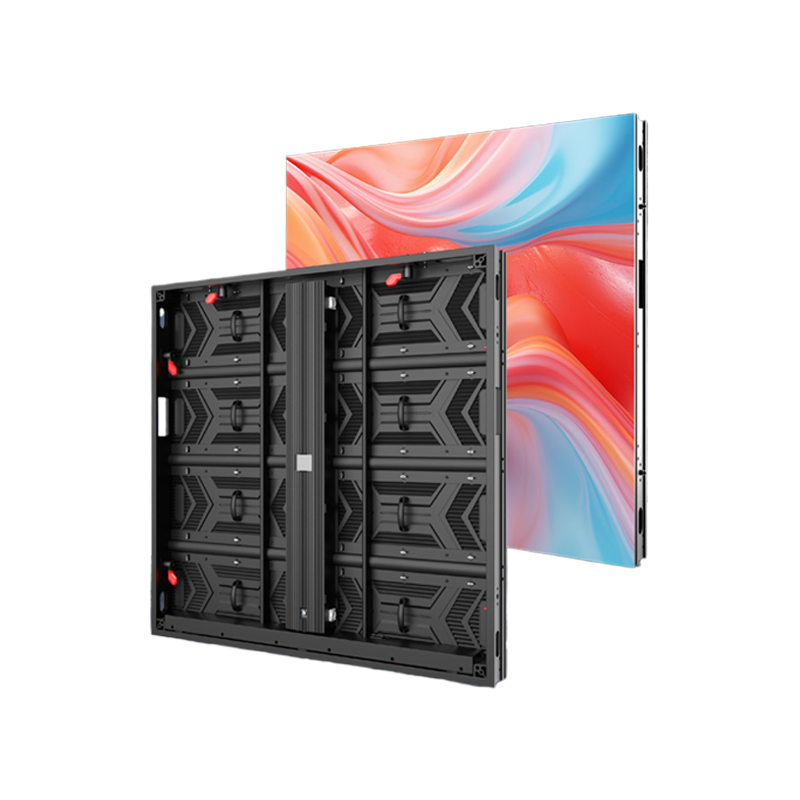
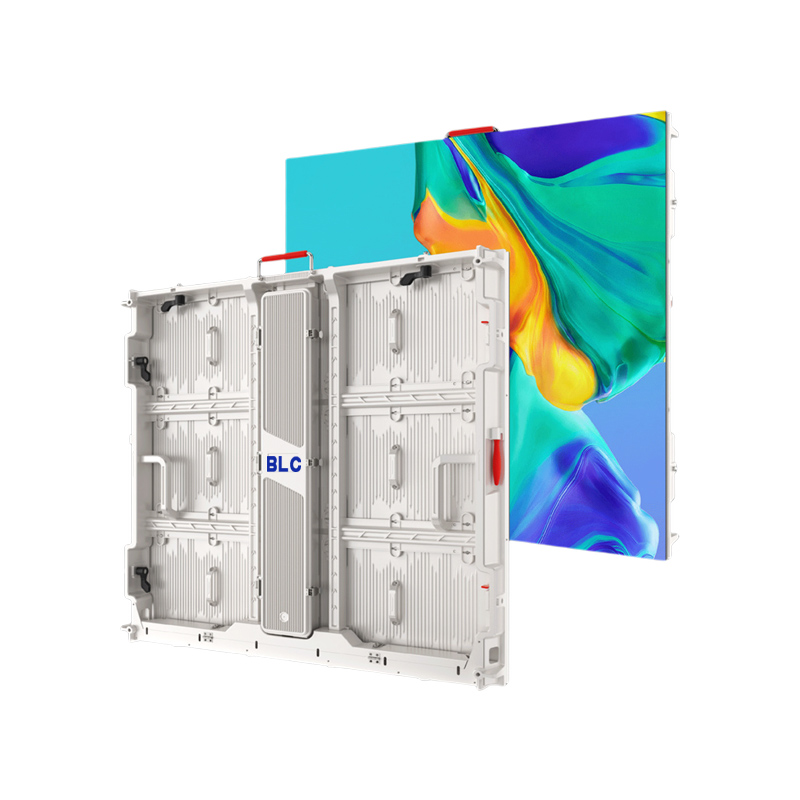

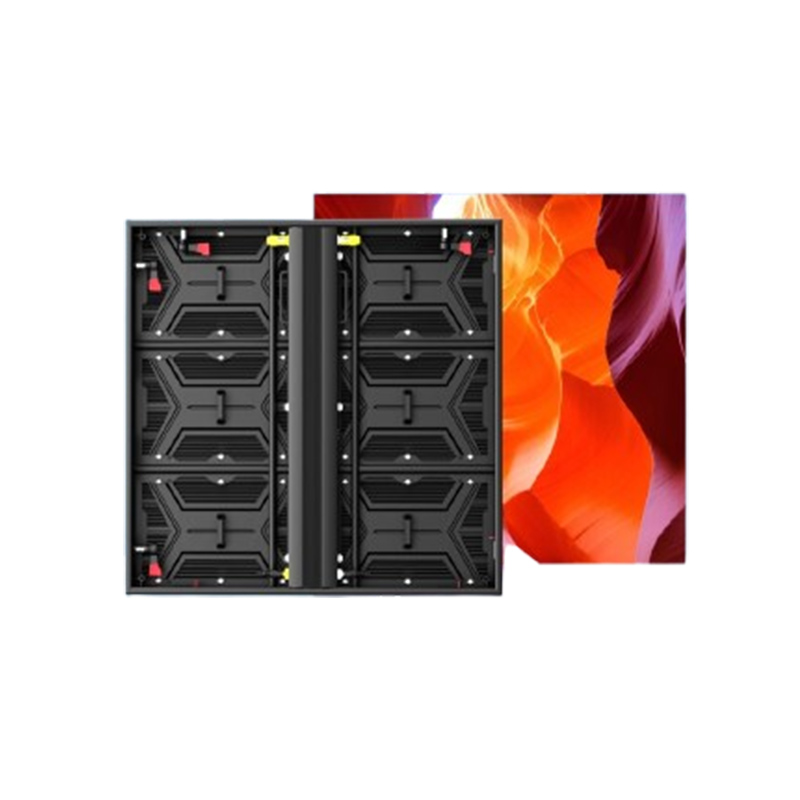
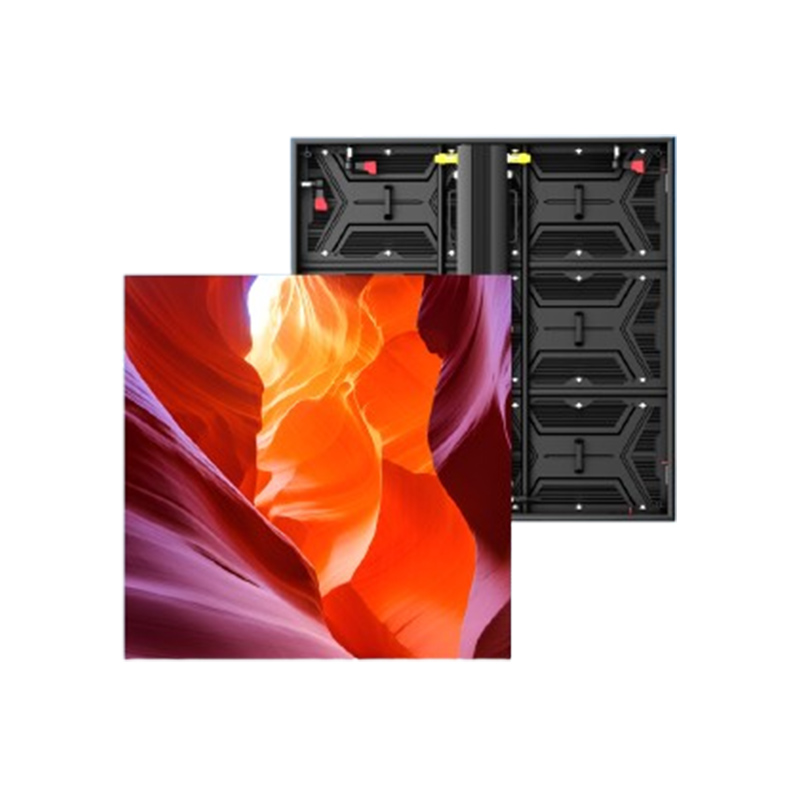
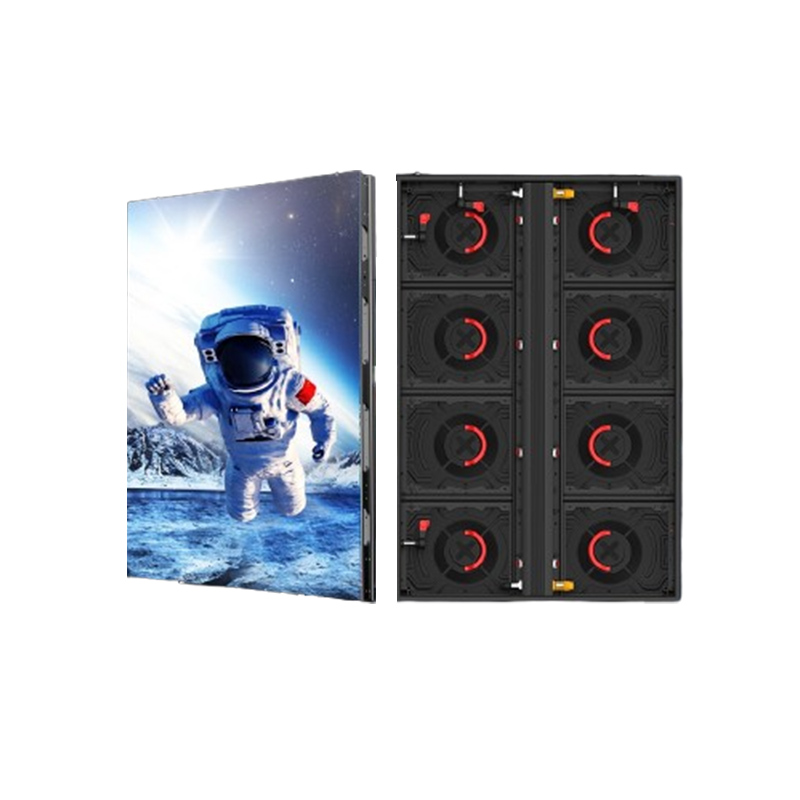
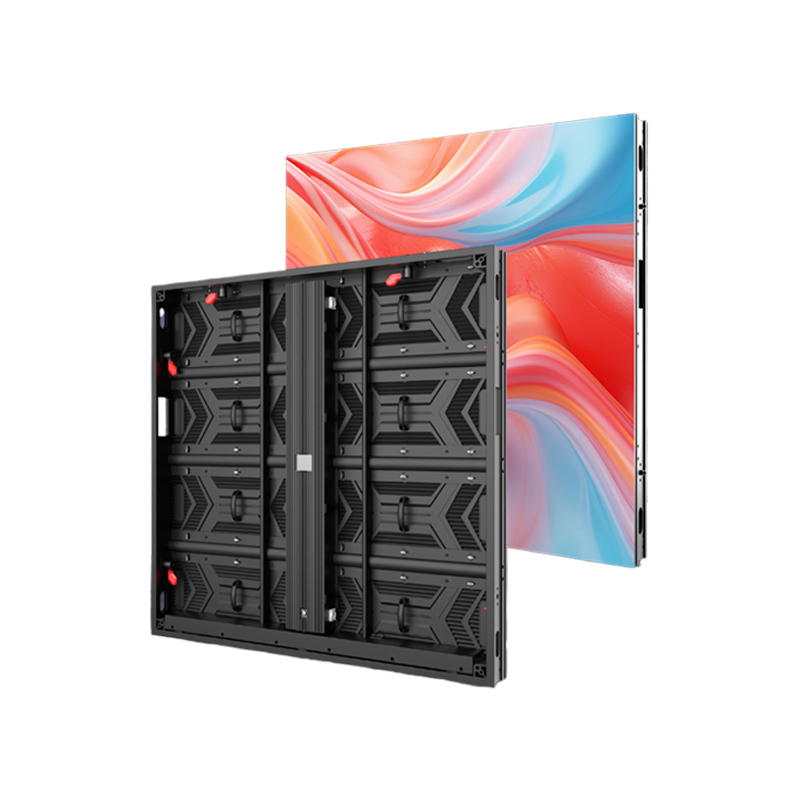
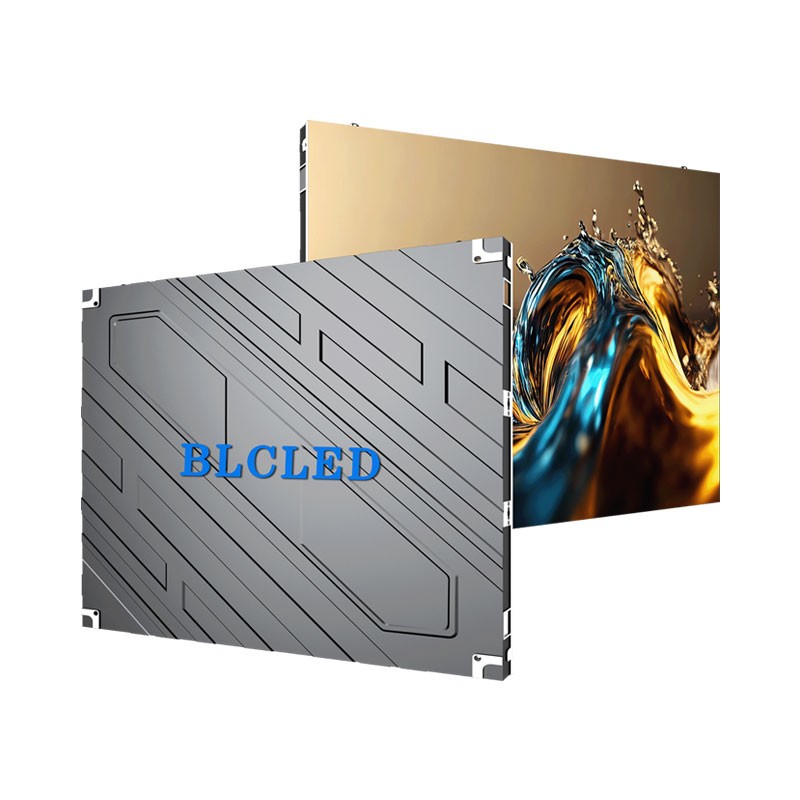
야외용 BDW 시리즈 960×960

알루미늄 프로파일과 플라스틱 캐비닛은 가볍기 때문에 운송 및 설치 비용을 절감할 수 있습니다.

이미지

제품 상세 정보


뛰어난 시각 효과

높은 화면 주사율, 높은 명암비, 그리고 풍부한 회색조 표현으로 더욱 사실적이고 섬세한 화면과 생생하고 선명한 색상을 구현합니다.

이미지 이미지


이미지


재료

알루미늄 프로파일과 플라스틱 캐비닛은 가볍기 때문에 운송 및 설치 비용을 절감할 수 있습니다.

이미지


캐비닛 크기

이미지


전면 및 후면 전체 정비

이중 유지보수, 간편한 작동, 빠른 설치 및 유지 관리 - 진정으로 번거로움 없이, 수월하게, 그리고 시간을 절약할 수 있습니다.

이미지


매끄러운 접합

• 섬세한 구조

• 빠른 설치

• 완벽한 평탄도

이미지


이미지


160° 초광각 시야각

어떤 각도에서 보더라도 완벽한 이미지 표현을 제공합니다.

BHR13


케이스 갤러리

이미지


모델 속성


매개변수 P4.44 P5.71 P6.66 P8 P10
LED 타입 SMD1415 SMD2727 SMD2727 SMD2727/3535 SMD2727/3535
픽셀 밀도(도트/㎡) 50625 30625 22500 15625 10000
모듈 해상도 108X72 84X56 72X48 60X40 48X32
모듈 크기(가로 x 세로) 480X320
상자 크기(mm) 960X960X96
박스 해상도 216X216 168X168 144X144 120X120 96X96
박스 모듈 구성 (가로 x 세로) 2X3
상자 무게(kg) ≤26.5
유지 관리 모드 전면 및 후면
캐비닛 소재 알루미늄 및 플라스틱
밝기(니트) >5000 CD/㎡ >6000 CD/㎡ >6000 CD/㎡ >6000 CD/㎡ >6500 CD/㎡
색상 종류 1670만
원근법(수평/수직) 140°/140°
최적 가시거리 5-100m 6-100m 7-150m 8-150m 10-200m
밝기 조절 0~100단계로 조절 가능
프레임 빈도를 변경합니다. 50/60
드라이브 모드 1/9 스캔 1/7 스캔 1/6 스캔 1/5 스캔 1/2 스캔
회색 레벨 14비트
새로 고침 빈도(Hz) ≥3840Hz
최대 전력 소비량(와트/㎡) 800
평균 전력 소비량(와트/㎡) 320
보호 수준 IP65
전원 공급 요구 사항 교류 100-240V, 50-60Hz
작동 온도/습도 범위(℃/RH) -20~50℃/10%~95%
서비스 수명 10만 시간
적용 가능한 표준 CCC/CE/RoHS/FCC/CB/TUV/IEC

무료 메시지를 보내주세요


- 당사 제품

관련 의자

야외용 Ti 시리즈 1000×1000
높은 화면 주사율, 높은 명암비, 그리고 풍부한 회색조 표현으로 더욱 사실적이고 섬세한 화면과 생생하고 선명한 색상을 구현합니다.
야외용 시리즈 960×9
알루미늄 프로파일 캐비닛은 가벼워서 운송비와 설치비를 절감할 수 있습니다.
실외용 ES 시리즈 800×900
알루미늄 프로파일 캐비닛은 가벼워서 운송비와 설치비를 절감할 수 있습니다.
옥외용 BDD 시리즈 1000×1000
높은 화면 주사율, 높은 명암비, 그리고 풍부한 회색조 표현으로 더욱 사실적이고 섬세한 화면과 생생하고 선명한 색상을 구현합니다.

최근의 블로그 게시글

HD, FHD, UHD and 4K: What LED Screen Buyers Need to Know

30
10월
Check the wall before approving the file. A designer can send you UHD artwork, yet your advertising screen or rental backdrop may have nowhere near enough LEDs to show every pixel. Compare the file dimensions against the wall’s native pixel count at this point. Do both match? That question is more useful than a ‘4K’ label when your team has to decide whether small lettering will survive playback. What the resolution labels actually describe Resolution describes picture elements across an image and down its height. The two numbers belong together. A screen described only as “4K wide” may have enough horizontal pixels but lack the height required for a complete UHD image. We use the following 16:9 formats as reference points. Multiply width by height, and UHD yields four times the pixel count of FHD. Will your audience see the difference? We’d check the content and viewing distance before assuming so. Format Width × height in pixels Total pixels HD (720p)  1280 × 720  921,600 FHD (1080p)  1920 × 1080 2,073,600 UHD (2160p)  3840 × 2160 8,294,400   The term 4K needs a little care. For a television-style signage canvas, we’d normally read ‘4K’ as 3840 × 2160. A cinema canvas can be 4096 × 2160; it has extra width. We would write the actual dimensions into a content brief rather than leave a production team guessing what “4K” means. How pixel pitch determines the physical wall We measure pitch in millimetres, from one pixel’s centre to the next. Reduce that spacing, and we can either fit extra pixels across your wall or build the same pixel canvas in less space. This is why choosing a fine pitch LED display involves both the available wall space and the required image dimensions. Consider our BLC LED BN Series P1.25 configuration. Its 320 × 160 mm module gives us 256 × 128 pixels. Check the horizontal count: 320 ÷ 1.25 = 256. That gives your design team a checkable module width before any cabinets are combined. On paper, we get a 4800 × 2700 mm canvas by multiplying 3840 × 2160 pixels by a 1.25 mm pitch. That is a geometric calculation, not an available cabinet arrangement. Real cabinets contain whole modules, so a proposed build must be checked against the actual cabinet matrix. If we round the wall dimensions to suit your venue, we have to recalculate its pixel canvas too. Why a 4K input can still look soft The input specification describes what the processor can receive. Native resolution describes the physical pixels on the finished screen. The processor receives the file before it reaches the LED wall. Accepting more input pixels leaves the physical LED count unchanged. When we downscale a file, we compress a larger source image into fewer wall pixels. Resizing may leave a broad block of colour recognisable yet merge the strokes in small text. Those two results can occur in the same frame. Try the price list as well as the promotional video. A good-looking moving picture tells your team little about the smallest lettering. With upscaling, we spread a smaller source over a larger output canvas. The picture gets bigger. The source still sets the limit on the original detail available to show. We’d open the logo file, too. Compression damage won’t necessarily change its stated width of 1920 pixels. For your outdoor LED video screen, we also need the audience position and lighting conditions. The pixel count tells us neither of these. Use the plaza headline for a distant audience test and the schedule for a close reading test. The screen has to serve the actual reading task. What happens when the backdrop isn’t 16:9 An LED wall can have proportions that differ from standard video. Suppose we have a 3000 × 1000 pixel stage canvas—an illustrative 3:1 layout. Your complete 16:9 picture won’t fill it unchanged. Your operator has to leave borders, cut away image areas or alter the proportions. Keeping the full image preserves the composition but leaves borders. If we enlarge the picture until it fills the backdrop, some of the image falls outside the canvas. If we stretch it instead, we keep the image areas but change the shapes: a round logo becomes oval, for instance. None of these choices is a resolution upgrade. For LED display screen rental, we recommend agreeing the final pixel canvas before creating the show graphics. We’d check each sponsor mark against the crop boundary before signing off. Is a logo sitting near an edge? Move it into the visible area. Where the layout allows, we’d give your designer the wide canvas dimensions and have the artwork composed for that shape. A useful content check before approval An approval test should use the content your audience needs to read. Send a sample containing the smallest planned text, the actual logo artwork and a representative moving sequence. Review it on the proposed pixel canvas, then check the display from the intended audience positions when a demonstration is available. Record the source dimensions, native wall dimensions and scaling choice together. This gives your content team a repeatable brief if the installation changes or the rental layout grows. A file called “final-4K” cannot provide that information. The resolution decision that matters The useful question is whether the complete image reaches the audience clearly on the wall you can build. We’d settle the wall dimensions and audience position before commissioning the finished artwork. Your designer then has an actual pixel canvas to work with. Put that width and height in the handover brief; ‘HD’ or ‘4K’ alone leaves too much open to interpretation. FAQ Does UHD always mean 3840 × 2160? That’s the format we mean here. We’d write 3840 × 2160 in your brief, since the broader UHD family includes higher resolutions. Is a screen with 3840 horizontal pixels automatically 4K UHD? We need the height as well: 2160 pixels. Your ribbon display could have all 3840 horizontal pixels and still be too short to show the complete UHD canvas without resizing it. Can a Full HD wall play a UHD video? Yes, provided your player and processor accept that UHD signal and resize it for the wall. The wall still displays its native number of pixels. Does a smaller pixel pitch always justify the extra cost? We wouldn’t choose pitch on the label alone. Dense text read nearby can justify pixels that add little to a large image viewed from across a venue. We would check your smallest text from the intended audience position before spending more on a finer pitch. Does 4K specify refresh rate? No. We use resolution to describe the pixel grid and refresh rate to describe how often the display updates. For your filmed event, we’d test the screen with the intended camera settings. A 4K label doesn’t answer that question.
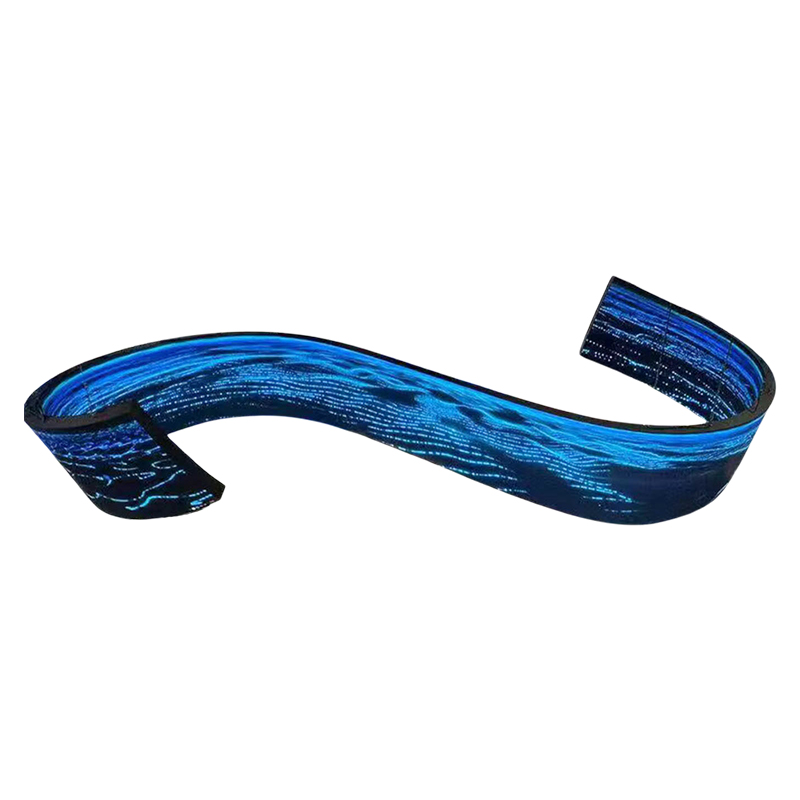
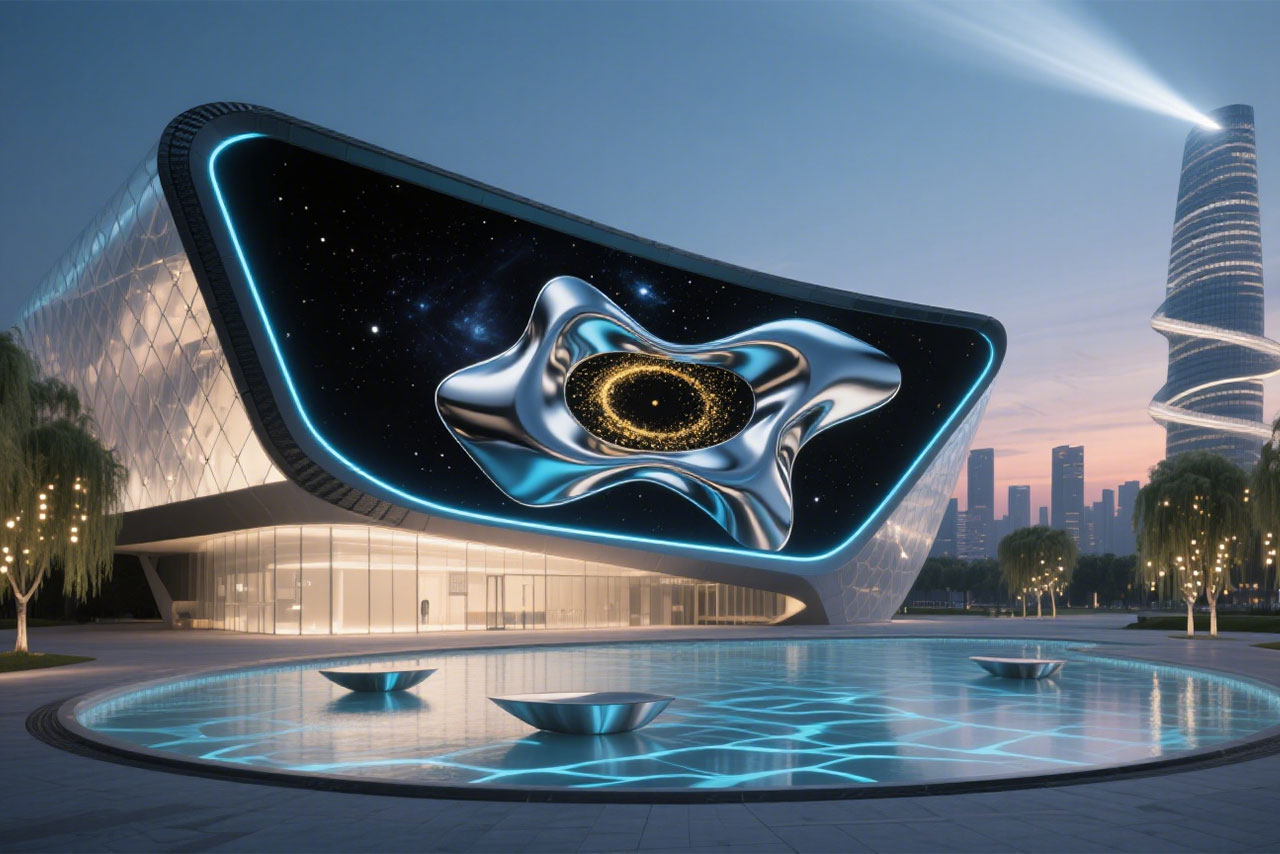
How to Source Custom Shaped LED Screens from OEMs

22
10월
A creative display can look convincing in a rendering and still fail when the geometry reaches the factory floor. For distributors, integrators, and advertising contractors, the real question is whether an OEM can convert a shape into controlled drawings, repeatable modules, a serviceable structure, and test evidence. The review must follow that work from concept approval to shipment. Shape Changes What the Supplier Must Control A custom shaped LED screen is a geometry project as much as a display purchase. A sphere, ring, cube, counter, or flowing curve changes module boundaries, frame tolerances, cable routes, viewing directions, and access for repair. The supplier must show how those decisions work together in the quoted form. Portfolio images do not prove that a factory can reproduce your dimensions. Ask which parts use standard modules, which require custom metalwork or tooling, and which tolerances control the seams. That distinction exposes where schedule, cost, and quality risk sit. A Controlled Design Brief Makes Quotations Comparable A controlled brief gives every bidder the same problem. Include dimensioned drawings, indoor or outdoor use, viewing positions, active display surfaces, mounting points, weight limits, service clearance, content source, and destination-market requirements. A reference image communicates intent, but it cannot replace dimensions and interfaces. Content belongs in the brief because a non-rectangular canvas changes where text and logos remain visible. Request a pixel map before approval. A sphere needs a different safe area from a disc, while a cube must explain how content crosses edges or changes between faces. Approved geometry and active display area Module, cabinet, frame, and mounting interfaces Power, data, controller, and content-mapping scope Service route, spare parts, packing, and installation sequence Engineering Evidence Matters More Than a Sales Label A credible LED display screen manufacturer can explain the path from drawing review to production release. For a custom form, that path should include revision control, structural responsibility, a bill of materials, and written approval points. If the supplier cannot identify the current configuration, later test reports may describe another product. Factory ownership is useful only when it improves control. BLC LED integrates research and development, production, sales, and service, and it supports custom dimensions and shapes including arcs, circles, spheres, and cube forms. The company also offers OEM private labeling. Those capabilities make it relevant to the project, but buyers should still verify the exact engineering scope attached to their order. The First Full Assembly Is the Most Useful Sample A small module sample can confirm color and surface quality, yet it cannot reveal whether an unusual structure closes accurately. The decisive sample is a prototype or first full assembly built from the released drawings. Review it from the intended viewing angles and with the real content map before authorizing volume production. The review should reproduce tight radii, corners, seams, suspended interfaces, access panels, and cable transitions. Record measurements, photos, controller files, and approved deviations. If the display will be disassembled for shipping, require a reassembly trial using the labels and instructions provided to the site team. Project risk Evidence before production release Shape or seam mismatch Approved drawings, dimensions, tolerances, and full assembly photos Content distortion Final pixel map tested with representative media Blocked maintenance Recorded removal and replacement of a serviceable part Site reassembly errors Numbered components, packing map, and installation sequence Quality and Compliance Records Must Match the Build Quality evidence becomes useful when it identifies the order, revision, and result. BLC LED documents incoming, in-process, and finished-product checks, followed by a 72-hour burn-in process. Buyers should connect those controls to the approved assembly and retain the inspection record with the configuration files. Certificates also need careful reading. ISO 9001 certification concerns a quality management system; it is not automatic product approval. For European sales, CE marking places conformity-assessment, technical-documentation, and declaration responsibilities on the manufacturer. Ask for the applicable declaration and supporting documents for the exact supplied configuration rather than accepting a logo on a brochure. Price and After-Sales Support Belong in One Scope A LED display screen supplier quotation is comparable only when inclusions are visible. Separate display hardware, custom structure, tooling, controllers, spares, packing, documentation, commissioning, and on-site work. A lower total may omit the engineering or service items that make the shape usable. After-sales planning should begin before shipment because custom parts may not match standard stock. Identify unique modules, power units, receiving cards, frame sections, and tools; then agree on spares, file backups, response channels, and repair responsibility. BLC LED provides 24/7 remote technical support, which buyers can test with one factory fault-and-recovery exercise. Commercial approval should compare the same service scenario. Price one expected repair, check whether the technician can reach the part, and confirm who supplies a replacement matching the approved geometry and calibration. This gives price, quality, and support a common basis. A Defensible OEM Choice Follows the Evidence Chain The strongest OEM choice keeps one traceable chain from the design brief to the approved drawing, full assembly, inspection record, packing plan, and service file. That chain turns a creative concept into a repeatable product. Buyers can approve the shape because its engineering and support are visible, not because the presentation looks persuasive. Share the intended shape, drawings, viewing conditions, installation method, destination market, and service constraints through the project contact page. BLC LED can use that brief to define the suitable custom-display path and the evidence needed before production. FAQ What Files Should I Send for an OEM Creative LED Display Quote? Send dimensioned drawings, a reference rendering, active display areas, mounting points, viewing distances, indoor or outdoor conditions, service clearance, content format, destination market, and delivery scope. Label the current revision so every bidder prices the same design. Is a Product Sample Enough for a Custom Shape? A module sample can show image quality, but it cannot confirm completed geometry. Approve a prototype or first full assembly with the difficult curves, seams, interfaces, content map, and service route before production. How Can Buyers Verify That the Factory Built the Screen? Request a factory review tied to the order number, drawing revision, bill of materials, assembly stage, and inspection record. The evidence should identify your configuration rather than an unrelated production line. Which Quality Records Matter for a Creative LED Display? Useful records include incoming checks, in-process inspection, seam measurements, image tests, burn-in results, controller files, approved deviations, packing verification, and final acceptance. Each record should identify the exact order and configuration. What Should an OEM After-Sales Plan Cover? The plan should identify unique parts, spares, configuration backups, diagnostic steps, response channels, warranty scope, repair responsibility, and replacement lead times. It should show how a technician replaces parts without damaging the structure.

하드웨어 그 이상: 완벽한 DOOH LED 비디오 월 솔루션

14
10월
옥외 디지털 광고(DOOH) 광고주에게 옥외 스크린 예산을 책정해달라고 하면 가장 먼저 떠오르는 숫자는 바로 광고판 가격입니다. 하지만 이는 잘못된 출발점입니다. 해당 광고판이 투자 대비 수익을 낼 수 있는지는 상위 구조, 배후의 권력, 광고 콘텐츠를 제공하는 시스템, 그리고 문제가 발생했을 때 이를 해결하는 담당자 등 여러 요인에 의해 결정됩니다. 종합 솔루션은 구성 요소를 하나씩 살펴보면 단순히 밝기 수치만으로 비교하기보다 내용 면에서 비교하는 것이 훨씬 쉽습니다. 패널 레이어 실외용 LED 비디오 스크린은 모듈식으로 설계되어 패널 자체는 설치된 장소의 날씨를 전혀 알지 못합니다. 동일한 픽셀 피치를 가진 두 개의 실외용 LED 디스플레이 캐비닛이라도 염분이 많은 해안가 옥상에 설치된 것과 쇼핑몰 외벽에 매립된 것은 수명이 매우 다를 수 있습니다. 이러한 차이는 유리 주변의 모든 설계 요소에서 드러납니다. 풀서비스 공급이 존재하는 이유가 바로 이것입니다. 패널을 넘겨주고 나면, 구조, 전력, 콘텐츠 파이프라인, 유지보수는 각각 별개의 문제가 되고, 대개 여러 공급업체에 분산됩니다. 수익이 가동 시간에 달려 있을 때, 이러한 책임 분담은 조용히 실질적인 금전적 손실로 이어집니다. 현장에 맞는 패널 크기 선정 픽셀 피치는 이미지가 선명하게 보이는 최대 거리를 설정하는 중요한 요소로, 웹사이트의 실제 트래픽을 파악하는 데 필수적인 첫 번째 결정 사항입니다. 사람들이 몇 미터 떨어진 곳에 서 있는 코너 웹사이트는 30미터 떨어진 곳에서 빠르게 움직이는 차량에 노출되는 고속도로 안내판보다 더 좁은 픽셀 피치가 필요합니다. 따라서 픽셀 피치 선택은 웹사이트의 특성에 따라 결정됩니다. 3.91 픽셀 간격의 옥외용 LED 디스플레이는 밀집된 도심 환경에 적합합니다. 반면, 10.42 픽셀 간격의 옥외용 LED 스크린은 도로변이나 장거리 송출에 적합합니다. 픽셀 간격이 좁을수록 제곱미터당 화소 수가 많아지므로 최대 전력 소모량이 증가하고, 캐비닛은 직사광선에도 밝기를 유지해야 합니다. 픽셀 피치 픽셀 밀도(도트/m²) 일반적인 밝기 최적 시청 거리 두오 핏 P3.91 65,536 5,500~10,000개 4~100m 도시 거리, 광장 P4.81 43,264 5,500~10,000개 5~100m 대로변, 쇼핑몰 6.25페소 25,600 6,000~10,000개 6~150m 간선도로 P10.42 9,216 6,000~10,000개 10~200m 고속도로, 장거리 투척 피치, 밝기 및 캐비닛 크기가 확정되면 제작물의 크기와 무게가 결정되며, 이러한 수치는 구조 설계에 직접 반영됩니다. 구조 및 전력 계층 스크린을 건물에 고정하는 모든 부품이 여기에 있습니다. 옥상이나 대형 광고판 설치에는 일반적으로 후면 서비스 캐비닛이 사용되는데, 이는 뒷면이 개방되어 있어 열을 배출하고 기술자가 안전하게 작업할 수 있는 통로를 제공하기 때문입니다. 밀폐된 외관의 경우에는 자석식 또는 회전식 렌치를 사용하여 모듈을 분리하는 전면 서비스 방식이 사용됩니다. 맞춤형 구조물 제작은 공장 기반 공급업체가 진가를 발휘하는 분야입니다. 풍하중, 설치 방향, 정확한 설치 면적은 현장마다 다르기 때문에 기성품 박스로는 정확한 수치를 얻기 어렵습니다. 전기적인 측면도 마찬가지로 중요합니다. 캐비닛의 최대 전력 소모량에 맞춰 설계되고 90~264V의 넓은 AC 입력 전압 범위에서 작동하는 전원 공급 및 배전 시스템은 배선 작업 없이 동일한 하드웨어를 국가 간에 이동할 수 있도록 해줍니다. 콘텐츠 제어 계층 제어 시스템은 네트워크 규모에 맞춰 확장되는 핵심 요소입니다. 단일 화면 광고는 로컬 플레이어로도 충분하지만, 30개 사이트를 운영하는 광고주는 그럴 수 없으며, 중앙 집중식 스케줄링이 필요합니다. 즉, 모든 사이트에 캠페인을 푸시하고, 정해진 시간에 광고 소재를 교체하고, 변경 사항이 실제로 적용되었는지 확인할 수 있는 단일 관리 시스템이 필요한 것입니다. 원격 클라우드 기반 재생 기능은 분산된 포트폴리오를 운영팀이 각 현장에 기술자를 배치하지 않고도 실행할 수 있는 하나의 자산으로 통합해 줍니다. 풀서비스 패키지에는 해당 콘솔이 추가 기능이 아닌 기본 구성품으로 포함되어 제공됩니다. 수신 카드 및 재생 설정은 위탁 과정에서 구성되므로 광고주 측 팀이 처음부터 콘텐츠 워크플로우를 직접 관리할 수 있습니다. 인증 및 사후 서비스 규정 준수와 물류는 국경을 넘나드는 네트워크의 원활한 운영을 보장하며, 인증은 아웃도어 제품의 마케팅 수단이 아닙니다. ISO 9001 및 ISO 27001 경영 인증과 더불어 CE, RoHS, FCC 인증은 하드웨어가 다양한 시장에서 인정받을 수 있도록 하는 핵심 요소입니다. 110개국 이상에 제품을 공급한다는 것은 동일한 내각 구성원이 각기 다른 규제를 충족해야 한다는 것을 의미하며, 원스톱 공장 직송 공급망을 통해 전력, 유통 및 서류 작업을 세 개의 분리된 공급업체가 아닌 하나의 단위로 처리할 수 있습니다. 구매자들이 간과하기 쉬운 부분이 바로 사후 서비스입니다. 디지털 옥외광고(DOOH) 네트워크를 조용히 무너뜨리는 가장 큰 요인은 바로 다운타임과 느린 수리 시간이기 때문입니다. 2년 보증과 함께 약 5천 개의 부품 재고를 확보하여 신속한 교체가 가능하도록 함으로써, 예비 부품이 바다 건너 배송되는 동안 화면이 꺼져 있는 대신 지속적으로 수익을 창출할 수 있도록 지원합니다. 인수인계 시 제공되는 완벽한 솔루션 종합적으로 보면, 완벽한 DOOH LED 비디오 월 솔루션은 현장 크기에 맞는 패널, 맞춤형 구조물 및 전력 시스템, 중앙 집중식 콘텐츠 콘솔, 시장 출시를 위한 인증 및 물류, 그리고 탄탄한 사후 지원 체계를 포함합니다. 구매자가 진정으로 원하는 것은 바로 이러한 모든 요소입니다.한쪽은 화면 가격을 제시하고 다른 쪽은 실행 중인 네트워크 가격을 제시할 때 차이가 발생합니다. 여러 시장에 걸쳐 광고 전략을 펼치는 광고주에게 있어, BLC와 같은 제조업체가 실질적인 도움이 되는 이유는 바로 이러한 완벽한 솔루션 때문입니다. 자체 공장을 보유하고 있기 때문에 각 설치 장소에 맞춰 구조를 맞춤화할 수 있고, 동일한 하드웨어로 여러 시장에서 사용 가능하며, 설치부터 서비스 수명 주기까지 전 과정을 책임지는 단일 팀이 관리합니다. 현장 실사를 마친 후 다음 단계는 간단합니다. 시청 거리에 맞춰 패널의 각도를 조정하고, 하중에 맞게 구조물의 크기를 정하고, 패널 주문 전에 관리 및 사후 서비스 조건을 확정하면 됩니다. 자주 묻는 질문 풀서비스 야외 LED 비디오 월에는 무엇이 포함되나요? 이 서비스는 현장 규모에 맞는 패널, 맞춤형 구조 프레임 및 전력 분배, 콘텐츠 제어 시스템, 필요한 인증 및 문서, 그리고 사후 부품 및 대응을 포함합니다. 디지털 옥외 광고(DOOH) 사이트에 적합한 픽셀 피치를 어떻게 선택해야 할까요? 피치는 일반적인 시청 거리에 맞춰 조정하십시오. P3.91~P4.81 정도의 고운 피치는 도심의 교통량이 많은 근접한 장소에 적합하고, P6.25 이상의 거친 피치는 도로변이나 장거리 투구 장소에 적합합니다. 옥외 설치 시 전면 서비스형 캐비닛과 후면 서비스형 캐비닛이 중요한가요? 네. 후면 서비스 캐비닛은 안전한 후면 통로와 원활한 통풍이 확보된 옥상이나 광고판에 적합합니다. 전면 서비스 접근 방식은 후면 접근이 어려운 좁거나 밀폐된 건물 외벽에 적합합니다. 선택은 스크린 자체가 아니라 물리적인 설치 환경에 따라 결정됩니다. 동일한 옥외 LED 디스플레이 하드웨어를 여러 국가에서 사용할 수 있습니까? 옥외용 캐비닛은 90~264V의 넓은 AC 입력 전압 범위에서 작동하며 CE, RoHS 및 FCC 인증을 획득하여 여러 시장에서 재사용이 가능합니다. 공장 직송 공급망을 통해 전력, 배전 및 관련 문서가 모든 현장에서 일관성을 유지합니다. 사후 관리가 의사결정의 일부이지, 나중에 고려하는 사항이 아닌 이유는 무엇일까요? 가동 중단은 디지털 옥외광고(DOOH) 네트워크의 수익 손실의 주요 원인입니다. 충분한 부품 재고, 연중무휴 24시간 대응, 그리고 신속한 대응 체계는 캠페인 기간 사이에도 광고판을 가동 상태로 유지하여 지속적인 운영을 위한 네트워크 투자 수익을 보장하는 핵심 요소입니다.

직시형 LED 비디오 월이 LCD보다 나은 경우는 언제일까요?

07
10월
LED와 LCD 중 어느 것이 더 나은지는 단순히 사양표만으로 판단하기 어렵습니다. 전시장에서 볼 때는 훌륭해 보이는 디스플레이라도 사람들이 가까이서 시간표를 읽거나, 로비 벽을 지나가거나, 일상적인 정보를 얻기 위해 화면을 사용할 때는 실망스러울 수 있습니다. 실질적인 비교는 공간, 전달하려는 메시지, 그리고 시청자가 실제로 화면을 접하는 방식을 고려해야 합니다. 시청 거리가 첫 번째 경계를 설정합니다. 시청 거리는 첫 번째 실질적인 필터 요소입니다. 사람이 화면에 가까워질수록 픽셀 구조가 더 잘 보이기 때문입니다. 직시형 LED는 발광 픽셀을 디스플레이 표면에 직접 배치하는 반면, LCD는 백라이트가 있는 액정 패널을 사용합니다. 이러한 차이는 화면에 미세한 글꼴, 복잡한 계기판 정보 또는 가까이 서 있는 사람에게도 선명한 이미지를 표시해야 할 때 가장 중요합니다. 직접 시청형 LED 비디오 월은 가장 가까운 시청 위치와 선택한 픽셀 피치가 일치하는 경우 넓은 로비, 강당 또는 프레젠테이션 공간에 적합합니다. 비디오 월의 성능은 해당 거리에서 실제 콘텐츠를 통해 평가해야 하며, 방 뒤쪽에서 반복 재생되는 데모 영상으로 평가해서는 안 됩니다. 미세한 텍스트, 대각선, 피부색 등은 비디오 월 성능에 대한 잘못된 가정을 빠르게 드러냅니다. 정밀 판독 및 픽셀 구조 근거리 작업 환경에서는 상황이 달라집니다. LCD는 익숙한 패널 형태로 풍부한 디테일을 제공할 수 있기 때문입니다. 소규모 회의실, 트레이딩 데스크 또는 제어실과 같은 환경에서는 끊김 없는 이미지보다 선명한 스프레드시트 텍스트가 더 중요할 수 있습니다. 이러한 경우, LED가 더 인상적인지 여부가 아니라 실제 시청 거리에서 콘텐츠에 더 높은 화소 밀도가 필요한지 여부가 중요한 질문이 됩니다. 콘텐츠 크기는 여전히 중요합니다. 어떤 기술도 복잡한 레이아웃을 해결해주지 못하기 때문입니다. 디스플레이 유형을 결정하기 전에 테스트 캔버스에 가장 작은 실제 텍스트, 지도 또는 데이터 뷰를 배치해 보세요. 가장 가까운 의도된 위치에서 메시지가 명확하게 보인다면, 디스플레이 계획은 타당한 출발점이라고 할 수 있습니다. 이음새가 메시지를 바꾸는 곳 벽면 전체에 걸쳐 메시지를 전달할 때는 이음새가 중요합니다. LCD 비디오 월은 여러 개의 패널로 구성되기 때문에 얇은 베젤이라도 눈에 띄는 격자 무늬를 만듭니다. 이러한 격자 무늬는 여러 개의 창이 있는 대시보드, 다양한 카메라 영상, 또는 여러 개의 독립적인 정보 영역에는 문제가 되지 않을 수 있습니다. 하지만 브랜드 영상, 대형 이미지, 또는 하나의 방향으로만 표시되는 그래픽처럼 하나의 화면처럼 보여야 하는 경우에는 무시하기 어려워집니다. 그러한 요구 사항에는 연속형 디스플레이로 제작된 LED 비디오 월 패널이 전체 화면에 걸쳐 의도한 구성을 유지할 수 있습니다. 이점은 시각적 연속성 확보이지, 모든 공간에 LED를 사용해야 한다는 의미는 아닙니다. 콘텐츠를 방해하지 않고 오히려 돋보이게 하는 그리드 구조라면 타일형 LCD 레이아웃이 여전히 더 나은 선택이 될 수 있습니다. 건축 콘텐츠를 위한 단일 캔버스 여러 개의 스크린을 모아놓은 것이 아니라 건축물의 일부로 자연스럽게 이어지는 LED 벽면은 그 진가를 발휘합니다. 리셉션 공간, 긴 진입 복도, 또는 공공 프레젠테이션 벽면은 ​​끊김 없는 표면을 활용하여 하나의 동작, 하나의 이미지, 또는 하나의 경로를 쉽게 따라갈 수 있도록 안내할 수 있습니다. 하지만 안전한 서비스 통로 확보는 필수적입니다. 아무리 아름다운 벽면이라도 작은 결함이 눈에 띄게 드러나 있어 아무도 접근할 수 없다면 그 가치는 떨어지기 때문입니다. 크기, 모양 및 서비스 접근성 물리적 제약 조건이 화질보다 우선하여 비교 기준을 결정하는 경우가 많습니다. LED 캐비닛은 비표준 너비, 높이 및 화면비율로 제작할 수 있어 벽면을 표준 패널 크기가 아닌 특정 공간에 맞춰 설치해야 할 때 유리합니다. 반면, 표준 화면 크기가 메시지 전달에 필요한 조건을 충족하고 공간에 연속적인 캔버스가 필요하지 않은 경우에는 LCD를 선택하는 것이 더 합리적입니다. 가장 가까운 시청자, 일반적인 보행 경로, 그리고 읽기 쉬워야 하는 최소 콘텐츠를 지도에 표시합니다. 디스플레이 기술을 설치하기 전에 구조, 전원, 신호, 환기 및 서비스 접근성을 확인하십시오. 콘텐츠 소스가 의도한 캔버스를 지원하는지 확인하십시오. 따라서 대형 LED 디스플레이 화면은 규모나 맞춤형 형태가 소통 문제의 핵심 요소일 때 가장 효과적입니다. 단순히 벽면이 크다고 해서 무조건 더 나은 선택은 아닙니다. 설치팀은 원활한 설치를 위해 지지 구조, 전원 배선, 신호 체계, 환기 및 유지 보수 방향 등을 꼼꼼히 확인해야 합니다. 프로젝트 조건 직시형 LED는 다음과 같은 경우에 더 강력합니다. LCD는 다음과 같은 경우에 여전히 적합한 선택입니다. 이미지 연속성 넓은 캔버스 하나 또는 특이한 화면 비율이 이번 프로젝트의 핵심입니다. 타일형 레이아웃이 허용되며 베젤 격자가 콘텐츠를 방해하지 않습니다. 보기 패턴 대부분의 시청자는 선택한 화면 크기와 영상의 각도에 맞춰 충분히 멀리 떨어져서 시청합니다. 사람들은 상세한 텍스트를 읽거나 장시간 동안 디스플레이 가까이에서 작업합니다. 물리적 계획 벽체는 넓은 면적을 아우르거나, 건축물과 조화를 이루거나, 모듈 수준의 서비스를 제공할 수 있어야 합니다. 고정된 표준 크기, 얕은 설치 공간, 간편한 패널 교체는 공간에 적합합니다. 근거리 조명 프로젝트에 BLC LED가 더하는 장점은 무엇일까요? 가까이서 보면 끊김 없는 이미지와 외형적인 특징 모두 LED에 유리하지만, 캐비닛 디자인 또한 주목할 만합니다. BLC LED는 640 x 480mm 캐비닛 크기에 전면 유지보수 및 90도 회전 기능을 갖춘 COB 미세 피치 BN 구성 제품을 제공합니다.각도 접합 지원. 이러한 기능은 팀이 향후 작업을 위한 접근 경로를 유지하면서 실내 환경에 깔끔하게 설치할 수 있는 소형 벽이 필요할 때 유용합니다. 실내 프로젝트의 경우, 상업용 LED 디스플레이는 시청자의 전체 동선을 고려하여 평가해야 합니다. 즉, 가장 가까운 판독 위치, 일반적인 이동 경로, 콘텐츠 소스, 그리고 기술자가 모듈을 복구하는 방식 등을 모두 고려해야 합니다. 이렇게 하면 개별 사양 목록에 집중하는 대신 공간에 필요한 결과에 초점을 맞출 수 있습니다. 이번 프로젝트에 적합한 실용적인 선택 크고 끊김 없는 이미지, 맞춤형 디스플레이 형태, 또는 모듈식 표면이 필요하고 선택한 픽셀 피치가 가장 가까운 시청자에게 적합한 경우, 직접 시청 LED가 LCD보다 더 적합합니다. 반면, 근접 디테일, 표준 크기, 타일형 정보 레이아웃 또는 제한된 초기 장비 예산이 끊김 없는 화면보다 더 중요한 경우에는 LCD가 여전히 좋은 선택입니다. 다음으로 중요한 단계는 실제 공간에서 콘텐츠와 거리를 검토하는 것입니다. 가장 작은 핵심 정보까지 테스트하고, 사람들이 잠시 멈추는 지점을 파악하며, 베젤이 메시지 전달에 도움이 되는지 방해가 되는지 판단해야 합니다. 이러한 과정을 통해 두 기술 중 어느 하나를 기본 해결책으로 삼지 않고도 합리적인 선택을 할 수 있습니다. 자주 묻는 질문 넓은 공간에는 직시형 LED 월이 항상 더 나은 선택일까요? 아니요. 콘텐츠를 여러 구역으로 나누어 표시하거나, 시청자가 세부적인 부분을 자세히 봐야 하거나, 패널 격자가 메시지 전달을 방해하지 않는다면 넓은 공간에서도 LCD를 사용할 수 있습니다. LCD 비디오 월에 화면 사이에 줄이 나타나는 이유는 무엇입니까? LCD 월은 개별 디스플레이 패널로 구성됩니다. 패널 사이의 베젤은 눈에 띄는 이음새를 만들지만, 베젤이 얇은 모델은 많은 정보 레이아웃에서 이러한 이음새가 덜 눈에 띄도록 할 수 있습니다. 픽셀 피치가 작을수록 모든 LED 월의 성능이 향상될까요? 아니요. 더 작은 화면 크기는 시청자와의 근접 시청에 유리하지만, 가장 가까운 시청자 위치와 콘텐츠에 맞춰야 합니다. 시청자에게 불필요한 세부 정보는 비용만 증가시키고 메시지 전달에는 도움이 되지 않습니다. LED 비디오 월은 비표준 화면비율을 사용할 수 있습니까? 예. 모듈형 캐비닛은 구조, 신호 배치 및 서비스 접근성을 함께 계획할 경우 프로젝트별 너비와 높이에 맞게 구성할 수 있습니다. LED와 LCD 중 어떤 것을 선택하기 전에 무엇을 테스트해야 할까요? 가장 가까운 시청 위치에서 실제 콘텐츠를 테스트하고, 레이아웃을 방해하는 이음새가 없는지 확인하고, 설치 공간을 확인하고, 인수인계 후 디스플레이 유지 보수 계획을 수립합니다.
집
왓츠앱
이메일
콘택트 렌즈