

شركة Shenzhen BLC Technology Co., Ltd. هي شركة وطنية للتكنولوجيا العالية تدمج إنتاج وبيع وخدمة شاشات LED كاملة الألوان، وهي ملتزمة بتزويد العملاء بحلول شاملة لمنتجات LED.

ملكنا
التفكير
معلومات عنا
تلتزم شركة Everlight Technology دائمًا بتوجه القيم المتمثل في "العميل أولاً، والشغف والمسؤولية، والابتكار والتركيز، والكفاءة والربح المتبادل"، حيث تقدم للعملاء منتجات وخدمات عالية الجودة تناسب السوق، وهي ملتزمة بأن تصبح رائدة في مجال شاشات LED العالمية.
يتعلم أكثر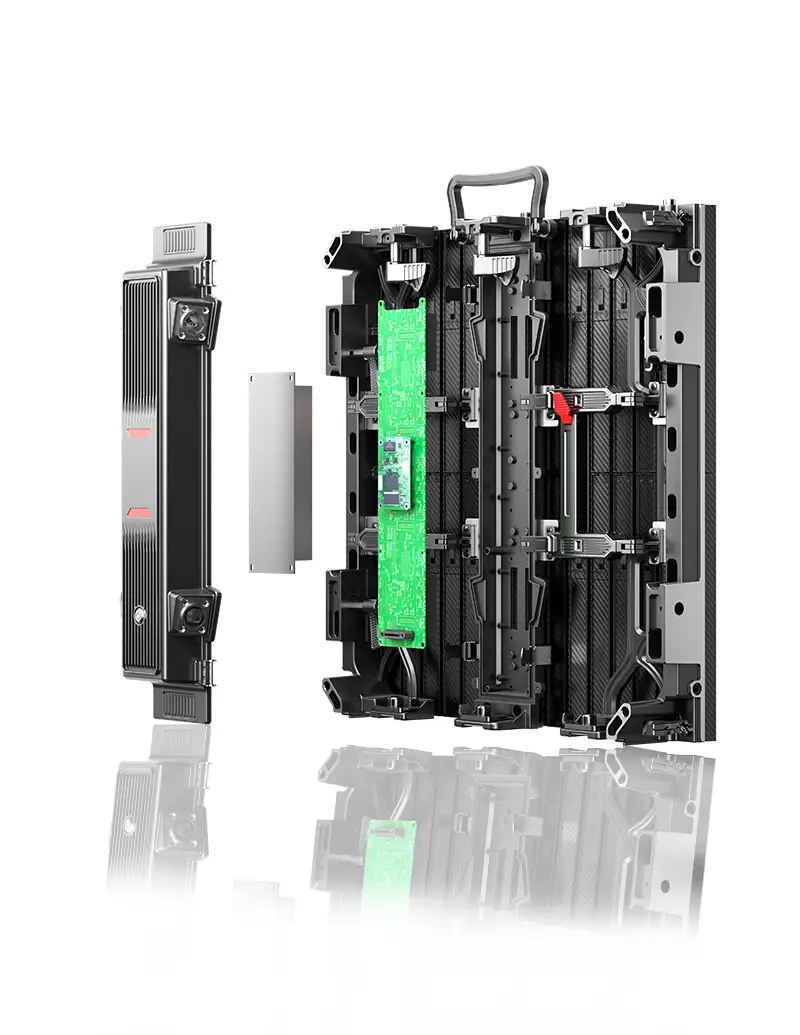

ملكنا
إنجاز
حقائقنا الممتعة
الاحترافية تخلق قيمة، والجودة تبني العلامة التجارية

البلد المُصدِّر
0+
الطاقة الإنتاجية الشهرية
0م
عميل سعيد
0+
ملكنا
قضية
قضية
تُعدّ محفظة أعمالنا دليلاً على التزامنا الراسخ بالتميز في تصميم وتصنيع الأثاث. فكل مشروع، سواء كان مساحة سكنية مريحة، أو مؤسسة تجارية نابضة بالحياة، أو فيلا فاخرة، يُعالج بمزيج من الإبداع والعملية والاستدامة.
- أحدث المنتجات
منتجات
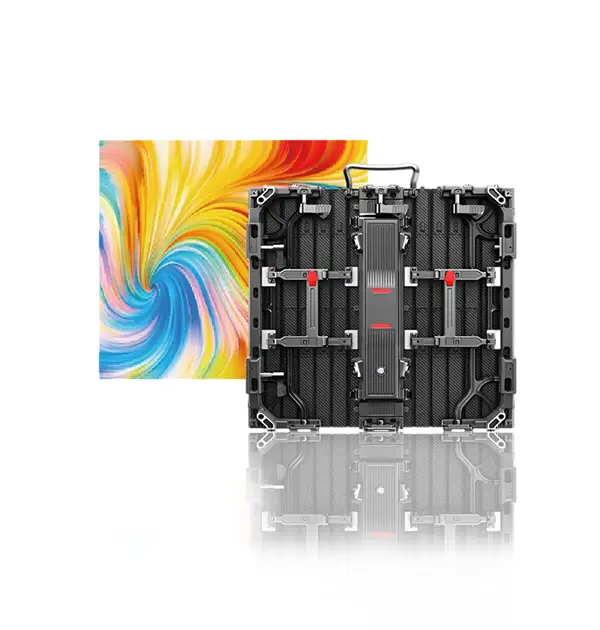
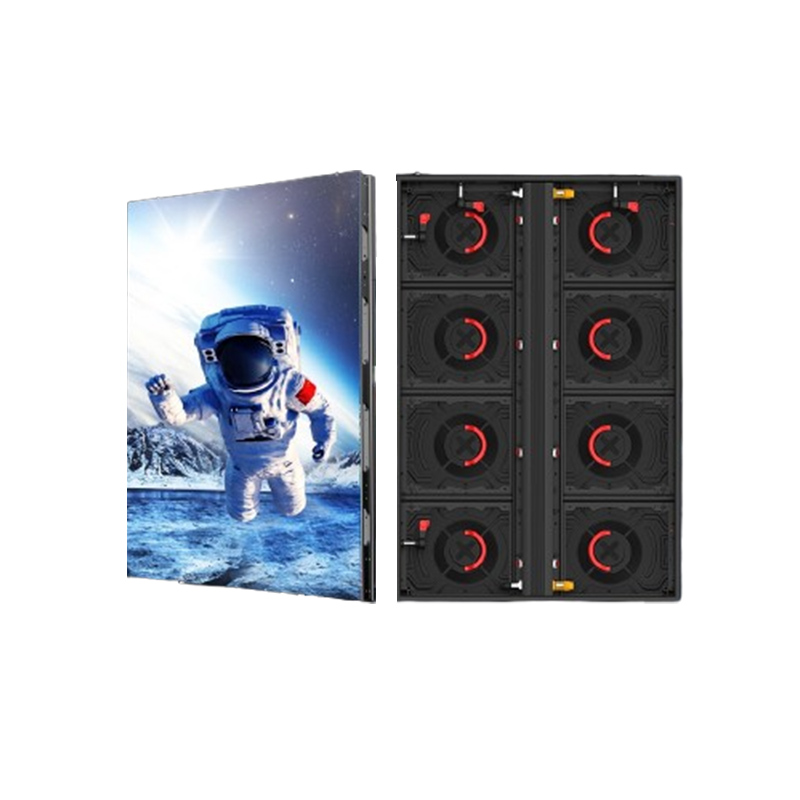
سلسلة Outdoor 960×9
تتميز الخزائن المصنوعة من قطاعات الألمنيوم بخفة وزنها، مما يوفر تكاليف النقل والتركيب.
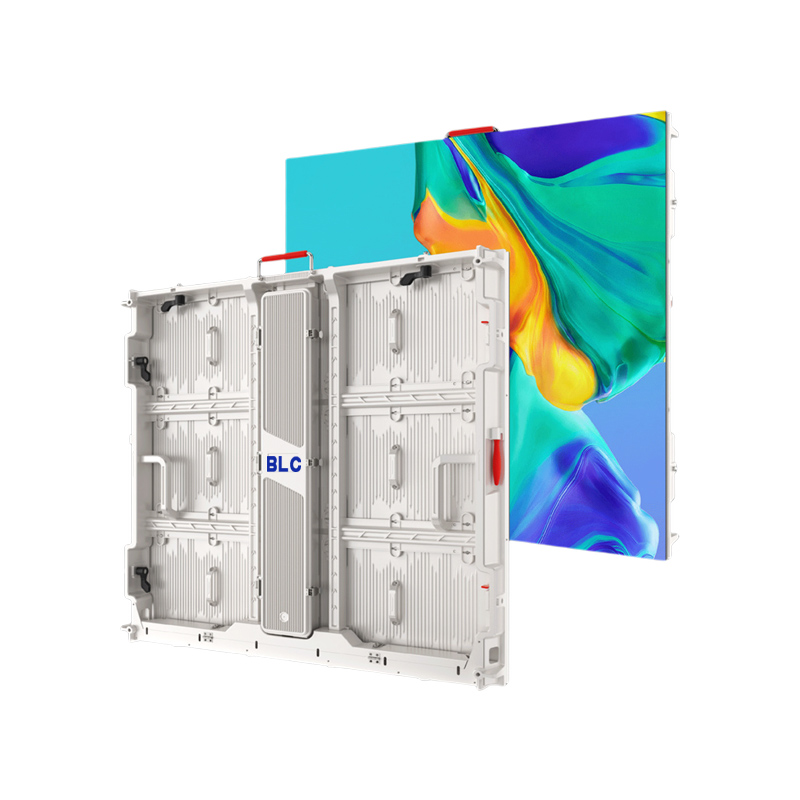
سلسلة ES الخارجية 800×900
تتميز الخزائن المصنوعة من قطاعات الألمنيوم بخفة وزنها، مما يوفر تكاليف النقل والتركيب.
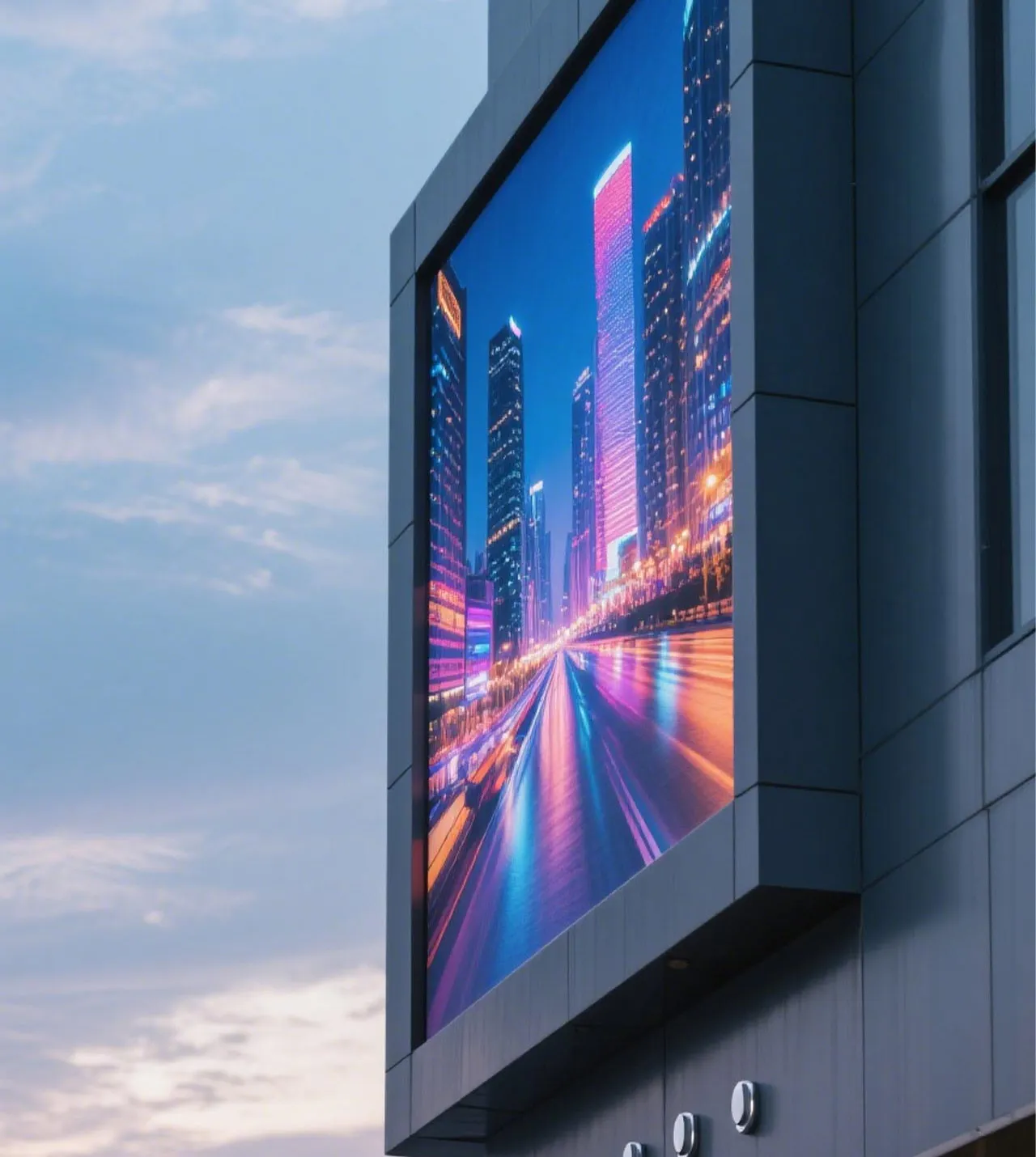
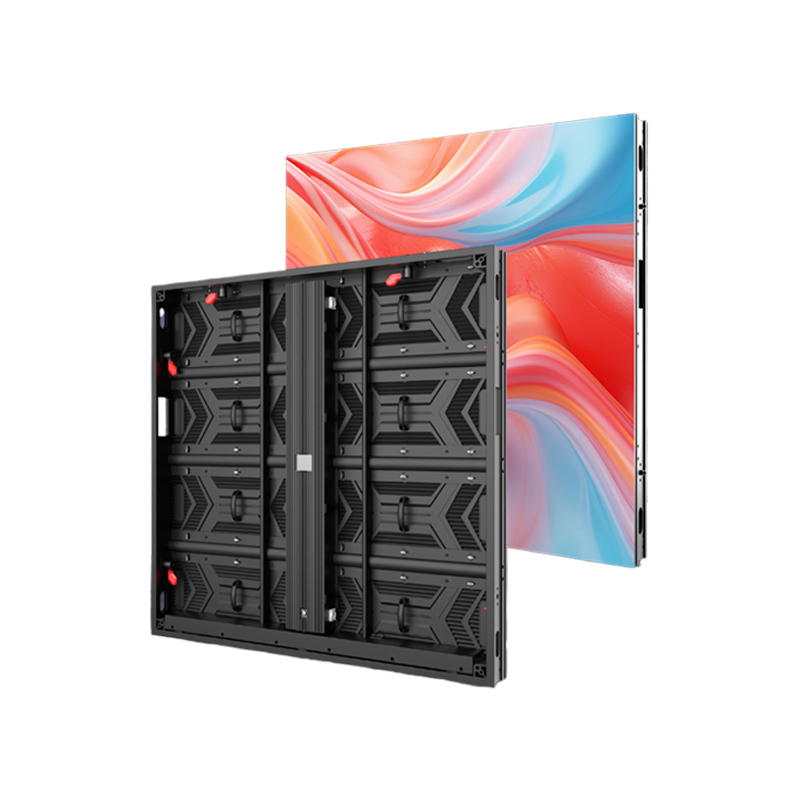
سلسلة BDW الخارجية 960×960
تتميز قطاعات الألمنيوم والخزائن البلاستيكية بخفة وزنها، مما يقلل من تكاليف النقل والتركيب.
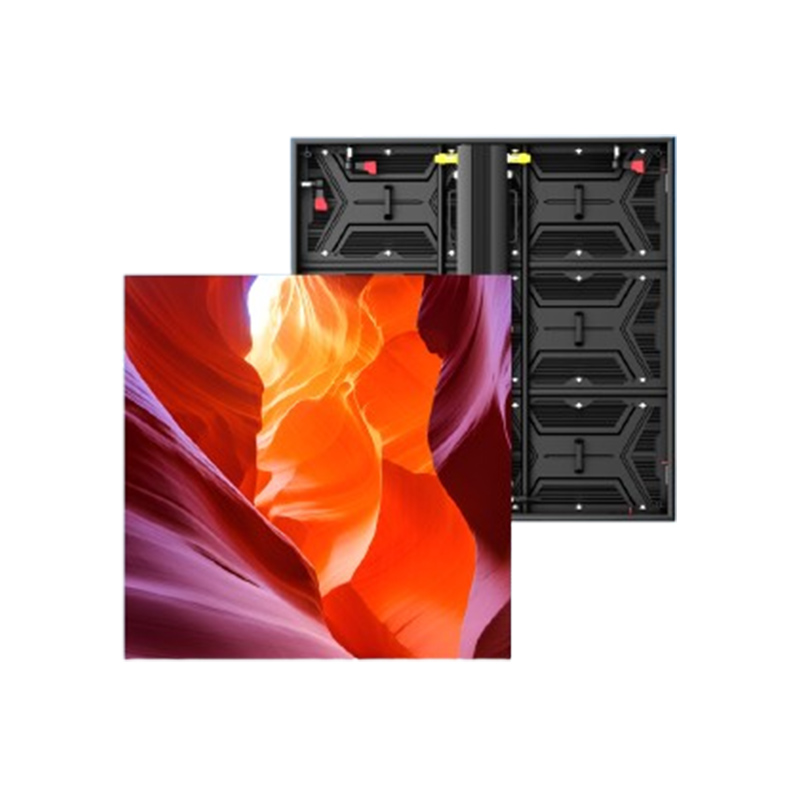
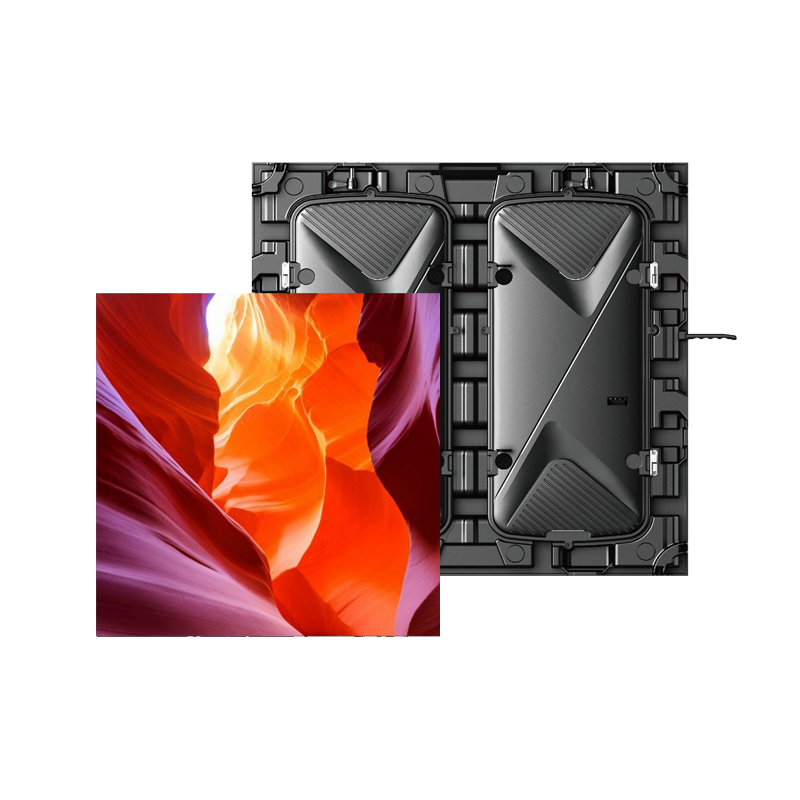
سلسلة BDD الخارجية 1000×1000
معدل تحديث عالٍ، وتباين عالٍ، وتدرج رمادي عالٍ، مما ينتج عنه شاشة أكثر واقعية ودقة بألوان نابضة بالحياة ومشبعة.
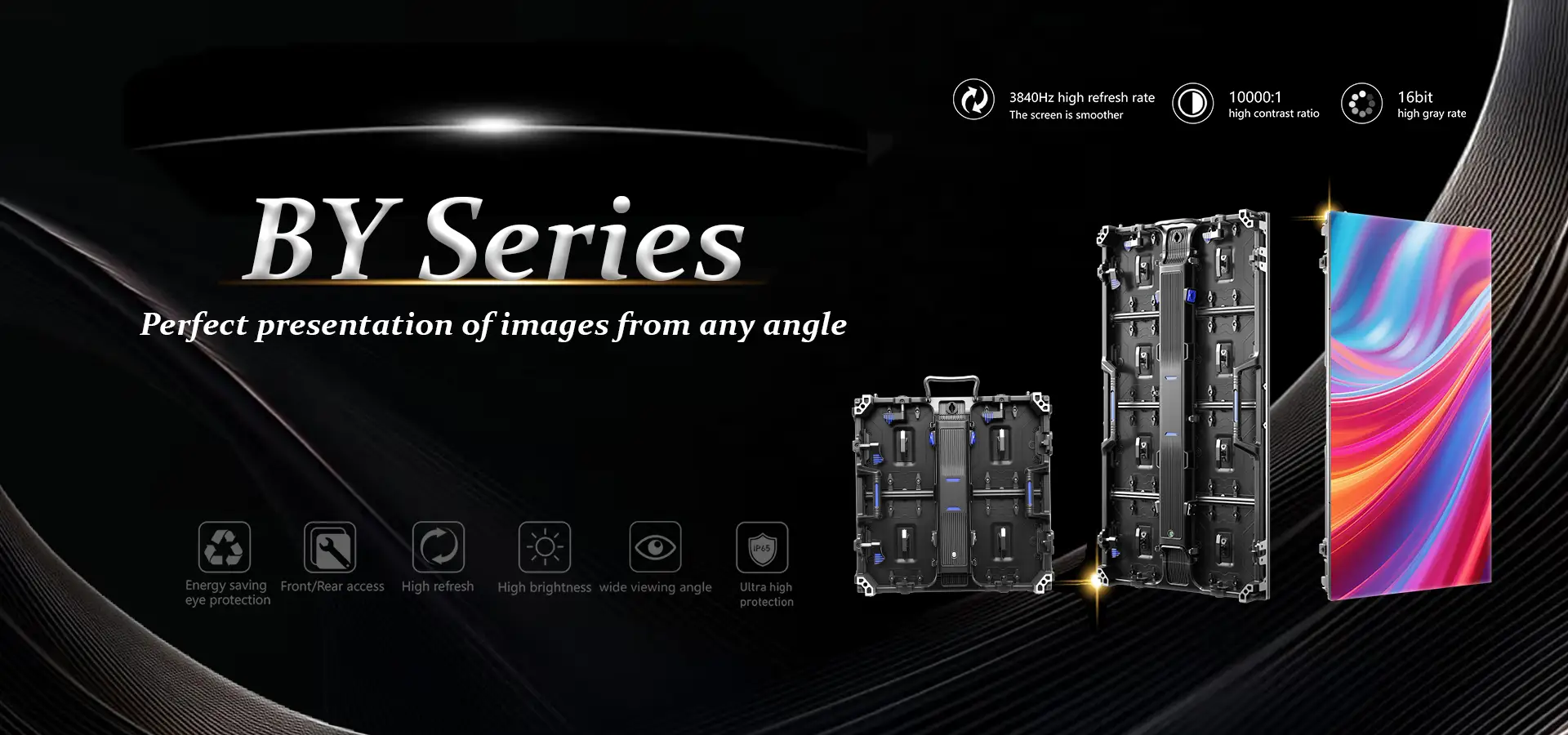
سلسلة BY الخارجية 960×960
تتميز الخزائن المصنوعة من قطاعات الألمنيوم بخفة وزنها، مما يوفر تكاليف النقل والتركيب.
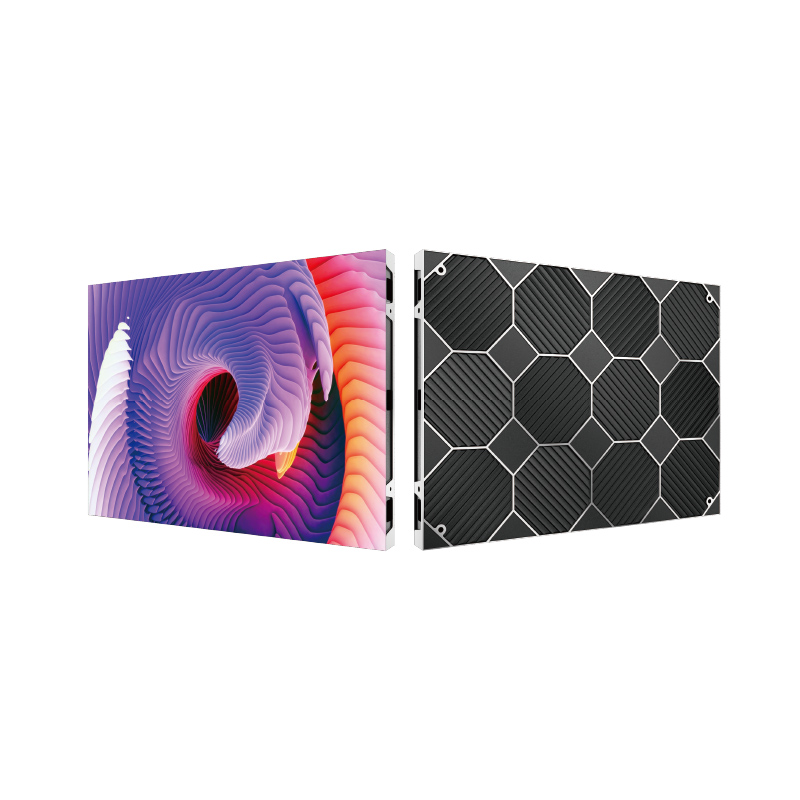
سلسلة BT الداخلية 640×480 صلبة
قوي ومستقر، عالي الدقة، يدعم النسخ الاحتياطي للنظام، تصميم اتصال سلكي كامل لسلسلة HUB.
التعليمات
التعليمات
يُجيب هذا القسم على الأسئلة الشائعة حول منتجاتنا وخدماتنا وسياساتنا المتعلقة بشاشات LED. كما يُساعدك على إيجاد المعلومات بسرعة دون الحاجة إلى الاتصال بخدمة العملاء.
فريق A1.BLC هو شركة مصنعة لشاشات LED تأسست عام 2017. 。
يتم توفير ضمان لمدة عامين، مع خدمات إصلاح مجانية خلال فترة الضمان.
نعم. حصلت منتجات شاشات LED الخاصة بفريق BLC على شهادة نظام إدارة الجودة ISO 9001 وتتوافق مع المعايير الدولية CE و RoHS و FCC.
نعم. تدعم شركة BLC العلامات التجارية الخاصة لمصنعي المعدات الأصلية وتوفر خدمات متكاملة من التصميم إلى الإنتاج الضخم.
يتخصص فريق BLC في تطبيقات وتطوير شاشات LED. ويشمل ذلك شاشات LED للإيجار، وشاشات LED الإعلانية الخارجية، وشاشات LED الداخلية الثابتة، وشاشات LED لعرض الملصقات، وغيرها.
25
سنين خبرة
أكثر من مليوني عميل موثوق بهم حول العالم



















اتصل بنا
مقالات المدونة الحديثة
مقالات حديثة
هل تحتاج إلى حلول لشاشات LED أو لديك استفسارات؟ تواصل معنا!
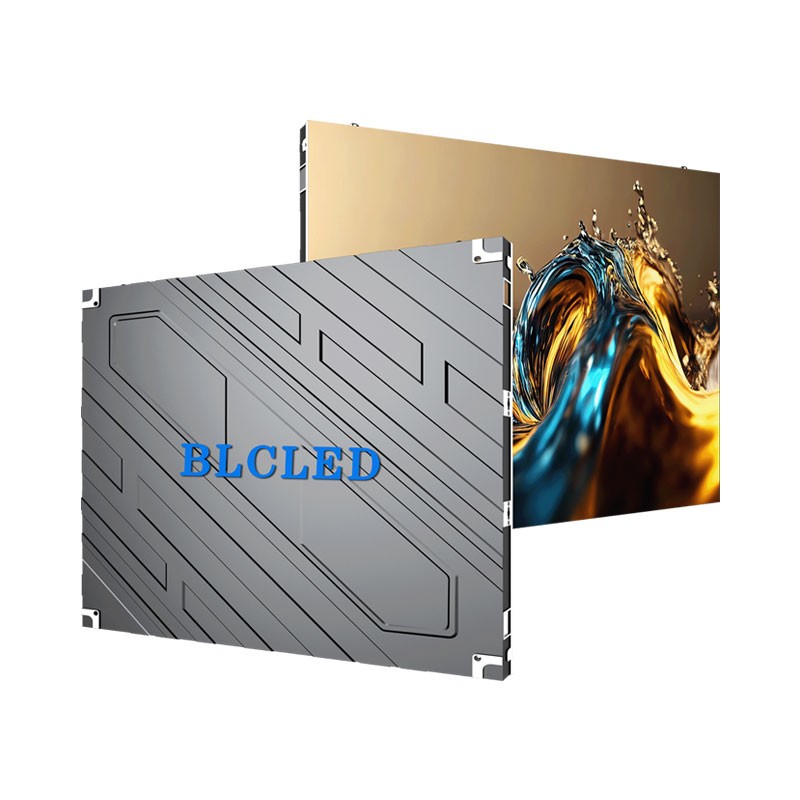
HD, FHD, UHD and 4K: What LED Screen Buyers Need to Know
30
أكتوبر
Check the wall before approving the file. A designer can send you UHD artwork, yet your advertising screen or rental backdrop may have nowhere near enough LEDs to show every pixel. Compare the file dimensions against the wall’s native pixel count at this point. Do both match? That question is more useful than a ‘4K’ label when your team has to decide whether small lettering will survive playback.
What the resolution labels actually describe
Resolution describes picture elements across an image and down its height. The two numbers belong together. A screen described only as “4K wide” may have enough horizontal pixels but lack the height required for a complete UHD image.
We use the following 16:9 formats as reference points. Multiply width by height, and UHD yields four times the pixel count of FHD. Will your audience see the difference? We’d check the content and viewing distance before assuming so.
Format
Width × height in pixels
Total pixels
HD (720p)
1280 × 720
921,600
FHD (1080p)
1920 × 1080
2,073,600
UHD (2160p)
3840 × 2160
8,294,400
The term 4K needs a little care. For a television-style signage canvas, we’d normally read ‘4K’ as 3840 × 2160. A cinema canvas can be 4096 × 2160; it has extra width. We would write the actual dimensions into a content brief rather than leave a production team guessing what “4K” means.
How pixel pitch determines the physical wall
We measure pitch in millimetres, from one pixel’s centre to the next. Reduce that spacing, and we can either fit extra pixels across your wall or build the same pixel canvas in less space. This is why choosing a fine pitch LED display involves both the available wall space and the required image dimensions.
Consider our BLC LED BN Series P1.25 configuration. Its 320 × 160 mm module gives us 256 × 128 pixels. Check the horizontal count: 320 ÷ 1.25 = 256. That gives your design team a checkable module width before any cabinets are combined.
On paper, we get a 4800 × 2700 mm canvas by multiplying 3840 × 2160 pixels by a 1.25 mm pitch. That is a geometric calculation, not an available cabinet arrangement. Real cabinets contain whole modules, so a proposed build must be checked against the actual cabinet matrix. If we round the wall dimensions to suit your venue, we have to recalculate its pixel canvas too.
Why a 4K input can still look soft
The input specification describes what the processor can receive. Native resolution describes the physical pixels on the finished screen. The processor receives the file before it reaches the LED wall. Accepting more input pixels leaves the physical LED count unchanged.
When we downscale a file, we compress a larger source image into fewer wall pixels. Resizing may leave a broad block of colour recognisable yet merge the strokes in small text. Those two results can occur in the same frame. Try the price list as well as the promotional video. A good-looking moving picture tells your team little about the smallest lettering.
With upscaling, we spread a smaller source over a larger output canvas. The picture gets bigger. The source still sets the limit on the original detail available to show. We’d open the logo file, too. Compression damage won’t necessarily change its stated width of 1920 pixels.
For your outdoor LED video screen, we also need the audience position and lighting conditions. The pixel count tells us neither of these. Use the plaza headline for a distant audience test and the schedule for a close reading test. The screen has to serve the actual reading task.
What happens when the backdrop isn’t 16:9
An LED wall can have proportions that differ from standard video. Suppose we have a 3000 × 1000 pixel stage canvas—an illustrative 3:1 layout. Your complete 16:9 picture won’t fill it unchanged. Your operator has to leave borders, cut away image areas or alter the proportions.
Keeping the full image preserves the composition but leaves borders. If we enlarge the picture until it fills the backdrop, some of the image falls outside the canvas. If we stretch it instead, we keep the image areas but change the shapes: a round logo becomes oval, for instance. None of these choices is a resolution upgrade.
For LED display screen rental, we recommend agreeing the final pixel canvas before creating the show graphics. We’d check each sponsor mark against the crop boundary before signing off. Is a logo sitting near an edge? Move it into the visible area. Where the layout allows, we’d give your designer the wide canvas dimensions and have the artwork composed for that shape.
A useful content check before approval
An approval test should use the content your audience needs to read. Send a sample containing the smallest planned text, the actual logo artwork and a representative moving sequence. Review it on the proposed pixel canvas, then check the display from the intended audience positions when a demonstration is available.
Record the source dimensions, native wall dimensions and scaling choice together. This gives your content team a repeatable brief if the installation changes or the rental layout grows. A file called “final-4K” cannot provide that information.
The resolution decision that matters
The useful question is whether the complete image reaches the audience clearly on the wall you can build. We’d settle the wall dimensions and audience position before commissioning the finished artwork. Your designer then has an actual pixel canvas to work with. Put that width and height in the handover brief; ‘HD’ or ‘4K’ alone leaves too much open to interpretation.
FAQ
Does UHD always mean 3840 × 2160?
That’s the format we mean here. We’d write 3840 × 2160 in your brief, since the broader UHD family includes higher resolutions.
Is a screen with 3840 horizontal pixels automatically 4K UHD?
We need the height as well: 2160 pixels. Your ribbon display could have all 3840 horizontal pixels and still be too short to show the complete UHD canvas without resizing it.
Can a Full HD wall play a UHD video?
Yes, provided your player and processor accept that UHD signal and resize it for the wall. The wall still displays its native number of pixels.
Does a smaller pixel pitch always justify the extra cost?
We wouldn’t choose pitch on the label alone. Dense text read nearby can justify pixels that add little to a large image viewed from across a venue. We would check your smallest text from the intended audience position before spending more on a finer pitch.
Does 4K specify refresh rate?
No. We use resolution to describe the pixel grid and refresh rate to describe how often the display updates. For your filmed event, we’d test the screen with the intended camera settings. A 4K label doesn’t answer that question.
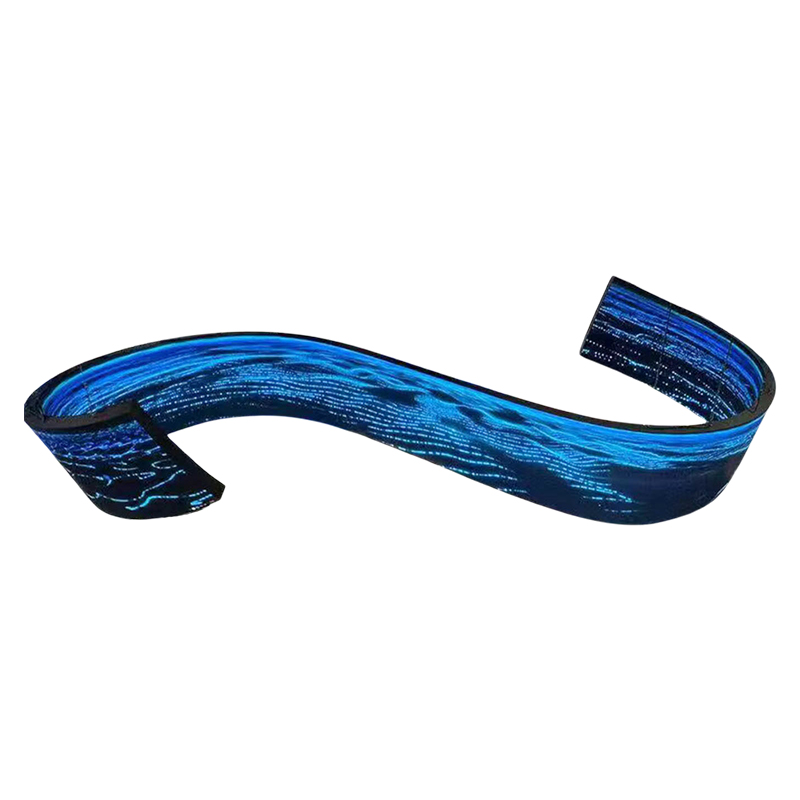
How to Source Custom Shaped LED Screens from OEMs
22
أكتوبر
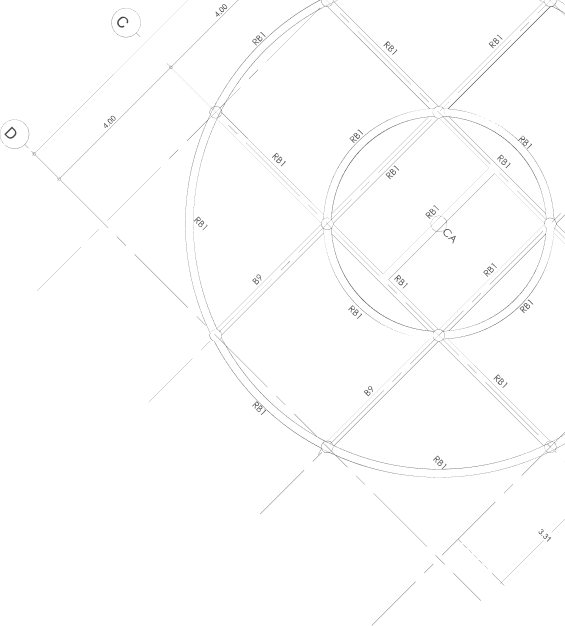
A creative display can look convincing in a rendering and still fail when the geometry reaches the factory floor. For distributors, integrators, and advertising contractors, the real question is whether an OEM can convert a shape into controlled drawings, repeatable modules, a serviceable structure, and test evidence. The review must follow that work from concept approval to shipment.
Shape Changes What the Supplier Must Control
A custom shaped LED screen is a geometry project as much as a display purchase. A sphere, ring, cube, counter, or flowing curve changes module boundaries, frame tolerances, cable routes, viewing directions, and access for repair. The supplier must show how those decisions work together in the quoted form.
Portfolio images do not prove that a factory can reproduce your dimensions. Ask which parts use standard modules, which require custom metalwork or tooling, and which tolerances control the seams. That distinction exposes where schedule, cost, and quality risk sit.
A Controlled Design Brief Makes Quotations Comparable
A controlled brief gives every bidder the same problem. Include dimensioned drawings, indoor or outdoor use, viewing positions, active display surfaces, mounting points, weight limits, service clearance, content source, and destination-market requirements. A reference image communicates intent, but it cannot replace dimensions and interfaces.
Content belongs in the brief because a non-rectangular canvas changes where text and logos remain visible. Request a pixel map before approval. A sphere needs a different safe area from a disc, while a cube must explain how content crosses edges or changes between faces.
Approved geometry and active display area
Module, cabinet, frame, and mounting interfaces
Power, data, controller, and content-mapping scope
Service route, spare parts, packing, and installation sequence
Engineering Evidence Matters More Than a Sales Label
A credible LED display screen manufacturer can explain the path from drawing review to production release. For a custom form, that path should include revision control, structural responsibility, a bill of materials, and written approval points. If the supplier cannot identify the current configuration, later test reports may describe another product.
Factory ownership is useful only when it improves control. BLC LED integrates research and development, production, sales, and service, and it supports custom dimensions and shapes including arcs, circles, spheres, and cube forms. The company also offers OEM private labeling. Those capabilities make it relevant to the project, but buyers should still verify the exact engineering scope attached to their order.
The First Full Assembly Is the Most Useful Sample
A small module sample can confirm color and surface quality, yet it cannot reveal whether an unusual structure closes accurately. The decisive sample is a prototype or first full assembly built from the released drawings. Review it from the intended viewing angles and with the real content map before authorizing volume production.
The review should reproduce tight radii, corners, seams, suspended interfaces, access panels, and cable transitions. Record measurements, photos, controller files, and approved deviations. If the display will be disassembled for shipping, require a reassembly trial using the labels and instructions provided to the site team.
Project risk
Evidence before production release
Shape or seam mismatch
Approved drawings, dimensions, tolerances, and full assembly photos
Content distortion
Final pixel map tested with representative media
Blocked maintenance
Recorded removal and replacement of a serviceable part
Site reassembly errors
Numbered components, packing map, and installation sequence
Quality and Compliance Records Must Match the Build
Quality evidence becomes useful when it identifies the order, revision, and result. BLC LED documents incoming, in-process, and finished-product checks, followed by a 72-hour burn-in process. Buyers should connect those controls to the approved assembly and retain the inspection record with the configuration files.
Certificates also need careful reading. ISO 9001 certification concerns a quality management system; it is not automatic product approval. For European sales, CE marking places conformity-assessment, technical-documentation, and declaration responsibilities on the manufacturer. Ask for the applicable declaration and supporting documents for the exact supplied configuration rather than accepting a logo on a brochure.
Price and After-Sales Support Belong in One Scope
A LED display screen supplier quotation is comparable only when inclusions are visible. Separate display hardware, custom structure, tooling, controllers, spares, packing, documentation, commissioning, and on-site work. A lower total may omit the engineering or service items that make the shape usable.
After-sales planning should begin before shipment because custom parts may not match standard stock. Identify unique modules, power units, receiving cards, frame sections, and tools; then agree on spares, file backups, response channels, and repair responsibility. BLC LED provides 24/7 remote technical support, which buyers can test with one factory fault-and-recovery exercise.
Commercial approval should compare the same service scenario. Price one expected repair, check whether the technician can reach the part, and confirm who supplies a replacement matching the approved geometry and calibration. This gives price, quality, and support a common basis.
A Defensible OEM Choice Follows the Evidence Chain
The strongest OEM choice keeps one traceable chain from the design brief to the approved drawing, full assembly, inspection record, packing plan, and service file. That chain turns a creative concept into a repeatable product. Buyers can approve the shape because its engineering and support are visible, not because the presentation looks persuasive.
Share the intended shape, drawings, viewing conditions, installation method, destination market, and service constraints through the project contact page. BLC LED can use that brief to define the suitable custom-display path and the evidence needed before production.
FAQ
What Files Should I Send for an OEM Creative LED Display Quote?
Send dimensioned drawings, a reference rendering, active display areas, mounting points, viewing distances, indoor or outdoor conditions, service clearance, content format, destination market, and delivery scope. Label the current revision so every bidder prices the same design.
Is a Product Sample Enough for a Custom Shape?
A module sample can show image quality, but it cannot confirm completed geometry. Approve a prototype or first full assembly with the difficult curves, seams, interfaces, content map, and service route before production.
How Can Buyers Verify That the Factory Built the Screen?
Request a factory review tied to the order number, drawing revision, bill of materials, assembly stage, and inspection record. The evidence should identify your configuration rather than an unrelated production line.
Which Quality Records Matter for a Creative LED Display?
Useful records include incoming checks, in-process inspection, seam measurements, image tests, burn-in results, controller files, approved deviations, packing verification, and final acceptance. Each record should identify the exact order and configuration.
What Should an OEM After-Sales Plan Cover?
The plan should identify unique parts, spares, configuration backups, diagnostic steps, response channels, warranty scope, repair responsibility, and replacement lead times. It should show how a technician replaces parts without damaging the structure.
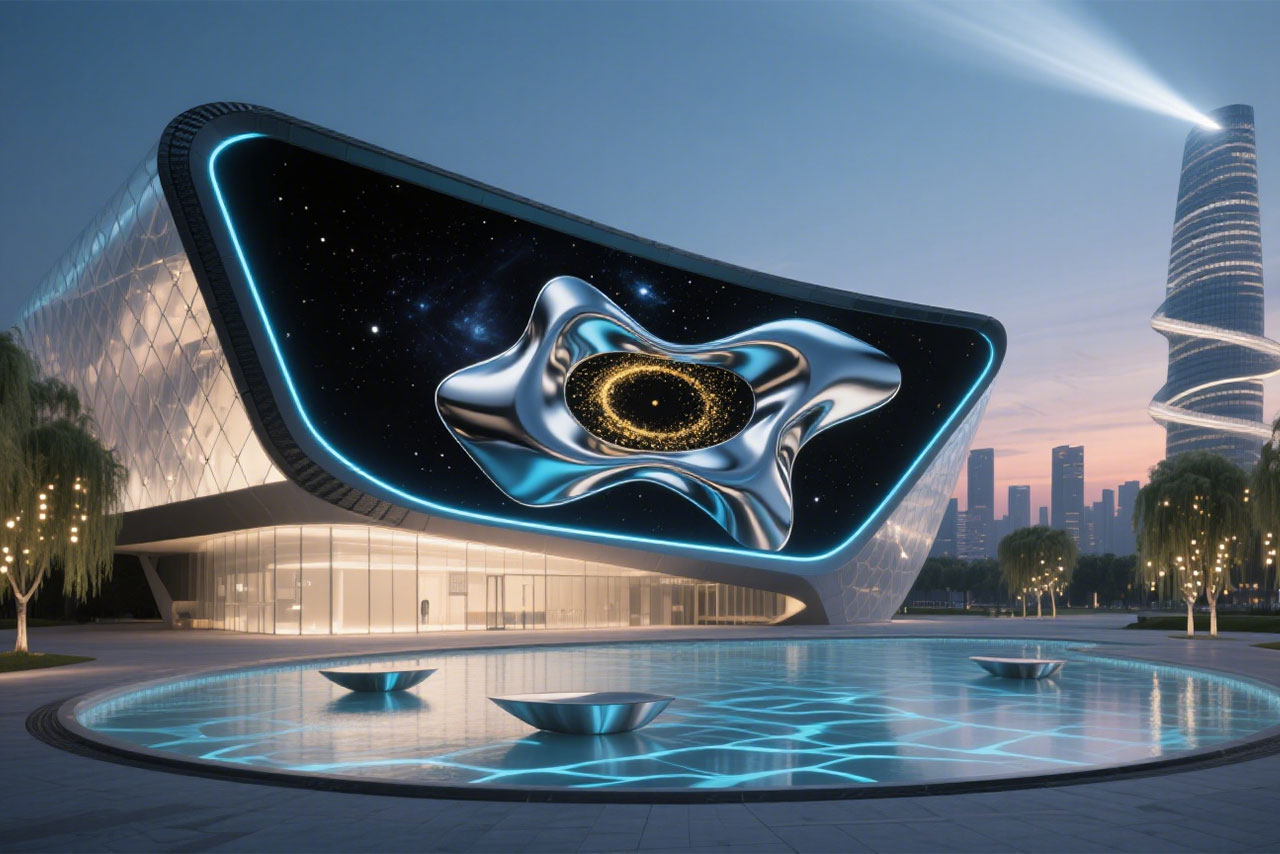
ما وراء الأجهزة: حلول متكاملة لجدران الفيديو بتقنية LED للإعلانات الخارجية الرقمية
14
أكتوبر
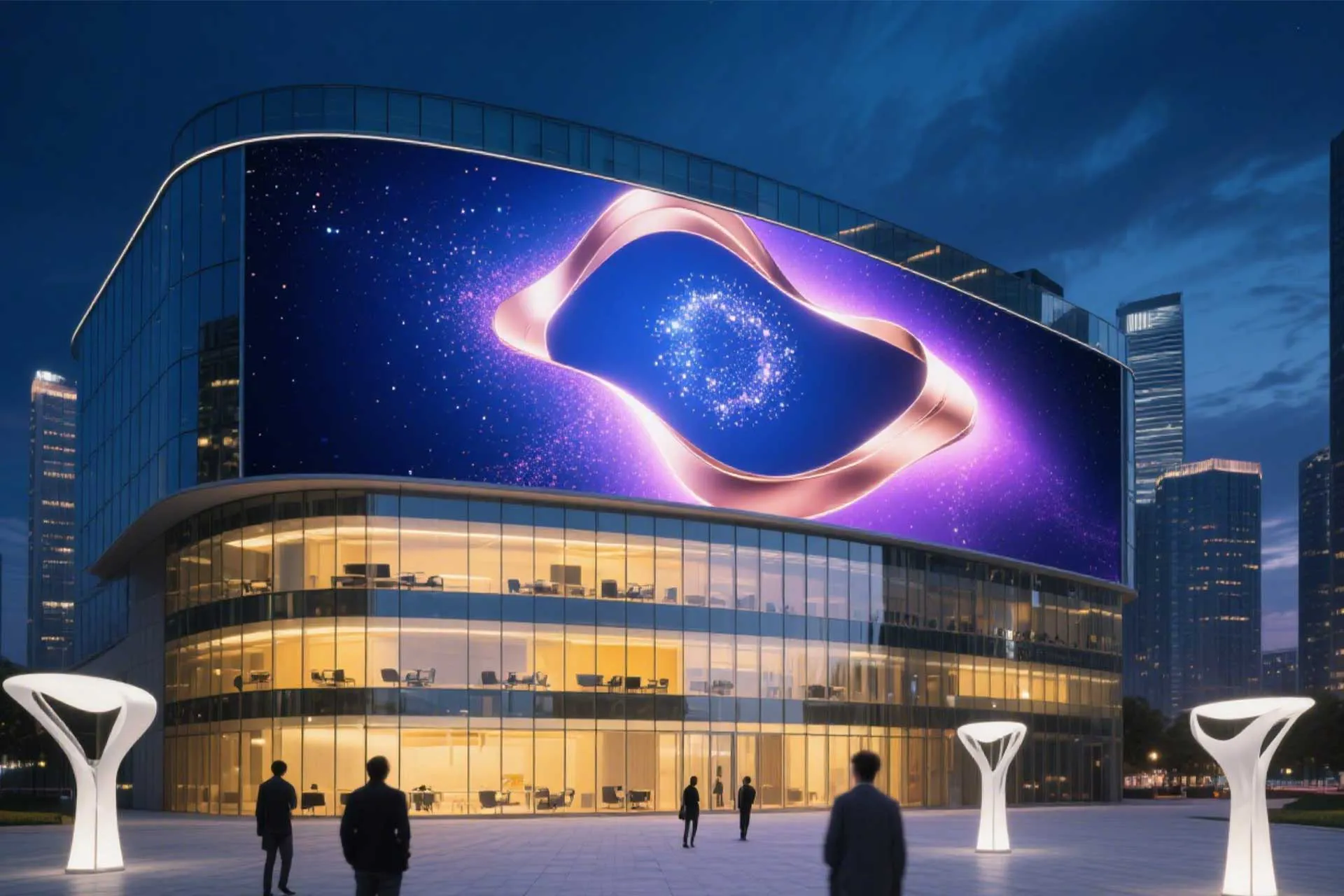
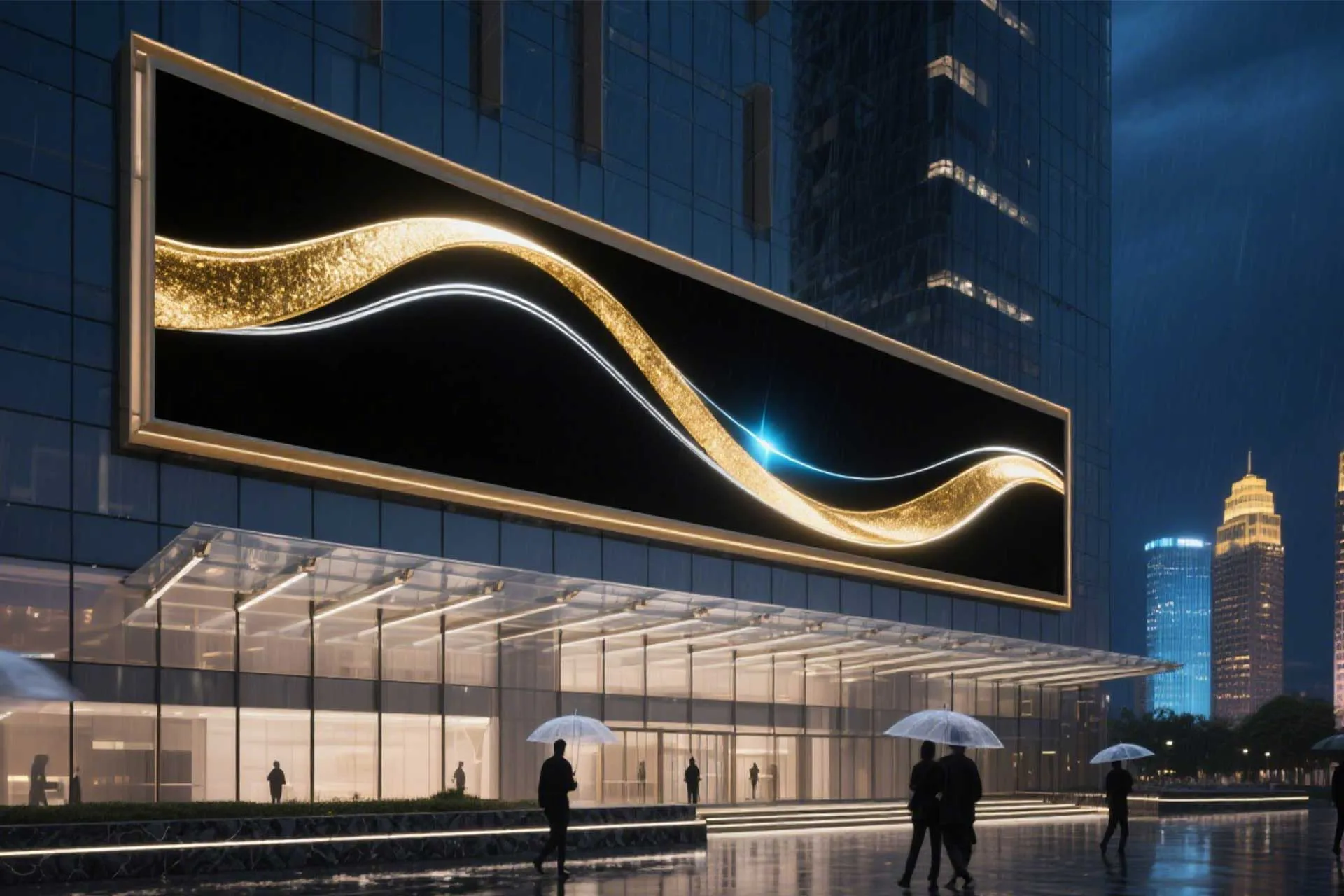
إذا طلبت من مُعلن إعلانات رقمية خارجية تخصيص ميزانية لشاشة عرض خارجية، فسيكون أول رقم يتبادر إلى ذهنه هو سعر اللوحة. لكن هذه ليست نقطة البداية الصحيحة. فنجاح الموقع الإعلاني يعتمد على البنية التحتية التي تدعمه، والقوة الدافعة وراءه، والنظام الذي يجذب المصممين إليه، والجهة المسؤولة عن إصلاحه عند تعطل أحد مكوناته.
عند النظر إلى الحلول المتكاملة بشكل منفصل، يصبح من الأسهل بكثير مقارنتها من حيث الجوهر بدلاً من مقارنتها بناءً على رقم سطوع واحد.
طبقة اللوحة
شاشة عرض الفيديو LED الخارجية قابلة للتركيب، ولا تتأثر اللوحة نفسها بظروف الطقس في مكان تثبيتها. قد يختلف عمر شاشتي عرض LED خارجيتين بنفس دقة البكسل اختلافًا كبيرًا، إحداهما على سطح مبنى ساحلي مالح والأخرى مثبتة على جدار واجهة مركز تجاري. يظهر هذا الاختلاف في كل ما صُمم حول الزجاج.
هذا هو السبب الرئيسي لوجود خدمات التوريد المتكاملة. بمجرد تسليم اللوحات، يصبح كل من الهيكل والطاقة وتدفق المحتوى والصيانة مشكلة منفصلة، وعادةً ما تتوزع على عدة موردين. عندما يعتمد الدخل على استمرارية التشغيل، يتحول هذا التوزيع بهدوء إلى أموال حقيقية.
تحديد حجم اللوحة بما يتناسب مع الموقع
تُعدّ دقة البكسل أول قرار حقيقي، لأنها تحدد مدى وضوح الصورة من أي مسافة، وهو ما يعكس حركة المرور الفعلية للموقع. فزاوية يقف فيها الناس على بُعد أمتار قليلة تتطلب دقة بكسل أعلى من جسر طريق سريع حيث يقف المشاهد على بُعد ثلاثين متراً ويتحرك بسرعة، لذا فإن اختيار دقة البكسل هو في الواقع اختيار للموقع نفسه.
شاشة LED خارجية بدقة P3.91 مناسبة للمشاهدة عن قرب في المناطق الحضرية المزدحمة. أما شاشة LED خارجية بدقة P10.42، فهي الخيار الأمثل للطرقات وللشاشات ذات المسافة البعيدة. تتميز الشاشات ذات الدقة العالية بزيادة عدد البكسلات في المتر المربع، مما يزيد من استهلاك الطاقة، كما يتطلب الأمر من هيكل الشاشة الحفاظ على سطوعها في مواجهة أشعة الشمس المباشرة.
دقة البكسل
كثافة البكسل (نقطة/م²)
السطوع النموذجي
أفضل مسافة للمشاهدة
مناسب للاستخدام الخارجي الرقمي
3.91 بيزو فلبيني
65,536
5500–10000 شمعة
4-100 متر
شارع حضري، ساحة
4.81
43,264
5500–10000 شمعة
5-100 متر
الطريق الرئيسي، المركز التجاري
6.25 بيزو
25600
6000–10000 شمعة
6-150 متر
الطريق الرئيسي
10.42 بيزو
9216
6000–10000 شمعة
10-200 متر
الطريق السريع، المدى الطويل
بمجرد تثبيت درجة الصوت والسطوع وحجم الخزانة، يتم تحديد أبعاد ووزن الهيكل، وتُستخدم هذه الأرقام مباشرة في تصميم الهيكل.
طبقة البنية والطاقة
جميع مكونات تثبيت الشاشة على المبنى موجودة هنا. عادةً ما تتطلب تركيبات أسطح المباني واللوحات الإعلانية خزائن خدمة خلفية، لأن الجزء الخلفي المفتوح يسمح بتهوية الحرارة ويوفر ممرًا آمنًا للفني. أما الواجهات المحكمة أو المغلقة فتتجه في الاتجاه المعاكس، نحو مدخل الخدمة الأمامي مع إمكانية إزالة الوحدات باستخدام مفتاح مغناطيسي أو مفتاح دوار.
تكمن ميزة الموردين الذين يعتمدون على المصانع في تصميم الهياكل حسب الطلب. فحمل الرياح، واتجاه التركيب، والمساحة الدقيقة تختلف من موقع لآخر، لذا نادراً ما يكون الصندوق القياسي مطابقاً للمواصفات المطلوبة.
الجانب الكهربائي لا يقل أهمية. فمجموعة إمداد وتوزيع الطاقة المتوافقة مع ذروة استهلاك الخزانة، والتي تعمل على نطاق واسع من مدخلات التيار المتردد 90-264 فولت، هي التي تسمح بنقل نفس الأجهزة بين البلدان دون الحاجة إلى إعادة توصيل الأسلاك.
طبقة التحكم في المحتوى
نظام التحكم هو العنصر الذي يتوسع مع الشبكة. شاشة واحدة تكفيها مشغل محلي. أما المعلن الذي يدير ثلاثين موقعًا فلا يستطيع ذلك، ويحتاج إلى جدولة مركزية: مكان واحد لنشر الحملة في كل مكان، وتغيير التصميم الإبداعي في ساعة محددة، والتأكد من تنفيذ التغيير بالفعل.
يُتيح التشغيل عن بُعد عبر السحابة تحويل محفظة إعلانية متفرقة إلى أصل واحد يُمكن لفريق العمليات إدارته دون الحاجة إلى فني في كل موقع، وتأتي حزمة الخدمات المتكاملة مزودةً بوحدة التحكم هذه كجزء من التسليم وليس كإضافة. يتم إعداد بطاقة الاستقبال وإعداد التشغيل أثناء عملية التشغيل، بحيث يتولى فريق المعلن إدارة سير عمل المحتوى منذ اليوم الأول.
الشهادات وخدمات ما بعد البيع
يضمن الامتثال واللوجستيات التزام الشبكة العابرة للحدود بالمواعيد، ولا تُعدّ الشهادات مجرد إضافة تسويقية لمنتج خارجي. إن شهادات إدارة الجودة ISO 9001 وISO 27001، بالإضافة إلى شهادات CE وRoHS وFCC، هي ما يجعل الأجهزة مقبولة في مختلف الأسواق.
إن تزويد أكثر من 110 دول يعني أن نفس عائلة الخزائن يجب أن تجتاز أنظمة مختلفة، وسلسلة التوريد من المصنع مباشرة تحافظ على الطاقة والتوزيع والتوثيق كوحدة واحدة بدلاً من ثلاثة موردين منفصلين.
خدمات ما بعد البيع هي الجانب الذي يُقلل المشترون من شأنه، لأنّ المشاكل التي تُؤدي إلى فشل شبكة الإعلانات الرقمية الخارجية (DOOH) هي فترات التوقف الطويلة وبطء الإصلاحات. يضمن ضمان لمدة عامين، مدعوم بمخزون قطع غيار يصل إلى خمسة آلاف قطعة جاهزة للاستبدال الفوري، استمرار عمل الشاشة بدلاً من توقفها عن العمل ريثما تصل قطعة غيار من مكان بعيد.
الحل الكامل عند التسليم
بجمع هذه العناصر، يصبح حل جدار الفيديو الرقمي الخارجي المتكامل بتقنية LED عبارة عن لوحة بحجم الموقع، وهيكل مخصص، ونظام طاقة متكامل، ووحدة تحكم مركزية للمحتوى، والشهادات والخدمات اللوجستية اللازمة لطرحه في السوق، بالإضافة إلى دعم ما بعد البيع. هذا ما يبحث عنه المشتري فعلاً.عندما يعرض أحدهم سعر شاشة، يعرض آخر سعر شبكة تشغيل.
بالنسبة للمعلنين الذين يبنون علاماتهم التجارية في أسواق متعددة، تكمن أهمية وجود شركة مصنعة مثل BLC في هذا التكامل. فبفضل مصنعها الخاص، يمكن تصميم الهيكل بما يتناسب مع كل موقع، ويمكن استخدام نفس الأجهزة في أسواق مختلفة، ويتولى فريق واحد مسؤول إدارة الشاشة من التركيب وحتى نهاية عمرها الافتراضي.
بعد إجراء مسح للموقع، تكون الخطوة التالية واضحة. قم بمطابقة الميل مع مسافة الرؤية، وقم بتحديد حجم الهيكل وفقًا للحمل، وتأكد من شروط التحكم وما بعد البيع قبل تقديم طلب الألواح.
التعليمات
ماذا تتضمن خدمة جدار الفيديو الخارجي بتقنية LED المتكاملة؟
يشمل ذلك اللوحة بحجم الموقع، والإطار الهيكلي المخصص وتوزيع الطاقة، ونظام التحكم في المحتوى، والشهادات والوثائق المطلوبة، وقطع الغيار وخدمات ما بعد البيع.
كيف أختار المسافة المناسبة بين البكسلات لموقع إعلاني رقمي خارجي (DOOH)؟
اضبط زاوية الرؤية بما يتناسب مع مسافة المشاهدة العادية. الزوايا الدقيقة، من حوالي 3.91 إلى 4.81، تناسب المواقع الحضرية القريبة ذات الحركة المرورية العالية؛ أما الزوايا الخشنة، من 6.25 فما فوق، فتناسب الطرق والمواقع ذات المسافة البعيدة.
هل تُعدّ خزائن الخدمة الأمامية والخلفية مهمة للتركيبات الخارجية؟
نعم. خزائن الخدمة الخلفية مناسبة للأسطح واللوحات الإعلانية ذات الممر الخلفي الآمن والتهوية الجيدة. أما خزائن الخدمة الأمامية فهي مناسبة للواجهات الضيقة أو المغلقة حيث يصعب الوصول إلى الجزء الخلفي. يعتمد الاختيار على التركيب الفعلي، وليس على الشاشة نفسها.
هل يمكن استخدام نفس أجهزة عرض LED الخارجية في مختلف البلدان؟
تعمل الخزائن الخارجية على نطاق واسع من مدخلات التيار المتردد (90-264 فولت) وتحمل شهادات CE وRoHS وFCC، مما يدعم إعادة استخدامها في مختلف الأسواق. وتضمن سلسلة التوريد المباشرة من المصنع اتساق الطاقة والتوزيع والوثائق بين المواقع.
لماذا تُعتبر خدمة ما بعد البيع جزءًا من القرار، وليست مجرد فكرة لاحقة؟
يُعدّ توقف الشبكة عن العمل السبب الرئيسي لخسارة إيراداتها. لذا، فإنّ وجود مخزون كافٍ من قطع الغيار، والاستجابة على مدار الساعة، وتحديد وقت استجابة سريع، كلها عوامل تضمن استمرار عمل الشاشة بين الحملات الإعلانية، وهو ما يحمي عائد الاستثمار لشبكة مصممة للعمل بشكل متواصل.