

Shenzhen BLC Technology Co., Ltd. ist ein nationales Hightech-Unternehmen, das die Produktion, den Vertrieb und den Service von Vollfarb-LED-Displays integriert und sich zum Ziel gesetzt hat, seinen Kunden umfassende LED-Produktlösungen anzubieten.

unser
Denken
Über uns
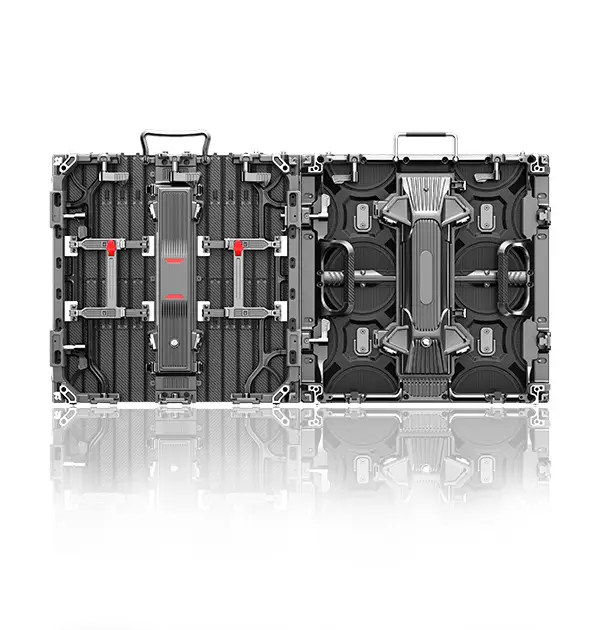
Everlight Technology orientiert sich stets an den Werten „Kunde zuerst, Leidenschaft und Verantwortung, Innovation und Fokus, Effizienz und Win-Win“, bietet seinen Kunden qualitativ hochwertige Produkte und Dienstleistungen, die dem Markt entsprechen, und hat sich zum Ziel gesetzt, ein führendes Unternehmen im Bereich der globalen LED-Displays zu werden.
Mehr erfahren

Langzeitgarantie
Regelmäßige Nachkontrollen und kostenlose Wartung sorgen dafür, dass der Bildschirm stets in einwandfreiem Zustand bleibt.
Bedarfsdiagnose
Ein professionelles Team führt eingehende Analysen durch und entwickelt maßgeschneiderte, exklusive Lösungen.
Branchenzertifizierung
ISO 9001/27001 Dual-System-Zertifizierung; internationale Zertifizierungen nach CE, RoHS und FCC
unser
Leistung
unsere lustigen Fakten
Professionalität schafft Wert, Qualität stärkt die Marke

Exportland
0+
Monatliche Produktionskapazität
0㎡
zufriedener Kunde
0+
unser
Fall
Fall
Unser Portfolio zeugt von unserem unerschütterlichen Engagement für höchste Qualität in Möbeldesign und -herstellung. Jedes Projekt, ob gemütliches Wohnambiente, belebtes Geschäftsgebäude oder luxuriöse Villa der Spitzenklasse, wird mit einer gelungenen Mischung aus Kreativität, Funktionalität und Nachhaltigkeit realisiert.
- neueste Produkte
Produkte
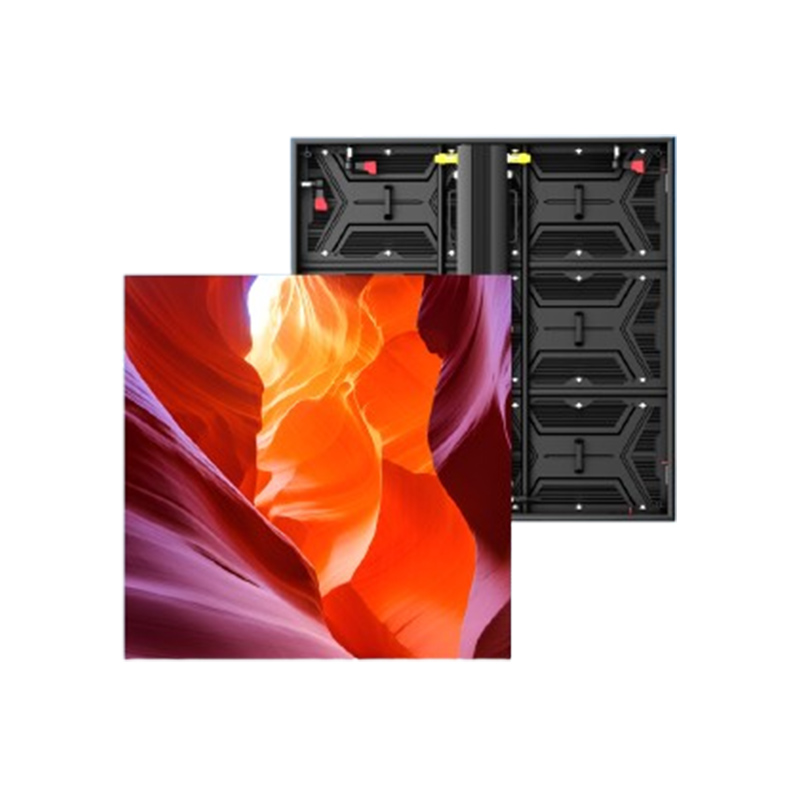
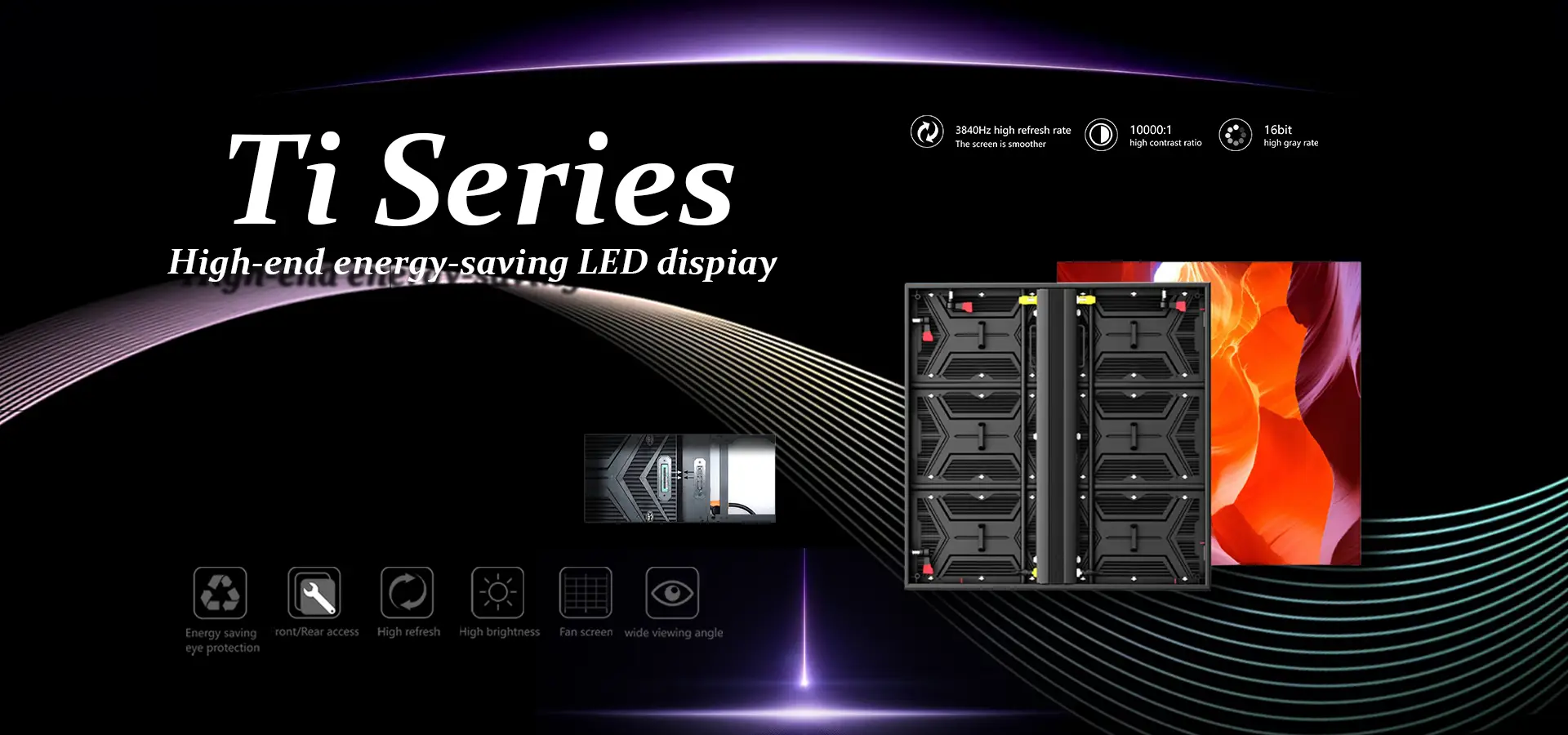
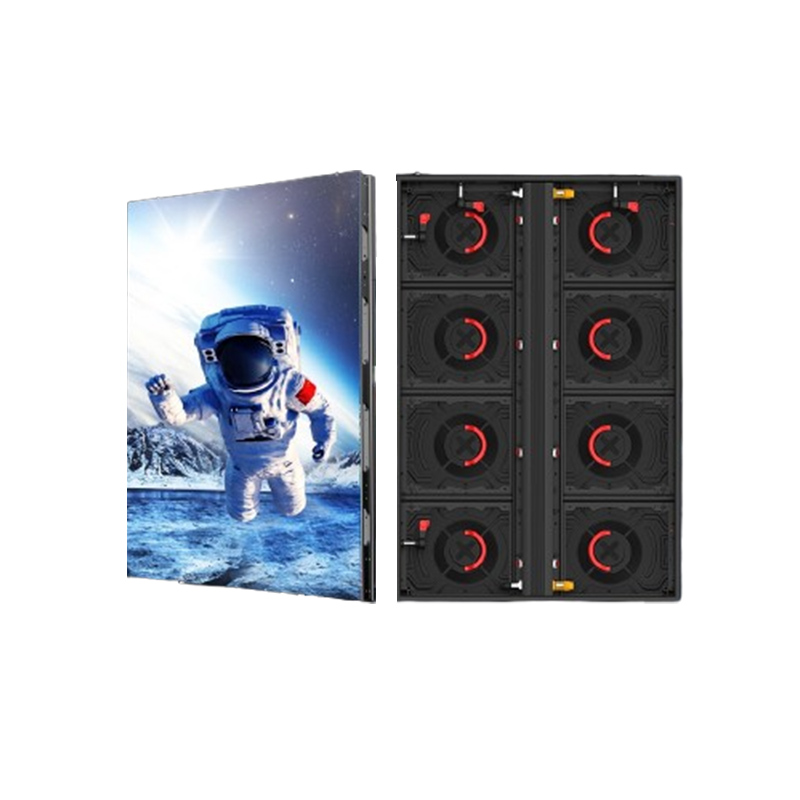
Outdoor Die Serie 960×9
Das Gehäuse aus Aluminiumprofilen ist leicht, was Transport- und Installationskosten spart.
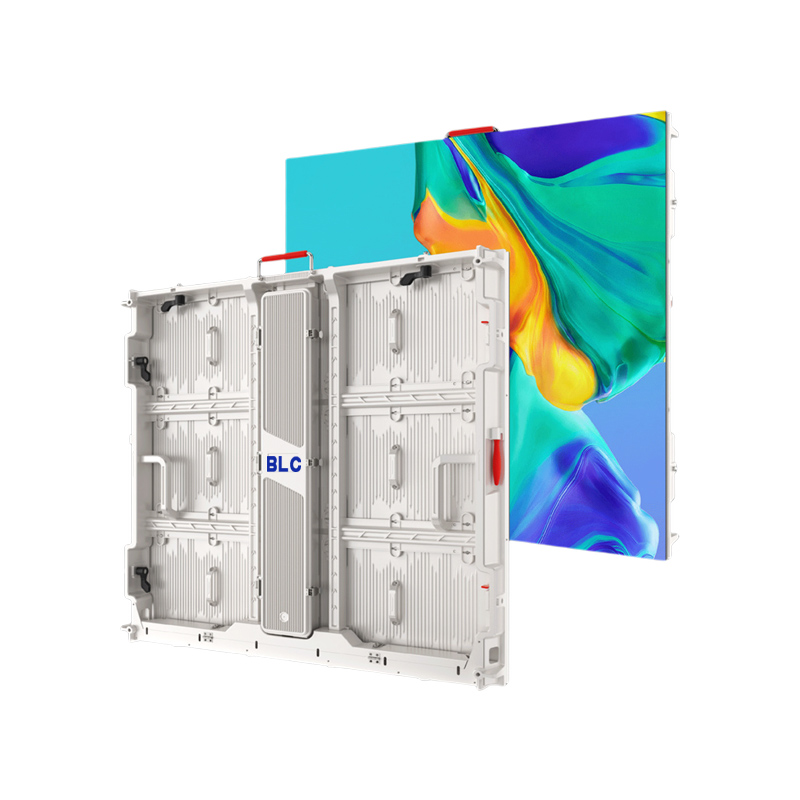
Outdoor ES Serie 800×900
Das Gehäuse aus Aluminiumprofilen ist leicht, was Transport- und Installationskosten spart.
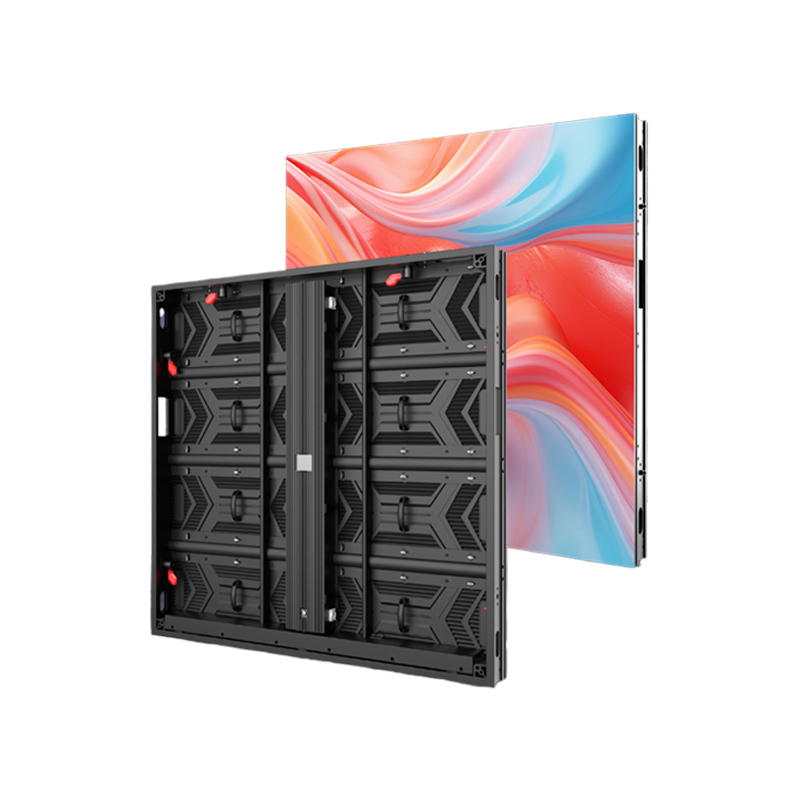
Outdoor BDW Serie 960×960
Aluminiumprofile und Kunststoffgehäuse sind leicht, wodurch Transport- und Installationskosten reduziert werden.
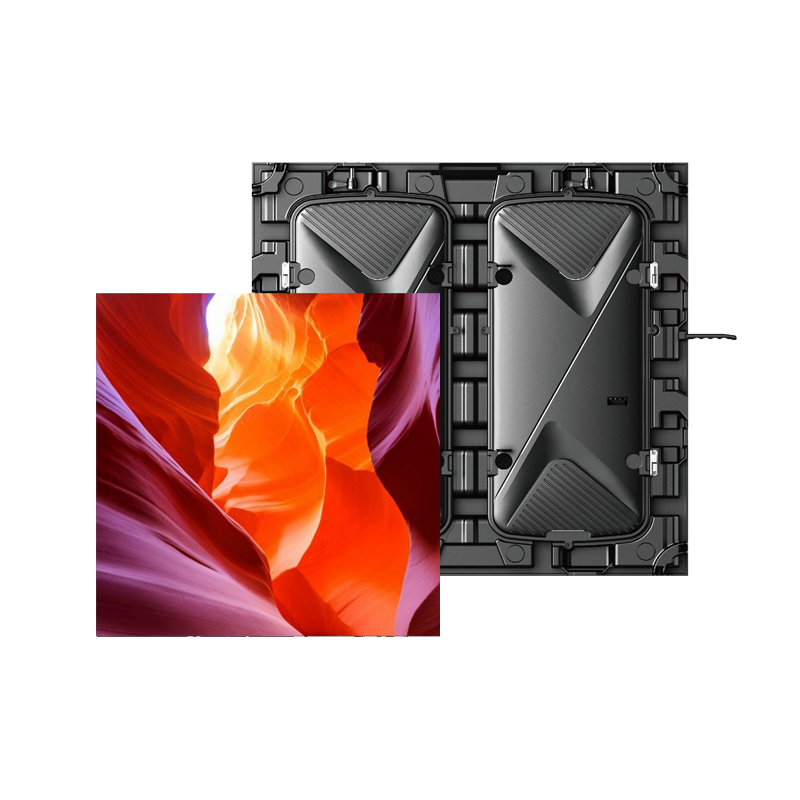
Outdoor BDD Serie 1000×1000
Hohe Bildwiederholfrequenz, hoher Kontrast und hohe Graustufenauflösung führen zu einer realistischeren und detailreicheren Darstellung mit lebendigen und gesättigten Farben.
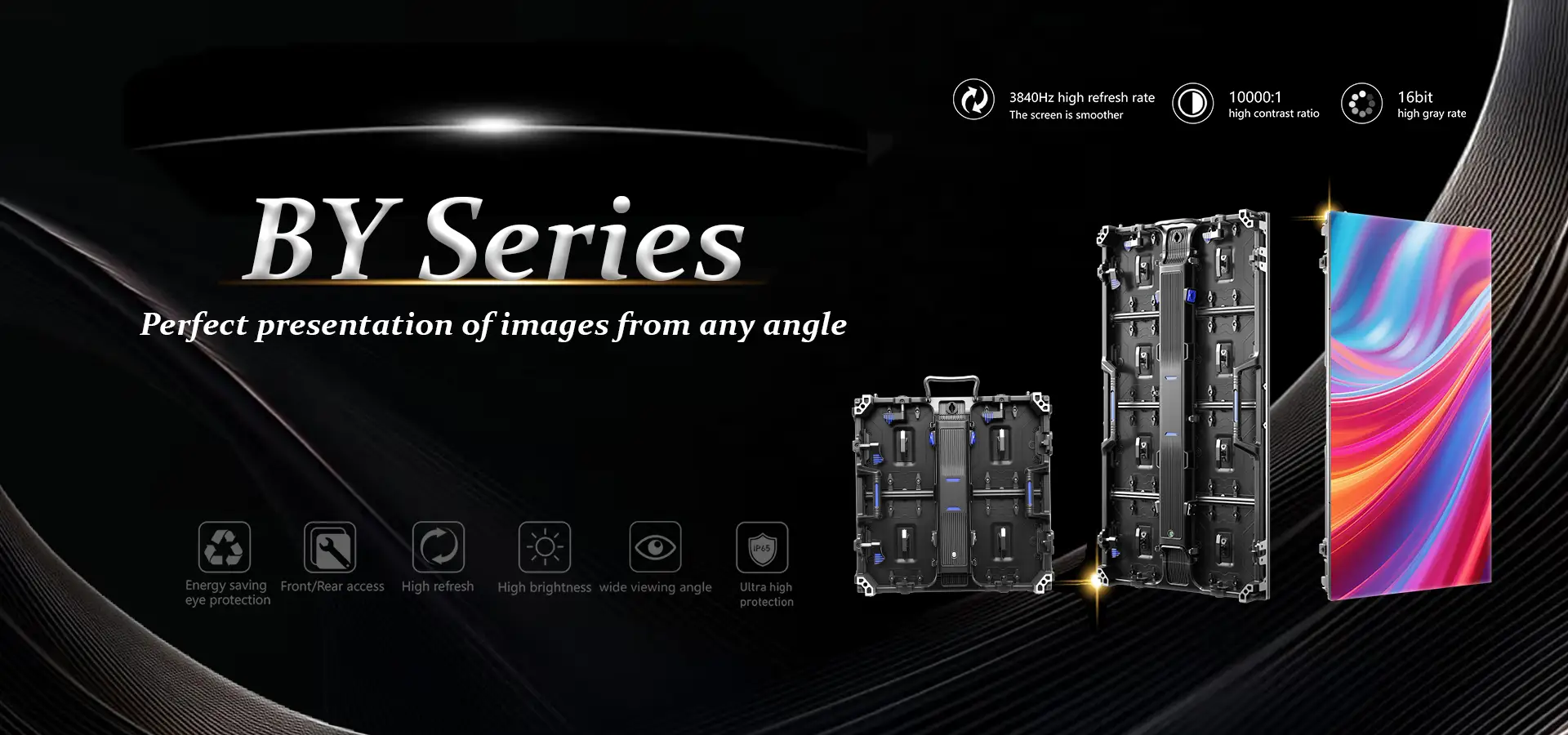
Outdoor BY Serie 960×960
Das Gehäuse aus Aluminiumprofilen ist leicht, was Transport- und Installationskosten spart.
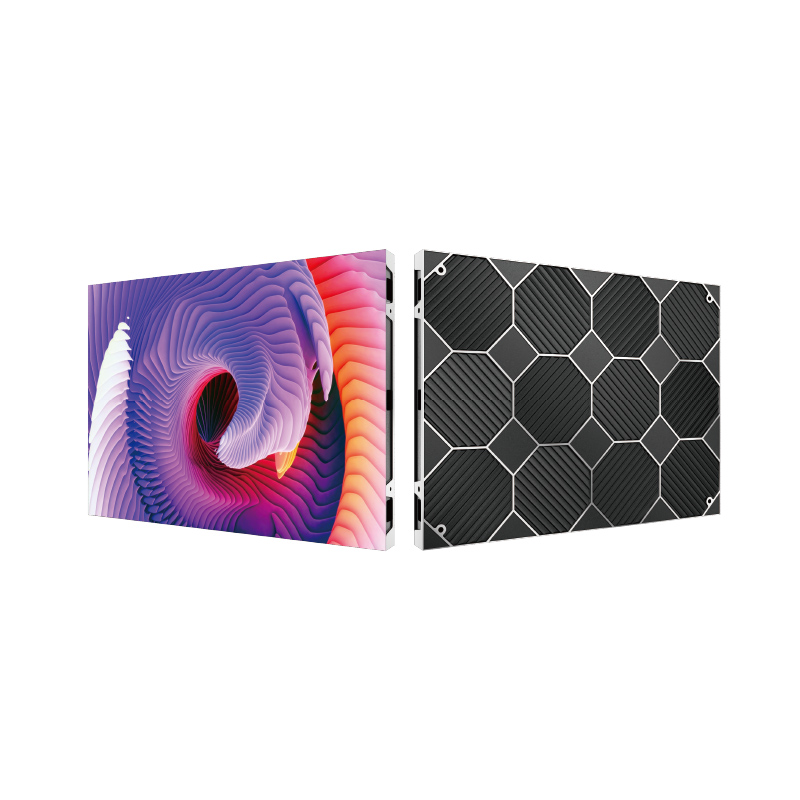
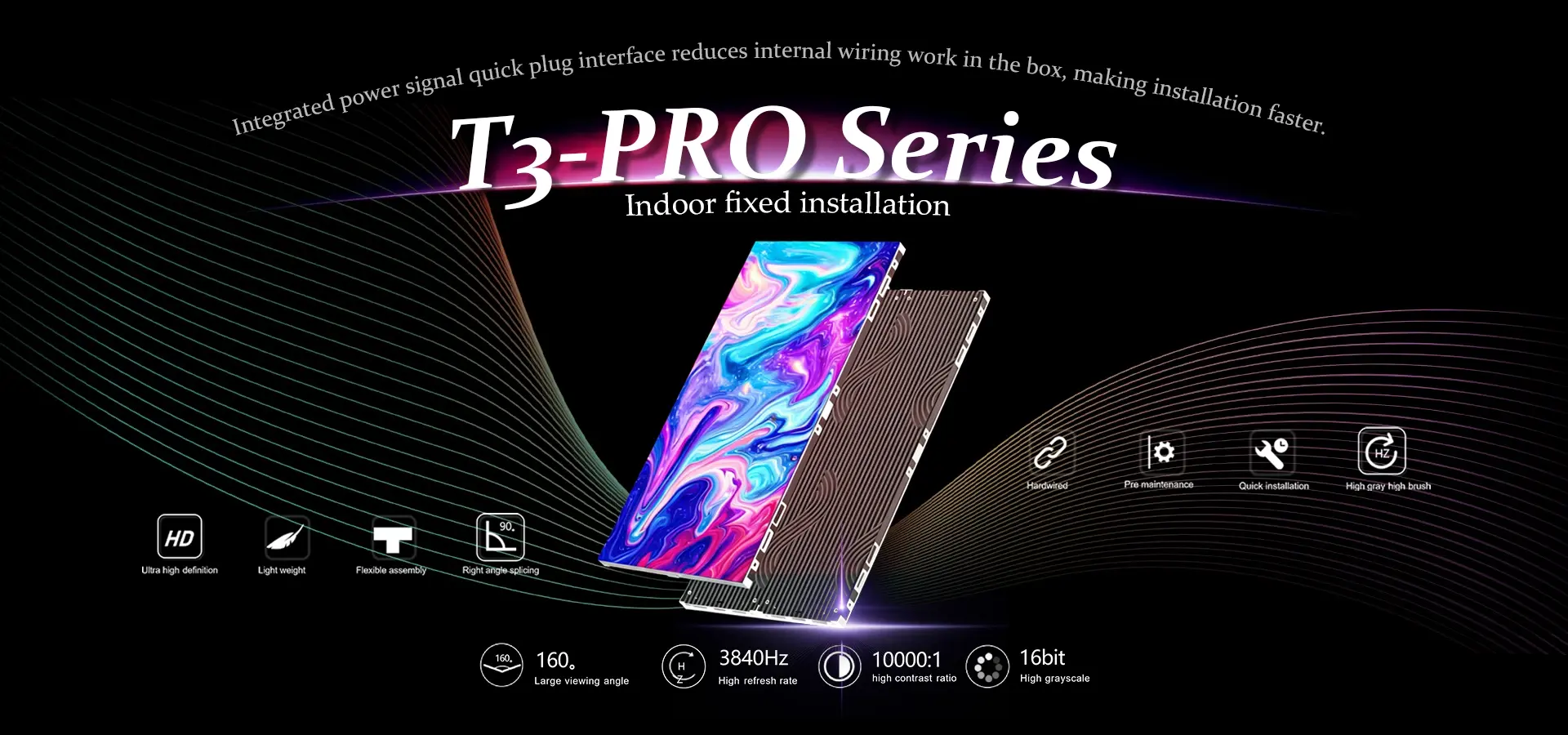
BT-Serie für den Innenbereich, 640×480, starr
Robust und stabil, hohe Präzision, unterstützt System-Backup, durchgehendes HUB-Festverdrahtungsdesign.
FAQ
Häufig gestellte Fragen
Dieser Abschnitt beantwortet häufig gestellte Fragen zu unseren LED-Bildschirmprodukten, Dienstleistungen und Richtlinien. Hier finden Sie schnell die gewünschten Informationen, ohne den Kundenservice kontaktieren zu müssen.
A1.BLC Team ist ein 2017 gegründeter Hersteller von LED-Displays. 。
Es wird eine zweijährige Garantie gewährt, inklusive kostenloser Reparaturleistungen während der Garantiezeit.
Ja. Die LED-Displayprodukte von BLC Team sind nach ISO 9001 zertifiziert und entsprechen den internationalen Standards CE, RoHS und FCC.
Ja. BLC unterstützt OEM-Eigenmarken und bietet Komplettservices vom Design bis zur Massenproduktion.
Das BLC-Team ist auf die Anwendung und Forschung und Entwicklung von LED-Displays spezialisiert. Dazu gehören LED-Mietbildschirme, LED-Werbebildschirme für den Außenbereich, fest installierte LED-Bildschirme für den Innenbereich, LED-Plakatbildschirme und vieles mehr.
25
Jahre Erfahrung
Über 2 Millionen vertrauenswürdige Kunden weltweit


















Kontaktieren Sie uns
aktuelle Blogartikel
aktuelle Artikel
Benötigen Sie LED-Bildschirmlösungen oder haben Sie Fragen? Kontaktieren Sie uns!
HD, FHD, UHD and 4K: What LED Screen Buyers Need to Know
30
Oktober
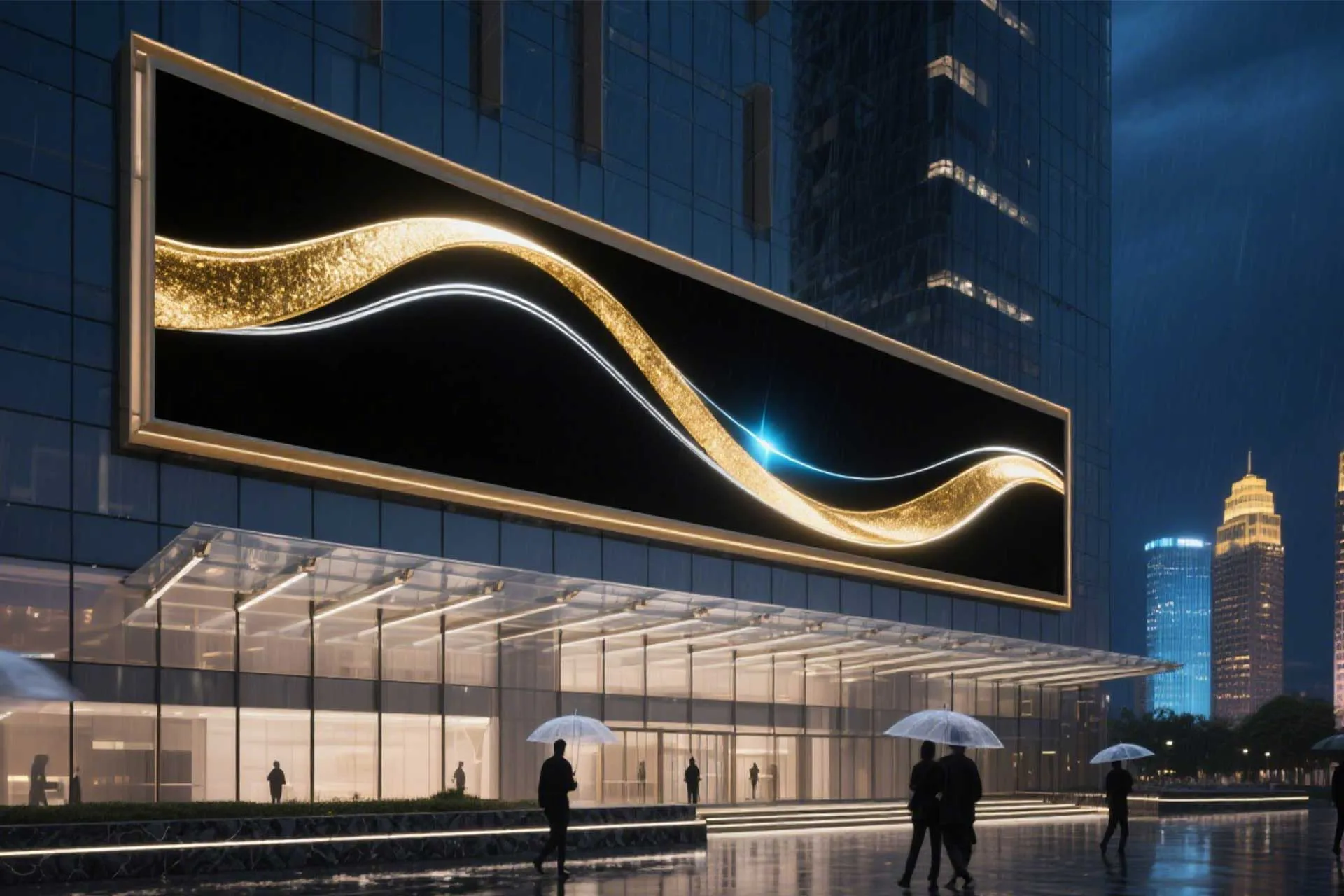
Check the wall before approving the file. A designer can send you UHD artwork, yet your advertising screen or rental backdrop may have nowhere near enough LEDs to show every pixel. Compare the file dimensions against the wall’s native pixel count at this point. Do both match? That question is more useful than a ‘4K’ label when your team has to decide whether small lettering will survive playback.
What the resolution labels actually describe
Resolution describes picture elements across an image and down its height. The two numbers belong together. A screen described only as “4K wide” may have enough horizontal pixels but lack the height required for a complete UHD image.
We use the following 16:9 formats as reference points. Multiply width by height, and UHD yields four times the pixel count of FHD. Will your audience see the difference? We’d check the content and viewing distance before assuming so.
Format
Width × height in pixels
Total pixels
HD (720p)
1280 × 720
921,600
FHD (1080p)
1920 × 1080
2,073,600
UHD (2160p)
3840 × 2160
8,294,400
The term 4K needs a little care. For a television-style signage canvas, we’d normally read ‘4K’ as 3840 × 2160. A cinema canvas can be 4096 × 2160; it has extra width. We would write the actual dimensions into a content brief rather than leave a production team guessing what “4K” means.
How pixel pitch determines the physical wall
We measure pitch in millimetres, from one pixel’s centre to the next. Reduce that spacing, and we can either fit extra pixels across your wall or build the same pixel canvas in less space. This is why choosing a fine pitch LED display involves both the available wall space and the required image dimensions.
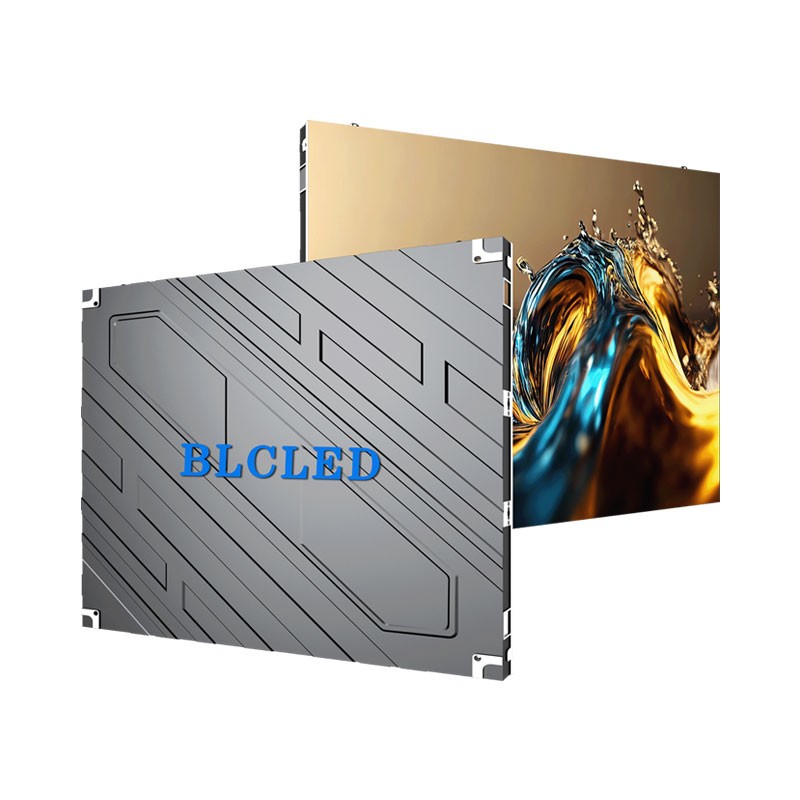
Consider our BLC LED BN Series P1.25 configuration. Its 320 × 160 mm module gives us 256 × 128 pixels. Check the horizontal count: 320 ÷ 1.25 = 256. That gives your design team a checkable module width before any cabinets are combined.
On paper, we get a 4800 × 2700 mm canvas by multiplying 3840 × 2160 pixels by a 1.25 mm pitch. That is a geometric calculation, not an available cabinet arrangement. Real cabinets contain whole modules, so a proposed build must be checked against the actual cabinet matrix. If we round the wall dimensions to suit your venue, we have to recalculate its pixel canvas too.
Why a 4K input can still look soft
The input specification describes what the processor can receive. Native resolution describes the physical pixels on the finished screen. The processor receives the file before it reaches the LED wall. Accepting more input pixels leaves the physical LED count unchanged.
When we downscale a file, we compress a larger source image into fewer wall pixels. Resizing may leave a broad block of colour recognisable yet merge the strokes in small text. Those two results can occur in the same frame. Try the price list as well as the promotional video. A good-looking moving picture tells your team little about the smallest lettering.
With upscaling, we spread a smaller source over a larger output canvas. The picture gets bigger. The source still sets the limit on the original detail available to show. We’d open the logo file, too. Compression damage won’t necessarily change its stated width of 1920 pixels.
For your outdoor LED video screen, we also need the audience position and lighting conditions. The pixel count tells us neither of these. Use the plaza headline for a distant audience test and the schedule for a close reading test. The screen has to serve the actual reading task.
What happens when the backdrop isn’t 16:9
An LED wall can have proportions that differ from standard video. Suppose we have a 3000 × 1000 pixel stage canvas—an illustrative 3:1 layout. Your complete 16:9 picture won’t fill it unchanged. Your operator has to leave borders, cut away image areas or alter the proportions.
Keeping the full image preserves the composition but leaves borders. If we enlarge the picture until it fills the backdrop, some of the image falls outside the canvas. If we stretch it instead, we keep the image areas but change the shapes: a round logo becomes oval, for instance. None of these choices is a resolution upgrade.
For LED display screen rental, we recommend agreeing the final pixel canvas before creating the show graphics. We’d check each sponsor mark against the crop boundary before signing off. Is a logo sitting near an edge? Move it into the visible area. Where the layout allows, we’d give your designer the wide canvas dimensions and have the artwork composed for that shape.
A useful content check before approval
An approval test should use the content your audience needs to read. Send a sample containing the smallest planned text, the actual logo artwork and a representative moving sequence. Review it on the proposed pixel canvas, then check the display from the intended audience positions when a demonstration is available.
Record the source dimensions, native wall dimensions and scaling choice together. This gives your content team a repeatable brief if the installation changes or the rental layout grows. A file called “final-4K” cannot provide that information.
The resolution decision that matters
The useful question is whether the complete image reaches the audience clearly on the wall you can build. We’d settle the wall dimensions and audience position before commissioning the finished artwork. Your designer then has an actual pixel canvas to work with. Put that width and height in the handover brief; ‘HD’ or ‘4K’ alone leaves too much open to interpretation.
FAQ
Does UHD always mean 3840 × 2160?
That’s the format we mean here. We’d write 3840 × 2160 in your brief, since the broader UHD family includes higher resolutions.
Is a screen with 3840 horizontal pixels automatically 4K UHD?
We need the height as well: 2160 pixels. Your ribbon display could have all 3840 horizontal pixels and still be too short to show the complete UHD canvas without resizing it.
Can a Full HD wall play a UHD video?
Yes, provided your player and processor accept that UHD signal and resize it for the wall. The wall still displays its native number of pixels.
Does a smaller pixel pitch always justify the extra cost?
We wouldn’t choose pitch on the label alone. Dense text read nearby can justify pixels that add little to a large image viewed from across a venue. We would check your smallest text from the intended audience position before spending more on a finer pitch.
Does 4K specify refresh rate?
No. We use resolution to describe the pixel grid and refresh rate to describe how often the display updates. For your filmed event, we’d test the screen with the intended camera settings. A 4K label doesn’t answer that question.
How to Source Custom Shaped LED Screens from OEMs
22
Oktober
A creative display can look convincing in a rendering and still fail when the geometry reaches the factory floor. For distributors, integrators, and advertising contractors, the real question is whether an OEM can convert a shape into controlled drawings, repeatable modules, a serviceable structure, and test evidence. The review must follow that work from concept approval to shipment.
Shape Changes What the Supplier Must Control
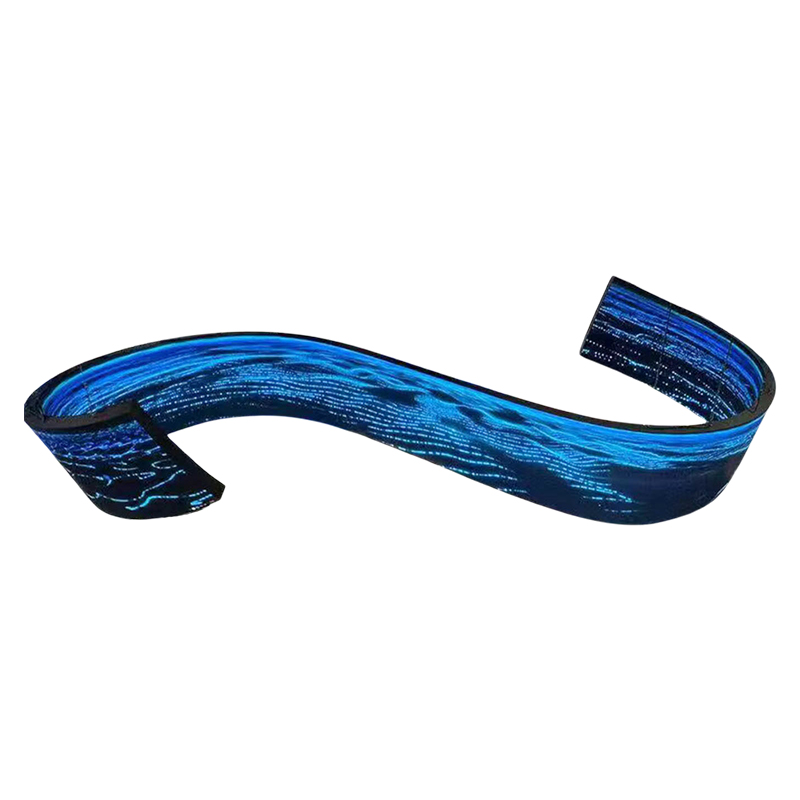
A custom shaped LED screen is a geometry project as much as a display purchase. A sphere, ring, cube, counter, or flowing curve changes module boundaries, frame tolerances, cable routes, viewing directions, and access for repair. The supplier must show how those decisions work together in the quoted form.
Portfolio images do not prove that a factory can reproduce your dimensions. Ask which parts use standard modules, which require custom metalwork or tooling, and which tolerances control the seams. That distinction exposes where schedule, cost, and quality risk sit.
A Controlled Design Brief Makes Quotations Comparable
A controlled brief gives every bidder the same problem. Include dimensioned drawings, indoor or outdoor use, viewing positions, active display surfaces, mounting points, weight limits, service clearance, content source, and destination-market requirements. A reference image communicates intent, but it cannot replace dimensions and interfaces.
Content belongs in the brief because a non-rectangular canvas changes where text and logos remain visible. Request a pixel map before approval. A sphere needs a different safe area from a disc, while a cube must explain how content crosses edges or changes between faces.
Approved geometry and active display area
Module, cabinet, frame, and mounting interfaces
Power, data, controller, and content-mapping scope
Service route, spare parts, packing, and installation sequence
Engineering Evidence Matters More Than a Sales Label
A credible LED display screen manufacturer can explain the path from drawing review to production release. For a custom form, that path should include revision control, structural responsibility, a bill of materials, and written approval points. If the supplier cannot identify the current configuration, later test reports may describe another product.
Factory ownership is useful only when it improves control. BLC LED integrates research and development, production, sales, and service, and it supports custom dimensions and shapes including arcs, circles, spheres, and cube forms. The company also offers OEM private labeling. Those capabilities make it relevant to the project, but buyers should still verify the exact engineering scope attached to their order.
The First Full Assembly Is the Most Useful Sample
A small module sample can confirm color and surface quality, yet it cannot reveal whether an unusual structure closes accurately. The decisive sample is a prototype or first full assembly built from the released drawings. Review it from the intended viewing angles and with the real content map before authorizing volume production.
The review should reproduce tight radii, corners, seams, suspended interfaces, access panels, and cable transitions. Record measurements, photos, controller files, and approved deviations. If the display will be disassembled for shipping, require a reassembly trial using the labels and instructions provided to the site team.
Project risk
Evidence before production release
Shape or seam mismatch
Approved drawings, dimensions, tolerances, and full assembly photos
Content distortion
Final pixel map tested with representative media
Blocked maintenance
Recorded removal and replacement of a serviceable part
Site reassembly errors
Numbered components, packing map, and installation sequence
Quality and Compliance Records Must Match the Build
Quality evidence becomes useful when it identifies the order, revision, and result. BLC LED documents incoming, in-process, and finished-product checks, followed by a 72-hour burn-in process. Buyers should connect those controls to the approved assembly and retain the inspection record with the configuration files.
Certificates also need careful reading. ISO 9001 certification concerns a quality management system; it is not automatic product approval. For European sales, CE marking places conformity-assessment, technical-documentation, and declaration responsibilities on the manufacturer. Ask for the applicable declaration and supporting documents for the exact supplied configuration rather than accepting a logo on a brochure.
Price and After-Sales Support Belong in One Scope
A LED display screen supplier quotation is comparable only when inclusions are visible. Separate display hardware, custom structure, tooling, controllers, spares, packing, documentation, commissioning, and on-site work. A lower total may omit the engineering or service items that make the shape usable.
After-sales planning should begin before shipment because custom parts may not match standard stock. Identify unique modules, power units, receiving cards, frame sections, and tools; then agree on spares, file backups, response channels, and repair responsibility. BLC LED provides 24/7 remote technical support, which buyers can test with one factory fault-and-recovery exercise.
Commercial approval should compare the same service scenario. Price one expected repair, check whether the technician can reach the part, and confirm who supplies a replacement matching the approved geometry and calibration. This gives price, quality, and support a common basis.
A Defensible OEM Choice Follows the Evidence Chain
The strongest OEM choice keeps one traceable chain from the design brief to the approved drawing, full assembly, inspection record, packing plan, and service file. That chain turns a creative concept into a repeatable product. Buyers can approve the shape because its engineering and support are visible, not because the presentation looks persuasive.
Share the intended shape, drawings, viewing conditions, installation method, destination market, and service constraints through the project contact page. BLC LED can use that brief to define the suitable custom-display path and the evidence needed before production.
FAQ
What Files Should I Send for an OEM Creative LED Display Quote?
Send dimensioned drawings, a reference rendering, active display areas, mounting points, viewing distances, indoor or outdoor conditions, service clearance, content format, destination market, and delivery scope. Label the current revision so every bidder prices the same design.
Is a Product Sample Enough for a Custom Shape?
A module sample can show image quality, but it cannot confirm completed geometry. Approve a prototype or first full assembly with the difficult curves, seams, interfaces, content map, and service route before production.
How Can Buyers Verify That the Factory Built the Screen?
Request a factory review tied to the order number, drawing revision, bill of materials, assembly stage, and inspection record. The evidence should identify your configuration rather than an unrelated production line.
Which Quality Records Matter for a Creative LED Display?
Useful records include incoming checks, in-process inspection, seam measurements, image tests, burn-in results, controller files, approved deviations, packing verification, and final acceptance. Each record should identify the exact order and configuration.
What Should an OEM After-Sales Plan Cover?
The plan should identify unique parts, spares, configuration backups, diagnostic steps, response channels, warranty scope, repair responsibility, and replacement lead times. It should show how a technician replaces parts without damaging the structure.
Über die Hardware hinaus: Komplettlösungen für digitale Außenwerbung (DOOH) mit LED-Videowänden
14
Oktober
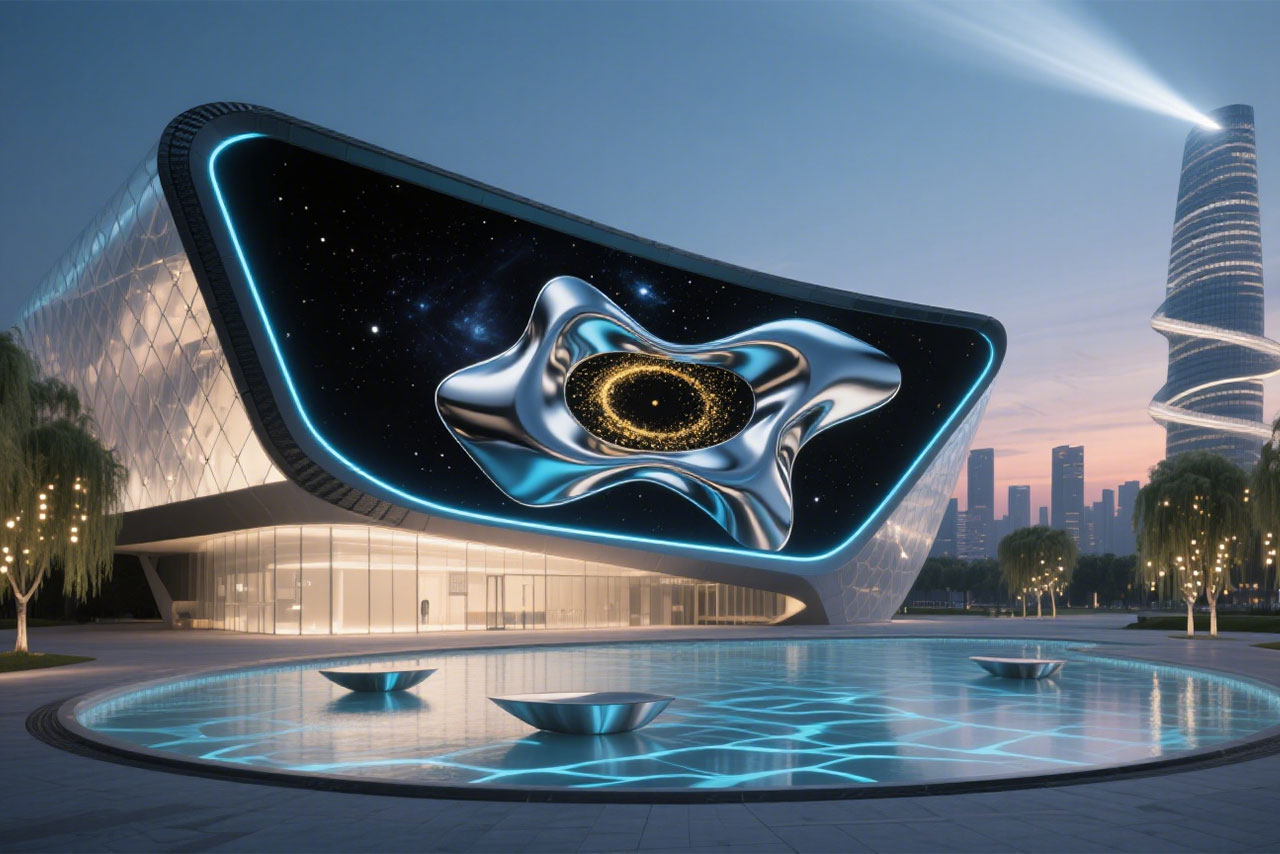
Fragt man einen DOOH-Werbetreibenden nach dem Budget für eine Außenwerbefläche, fällt ihm als Erstes die Panel-Kosten ein. Das ist jedoch der falsche Ansatz. Ob sich die Fläche rentiert, hängt von der darüberliegenden Infrastruktur, der dahinterstehenden Macht, dem System, das die Werbetreibenden dorthin vermittelt, und denjenigen ab, die sich um die Reparatur kümmern, wenn ein Modul ausfällt.
Betrachtet man die einzelnen Komponenten, so lässt sich eine Komplettlösung inhaltlich viel leichter vergleichen als anhand eines einzelnen Helligkeitswertes.
Die Paneelschicht
Ein LED-Videobildschirm für den Außenbereich ist modular aufgebaut, und das Panel selbst ist unabhängig von den Witterungsbedingungen am Montageort. Zwei LED-Bildschirme mit gleichem Pixelabstand können sehr unterschiedlich altern, je nachdem, ob der eine auf einem salzbelasteten Küstendach montiert ist oder in die Fassade eines Einkaufszentrums eingelassen. Dieser Unterschied zeigt sich in allen Konstruktionselementen rund um das Glas.
Genau deshalb gibt es Komplettanbieter. Übergibt man die Panels und stellt den Betrieb ein, werden Infrastruktur, Stromversorgung, Datenverarbeitung und Wartung zu separaten Problemen, die üblicherweise auf mehrere Anbieter verteilt werden. Wenn der Umsatz von der Verfügbarkeit abhängt, summiert sich diese Aufteilung unbemerkt zu barem Geld.
Dimensionierung des Panels an die Baustelle
Die Pixelteilung ist die erste wichtige Entscheidung, denn sie bestimmt, aus welcher Entfernung das Bild noch scharf lesbar ist und spiegelt somit die tatsächliche Besucherzahl der Website wider. An einer Straßenecke, wo sich Personen einige Meter entfernt aufhalten, ist eine feinere Pixelteilung erforderlich als an einer Autobahnbrücke, wo der Betrachter dreißig Meter entfernt ist und sich schnell bewegt. Die Wahl der Pixelteilung hängt also letztendlich vom jeweiligen Standort ab.
Ein LED-Außendisplay mit einem Pixelabstand von 3,91 Pixeln eignet sich für die Nahfeldbeleuchtung in dicht bebauten Stadtgebieten. Für Straßen und größere Projektionsdistanzen ist ein LED-Außendisplay mit einem gröberen Pixelabstand von 10,42 Pixeln die sinnvollere Wahl. Feinere Pixelabstände ermöglichen eine höhere Pixeldichte, wodurch der maximale Stromverbrauch steigt und das Gehäuse seine Helligkeit auch bei direkter Sonneneinstrahlung beibehalten muss.
Pixelabstand
Pixeldichte (Punkte/m²)
Typische Helligkeit
Optimale Betrachtungsdistanz
DOOH fit
P3.91
65.536
5.500–10.000 Nits
4–100 m
Stadtstraße, Platz
P4.81
43.264
5.500–10.000 Nits
5–100 m
Hauptstraße, Einkaufszentrum
P6.25
25.600
6.000–10.000 Nits
6–150 m
Ausfallstraße
P10.42
9.216
6.000–10.000 Nits
10–200 m
Autobahn, Weitwurf
Sobald Tonhöhe, Helligkeit und Gehäusegröße festgelegt sind, werden die Abmessungen und das Gewicht der Konstruktion bestimmt, und diese Werte fließen direkt in die Struktur ein.
Die Struktur- und Leistungsschicht
Hier befindet sich alles, was die Leinwand am Gebäude befestigt. Bei Installationen auf Dächern und Werbetafeln werden üblicherweise rückseitige Wartungsschränke verwendet, da die offene Rückseite die Wärme abführt und einen sicheren Zugang für den Techniker ermöglicht. Geschlossene oder versiegelte Fassaden sind in die andere Richtung ausgerichtet, hin zu einem frontseitigen Wartungszugang mit magnetischer oder drehbarer Modulentnahme.
Bei kundenspezifischen Konstruktionen spielt ein Hersteller seine Stärken voll aus. Windlast, Montageausrichtung und die genauen Abmessungen variieren von Standort zu Standort, sodass Standardlösungen selten den gewünschten Anforderungen entsprechen.
Die elektrische Seite ist genauso wichtig. Ein auf die maximale Leistungsaufnahme des Schranks abgestimmtes Netzteil und Verteilersystem, das mit einem breiten Eingangsspannungsbereich von 90–264 V Wechselstrom arbeitet, ermöglicht den Einsatz derselben Hardware in verschiedenen Ländern ohne Neuverkabelung.
Die Inhaltssteuerungsschicht
Das Steuerungssystem ist die Komponente, die mit dem Netzwerk skaliert. Ein einzelner Bildschirm kommt mit einem lokalen Player aus. Ein Werbetreibender, der dreißig Websites betreibt, kann das nicht und benötigt eine zentrale Planung: eine zentrale Plattform, um eine Kampagne überall auszuspielen, ein Werbemittel zu einer festgelegten Uhrzeit auszutauschen und zu bestätigen, dass die Änderung tatsächlich ausgeliefert wurde.
Die Remote-Wiedergabe über die Cloud verwandelt ein verteiltes Portfolio in ein zentrales System, das ein Betriebsteam ohne Techniker an jedem Standort steuern kann. Ein Komplettpaket beinhaltet diese Konsole als Bestandteil der Bereitstellung und nicht als separate Option. Die Einrichtung der Empfangskarte und der Wiedergabe erfolgt bereits bei der Beauftragung, sodass das Team des Werbetreibenden vom ersten Tag an die volle Kontrolle über den Content-Workflow hat.
Zertifizierungen und Kundendienst
Die Einhaltung von Vorschriften und eine reibungslose Logistik gewährleisten die termingerechte Abwicklung eines grenzüberschreitenden Netzwerks, und die Zertifizierungen sind keine bloße Marketing-Notiz für ein Outdoor-Produkt. Die Managementzertifizierungen nach ISO 9001 und ISO 27001 sowie die CE-, RoHS- und FCC-Zulassung sorgen dafür, dass die Hardware auf verschiedenen Märkten akzeptiert wird.
Die Belieferung von mehr als 110 Ländern bedeutet, dass die gleiche Gehäusefamilie unterschiedliche Zulassungsbestimmungen erfüllen muss. Eine zentrale, direkt vom Hersteller gelieferte Lieferkette sorgt dafür, dass Stromversorgung, Vertrieb und Dokumentation als eine Einheit ablaufen, anstatt von drei voneinander unabhängigen Anbietern.
Der Kundendienst wird von Käufern oft unterschätzt, denn Ausfallzeiten und langwierige Reparaturen sind die größten Schwachstellen, die ein DOOH-Netzwerk stillschweigend zum Scheitern bringen können. Eine zweijährige Garantie, unterstützt durch ein umfangreiches Ersatzteillager mit rund fünftausend Komponenten für den schnellen Austausch, sorgt dafür, dass die Bildschirme kontinuierlich Einnahmen generieren und nicht stillstehen, während ein Ersatzteil über den Ozean transportiert wird.
Die Komplettlösung bei Übergabe
Zusammengesetzt besteht eine Komplettlösung für digitale Außenwerbung (DOOH) mit LED-Videowänden aus einem standortgroßen Panel, einer kundenspezifischen Struktur und Stromversorgungsarchitektur, einer zentralen Content-Konsole, den erforderlichen Zertifizierungen und der Logistik für die Markteinführung sowie einem umfassenden Kundendienst. Genau das erwartet ein Käufer.Achtel, wenn ein Angebot einen Bildschirm und ein anderes ein laufendes Netzwerk bepreist.
Für einen Werbetreibenden, der in mehreren Märkten aktiv ist, ist diese Komplettlösung der entscheidende Vorteil eines Herstellers wie BLC. Dank eigener Produktionsstätte kann die Struktur an jeden Standort individuell angepasst werden, dieselbe Hardware kann in verschiedenen Märkten eingesetzt werden, und ein einziges verantwortliches Team betreut die Bildschirme von der Installation bis zum Ende ihrer Nutzungsdauer.
Nach einer Standortbesichtigung ist der nächste Schritt unkompliziert. Die Neigung muss an die Betrachtungsentfernung angepasst, die Konstruktion an die Last dimensioniert und die Kontroll- und Kundendienstbedingungen vor der Bestellung der Paneele bestätigt werden.
Häufig gestellte Fragen
Was beinhaltet eine Komplettlösung für eine LED-Videowand im Außenbereich?
Es umfasst das standortspezifische Bedienfeld, den kundenspezifischen Rahmen und die Stromverteilung, das Inhaltssteuerungssystem, die erforderlichen Zertifizierungen und Dokumentationen sowie die Ersatzteile und den Kundendienst.
Wie wähle ich den richtigen Pixelabstand für eine DOOH-Website?
Passen Sie die Neigung des Balls an die übliche Betrachtungsdistanz an. Feinere Neigungen, etwa P3,91 bis P4,81, eignen sich für nahe, stark frequentierte Standorte in der Stadt; gröbere Neigungen, P6,25 und höher, eignen sich für Straßen und Standorte mit großer Wurfdistanz.
Spielen Front- und Heckbedienschränke bei Außeninstallationen eine Rolle?
Ja. Rückseitig beschränkte Gehäuse eignen sich für Dachinstallationen und Werbetafeln mit einem sicheren hinteren Zugangsweg und guter Luftzirkulation. Frontseitig beschränkte Gehäuse eignen sich für dichte oder geschlossene Fassaden, bei denen die Rückseite nicht zugänglich ist. Die Wahl hängt von der baulichen Gegebenheit ab, nicht vom Bildschirm selbst.
Kann die gleiche Hardware für LED-Außenbildschirme in verschiedenen Ländern verwendet werden?
Die Außenschränke arbeiten mit einem breiten Eingangsspannungsbereich von 90–264 V (AC) und sind CE-, RoHS- und FCC-zertifiziert, was ihre Wiederverwendung in verschiedenen Märkten ermöglicht. Eine direkte Lieferkette ab Werk gewährleistet einheitliche Stromversorgung, Verteilung und Dokumentation an allen Standorten.
Warum ist der Kundendienst Teil der Entscheidung und nicht erst im Nachhinein berücksichtigt?
Ausfallzeiten kosten ein DOOH-Netzwerk seine Einnahmen. Ein gut gefülltes Ersatzteillager, ein 24/7-Erreichbarkeitsdienst und eine definierte Reaktionszeit gewährleisten den reibungslosen Betrieb der Bildschirme zwischen den Kampagnen und sichern so die Rentabilität eines Netzwerks, das für den Dauerbetrieb ausgelegt ist.