كيف تحوّل شاشة LED الفيديو إلى ضوء؟

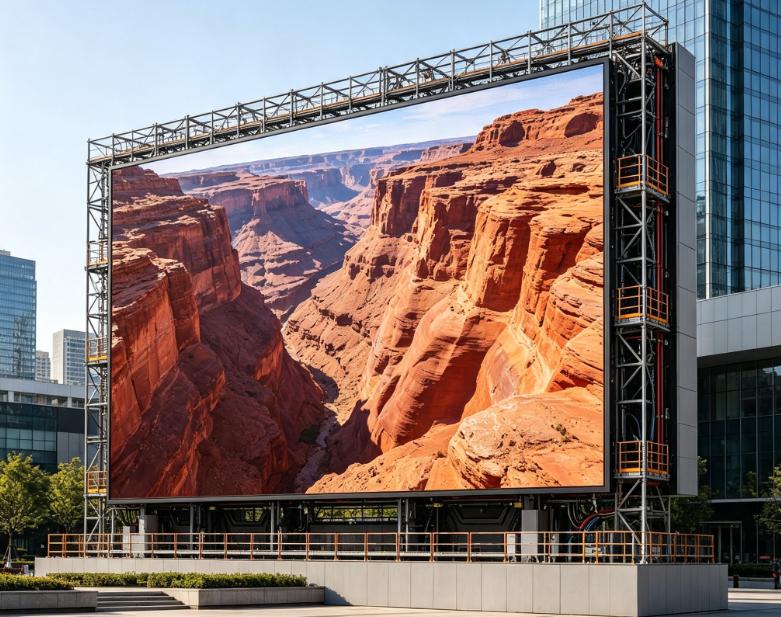
يستطيع المشتري رؤية صورة ساطعة على جدار LED دون أن يدرك سلسلة القرارات التي تقف وراءها. إن معرفة كيفية عمل هذه السلسلة تُسهّل تحديد المحتوى ومسافة المشاهدة وإمكانية الوصول إلى الخدمات، دون التعامل مع الشاشة كصندوق أسود غامض. تبدأ الصورة كبيانات بكسل مُعينة تبدأ شاشة LED بمصدر فيديو، لكنها لا تستطيع عرض هذا المصدر حتى يقوم المعالج بربط الصورة بتخطيط البكسل الفعلي. يرسل جهاز كمبيوتر محمول أو مشغل وسائط أو كاميرا أو وحدة تحكم المحتوى إلى المعالج. يقوم معالج الفيديو ونظام التحكم بتوسيع الصورة الواردة وربطها بلوحة الشاشة. ثم تقوم بطاقات الاستقبال بتوزيع بيانات العرض المُرتبطة على الوحدات النمطية المناسبة. لذا، ينبغي تصميم شاشة عرض LED وفقًا لمحتواها الحقيقي وحجمها المُراد. قد تستخدم جدار استقبال عريض، وخلفية مسرح، وشريط معلومات ضيق، جميعها مصابيح LED، إلا أن ترتيب عرضها وأولويات محتواها تختلف منذ البداية. كل بكسل يمزج ثلاثة ألوان قابلة للتحكم تستخدم كل بكسل ملونة مصادر ضوء حمراء وخضراء وزرقاء. يقوم المتحكم بتغيير نسب هذه المصادر لإنشاء اللون والسطوع المطلوبين في تلك النقطة من الصورة. يتطلب الحقل الأبيض مساهمة منسقة من قنوات الألوان الثلاثة جميعها؛ بينما يتطلب المشهد الأزرق الداكن مزيجًا مختلفًا تمامًا. ملايين التركيبات المُتحكَّم بها تجعل الفيديو والنصوص والرسومات ممكنة. تُعرف المسافة بين مراكز البكسلات المتجاورة باسم "تباعد البكسلات"، لذا فهي تؤثر على مدى قرب المشاهدين من الصورة قبل ملاحظة بنيتها. يسمح التباعد الأصغر برؤية تفاصيل أدق من مسافة أقرب، لكن فائدته تقتصر على الرسائل التي تتطلب هذه التفاصيل فعلاً. السؤال الصحيح هو ما يجب على الناس قراءته، وليس مجرد تحديد أصغر رقم. تحمل الخزانة طاقة الإشارة والمحاذاة وحدة العرض ليست سوى طبقة واحدة من الجدار النهائي. توفر الخزائن الهيكل الميكانيكي والمحاذاة، بينما تضم ​​مصادر الطاقة وأجهزة الاستقبال والوحدات ووصلات الإشارة التي تسمح للوحدات المنفصلة بالعمل كشاشة واحدة. إذا كان خط الخزانة غير محاذٍ أو مسار الإشارة غير مُهيأ بشكل صحيح، فلن تتمكن الوحدة ذات الكفاءة التقنية من تقديم نتيجة واضحة ومتواصلة. لهذا السبب، تُخطط لوحات جدران الفيديو بتقنية LED كنظام متكامل بدلاً من اختيارها كوحدات منفصلة. يحتاج فريق التركيب إلى التأكد من تصميم الخزانة، وسعة وحدة التحكم، ومسارات الكابلات، والحماية الكهربائية، ومسار عملي للصيانة المستقبلية قبل أن يصبح اختبار المحتوى ذا جدوى. منصة ماذا يحدث؟ لماذا يجب على فريق المشروع الاهتمام؟ إدخال المحتوى يقوم المصدر بإرسال محتوى فيديو أو رسومي إلى المعالج. تؤثر دقة المصدر ونسبة العرض إلى الارتفاع على تغيير الحجم ووضوح النص. يعالج يقوم المعالج برسم كل إطار على لوحة البكسل الفعلية للشاشة. يمنع التخطيط الصحيح الصور المقصوصة والشعارات الممتدة والنصوص الموضوعة في غير موضعها. الاستلام تقوم بطاقات الاستلام بتوزيع البيانات المُرتبطة بالوحدات النمطية داخل كل خزانة. يساعد مسار الإشارة المخطط له الفنيين على تحديد العطل دون التأثير على بقية الجدار. شدة الإضاءة تنتج مصابيح LED الحمراء والخضراء والزرقاء ألوان البكسل المرئية. يجب أن يتناسب السطوع ودقة البكسل مع الغرفة وأقرب مشاهد ذي أهمية. خاصية التحديث تحافظ على تناسق الحركة يُشير معدل التحديث إلى مدى تكرار تحديث نظام تشغيل شاشة LED لإخراج الضوء، بينما يُشير معدل الإطارات إلى مدى تكرار توفير إطارات الفيديو الجديدة. يكتسب معدل التحديث أهمية خاصة مع المحتوى سريع الحركة وعند التقاط صورة لشاشة LED بواسطة كاميرا. وهو أحد عناصر جودة الصورة، إلى جانب معدل الإطارات، وإعداد المحتوى، ومعالجة الإشارة، والمعايرة، والإضاءة المحيطة، والحالة المادية للشاشة. لذا، ينبغي تقييم شاشة LED كاملة الألوان باستخدام المحتوى الذي ستعرضه فعليًا. قد يكشف المحتوى البطيء الخاص بتحديد المواقع عن مشاكل في التصميم وخيارات التباين؛ بينما قد تكشف لقطات المنتج السريعة عن ضعف في التكبير أو ضعف في مسار الإشارة. يُعد اختبار كلا النوعين قبل التسليم أكثر فائدة من الاعتماد على عرض توضيحي متكرر فقط. يجب أن تبقى وحدة واحدة متزامنة يجب أن تتلقى لوحة عرض LED معلومات التوقيت واللون الصحيحة بالتزامن مع اللوحات المجاورة، وإلا فقد تظهر الصورة جزءًا مفقودًا أو عدم اتساق في التوقيت أو اختلافًا واضحًا في الألوان. أما الفواصل المادية، على النقيض، فتُتحكم بها بشكل أساسي محاذاة الهيكل واستوائه. لذا، ينبغي أن يشمل التشغيل اختبارًا شاملًا للوحة، وليس مجرد فحص الوحدات الفردية. فهذه هي أبسط طريقة للتأكد من أن الشاشة بأكملها تعمل كسطح واحد. بيئة المشاهدة تُكمل الصورة قد تبدو الشاشة نفسها واضحة في ردهة مظللة، بينما تبدو مشوشة بجوار زجاج ساطع، لأن الإضاءة المحيطة تُغير التباين المُدرك. كما أن زوايا الرؤية وانعكاسات الأسطح ومسار المشي المعتاد تُؤثر على ما يراه الجمهور. ينبغي أن تُوجه هذه العوامل ترتيب المحتوى بنفس قدر توجيه اختيار الأجهزة. اختبر أصغر نص مهم من أقرب نقطة مشاهدة واقعية. تحقق من صورة ثابتة،مقطع الحركة، والمصدر المباشر قبل قبول عملية الربط. احتفظ بسجلات موثقة لوصول الطاقة والإشارة والخدمة لفريق التشغيل. عندما يتطلب مشروع ما مساحة عرض كبيرة متصلة، يمكن لشاشة LED التجارية أن تجمع هذه القرارات في سطح واحد. تشمل خيارات التركيب الداخلي الثابت من BLC LED هياكل خزائن عالية الدقة وتكوينات خدمة أمامية، مما يساعد على الجمع بين المحاذاة الدقيقة وسهولة الوصول للصيانة في المساحات المبنية. طريقة عملية لقراءة التكنولوجيا تعمل شاشة LED الجدارية عن طريق تحويل المعلومات الرقمية المُخزّنة إلى ضوء مُتحكّم به في ملايين مواقع البكسل. والخطوة التالية المفيدة هي ربط هذا المبدأ البسيط بالموقع: تحديد المحتوى الفعلي، وتحديد أقرب مُشاهد، وتأكيد المساحة المادية، والتخطيط لكيفية صيانة الشاشة. هذا التسلسل يُبقي التكنولوجيا في خدمة الرسالة بدلاً من تحويل المشروع إلى مجرد تمرين على المواصفات. التعليمات هل تحتوي كل بكسل من مصابيح LED على ضوء أحمر وأخضر وأزرق؟ تستخدم شاشة العرض كاملة الألوان مصادر ضوء حمراء وخضراء وزرقاء لتكوين ألوان البكسل المرئية. ويختلف تصميم العبوة باختلاف المنتج والتطبيق. ما الذي يتغير بتغير درجة البكسل؟ تُعرف المسافة بين البكسلات باسم "تباعد البكسلات". وهي تؤثر على مقدار التفاصيل التي يمكن إدراكها عند مسافة مشاهدة معينة، ويجب أن تتطابق مع أقرب موقع مناسب للمشاهد. لماذا نحتاج إلى معالج فيديو؟ يقوم المعالج بتكييف المحتوى الوارد مع لوحة البكسل المادية للشاشة، بينما يقوم نظام التحكم بتوزيع البيانات المعينة على أقسام العرض المقابلة. هل يمكن لنفس جدار LED عرض فيديو مباشر ورسومات؟ نعم، بشرط أن يتم ضبط المصدر والمعالج والتخطيط وأداء التحديث بما يتناسب مع المادة المقصودة. يجب اختبار كليهما أثناء التشغيل. ما الذي يجب على فريق الموقع فحصه قبل التسليم؟ تحقق من المحتوى الحقيقي، والتخطيط، والسطوع في الإضاءة المثبتة، واستمرارية الإشارة، والمسار الآمن للوحدة الروتينية أو خدمة الطاقة.
17th سبتمبر 2026

كيف تتكيف شاشات LED المرنة مع المساحات المنحنية؟

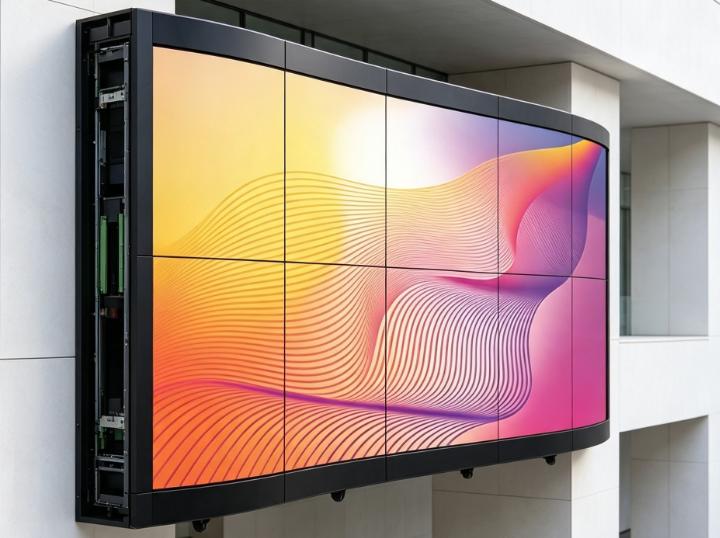
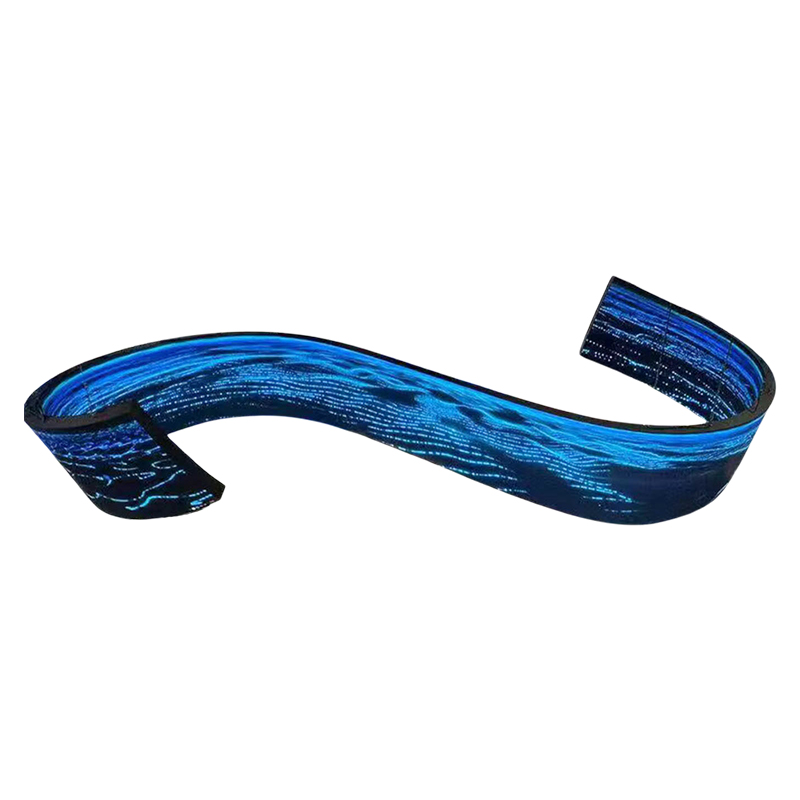
من السهل تصميم جدار LED مسطح، لكن العديد من المساحات الداخلية للمتاجر، والبهو، والمتاحف، والواجهات التجارية ليست مسطحة. السؤال المهم ليس ما إذا كانت اللوحة المرنة قابلة للانحناء، بل ما إذا كان الانحناء، وسهولة الصيانة، وجودة الصورة، وهيكل الدعم ستبقى ثابتة بعد التركيب. تشرح هذه المقالة كيفية تقييم مدى ملاءمة ذلك قبل أن يصبح التصميم المنحني حلاً مكلفاً. يحدد شكل الموقع أسلوب العرض ينبغي أن يكون تصميم الموقع هو العامل الحاسم في اتخاذ القرار، لأن الشاشة التي تبدو مناسبة من حيث الارتفاع قد تفشل عند الحواف أو الوصلات أو نقاط الخدمة. وتُعدّ شاشة LED المرنة مفيدة عندما يكون سطح التركيب ذا انحناء واضح أو شكل غير منتظم. سجّل المساحة الفعلية، والأبعاد القابلة للاستخدام، ومواقع الرؤية، والعوائق، وإمكانية وصول الفني. تحدد هذه القياسات ما إذا كان من الممكن تركيب الألواح المرنة، أو الخزائن المنحنية، أو الأجزاء الصلبة الصغيرة بشكل موثوق. حالة الموقع نهج مرن أشر للتأكيد قوس واحد لطيف وحدات منحنية أو ألواح مرنة الحد الأدنى لنصف القطر والمسافة بين الدعامات أسطوانة أو عمود محكم وحدات مرنة أو متصلة بطريقة ناعمة استمرارية اللحام وخلوص الكابلات منحنيات وزوايا مختلطة أقسام مصممة حسب الطلب هندسة الانتقال وإمكانية الوصول إلى الخدمات جدار مسطح ذو منحنى مميز واحد تصميم هجين صلب ومرن التوافق المشترك بين الأنظمة نصف القطر هو حد ميكانيكي، وليس اقتراحاً تصميمياً. لكل شاشة LED مرنة نطاق انحناء محدد يجب التعامل معه كحدود ميكانيكية. تجاوز هذا النطاق قد يُسبب إجهادًا أو عدم انتظام في اللحامات أو تلفًا في المكونات. تحقق من نصف قطر الانحناء مقارنةً بالمجموعة الكاملة، بما في ذلك السطح والمثبتات والكابلات وأجزاء الحماية. قد يصف مصطلح "منحني" نتائج مختلفة تمامًا. فالقوس العريض قد يستخدم خزائن منحنية، بينما قد يتطلب العمود الضيق وصلة مرنة وطريقة دعم مختلفة. ينبغي أن تحدد الهندسة المقاسة - وليس مجرد وصف التصميم بأنه "منحني" - بنية شاشة LED المناسبة. وحدات مرنة تحل مشاكل بصرية محددة تُعدّ شاشة LED المرنة مفيدة عندما يتطلب سطح العرض التكيف مع التغيرات في التصميم المعماري. وتمنح التوصيلات المرنة الوحدات مرونة أكبر في التكيف مع الأسطح المنحنية أو غير المنتظمة مقارنةً بالتركيبات الصلبة تمامًا، مما يساعد على الحفاظ على محاذاة أكثر اتساقًا بين الأجزاء. تكون الفائدة أكبر عندما يكون العرض جزءًا من المكان، مثل جدار استقبال منحني، أو عمود ملفوف، أو عنصر نحتي. ولا يزال التصميم بحاجة إلى دعامة ثابتة ومسار استبدال واضح. لا تزال الوصلات المرنة بحاجة إلى تركيب دقيق لا تزال الوصلات المرنة تتطلب توجيهًا منظمًا للكابلات، وتخفيفًا كافيًا للضغط، وتحديدًا واضحًا. قد يؤدي سوء إدارة الكابلات إلى إجهاد غير ضروري للموصلات، وتعقيد الصيانة، وزيادة خطر عدم استقرار الإشارة أو توصيلات الطاقة. يرجى مراجعة هذه الضوابط قبل الموافقة: حدد اتجاه الانحناء ونصف القطر الأدنى على الرسم. اترك مسافة كافية بين الكابلات حتى لا يؤدي تحركها إلى شد الموصلات. حدد هيكل الدعم بحيث لا تُستخدم وحدات LED كعناصر حاملة للأحمال. حافظ على مسار وصول واضح لاستبدال الوحدات خلف الزخارف أو التركيبات المحيطة. اختبر أضيق نصف قطر وأكثر درزة وضوحًا. تتيح هذه الضوابط إمكانية تكرار المرونة بدلاً من إجراء تعديلات على الموقع في اللحظة الأخيرة. تعتمد جودة الصورة على أكثر من مجرد الانحناء تعتمد جودة الصورة النهائية على دقة البكسل، ومسافة المشاهدة، والمعايرة، والمعالجة، والمحتوى، والهندسة. قد يلاحظ المشاهدون عن قرب فواصل تختفي عند مسافات مشاهدة أبعد، بينما قد تكشف الكاميرات عن تشوهات متعلقة بمعدل التحديث أو المسح الضوئي غير واضحة للعين المجردة. لا تزال الشاشة المنحنية بحاجة إلى مرجع معايرة ثابت تبدأ عملية المعايرة بمرجع قابل للتكرار. تحقق من ترتيب الوحدات، وتعيين البكسل، وتكوين بطاقة الاستقبال، وثبات السطوع قبل تقييم التركيب المنحني. قد يصعب تشخيص أي جزء مُدار أو غير مُعيّن بشكل صحيح عند تغيير الزوايا. استخدم نفس محتوى الاختبار في ورشة العمل وعند التسليم. يمكن لأنماط الاختبار الرمادية المحايدة أن تكشف عن عدم تطابق السطوع، ويمكن للتدرجات الداكنة أن تكشف عن مشكلات التوحيد الطفيفة، ويمكن للنصوص الصغيرة أن تساعد في تحديد أخطاء التخطيط أو المحاذاة. اختبر من مواقع المشاهدة الرئيسية، بما في ذلك الجوانب. متى يكون الشكل المخصص أفضل من الانحناء المستمر تُعدّ شاشة LED ذات الشكل الخاص أنسب للأشكال الدائرية، والكرات، والانتقالات ذات الزوايا القائمة، أو الأشكال المتغيرة التي لا يمكن محاكاتها بانحناءة واحدة. تبدأ العملية برسومات دقيقة وفصل واضح بين سطح الشاشة والإطار وهيكل المبنى. توفر تقنية BLC LED أنظمة عرض مرنة ومبتكرة الأشكال لتطبيقات مثل الأقواس والدوائر والأعمدة والكرات والهياكل الشبيهة بالمكعبات. يمكن للتصميم الهجين أن يقلل المخاطر يمكن للتصميم الهجين أن يقلل من التعقيد عندما يتطلب جزء فقط من الجدار شاشة منحنية. يمكن للخزائن الصلبة تغطية الأجزاء المسطحة، بينما تُستخدم الوحدات المرنة أو المصممة حسب الطلب فقط عندما تتطلب الهندسة ذلك.em. اختبر الحدود بين الأنظمة. تأكد من تباعد البكسل، وعمق الخزانة، والمعايرة، وزاوية الرؤية، وإمكانية الوصول للصيانة بحيث يظل الانتقال متسقًا بصريًا وميكانيكيًا. مسار عملي للموافقة على مشاريع شاشات LED المنحنية يجب أن تجيب الموافقة على أربعة أسئلة: ما هو الشكل الهندسي الدقيق؟ ​​أي تصميم يبقى ضمن حدوده الميكانيكية؟ كيف سيتم اختبار الصورة؟ كيف سيستبدل الفني وحدة معطلة؟ احتفظ بحزمة موافقة موجزة تتضمن الرسم الهندسي المقاس، وخريطة نصف القطر، ومفهوم الدعم، ومسارات الكابلات، ومسافات الخدمة، ونتائج الاختبار. الشاشة المرنة المناسبة تتبع الموقع وسير العمل يجب أن تتوافق الشاشة المرنة المناسبة مع الشكل الهندسي المقاس دون أن تُسبب صعوبة في الصيانة. تُعدّ الوحدات المرنة ملائمةً للمنحنيات المتوقعة، بينما تُناسب المقاطع المصممة حسب الطلب الأشكال المتغيرة، ويمكن للتصميمات الهجينة تقليل الحاجة إلى أعمال بناء متخصصة. راجع الشكل الهندسي، والدعم، وسهولة الوصول للصيانة، واختبار الصورة معًا؛ عندها يُمكن النظر في مجموعة واسعة من حلول شاشات LED بناءً على موجز واضح. التعليمات ما هي استخدامات شاشة LED المرنة؟ تُستخدم شاشة LED المرنة عندما يتطلب العرض التوافق مع سطح منحني أو أسطواني أو غير منتظم. وهي مفيدة بشكل خاص في العناصر المعمارية، والديكورات الداخلية للمتاجر، والمعارض، والمساحات ذات العلامات التجارية، حيث قد يؤدي استخدام شاشة مستطيلة مسطحة إلى ترك فراغات أو تشويه الشكل المطلوب. كيف أعرف ما إذا كان المنحنى ضيقًا جدًا؟ قِس أصغر نصف قطر في التركيب الكامل وقارنه بنطاق الانحناء المعتمد للوحة أو الخزانة المختارة. يشمل هذا الفحص الدعامة، والموصلات، وحركة الكابلات، وطريقة التثبيت. لا تعتمد أبدًا على نموذج أولي مرئي كدليل على التوافق الميكانيكي. هل شاشات LED المرنة مناسبة للاستخدام الخارجي؟ تعتمد ملاءمة المنتج على تصنيف حمايته، ومواده، وسطوعه، وتصميمه الحراري، وطريقة تركيبه. لا يُفترض أن شاشة LED المرنة الداخلية مناسبة للظروف الخارجية. تأكد من المواصفات البيئية وتفاصيل الدعم للموقع المُراد استخدامه فيه. ما الذي يجب اختباره قبل التسليم؟ اختبر سلسلة الإشارة بالكامل باستخدام التدرجات اللونية، والنصوص الدقيقة، والمحتوى الداكن، والحركة، واللون الرمادي المحايد. تحقق من الفواصل بين مناطق العرض الرئيسية، وتأكد من صحة التعيين والمعايرة، وقم باستبدال الوحدة تجريبياً بينما لا يزال مسار الوصول النهائي متاحاً.
17th سبتمبر 2026

كيف يمكن لشاشة عرض فيديو LED داخلية أن تبقى واضحة؟

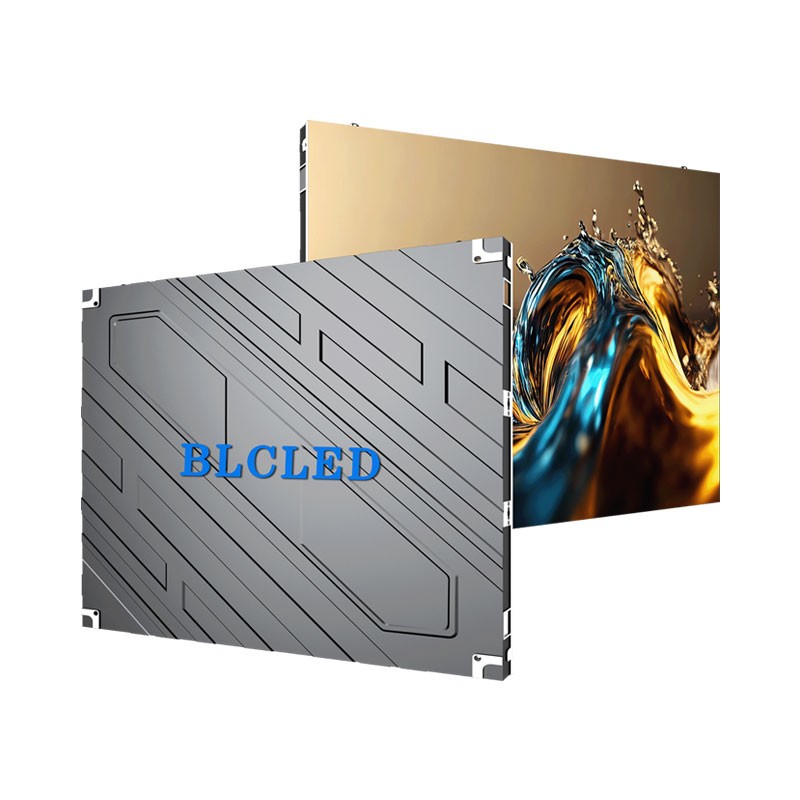
A lobby screen has only a few seconds to do its job. Visitors should be able to read a welcome message, find an event, or recognise a brand without stepping back, squinting, or waiting for an animation to finish. That practical test is a better starting point for an indoor display than a long feature list. Clarity begins with the visitor’s stopping distance Viewing distance is the first control on whether an image looks intentional or merely bright. In a reception area, people may pause close to the screen, walk past it at an angle, or look up while checking in. An indoor LED display screen must therefore make its smallest important text readable from the nearest realistic position, not just look impressive from across the room. Pixel pitch matters because it sets how much image detail can be formed within a given area. A smaller pitch can support finer detail at close range, but it does not rescue an overcrowded message or a poorly placed screen. Treat pitch as part of a reading-distance decision: map the closest standing point, the usual walking route, and the farthest point where the message still has to work. The nearest viewer sets the hard limit The nearest viewer often reveals problems that a wide room view hides. Small text can merge into a gray band, and diagonal graphics can look rough when the image is asked to carry more detail than the screen and distance can comfortably deliver. For that reason, a scale test should use the smallest real-world item that matters. Put the actual reception message, QR code, menu, or wayfinding arrow on a trial canvas. If it is not comfortably readable at the closest intended position, simplify the content or revisit the display plan before moving on to cabinet details. Message hierarchy keeps the wall useful Good lobby content gives the eye one clear task at a time. A screen can carry several messages through the day, yet each frame should make its main message obvious before a visitor has time to look away. This is where an indoor LED video wall earns its space: it can create a continuous canvas, but only if the content respects the way people actually pass through the room. Build each scene around a simple hierarchy: One primary message, such as a welcome, direction, or event name. One supporting detail, such as a time, floor, or short callout. Clear contrast between text and its background. Enough empty space that the message does not compete with decorative motion. Movement should support the message instead of delaying it. Slow, purposeful transitions can make a wall feel alive, while rapid looping effects make text harder to catch for people who enter mid-sequence. A clear first frame is especially valuable in a lobby, where most viewers will not wait for a second chance to read it. Light around the screen changes the result Ambient light affects whether contrast remains comfortable and legible. A wall facing glass, reflective stone, or a bright entry zone may need a different brightness setting from the same wall placed deeper inside the building. The useful target is readable contrast without turning the display into the brightest object in a space meant for conversation or arrival. The installation plan should also allow content calibration. Test a representative colour palette and a plain background during commissioning, then record the agreed settings for future updates. Lobby situation What visitors need to see A practical content response Close check-in point Names and directions Large type, short lines, stable first frame Long approach corridor One recognisable message Strong shape, limited copy, high contrast Waiting area Longer story or programme Slower sequence with clear scene changes A service route protects the visual standard Maintenance access affects clarity long after installation day. A screen that is difficult to reach can leave a failed module, a colour mismatch, or a damaged surface in view for longer than anyone planned. Front or rear access should follow the available building space and a safe component-removal path, not an assumption made after the wall is framed. This is also where a project team can connect visual goals to the actual product structure. BLC LED’s Indoor BT Series uses a rigid 640 x 480 format with high-precision construction, system-backup support, and a hard-wired HUB connection. For a fixed indoor LED screen wall, those features are relevant when the brief calls for orderly alignment and a dependable display path, rather than simply adding specifications to a proposal. The handover should identify the approved brightness profile, common content layouts, the safe service direction, and the steps for checking a replacement module against the surrounding image. Those details help a facilities team restore the intended look under pressure. The screen and the message need one final rehearsal A finished installation should be tested as visitors will use it, not only as technicians see it. Walk the entrance route, stand at the check-in point, and test the welcome line, directional information, and short branded sequence. This rehearsal also exposes whether an indoor LED display is carrying too much. If visitors need to stop and decode the wall, reduce the copy, enlarge the primary message, or break the information into scenes. An indoor advertising LED display screen works best when it gives people a useful cue quickly, then lets the architecture and service experience do the rest. Summary An indoor wall stays clear when the plan begins with the closest viewer, gives every frame a clear message hierarchy, and preserves the image through a realistic service route. For lobby projects, the next decision is not which specification sounds largest; it is whether the proposed screen and content work together at the exact places visitors will stand and move. FAQ Does a smaller pixel pitch always make lobby content better? A smaller pitch can improve close-range detail, but content hierarchy still matters. Large, well-spaced text and clear contrast are often more valuable than adding detail that the message does not need. What content should an indoor LED video wall show first? Show the message a visitor needs immediately, such as a welcome, direction, or event name. Place secondary details after the main message is already clear. Can an indoor LED screen wall handle both branding and wayfinding? Yes, provided the two purposes do not compete in the same moment. Use short wayfinding scenes when visitors need direction, then return to brand content when the screen has more time to tell a story.
3rd سبتمبر 2026

كيف يمكن لشاشة LED واحدة للإيجار أن تناسب مسارح مختلفة؟

A rental screen earns its place when it moves between stage designs without forcing the crew to relearn the system. A keynote may need a wide wall, while the next show calls for wings, a corner, or a curve. The practical question is whether those shapes can be built predictably with one disciplined workflow. Flexible Inventory Depends on Repeatable Geometry An LED rental screen becomes versatile when cabinet sizes, locks, service access, and signal paths work as one platform. Unrelated cabinets multiply spare-part decisions and assembly habits. A useful system limits those changes while preserving layout flexibility. Panel Sizes Should Solve the Layout Math Stage drawings rarely share one set of proportions. A 500 x 500 mm cabinet gives finer edge control, while a 1000 x 500 mm cabinet reduces handling across a large rectangle. The useful mix reaches common dimensions without creating rarely used panels. This is where a defined rental family becomes relevant. BLC LED’s BP series includes 500 x 500 mm and 1000 x 500 mm indoor panel options. Its high-precision die-cast enclosure supports quick, accurate assembly, so the cabinet platform follows the layout plan. Curves Need a Known Angle and Radius A curve is dependable only when the drawing and cabinet mechanism describe the same geometry. The BP platform supports 45-degree inner and outer curves, and eight cabinets can form a 1.25-meter-diameter circle in the specified configuration. That makes a curved LED screen a planned shape rather than an improvised bend. The radius must still be confirmed for the exact model, connectors, and supporting structure. Cabinets with the same outside dimensions do not necessarily share curve hardware or load paths. Indoor and Outdoor Shows Need Separate Configurations LED screens for events may share a modular appearance, but a ballroom and an open-air festival create different conditions. The inventory plan can preserve one workflow while keeping environmental specifications separate. Indoor and outdoor cabinets should not be treated as interchangeable. Brightness Follows the Venue, Not the Largest Number Indoor BP models provide 600 or 800 nits depending on pitch, while outdoor BP models provide 3,500 to 5,000 nits. Indoor output must work with controlled lighting and cameras; an outdoor stage may need more headroom against daylight. Protection ratings also separate the groups: indoor BP models are IP31, while outdoor BP models are IP65. Naming and packing logic can remain familiar without assigning one configuration to every venue. Viewing Distance Sets the Useful Pixel Pitch Pixel pitch should follow the nearest important viewing position and the level of detail in the content. The BP indoor range covers P1.56 through P3.91, while the outdoor range covers P1.95 through P4.81. A smaller pitch supports closer viewing, but screen size, processing, and budget still matter. A stage rental LED screen therefore needs a layout record with physical dimensions and the expected audience zone. A drawing without its viewing assumptions may fail at the next venue. Fast Changeovers Come From Standard Work Changeover speed depends on decisions made before loading. Cabinet labels, cable maps, controller files, spare locations, and packing order should match the drawing. Stable details let the crew focus on what is genuinely different. A practical show file should contain: A cabinet map with row, column, and curve positions. Power and data routes that match labeled cables. A controller preset named for the event and screen. A spare plan for compatible modules, cabinets, and tools. A quarantine rule for damaged parts. One Repair Should Be Rehearsed Before Show Day Service access matters because a fast build is incomplete if a failed section cannot be reached. BP rental cabinets support front and rear maintenance. The plan should identify which side remains accessible after scenery, speakers, and barriers are installed. A useful rehearsal follows one fault from identification to a restored image. The crew locates the cabinet, isolates power and data, replaces the approved part, confirms alignment, and returns the removed item to a marked case. This exposes missing tools or blocked access before show day. Image Consistency Must Survive Reassembly A rental wall is repeatedly rebuilt, so visual acceptance must be repeatable too. BP indoor and outdoor models list a 3,840 Hz refresh rate with configuration-specific gray levels. The finished image also depends on calibration, controller settings, content, and cameras. An LED wall for events should be checked with demanding content, not only a bright promotional loop. Dark gradients can expose low-level differences, thin text can reveal mapping errors, and side views can reveal a poor joint. A Repeatable Test Scene Makes Acceptance Faster The same test sequence should be used from warehouse preparation through handover. It can include gradients, neutral gray, skin tones, saturated colors, fine text, fast motion, and a controlled full-white check. Camera operators should test frame rate and shutter settings before doors open. The purpose is to separate normal venue differences from mapping, calibration, assembly, or signal faults. The Best Rental System Is the One the Crew Can Repeat One LED rental screen can serve different stages when its flexibility is defined. Repeatable geometry handles flat walls, wings, corners, and curves; separate indoor and outdoor configurations preserve suitability for each venue; and standard show files simplify changeovers. Compare the layouts used most often and confirm which cabinet mix covers them with the fewest exceptions. Share recurring stage drawings, viewing zones, rigging limits, and changeover timing through our project details page. BLC LED can then match the BP platform to the layouts your crew builds. FAQ Can One Rental Platform Be Used Indoors and Outdoors? One platform may offer indoor and outdoor models, but they are not identical. Brightness, protection, power behavior, and operating conditions must match the venue. Which Cabinet Size Works Best for Changing Stage Layouts? A 500 x 500 mm cabinet offers finer control around edges and curves, while a 1000 x 500 mm cabinet reduces handling across large flat areas. The best mix covers recurring drawings without creating rarely used combinations. Can Rental Panels Form a Curved Stage Wall? Yes, when the cabinet includes defined curve hardware. The BP series supports 45-degree inner and outer arcs in its specified configuration. Confirm the radius, connectors, support method, and model before approval. Is a 3,840 Hz Refresh Rate Enough for Live Event Video? A 3,840 Hz refresh rate is a strong foundation, but it does not guarantee every camera result. Gray-level performance, controller settings, camera frame rate, shutter settings, and exposure also matter. Test the full signal chain.
27th أغسطس 2026

كيفية حساب تكاليف تشغيل شاشات LED الخارجية

The purchase price is only the first bill attached to an outdoor display. Electricity, maintenance access, spare parts, and lost advertising time can quietly cost more over the screen’s working life. The useful buying question is therefore simple: which configuration will deliver the required visibility at the lowest realistic annual operating cost? The answer comes from modeling the site, not from choosing the lowest quotation. Put Every Recurring Cost on One Annual Line An outdoor LED screen needs a simple cost model before it needs a product comparison. Add annual electricity, planned maintenance, expected repair labor, access equipment, replacement parts, and the value of likely downtime. Keep installation and purchase costs separate so a cheap cabinet cannot hide an expensive service route. The calculation only needs to expose assumptions and make competing proposals comparable. Cost driver Evidence to collect Annual calculation Electricity Average draw at realistic brightness kW x operating hours x tariff Routine service Visit frequency and crew size Visits x labor and access cost Corrective repair Likely interventions and parts Events x labor, access, and parts Downtime Time to diagnose and restore Lost hours x value per active hour Separate Average Draw From Maximum Load Maximum power helps size electrical equipment, but average power is the better starting point for an energy budget. Content, brightness, and operating hours change actual consumption. Ask bidders to state both figures under defined conditions and compare one scenario. Our Outdoor Ti Series offers an average-power range of 100-200 W/m2 and a maximum range of 650-750 W/m2, depending on configuration and operating conditions. Those ranges are not an electricity bill by themselves. Apply the expected screen area, daily schedule, local tariff, and brightness profile to estimate one. Give Downtime a Financial Value Downtime becomes measurable when the operator values each unavailable hour. For a roadside billboard, that may be contracted media time; for a venue, a disrupted event. Even a rough value shows why fast diagnosis and accessible components can outweigh a small purchase discount. Match Brightness to the Site, Hour by Hour Brightness should follow ambient light rather than remain fixed at its daytime setting. Running an outdoor LED display harder than the site requires wastes electricity and can make nighttime content uncomfortable. The target is sufficient contrast, with lower output when conditions allow. Build a Usable Operating Profile A realistic profile separates full sun, overcast periods, dusk, night, and closed hours. Operators can then test changes without weakening the display’s purpose: Schedule the screen off when there is no audience or contracted content. Use lower brightness settings when ambient conditions allow. Avoid large white backgrounds when the campaign design can work with darker scenes. Review settings seasonally instead of leaving commissioning values untouched. Our Outdoor Ti Series provides model-dependent brightness options from 5,000 to 10,000 nits. The correct setting depends on orientation, shade, local rules, viewing distance, and content. A specification ceiling is capacity, not an all-day setting. Design One Common Repair Before Approving the Structure Maintenance cost is often decided by the steelwork and access route. An LED advertising screen that requires a lift, lane closure, or large crew for a module change will repeat that burden at every visit. The cheaper direction is the one technicians can use safely on site. Compare the Same Module-Swap Scenario Ask each bidder to describe one repair from fault alert to restored image. Count diagnosis, travel, access equipment, crew, removal, replacement, alignment, and testing. This turns “easy maintenance” into a sequence that can be priced. Our Outdoor Ti cabinets support both front and rear access, allowing the service direction to follow the installation. Front access can be useful where there is limited or no usable space behind the screen. Rear access can remain practical when a safe corridor already exists. Neither option is automatically cheaper; the surrounding structure and repeated labor decide the result. A waterproof LED display still needs serviceability. Our Outdoor Ti Series is rated IP65, but technicians must protect seals, connectors, and drainage paths whenever a cabinet is opened. Include those checks in the repair method. Buy Evidence That Protects the Cost Model A forecast is useful only if the delivered screen behaves like the proposal. Before shipment, verify consistent operation, module alignment, controls, and the agreed service procedure. Product verification should protect the cost model, not become a list of claims. At BLC LED, our quality-control process includes incoming inspection, in-process control, finished-product testing, and a 72-hour burn-in test. For a large outdoor LED video wall, the acceptance review should also reproduce the intended brightness schedule, check power readings, confirm front or rear removal, and record the controller configuration. A documented pre-shipment verification can help catch an expensive mismatch before freight and site labor make correction harder. The handover should include labeled spares, configuration backups, maintenance instructions, and fault-escalation contacts. These items shorten diagnosis and help the operator update the model with actual data. Use a Cost Rule That Remains Useful After Installation The best decision is the configuration with the lowest credible annual cost while meeting visibility, safety, and uptime needs. Compare average power under one operating profile, price one common repair, value downtime, and verify those assumptions before shipment. After launch, review electricity and service records quarterly; the model should become more accurate as the operator learns how the site behaves. For a project-specific comparison, share the screen area, location, operating schedule, access constraints, electricity tariff, and uptime target through our project contact page. We can map those inputs to an outdoor configuration without treating maximum specifications as everyday requirements. FAQ How Do I Estimate Annual Electricity Cost? Multiply expected average power in kilowatts by annual operating hours and the local electricity tariff. Use a day-and-night brightness profile instead of maximum power, which is mainly relevant to electrical-system sizing. Does Lower Brightness Always Mean Lower Operating Cost? Lower output generally reduces energy demand, but brightness must still protect visibility and the commercial purpose of the screen. The useful saving comes from matching output to ambient light and active audience hours. Is Front Service Always Cheaper Than Rear Service? No. Front service can avoid a rear corridor and shorten some repairs, while rear service may be efficient where safe access already exists. Price the same repair scenario for the actual structure before deciding. What Should a Pre-Shipment Test Cover? The test should cover image uniformity, controller settings, power behavior, brightness control, component removal, reassembly, and the agreed fault-recovery steps. Record the accepted configuration for site commissioning. How Often Should the Cost Model Be Updated? Review it quarterly during the first year, then at a frequency that matches operational change. Update actual energy use, service labor, parts, access costs, downtime, tariffs, and operating hours so future decisions use site evidence.
20th أغسطس 2026

كيف تتناسب شاشة LED غير منتظمة مع الهندسة المعمارية

Introduction An irregular LED display fits architecture when its geometry, pixel layout, support structure, service access, and content are engineered as one system. Buyers should start with drawings and viewing conditions rather than selecting a standard cabinet first. This approach helps a custom screen follow curves, corners, columns, or sculptural forms while giving architects, contractors, advertisers, and integrators a clear basis for comparing proposals. Why Standard Rectangles Create Design Conflicts A conventional rectangular screen works well on a flat wall, but it can force awkward framing around curved or three-dimensional surfaces. An irregular LED display becomes part of the architectural form. It may wrap a column, turn a corner, form a ring, or create a freestanding object. Geometry Must Be Defined Before Cabinet Selection Accurate geometry is the first control point for a custom LED display. The supplier needs overall dimensions, radius, angle changes, mounting points, tolerances, and required openings. A curved LED screen designed from an approximate radius can produce gaps or stress modules and frames. Clear drawings show whether an angled cabinet, flexible module, or purpose-built enclosure is practical. Content Must Follow the Physical Surface Content planning is the second control point because unusual shapes change how images are viewed. A flexible LED display wrapped around a cylinder needs a different pixel map from a flat canvas. A creative LED display shaped as a sphere, cube, or disc needs safe zones for logos and text. Request a content template before production so the media team can test graphics across seams, corners, and curves. Match the Display Structure to the Shape The right structure depends on whether the form is curved, sharply angled, three-dimensional, fixed, or frequently moved. A custom LED display can be produced as arcs, circles, spheres, cubes, and other tailored forms, with dimensions adjusted to project requirements. BLC LED also supports modules that can follow highly curved surfaces. Flexible Modules Suit Continuous Curves A flexible LED display suits a smooth, continuous bend or non-flat substrate. The project still needs a stable support surface, accurate module alignment, organized power and signal routing, and a realistic maintenance method. Flexible modules do not replace structural engineering. Angled Cabinets Suit Repeatable Facets An angle-adjustable cabinet can suit repeatable facets, inner curves, or outer curves. BLC LED rental BP cabinets can form 45-degree inner and outer arcs with precision joints. This approach gives a curved LED screen predictable alignment, especially when it must be dismantled and rebuilt. The final choice should follow the radius and transport plan. Use these practical distinctions during concept review: Choose flexible modules for smooth curves and closely integrated surfaces. Choose angled cabinets for repeatable radii, faceted forms, or rental use. Choose purpose-built frames for spheres, cubes, discs, counters, and branded objects. Confirm the support structure before approving the visual design. Engineer Maintenance Before Fabrication Maintenance access is easiest to solve before frame manufacture. A creative LED display may look clean yet become difficult to operate if technicians cannot remove a module, power supply, or receiving card. Wall-flush, recessed, cylindrical, and sculptural installations often favor front access because rear space may not exist. Freestanding structures may allow rear access when a safe route is built into the frame. Specify a Component-Removal Path A maintenance plan should show how each serviceable part reaches the technician. For a curved LED screen, it must also protect neighboring modules during removal. Ask for the tools, access direction, cable clearances, spare-part position, and realignment steps. This evidence is more useful than a general promise of easy maintenance. Build a Complete RFQ Package A strong request for quotation reduces assumptions and makes supplier proposals easier to compare. Send the same project information to every bidder: Dimensioned architectural drawings, radius, angles, and mounting points. Intended indoor or outdoor location and expected viewing distances. Required shape, active display area, and preferred pixel pitch. Front-service or rear-service constraints and available working space. Content sources, playback formats, control method, and pixel-map needs. Packing, installation, commissioning, training, spares, and support expectations. This RFQ package separates a production-ready proposal from an attractive concept with unresolved engineering details. It also improves discussions about quality, risk, and operating effort. Verify Manufacturing and Quality Control Manufacturing control matters because dimensional errors can repeat across an entire custom LED display. BLC LED integrates research and development, production, sales, and service, supporting coordination from drawings through assembly. Its documented process includes incoming, in-process, and finished-product inspection, plus a 72-hour burn-in test before shipment. A pre-shipment review should confirm geometry, seam consistency, playback, controller configuration, and service procedure. For a shaped installation, assembly photos, video, or remote inspection can reveal mapping errors before international transport. Buyers should also request labeled packing and an installation sequence matching the approved drawings. Request an Engineering Review A workable design starts with accurate project inputs. Share your drawings, viewing distances, installation conditions, service constraints, and content requirements with BLC LED to discuss a creative LED display solution. The engineering review can then compare flexible modules, angled cabinets, and purpose-built structures before the shape and quotation are finalized. FAQ Can an Irregular LED Display Follow Any Shape? An irregular LED display can support arcs, circles, spheres, cubes, discs, counters, and other custom structures. Feasibility depends on radius, module size, structural support, viewing direction, service access, and content mapping. Is a Flexible LED Display the Same as a Curved Screen? A flexible LED display is one way to create a curve; another is an angle-adjustable cabinet or custom frame. The suitable method depends on continuous bends, repeatable facets, portability, and permanence. How Should Buyers Select Pixel Pitch for a Creative LED Display? A creative LED display should use a pixel pitch matched to viewing distance, content detail, surface geometry, and budget. Review simulated content at realistic scale because text and fine graphics behave differently across corners and curves. How Should a Curved LED Screen Be Maintained? A curved LED screen should have a documented front- or rear-service route, suitable removal tools, labeled cables, accessible spare parts, and an alignment procedure. The maintenance method should be tested during factory assembly rather than decided after installation.
13th أغسطس 2026
بيت
واتساب
بريد إلكتروني
جهات الاتصال