LED 디스플레이는 어떻게 영상을 빛으로 변환할까요?

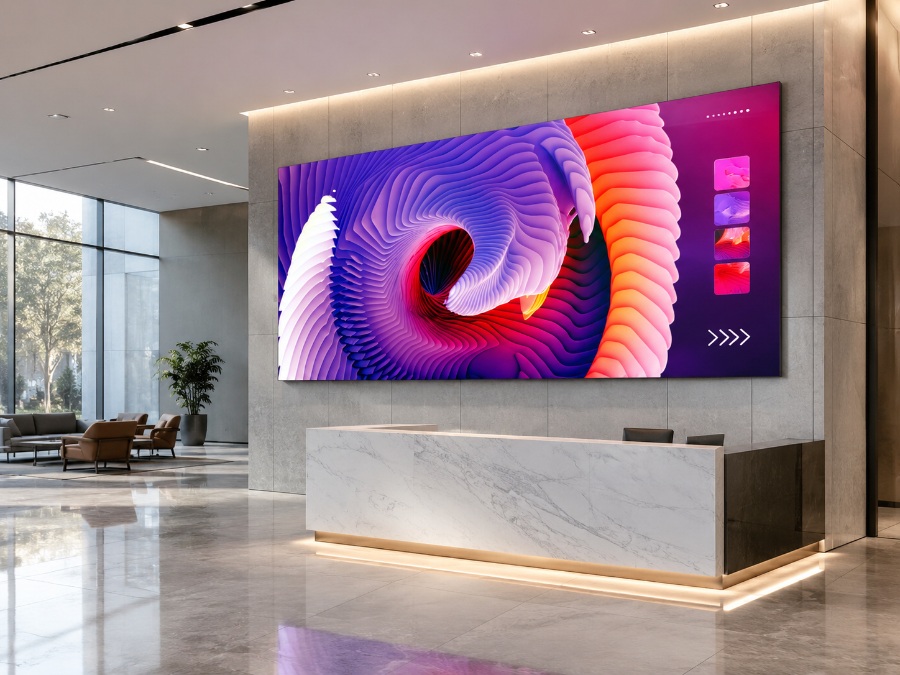
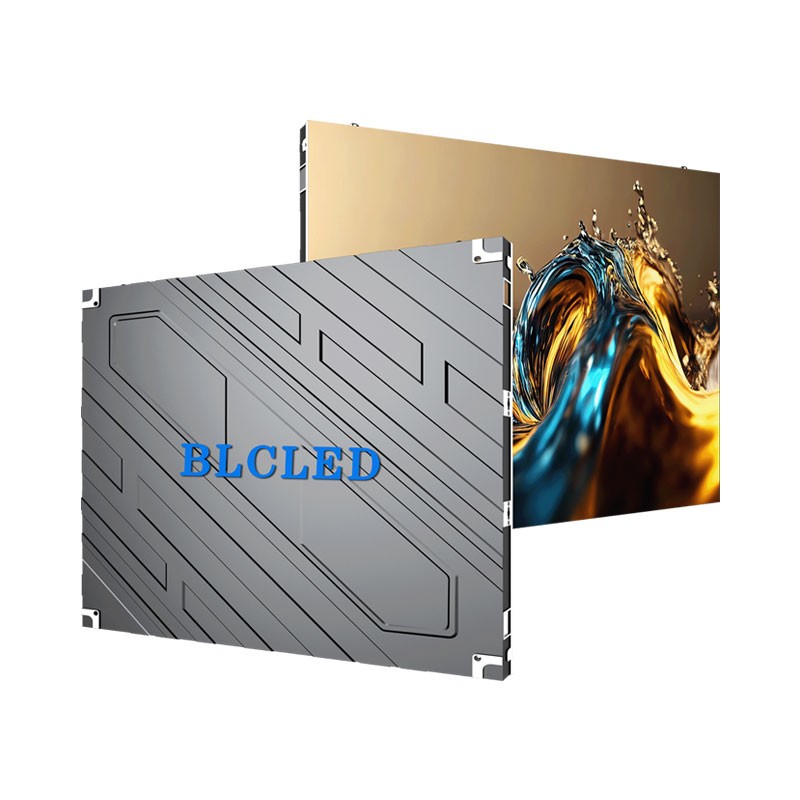
구매자는 LED 월에 선명한 이미지를 볼 수 있지만, 그 이면에 숨겨진 일련의 의사 결정 과정을 알 필요는 없습니다. 하지만 그 과정을 이해하면 화면을 마치 알 수 없는 블랙박스처럼 여기지 않고 콘텐츠, 시청 거리, 서비스 접근 방식 등을 더 쉽게 지정할 수 있습니다. 이미지는 매핑된 픽셀 데이터로 시작됩니다. LED 디스플레이는 비디오 소스를 입력받아 시작하지만, 프로세서가 이미지를 물리적 픽셀 레이아웃에 매핑하기 전까지는 해당 소스를 표시할 수 없습니다. 노트북, 미디어 플레이어, 카메라 또는 컨트롤러가 프로세서로 콘텐츠를 전송합니다. 비디오 프로세서와 제어 시스템은 수신된 이미지를 확대/축소하고 화면 캔버스에 매핑합니다. 그런 다음 수신 카드가 매핑된 디스플레이 데이터를 해당 모듈로 전달합니다. 그렇기 때문에 LED 디스플레이 화면은 실제 콘텐츠와 의도된 크기에 맞춰 설계되어야 합니다. 넓은 환영 벽, 무대 배경, 좁은 정보 표시판 모두 LED를 사용할 수 있지만, 각각의 용도와 콘텐츠 우선순위는 처음부터 달라야 합니다. 각 픽셀은 제어 가능한 세 가지 색상을 혼합합니다. 각각의 풀컬러 픽셀은 빨강, 초록, 파랑 ​​광원을 사용합니다. 컨트롤러는 이 광원들의 상대적인 출력을 조절하여 이미지의 해당 지점에 필요한 색상과 밝기를 만들어냅니다. 흰색 배경은 세 가지 색상 채널 모두의 조화로운 조합이 필요하고, 진한 파란색 장면은 완전히 다른 조합이 필요합니다. 수백만 가지의 제어된 조합을 통해 비디오, 텍스트, 그래픽을 구현할 수 있습니다. 픽셀 피치는 인접한 픽셀 중심 사이의 거리이므로, 시청자가 이미지 구조를 인지하기 전에 얼마나 가까이 다가갈 수 있는지에 영향을 미칩니다. 픽셀 피치가 작을수록 가까운 시청 위치에서 더 세밀한 디테일을 표현할 수 있지만, 메시지 전달에 실제로 그러한 디테일이 필요한 경우에만 유용합니다. 중요한 것은 사람들이 무엇을 읽어야 하는지이지, 단순히 숫자가 가장 작은지가 아닙니다. 캐비닛은 신호 전력과 정렬 기능을 담당합니다. 디스플레이 모듈은 완성된 벽면의 한 부분일 뿐입니다. 캐비닛은 기계적 구조와 정렬을 제공하는 동시에 전원 공급 장치, 수신 하드웨어, 모듈 및 신호 연결부를 수용하여 여러 모듈이 하나의 디스플레이처럼 작동할 수 있도록 합니다. 캐비닛 라인의 정렬이 어긋나거나 신호 경로가 잘못 구성되면 기술적으로 우수한 모듈이라도 깨끗하고 끊김 없는 화면을 제공할 수 없습니다. 이러한 이유로 LED 비디오 월 패널은 개별 타일 형태로 선택하기보다는 시스템으로 설계됩니다. 설치팀은 콘텐츠 테스트를 의미 있게 진행하기 전에 캐비닛 배치, 컨트롤러 용량, 케이블 경로, 전기 보호 장치 및 향후 유지 보수를 위한 실질적인 경로를 확인해야 합니다. 단계 무슨 일이 일어나는가 프로젝트 팀이 관심을 가져야 하는 이유 콘텐츠 입력 소스는 프로세서에게 비디오 또는 그래픽 콘텐츠를 전송합니다. 원본 해상도와 화면비는 확대/축소 및 텍스트 선명도에 영향을 미칩니다. 처리 중 프로세서는 모든 프레임을 화면의 실제 픽셀 캔버스에 매핑합니다. 정확한 매핑은 이미지가 잘리거나, 로고가 늘어나거나, 텍스트가 잘못 배치되는 것을 방지합니다. 전수 수신 카드는 매핑된 데이터를 각 캐비닛 내부의 모듈로 분배합니다. 계획된 신호 경로는 기술자가 벽의 나머지 부분을 건드리지 않고도 고장 지점을 찾아낼 수 있도록 도와줍니다. 광출력 빨강, 초록, 파랑 ​​LED는 눈에 보이는 픽셀 색상을 생성합니다. 밝기와 픽셀 피치는 방의 환경과 가장 가까이 있는 시청자에게 적합해야 합니다. Refresh는 동작의 일관성을 유지합니다. 주사율은 LED 구동 시스템이 광 출력을 업데이트하는 빈도를 나타내며, 프레임률은 새로운 비디오 프레임이 제공되는 빈도를 나타냅니다. 주사율은 특히 빠르게 움직이는 콘텐츠나 카메라로 LED 화면을 촬영할 때 중요해집니다. 주사율은 프레임률, 콘텐츠 준비, 신호 처리, 캘리브레이션, 주변 조명, 디스플레이의 물리적 상태와 함께 이미지 품질을 결정하는 요소 중 하나입니다. 따라서 풀컬러 LED 디스플레이는 실제로 재생할 콘텐츠를 기준으로 평가해야 합니다. 느린 속도의 길찾기 콘텐츠는 레이아웃 문제나 명암 대비 문제를 드러낼 수 있고, 빠른 속도의 제품 영상은 화면 배율 문제나 신호 경로 불량을 보여줄 수 있습니다. 단순히 반복 재생하는 데모에만 의존하는 것보다 인수 전에 두 가지 유형의 영상을 모두 테스트하는 것이 훨씬 유용합니다. 단일 모듈은 계속해서 같은 단계를 유지해야 합니다. LED 디스플레이 패널은 인접한 패널과 함께 정확한 타이밍 및 색상 정보를 수신해야 합니다. 그렇지 않으면 이미지에 일부가 누락되거나, 타이밍이 일치하지 않거나, 색상이 눈에 띄게 어긋날 수 있습니다. 반면 물리적 이음매는 주로 캐비닛 정렬 및 평탄도에 의해 제어됩니다. 따라서 시운전에는 개별 모듈 점검뿐 아니라 전체 캔버스 테스트가 포함되어야 합니다. 이것이 전체 디스플레이가 하나의 표면처럼 작동하는지 확인하는 가장 간단한 방법입니다. 시청 환경이 전체적인 그림을 완성합니다. 같은 화면이라도 그늘진 로비에서는 선명하게 보이지만 밝은 유리창 옆에서는 어색하게 느껴질 수 있는데, 이는 주변 조명이 인지되는 명암비를 변화시키기 때문입니다. 시청 각도, 표면 반사, 그리고 일반적인 이동 경로 또한 시청자가 보는 것에 영향을 미칩니다. 따라서 이러한 조건들을 고려하여 하드웨어 선택만큼이나 콘텐츠 우선순위를 정해야 합니다. 가장 가까운 실제 시청 위치에서 가장 작고 중요한 텍스트를 테스트하십시오. 정지 이미지를 확인하세요.매핑을 수락하기 전에 모션 클립과 라이브 소스를 확인하세요. 운영팀이 활용할 수 있도록 전원, 신호 및 서비스 접근 정보를 문서화하십시오. 대규모의 연속적인 화면이 필요한 프로젝트의 경우, 상용 LED 디스플레이를 통해 다양한 요소를 하나의 표면에 통합할 수 있습니다. BLC LED의 실내 고정 설치 옵션에는 정밀한 캐비닛 구조와 전면 서비스 구성이 포함되어 있어, 구축된 공간에서 정확한 정렬과 실용적인 유지보수 접근성을 동시에 확보할 수 있습니다. 기술을 이해하는 실용적인 방법 LED 월은 매핑된 디지털 정보를 수백만 개의 픽셀 위치에서 제어된 빛으로 변환하여 작동합니다. 그다음으로 유용한 단계는 이러한 간단한 원리를 현장에 적용하는 것입니다. 즉, 실제 콘텐츠를 정의하고, 가장 가까운 시청자를 파악하고, 물리적인 벽면을 확인하고, 유지 관리 계획을 수립하는 것입니다. 이러한 순서를 따르면 프로젝트가 단순한 사양 작성에 그치지 않고 기술을 메시지 전달에 활용할 수 있습니다. 자주 묻는 질문 모든 LED 픽셀에 빨강, 초록, 파랑 ​​빛이 포함되어 있습니까? 풀컬러 디스플레이는 빨강, 초록, 파랑 ​​광원을 사용하여 가시적인 픽셀 색상을 구현합니다. 정확한 패키지 디자인은 제품 및 용도에 따라 다릅니다. 픽셀 피치는 무엇을 바꾸나요? 픽셀 피치는 픽셀 간의 간격입니다. 이는 특정 시청 거리에서 인지할 수 있는 디테일의 양에 영향을 미치며, 시청자가 가장 가까이에서 화면을 볼 수 있는 위치와 일치해야 합니다. 비디오 프로세서가 필요한 이유는 무엇입니까? 프로세서는 들어오는 콘텐츠를 화면의 물리적 픽셀 캔버스에 맞게 조정하고, 제어 시스템은 매핑된 데이터를 해당 디스플레이 영역에 분배합니다. 동일한 LED 월에서 실시간 영상과 그래픽을 동시에 표시할 수 있나요? 예, 소스, 프로세서, 매핑 및 새로 고침 성능이 의도한 자료에 맞게 구성되어 있다면 가능합니다. 두 가지 모두 시운전 중에 테스트해야 합니다. 현장 팀은 인수인계 전에 무엇을 확인해야 할까요? 설치된 조명의 실제 내용, 지도, 밝기, 신호 연속성 및 정기적인 모듈 또는 전원 서비스 시 안전 경로를 확인하십시오.
17th 9월 2026

곡면 공간에 맞춰 유연하게 설치되는 LED 스크린은 어떻게 작동할까요?

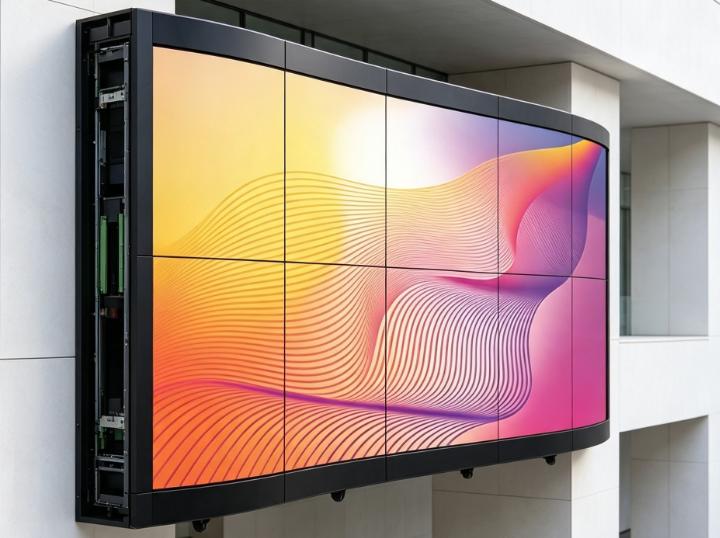
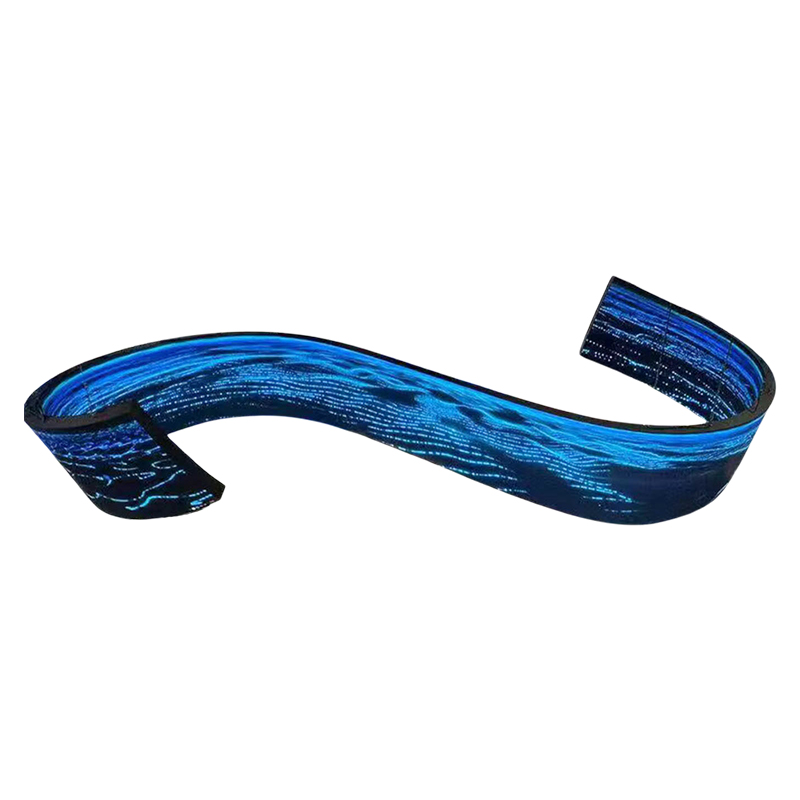
평면 LED 벽은 설계하기 쉽지만, 많은 소매점 내부, 아트리움, 박물관, 브랜드 파사드는 평평하지 않습니다. 여기서 중요한 질문은 유연한 패널이 구부러질 수 있는지 여부가 아니라, 설치 후에도 구부러진 형태, 서비스 접근성, 이미지 품질, 지지 구조가 예측 가능한 수준으로 유지될 수 있는지 여부입니다. 이 글에서는 곡선형 디자인이 비용 낭비로 이어지기 전에 이러한 적합성을 판단하는 방법을 설명합니다. 부지의 형태가 전시 방식을 결정한다 설치 장소의 지형을 고려하여 스크린을 선택해야 합니다. 입면에서 보기에 괜찮아 보이는 스크린이라도 모서리, 이음새 또는 설비 지점에서는 문제가 발생할 수 있기 때문입니다. 유연한 LED 스크린은 설치 표면이 곡선이거나 불규칙한 윤곽을 가질 때 유용합니다. 실제 표면적, 사용 가능한 치수, 시야 위치, 장애물 및 기술자 접근성을 기록하십시오. 이러한 측정값을 통해 유연 패널, 곡선형 캐비닛 또는 소형 강성 섹션을 안정적으로 설치할 수 있는지 여부를 판단할 수 있습니다. 현장 조건 유연한 접근 방식 확인 지점 하나의 완만한 곡선 곡선형 모듈 또는 유연한 패널 최소 반경 및 지지대 간격 밀폐된 원통형 또는 기둥형 유연하거나 부드럽게 연결되는 모듈 이음매 연속성 및 케이블 간격 곡선과 모서리가 혼합되어 있습니다. 맞춤형 모양의 섹션 전환 기하학 및 서비스 접근 하나의 특징적인 곡선이 있는 평평한 벽 하이브리드형 강성 및 유연성 레이아웃 시스템 간 공동 정렬 반경은 기계적 한계이지 설계 제안이 아닙니다. 모든 플렉시블 LED 디스플레이에는 기계적 한계로 간주해야 하는 지정된 굽힘 범위가 있습니다. 이 범위를 초과하면 응력이 발생하거나, 접합부가 고르지 않게 되거나, 부품이 손상될 수 있습니다. 표면, 고정 장치, 케이블 및 보호 장치를 포함한 전체 조립체를 기준으로 굽힘 반경을 확인하십시오. "곡선형"이라는 용어는 매우 다양한 결과를 나타낼 수 있습니다. 넓은 호를 그리며 곡선형으로 배치된 디스플레이는 곡선형 캐비닛을 사용할 수 있는 반면, 좁은 기둥 형태의 디스플레이는 유연한 연결 방식과 다른 지지 방식을 필요로 할 수 있습니다. 따라서 단순히 디자인이 "곡선형"이라고 설명되어 있다는 사실이 아니라, 실제 측정된 기하학적 형상을 바탕으로 적합한 LED 디스플레이 구조를 결정해야 합니다. 유연한 모듈로 특정 시각적 문제를 해결합니다. 유연한 LED 디스플레이는 디스플레이 표면이 변화하는 건축물의 윤곽을 따라야 할 때 유용합니다. 유연한 배선 연결 덕분에 모듈은 완전히 고정된 조립체보다 곡선이나 불규칙한 표면을 따라 더 자유롭게 움직일 수 있어 각 부분 간의 정렬을 더욱 일관되게 유지할 수 있습니다. 디스플레이가 곡선형 접수 벽면, 감싸는 형태의 기둥 또는 조형물처럼 공간의 일부가 될 때 가장 큰 효과를 발휘합니다. 단, 안정적인 지지대와 명확한 교체 경로가 필요합니다. 유연한 연결부는 여전히 세심한 설치가 필요합니다. 소프트 와이어링 연결에서도 체계적인 케이블 배선, 적절한 장력 완화 장치, 그리고 명확한 식별이 필요합니다. 케이블 관리가 부실하면 커넥터에 불필요한 부담이 가해지고, 유지보수가 복잡해지며, 신호 또는 전원 연결 불안정의 위험이 커질 수 있습니다. 승인 전에 다음 사항들을 검토하십시오: 도면에 굽힘 방향과 최소 반경을 표시하십시오. 케이블에 충분한 여유를 두어 움직임으로 인해 커넥터에 장력이 가해지지 않도록 하십시오. LED 모듈이 하중 지지 요소로 사용되지 않도록 지지 구조를 설계하십시오. 모듈 교체를 위해 트림이나 주변 설비 뒤쪽으로 접근 가능한 통로를 확보해 두십시오. 가장 좁은 반경과 가장 눈에 띄는 이음매를 테스트하십시오. 이러한 제어 기능을 통해 현장 상황에 따라 즉시 조정하는 대신 유연성을 반복적으로 확보할 수 있습니다. 이미지 품질은 곡선 외에도 여러 요소에 따라 달라집니다. 최종 이미지 품질은 픽셀 피치, 시청 거리, 캘리브레이션, 프로세싱, 콘텐츠 및 기하학적 구조에 따라 달라집니다. 가까이서 보면 이음새가 보일 수 있지만, 멀리서 보면 사라집니다. 반면 카메라는 육안으로는 잘 보이지 않는 화면 갱신 빈도나 스캔 관련 아티팩트를 드러낼 수 있습니다. 곡면 스크린도 일관된 교정 기준이 필요합니다. 보정은 반복 가능한 기준점을 설정하는 것부터 시작합니다. 곡면 설치를 평가하기 전에 모듈 순서, 픽셀 매핑, 수신 카드 구성 및 밝기 일관성을 확인하십시오. 회전되었거나 잘못 매핑된 부분은 각도 변화에 따라 진단하기가 더 어려울 수 있습니다. 워크숍과 인수인계 시 동일한 테스트 콘텐츠를 사용하십시오. 중성 회색 테스트 패턴은 밝기 불일치를, 어두운 그라데이션은 미세한 균일성 문제를, 그리고 가는 텍스트는 매핑 또는 정렬 오류를 식별하는 데 도움이 될 수 있습니다. 측면을 포함한 주요 시청 위치에서 테스트하십시오. 연속 굽힘보다 맞춤형 모양이 더 나은 경우 특수 형상의 LED 디스플레이는 원형, 구형, 직각 전환 또는 하나의 곡선으로는 따라갈 수 없는 변화하는 윤곽선에 더 적합합니다. 이 과정은 정확한 도면과 디스플레이 표면, 프레임 및 건물 구조를 명확하게 구분하는 것에서 시작됩니다. BLC LED는 호, 원형, 기둥, 구형 및 정육면체 구조물과 같은 다양한 형태에 적용 가능한 유연하고 창의적인 모양의 디스플레이 시스템을 제공합니다. 하이브리드 레이아웃은 위험을 줄일 수 있습니다. 벽면의 일부에만 곡면 디스플레이가 필요한 경우, 하이브리드 레이아웃을 통해 복잡성을 줄일 수 있습니다. 평평한 부분에는 견고한 캐비닛을 사용하고, 곡면이 필요한 부분에만 유연하거나 맞춤형 모듈을 사용할 수 있습니다.여자 이름. 시스템 간 경계를 테스트하십시오. 픽셀 피치, 캐비닛 깊이, 교정, 시야각 및 서비스 접근성을 확인하여 전환 시 시각적 및 기계적으로 일관성을 유지하십시오. 곡선형 LED 프로젝트를 위한 실용적인 승인 경로 승인 시에는 다음 네 가지 질문에 대한 답변을 포함해야 합니다. 정확한 기하학적 구조는 무엇인가? 어떤 구조물이 기계적 한계 내에 있는가? 영상은 어떻게 테스트할 것인가? 기술자는 고장난 모듈을 어떻게 교체할 것인가? 실측 도면, 반경 지도, 지지대 개념도, 케이블 경로, 설비 이격 거리 및 테스트 결과를 포함하는 간결한 승인 패키지를 보관하십시오. 적합한 유연한 디스플레이는 현장과 워크플로에 맞춰야 합니다. 적합한 플렉서블 디스플레이는 측정된 형상을 따르면서도 유지보수를 용이하게 해야 합니다. 플렉서블 모듈은 예측 가능한 곡선에 적합하고, 맞춤형 단면은 변화하는 외형에 더욱 효과적이며, 하이브리드 레이아웃은 특수 제작에 필요한 자재량을 줄일 수 있습니다. 형상, 지지대, 서비스 접근성, 이미지 테스트 등을 종합적으로 검토한 후, 명확한 요구사항을 바탕으로 더욱 다양한 LED 디스플레이 솔루션을 고려할 수 있습니다. 자주 묻는 질문 플렉서블 LED 스크린은 무엇에 사용되나요? 유연한 LED 스크린은 곡면, 원통형 또는 불규칙한 표면에 맞춰 디스플레이를 설치해야 하는 경우에 사용됩니다. 특히 건축물, 소매점 인테리어, 전시회 및 브랜드 공간과 같이 평평한 직사각형 스크린을 사용할 경우 틈이 생기거나 의도한 형태가 손상될 수 있는 곳에 유용합니다. 곡선이 너무 가파른지 어떻게 알 수 있나요? 전체 설치에서 가장 작은 곡률 반경을 측정하고 선택한 패널 또는 캐비닛의 허용 굽힘 범위와 비교하십시오. 이 검사에는 뒷면, 커넥터, 케이블 이동 및 고정 방법도 포함해야 합니다. 시각적 모형을 기계적 호환성의 증거로 절대 간주하지 마십시오. 플렉서블 LED 디스플레이는 야외 사용에 적합한가요? 적합성은 제품의 보호 등급, 재질, 밝기, 열 설계 및 설치 방법에 따라 달라집니다. 실내용 플렉서블 LED 디스플레이는 실외 환경에 적합하지 않을 수 있습니다. 설치 예정 장소의 환경 사양 및 지원 세부 정보를 확인하십시오. 인수인계 전에 무엇을 테스트해야 할까요? 그라디언트, 미세한 텍스트, 어두운 콘텐츠, 모션 및 중립 회색을 사용하여 전체 신호 체인을 테스트합니다. 주요 시청 영역의 이음매를 확인하고, 매핑 및 보정을 검증하며, 최종 접근 경로가 아직 사용 가능한 동안 시험 모듈 교체를 수행합니다.
17th 9월 2026

실내 LED 비디오 월은 어떻게 깨끗하게 유지될 수 있을까요?

A lobby screen has only a few seconds to do its job. Visitors should be able to read a welcome message, find an event, or recognise a brand without stepping back, squinting, or waiting for an animation to finish. That practical test is a better starting point for an indoor display than a long feature list. Clarity begins with the visitor’s stopping distance Viewing distance is the first control on whether an image looks intentional or merely bright. In a reception area, people may pause close to the screen, walk past it at an angle, or look up while checking in. An indoor LED display screen must therefore make its smallest important text readable from the nearest realistic position, not just look impressive from across the room. Pixel pitch matters because it sets how much image detail can be formed within a given area. A smaller pitch can support finer detail at close range, but it does not rescue an overcrowded message or a poorly placed screen. Treat pitch as part of a reading-distance decision: map the closest standing point, the usual walking route, and the farthest point where the message still has to work. The nearest viewer sets the hard limit The nearest viewer often reveals problems that a wide room view hides. Small text can merge into a gray band, and diagonal graphics can look rough when the image is asked to carry more detail than the screen and distance can comfortably deliver. For that reason, a scale test should use the smallest real-world item that matters. Put the actual reception message, QR code, menu, or wayfinding arrow on a trial canvas. If it is not comfortably readable at the closest intended position, simplify the content or revisit the display plan before moving on to cabinet details. Message hierarchy keeps the wall useful Good lobby content gives the eye one clear task at a time. A screen can carry several messages through the day, yet each frame should make its main message obvious before a visitor has time to look away. This is where an indoor LED video wall earns its space: it can create a continuous canvas, but only if the content respects the way people actually pass through the room. Build each scene around a simple hierarchy: One primary message, such as a welcome, direction, or event name. One supporting detail, such as a time, floor, or short callout. Clear contrast between text and its background. Enough empty space that the message does not compete with decorative motion. Movement should support the message instead of delaying it. Slow, purposeful transitions can make a wall feel alive, while rapid looping effects make text harder to catch for people who enter mid-sequence. A clear first frame is especially valuable in a lobby, where most viewers will not wait for a second chance to read it. Light around the screen changes the result Ambient light affects whether contrast remains comfortable and legible. A wall facing glass, reflective stone, or a bright entry zone may need a different brightness setting from the same wall placed deeper inside the building. The useful target is readable contrast without turning the display into the brightest object in a space meant for conversation or arrival. The installation plan should also allow content calibration. Test a representative colour palette and a plain background during commissioning, then record the agreed settings for future updates. Lobby situation What visitors need to see A practical content response Close check-in point Names and directions Large type, short lines, stable first frame Long approach corridor One recognisable message Strong shape, limited copy, high contrast Waiting area Longer story or programme Slower sequence with clear scene changes A service route protects the visual standard Maintenance access affects clarity long after installation day. A screen that is difficult to reach can leave a failed module, a colour mismatch, or a damaged surface in view for longer than anyone planned. Front or rear access should follow the available building space and a safe component-removal path, not an assumption made after the wall is framed. This is also where a project team can connect visual goals to the actual product structure. BLC LED’s Indoor BT Series uses a rigid 640 x 480 format with high-precision construction, system-backup support, and a hard-wired HUB connection. For a fixed indoor LED screen wall, those features are relevant when the brief calls for orderly alignment and a dependable display path, rather than simply adding specifications to a proposal. The handover should identify the approved brightness profile, common content layouts, the safe service direction, and the steps for checking a replacement module against the surrounding image. Those details help a facilities team restore the intended look under pressure. The screen and the message need one final rehearsal A finished installation should be tested as visitors will use it, not only as technicians see it. Walk the entrance route, stand at the check-in point, and test the welcome line, directional information, and short branded sequence. This rehearsal also exposes whether an indoor LED display is carrying too much. If visitors need to stop and decode the wall, reduce the copy, enlarge the primary message, or break the information into scenes. An indoor advertising LED display screen works best when it gives people a useful cue quickly, then lets the architecture and service experience do the rest. Summary An indoor wall stays clear when the plan begins with the closest viewer, gives every frame a clear message hierarchy, and preserves the image through a realistic service route. For lobby projects, the next decision is not which specification sounds largest; it is whether the proposed screen and content work together at the exact places visitors will stand and move. FAQ Does a smaller pixel pitch always make lobby content better? A smaller pitch can improve close-range detail, but content hierarchy still matters. Large, well-spaced text and clear contrast are often more valuable than adding detail that the message does not need. What content should an indoor LED video wall show first? Show the message a visitor needs immediately, such as a welcome, direction, or event name. Place secondary details after the main message is already clear. Can an indoor LED screen wall handle both branding and wayfinding? Yes, provided the two purposes do not compete in the same moment. Use short wayfinding scenes when visitors need direction, then return to brand content when the screen has more time to tell a story.
3rd 9월 2026

하나의 LED 렌탈 스크린으로 다양한 무대에 어떻게 설치할 수 있을까요?

A rental screen earns its place when it moves between stage designs without forcing the crew to relearn the system. A keynote may need a wide wall, while the next show calls for wings, a corner, or a curve. The practical question is whether those shapes can be built predictably with one disciplined workflow. Flexible Inventory Depends on Repeatable Geometry An LED rental screen becomes versatile when cabinet sizes, locks, service access, and signal paths work as one platform. Unrelated cabinets multiply spare-part decisions and assembly habits. A useful system limits those changes while preserving layout flexibility. Panel Sizes Should Solve the Layout Math Stage drawings rarely share one set of proportions. A 500 x 500 mm cabinet gives finer edge control, while a 1000 x 500 mm cabinet reduces handling across a large rectangle. The useful mix reaches common dimensions without creating rarely used panels. This is where a defined rental family becomes relevant. BLC LED’s BP series includes 500 x 500 mm and 1000 x 500 mm indoor panel options. Its high-precision die-cast enclosure supports quick, accurate assembly, so the cabinet platform follows the layout plan. Curves Need a Known Angle and Radius A curve is dependable only when the drawing and cabinet mechanism describe the same geometry. The BP platform supports 45-degree inner and outer curves, and eight cabinets can form a 1.25-meter-diameter circle in the specified configuration. That makes a curved LED screen a planned shape rather than an improvised bend. The radius must still be confirmed for the exact model, connectors, and supporting structure. Cabinets with the same outside dimensions do not necessarily share curve hardware or load paths. Indoor and Outdoor Shows Need Separate Configurations LED screens for events may share a modular appearance, but a ballroom and an open-air festival create different conditions. The inventory plan can preserve one workflow while keeping environmental specifications separate. Indoor and outdoor cabinets should not be treated as interchangeable. Brightness Follows the Venue, Not the Largest Number Indoor BP models provide 600 or 800 nits depending on pitch, while outdoor BP models provide 3,500 to 5,000 nits. Indoor output must work with controlled lighting and cameras; an outdoor stage may need more headroom against daylight. Protection ratings also separate the groups: indoor BP models are IP31, while outdoor BP models are IP65. Naming and packing logic can remain familiar without assigning one configuration to every venue. Viewing Distance Sets the Useful Pixel Pitch Pixel pitch should follow the nearest important viewing position and the level of detail in the content. The BP indoor range covers P1.56 through P3.91, while the outdoor range covers P1.95 through P4.81. A smaller pitch supports closer viewing, but screen size, processing, and budget still matter. A stage rental LED screen therefore needs a layout record with physical dimensions and the expected audience zone. A drawing without its viewing assumptions may fail at the next venue. Fast Changeovers Come From Standard Work Changeover speed depends on decisions made before loading. Cabinet labels, cable maps, controller files, spare locations, and packing order should match the drawing. Stable details let the crew focus on what is genuinely different. A practical show file should contain: A cabinet map with row, column, and curve positions. Power and data routes that match labeled cables. A controller preset named for the event and screen. A spare plan for compatible modules, cabinets, and tools. A quarantine rule for damaged parts. One Repair Should Be Rehearsed Before Show Day Service access matters because a fast build is incomplete if a failed section cannot be reached. BP rental cabinets support front and rear maintenance. The plan should identify which side remains accessible after scenery, speakers, and barriers are installed. A useful rehearsal follows one fault from identification to a restored image. The crew locates the cabinet, isolates power and data, replaces the approved part, confirms alignment, and returns the removed item to a marked case. This exposes missing tools or blocked access before show day. Image Consistency Must Survive Reassembly A rental wall is repeatedly rebuilt, so visual acceptance must be repeatable too. BP indoor and outdoor models list a 3,840 Hz refresh rate with configuration-specific gray levels. The finished image also depends on calibration, controller settings, content, and cameras. An LED wall for events should be checked with demanding content, not only a bright promotional loop. Dark gradients can expose low-level differences, thin text can reveal mapping errors, and side views can reveal a poor joint. A Repeatable Test Scene Makes Acceptance Faster The same test sequence should be used from warehouse preparation through handover. It can include gradients, neutral gray, skin tones, saturated colors, fine text, fast motion, and a controlled full-white check. Camera operators should test frame rate and shutter settings before doors open. The purpose is to separate normal venue differences from mapping, calibration, assembly, or signal faults. The Best Rental System Is the One the Crew Can Repeat One LED rental screen can serve different stages when its flexibility is defined. Repeatable geometry handles flat walls, wings, corners, and curves; separate indoor and outdoor configurations preserve suitability for each venue; and standard show files simplify changeovers. Compare the layouts used most often and confirm which cabinet mix covers them with the fewest exceptions. Share recurring stage drawings, viewing zones, rigging limits, and changeover timing through our project details page. BLC LED can then match the BP platform to the layouts your crew builds. FAQ Can One Rental Platform Be Used Indoors and Outdoors? One platform may offer indoor and outdoor models, but they are not identical. Brightness, protection, power behavior, and operating conditions must match the venue. Which Cabinet Size Works Best for Changing Stage Layouts? A 500 x 500 mm cabinet offers finer control around edges and curves, while a 1000 x 500 mm cabinet reduces handling across large flat areas. The best mix covers recurring drawings without creating rarely used combinations. Can Rental Panels Form a Curved Stage Wall? Yes, when the cabinet includes defined curve hardware. The BP series supports 45-degree inner and outer arcs in its specified configuration. Confirm the radius, connectors, support method, and model before approval. Is a 3,840 Hz Refresh Rate Enough for Live Event Video? A 3,840 Hz refresh rate is a strong foundation, but it does not guarantee every camera result. Gray-level performance, controller settings, camera frame rate, shutter settings, and exposure also matter. Test the full signal chain.
27th 8월 2026

야외 LED 스크린 운영 비용 계산 방법

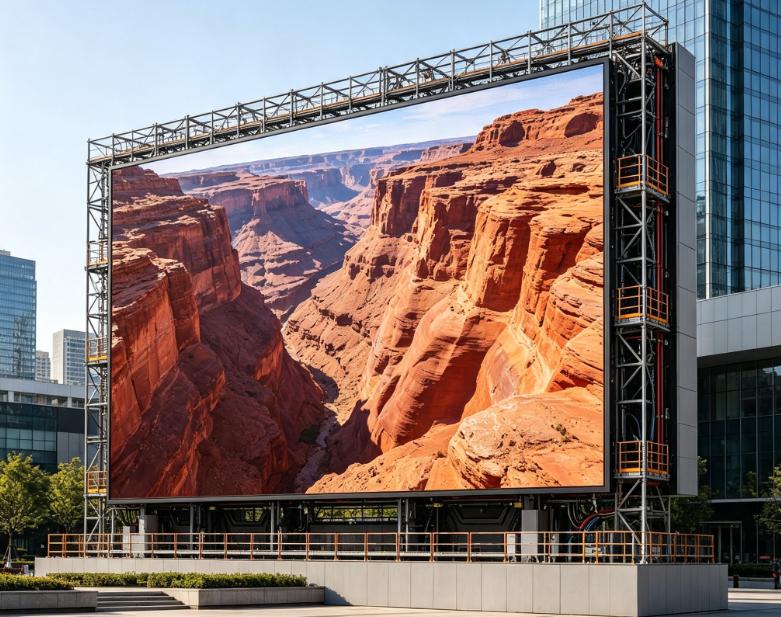
The purchase price is only the first bill attached to an outdoor display. Electricity, maintenance access, spare parts, and lost advertising time can quietly cost more over the screen’s working life. The useful buying question is therefore simple: which configuration will deliver the required visibility at the lowest realistic annual operating cost? The answer comes from modeling the site, not from choosing the lowest quotation. Put Every Recurring Cost on One Annual Line An outdoor LED screen needs a simple cost model before it needs a product comparison. Add annual electricity, planned maintenance, expected repair labor, access equipment, replacement parts, and the value of likely downtime. Keep installation and purchase costs separate so a cheap cabinet cannot hide an expensive service route. The calculation only needs to expose assumptions and make competing proposals comparable. Cost driver Evidence to collect Annual calculation Electricity Average draw at realistic brightness kW x operating hours x tariff Routine service Visit frequency and crew size Visits x labor and access cost Corrective repair Likely interventions and parts Events x labor, access, and parts Downtime Time to diagnose and restore Lost hours x value per active hour Separate Average Draw From Maximum Load Maximum power helps size electrical equipment, but average power is the better starting point for an energy budget. Content, brightness, and operating hours change actual consumption. Ask bidders to state both figures under defined conditions and compare one scenario. Our Outdoor Ti Series offers an average-power range of 100-200 W/m2 and a maximum range of 650-750 W/m2, depending on configuration and operating conditions. Those ranges are not an electricity bill by themselves. Apply the expected screen area, daily schedule, local tariff, and brightness profile to estimate one. Give Downtime a Financial Value Downtime becomes measurable when the operator values each unavailable hour. For a roadside billboard, that may be contracted media time; for a venue, a disrupted event. Even a rough value shows why fast diagnosis and accessible components can outweigh a small purchase discount. Match Brightness to the Site, Hour by Hour Brightness should follow ambient light rather than remain fixed at its daytime setting. Running an outdoor LED display harder than the site requires wastes electricity and can make nighttime content uncomfortable. The target is sufficient contrast, with lower output when conditions allow. Build a Usable Operating Profile A realistic profile separates full sun, overcast periods, dusk, night, and closed hours. Operators can then test changes without weakening the display’s purpose: Schedule the screen off when there is no audience or contracted content. Use lower brightness settings when ambient conditions allow. Avoid large white backgrounds when the campaign design can work with darker scenes. Review settings seasonally instead of leaving commissioning values untouched. Our Outdoor Ti Series provides model-dependent brightness options from 5,000 to 10,000 nits. The correct setting depends on orientation, shade, local rules, viewing distance, and content. A specification ceiling is capacity, not an all-day setting. Design One Common Repair Before Approving the Structure Maintenance cost is often decided by the steelwork and access route. An LED advertising screen that requires a lift, lane closure, or large crew for a module change will repeat that burden at every visit. The cheaper direction is the one technicians can use safely on site. Compare the Same Module-Swap Scenario Ask each bidder to describe one repair from fault alert to restored image. Count diagnosis, travel, access equipment, crew, removal, replacement, alignment, and testing. This turns “easy maintenance” into a sequence that can be priced. Our Outdoor Ti cabinets support both front and rear access, allowing the service direction to follow the installation. Front access can be useful where there is limited or no usable space behind the screen. Rear access can remain practical when a safe corridor already exists. Neither option is automatically cheaper; the surrounding structure and repeated labor decide the result. A waterproof LED display still needs serviceability. Our Outdoor Ti Series is rated IP65, but technicians must protect seals, connectors, and drainage paths whenever a cabinet is opened. Include those checks in the repair method. Buy Evidence That Protects the Cost Model A forecast is useful only if the delivered screen behaves like the proposal. Before shipment, verify consistent operation, module alignment, controls, and the agreed service procedure. Product verification should protect the cost model, not become a list of claims. At BLC LED, our quality-control process includes incoming inspection, in-process control, finished-product testing, and a 72-hour burn-in test. For a large outdoor LED video wall, the acceptance review should also reproduce the intended brightness schedule, check power readings, confirm front or rear removal, and record the controller configuration. A documented pre-shipment verification can help catch an expensive mismatch before freight and site labor make correction harder. The handover should include labeled spares, configuration backups, maintenance instructions, and fault-escalation contacts. These items shorten diagnosis and help the operator update the model with actual data. Use a Cost Rule That Remains Useful After Installation The best decision is the configuration with the lowest credible annual cost while meeting visibility, safety, and uptime needs. Compare average power under one operating profile, price one common repair, value downtime, and verify those assumptions before shipment. After launch, review electricity and service records quarterly; the model should become more accurate as the operator learns how the site behaves. For a project-specific comparison, share the screen area, location, operating schedule, access constraints, electricity tariff, and uptime target through our project contact page. We can map those inputs to an outdoor configuration without treating maximum specifications as everyday requirements. FAQ How Do I Estimate Annual Electricity Cost? Multiply expected average power in kilowatts by annual operating hours and the local electricity tariff. Use a day-and-night brightness profile instead of maximum power, which is mainly relevant to electrical-system sizing. Does Lower Brightness Always Mean Lower Operating Cost? Lower output generally reduces energy demand, but brightness must still protect visibility and the commercial purpose of the screen. The useful saving comes from matching output to ambient light and active audience hours. Is Front Service Always Cheaper Than Rear Service? No. Front service can avoid a rear corridor and shorten some repairs, while rear service may be efficient where safe access already exists. Price the same repair scenario for the actual structure before deciding. What Should a Pre-Shipment Test Cover? The test should cover image uniformity, controller settings, power behavior, brightness control, component removal, reassembly, and the agreed fault-recovery steps. Record the accepted configuration for site commissioning. How Often Should the Cost Model Be Updated? Review it quarterly during the first year, then at a frequency that matches operational change. Update actual energy use, service labor, parts, access costs, downtime, tariffs, and operating hours so future decisions use site evidence.
20th 8월 2026

불규칙한 LED 디스플레이는 건축에 어떻게 어울릴까요?

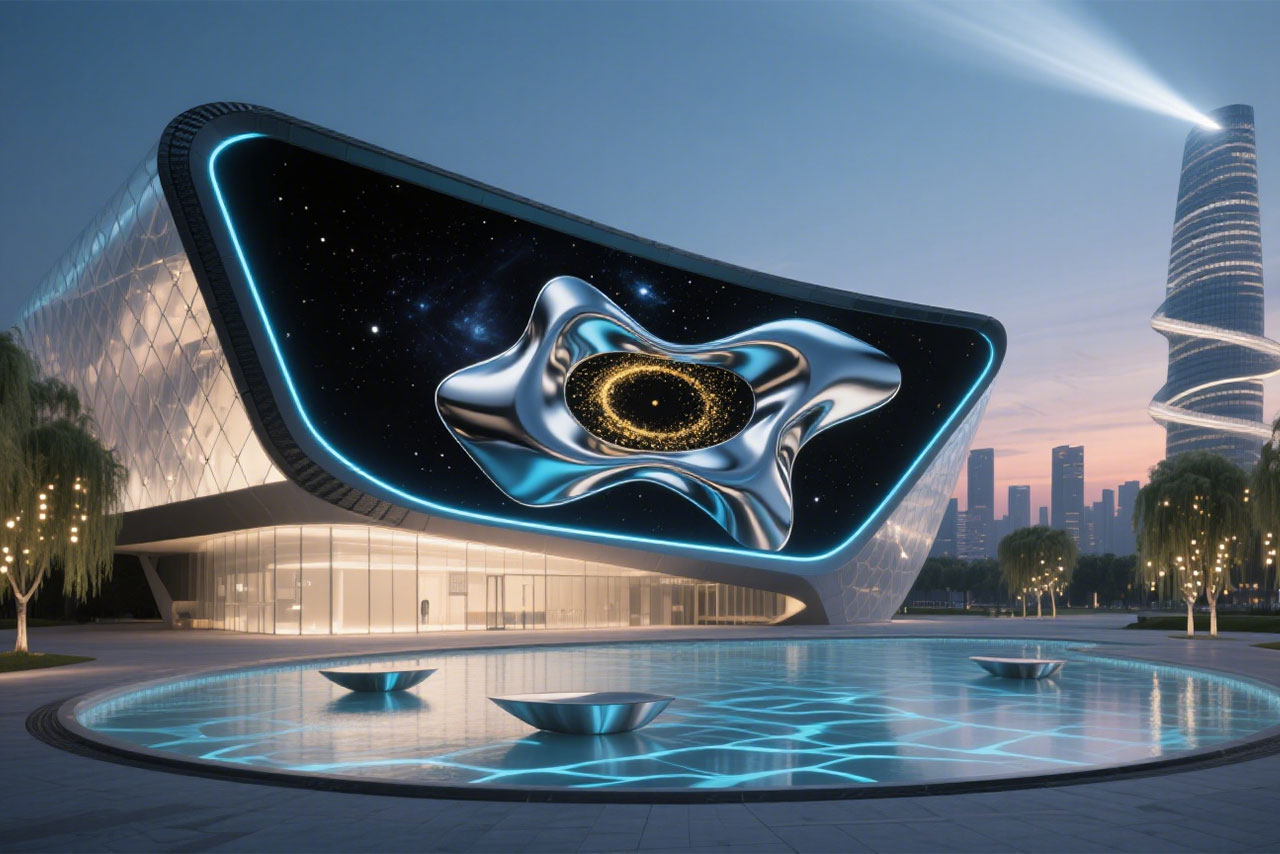
Introduction An irregular LED display fits architecture when its geometry, pixel layout, support structure, service access, and content are engineered as one system. Buyers should start with drawings and viewing conditions rather than selecting a standard cabinet first. This approach helps a custom screen follow curves, corners, columns, or sculptural forms while giving architects, contractors, advertisers, and integrators a clear basis for comparing proposals. Why Standard Rectangles Create Design Conflicts A conventional rectangular screen works well on a flat wall, but it can force awkward framing around curved or three-dimensional surfaces. An irregular LED display becomes part of the architectural form. It may wrap a column, turn a corner, form a ring, or create a freestanding object. Geometry Must Be Defined Before Cabinet Selection Accurate geometry is the first control point for a custom LED display. The supplier needs overall dimensions, radius, angle changes, mounting points, tolerances, and required openings. A curved LED screen designed from an approximate radius can produce gaps or stress modules and frames. Clear drawings show whether an angled cabinet, flexible module, or purpose-built enclosure is practical. Content Must Follow the Physical Surface Content planning is the second control point because unusual shapes change how images are viewed. A flexible LED display wrapped around a cylinder needs a different pixel map from a flat canvas. A creative LED display shaped as a sphere, cube, or disc needs safe zones for logos and text. Request a content template before production so the media team can test graphics across seams, corners, and curves. Match the Display Structure to the Shape The right structure depends on whether the form is curved, sharply angled, three-dimensional, fixed, or frequently moved. A custom LED display can be produced as arcs, circles, spheres, cubes, and other tailored forms, with dimensions adjusted to project requirements. BLC LED also supports modules that can follow highly curved surfaces. Flexible Modules Suit Continuous Curves A flexible LED display suits a smooth, continuous bend or non-flat substrate. The project still needs a stable support surface, accurate module alignment, organized power and signal routing, and a realistic maintenance method. Flexible modules do not replace structural engineering. Angled Cabinets Suit Repeatable Facets An angle-adjustable cabinet can suit repeatable facets, inner curves, or outer curves. BLC LED rental BP cabinets can form 45-degree inner and outer arcs with precision joints. This approach gives a curved LED screen predictable alignment, especially when it must be dismantled and rebuilt. The final choice should follow the radius and transport plan. Use these practical distinctions during concept review: Choose flexible modules for smooth curves and closely integrated surfaces. Choose angled cabinets for repeatable radii, faceted forms, or rental use. Choose purpose-built frames for spheres, cubes, discs, counters, and branded objects. Confirm the support structure before approving the visual design. Engineer Maintenance Before Fabrication Maintenance access is easiest to solve before frame manufacture. A creative LED display may look clean yet become difficult to operate if technicians cannot remove a module, power supply, or receiving card. Wall-flush, recessed, cylindrical, and sculptural installations often favor front access because rear space may not exist. Freestanding structures may allow rear access when a safe route is built into the frame. Specify a Component-Removal Path A maintenance plan should show how each serviceable part reaches the technician. For a curved LED screen, it must also protect neighboring modules during removal. Ask for the tools, access direction, cable clearances, spare-part position, and realignment steps. This evidence is more useful than a general promise of easy maintenance. Build a Complete RFQ Package A strong request for quotation reduces assumptions and makes supplier proposals easier to compare. Send the same project information to every bidder: Dimensioned architectural drawings, radius, angles, and mounting points. Intended indoor or outdoor location and expected viewing distances. Required shape, active display area, and preferred pixel pitch. Front-service or rear-service constraints and available working space. Content sources, playback formats, control method, and pixel-map needs. Packing, installation, commissioning, training, spares, and support expectations. This RFQ package separates a production-ready proposal from an attractive concept with unresolved engineering details. It also improves discussions about quality, risk, and operating effort. Verify Manufacturing and Quality Control Manufacturing control matters because dimensional errors can repeat across an entire custom LED display. BLC LED integrates research and development, production, sales, and service, supporting coordination from drawings through assembly. Its documented process includes incoming, in-process, and finished-product inspection, plus a 72-hour burn-in test before shipment. A pre-shipment review should confirm geometry, seam consistency, playback, controller configuration, and service procedure. For a shaped installation, assembly photos, video, or remote inspection can reveal mapping errors before international transport. Buyers should also request labeled packing and an installation sequence matching the approved drawings. Request an Engineering Review A workable design starts with accurate project inputs. Share your drawings, viewing distances, installation conditions, service constraints, and content requirements with BLC LED to discuss a creative LED display solution. The engineering review can then compare flexible modules, angled cabinets, and purpose-built structures before the shape and quotation are finalized. FAQ Can an Irregular LED Display Follow Any Shape? An irregular LED display can support arcs, circles, spheres, cubes, discs, counters, and other custom structures. Feasibility depends on radius, module size, structural support, viewing direction, service access, and content mapping. Is a Flexible LED Display the Same as a Curved Screen? A flexible LED display is one way to create a curve; another is an angle-adjustable cabinet or custom frame. The suitable method depends on continuous bends, repeatable facets, portability, and permanence. How Should Buyers Select Pixel Pitch for a Creative LED Display? A creative LED display should use a pixel pitch matched to viewing distance, content detail, surface geometry, and budget. Review simulated content at realistic scale because text and fine graphics behave differently across corners and curves. How Should a Curved LED Screen Be Maintained? A curved LED screen should have a documented front- or rear-service route, suitable removal tools, labeled cables, accessible spare parts, and an alignment procedure. The maintenance method should be tested during factory assembly rather than decided after installation.
13th 8월 2026
집
왓츠앱
이메일
콘택트 렌즈