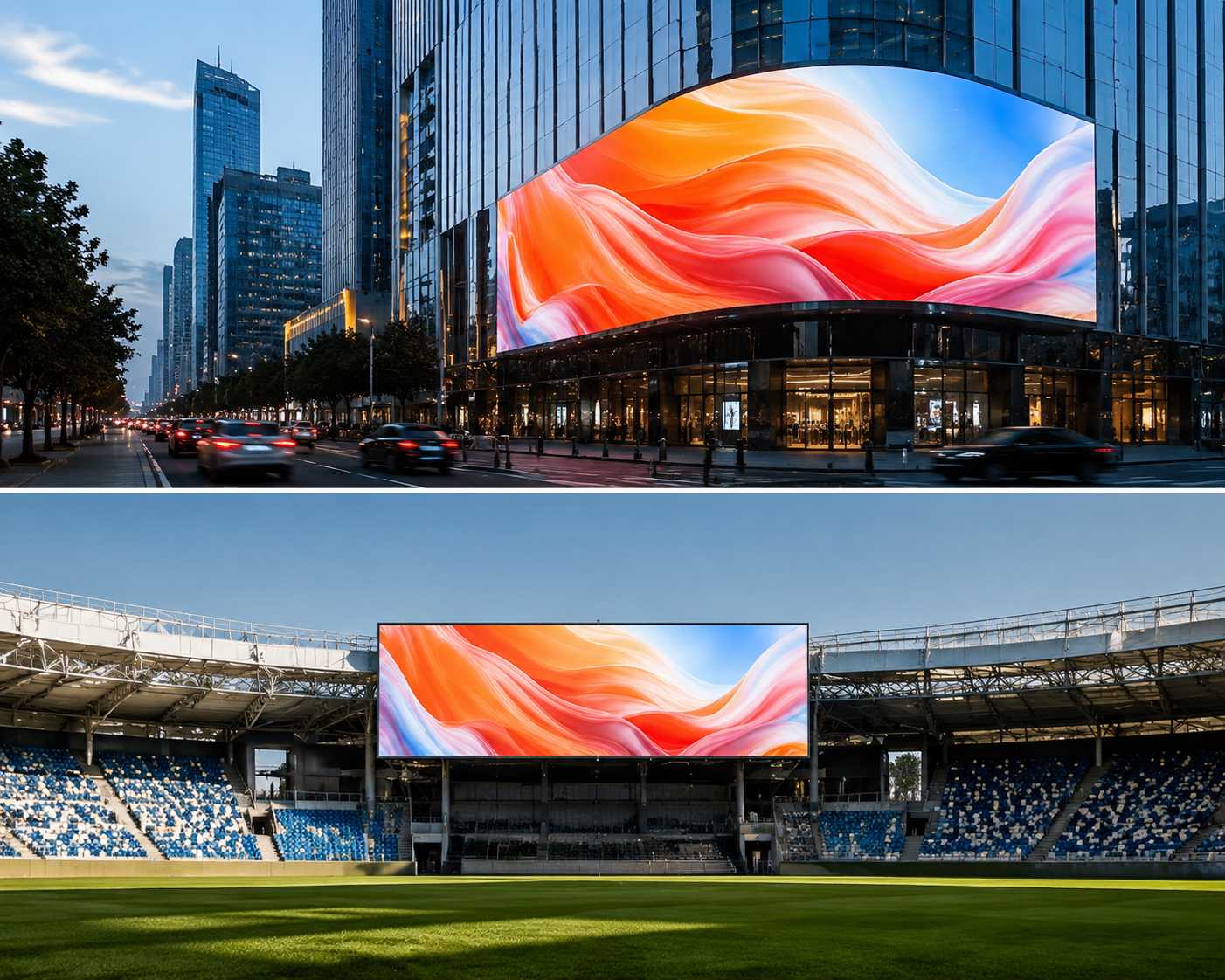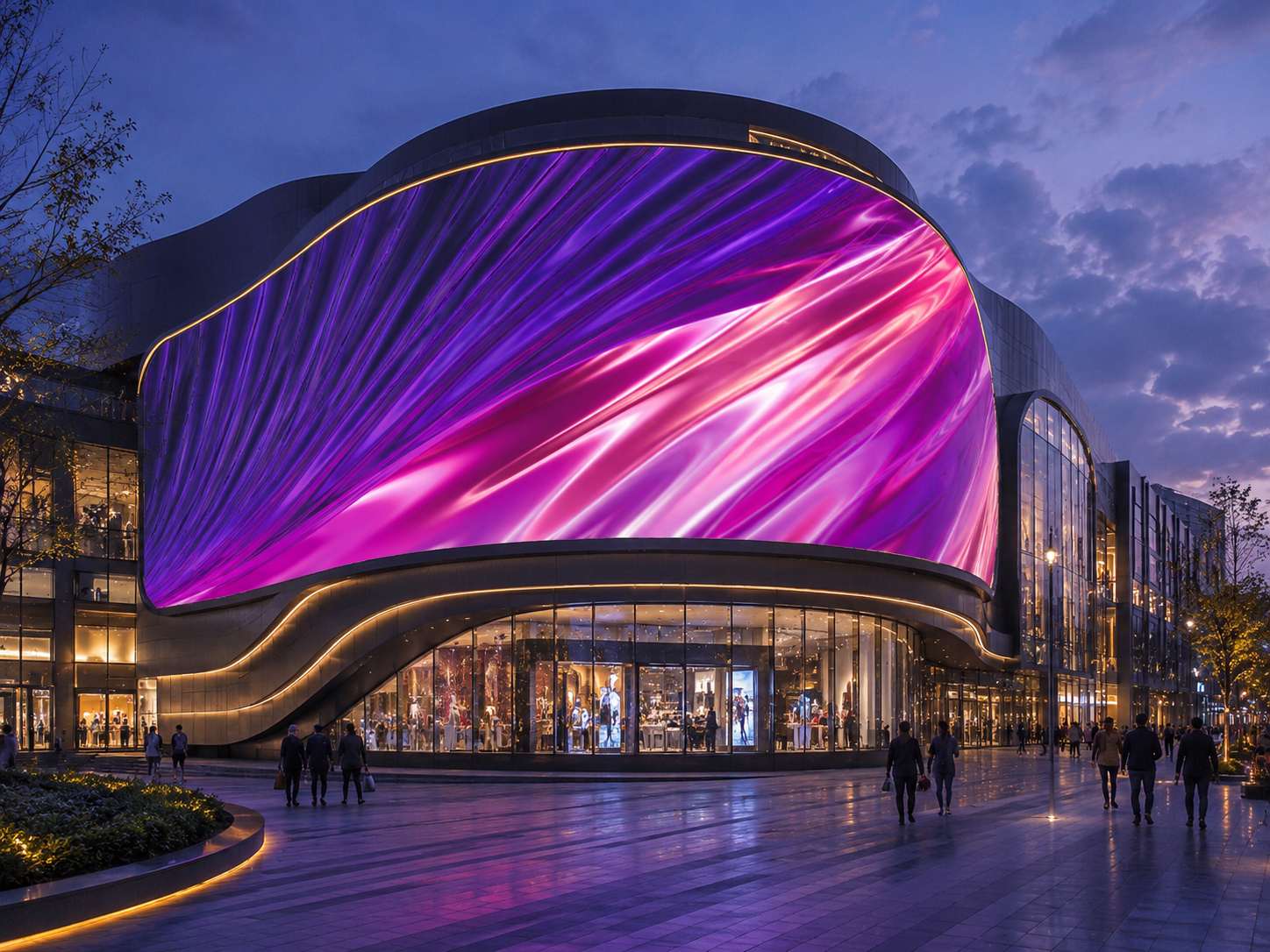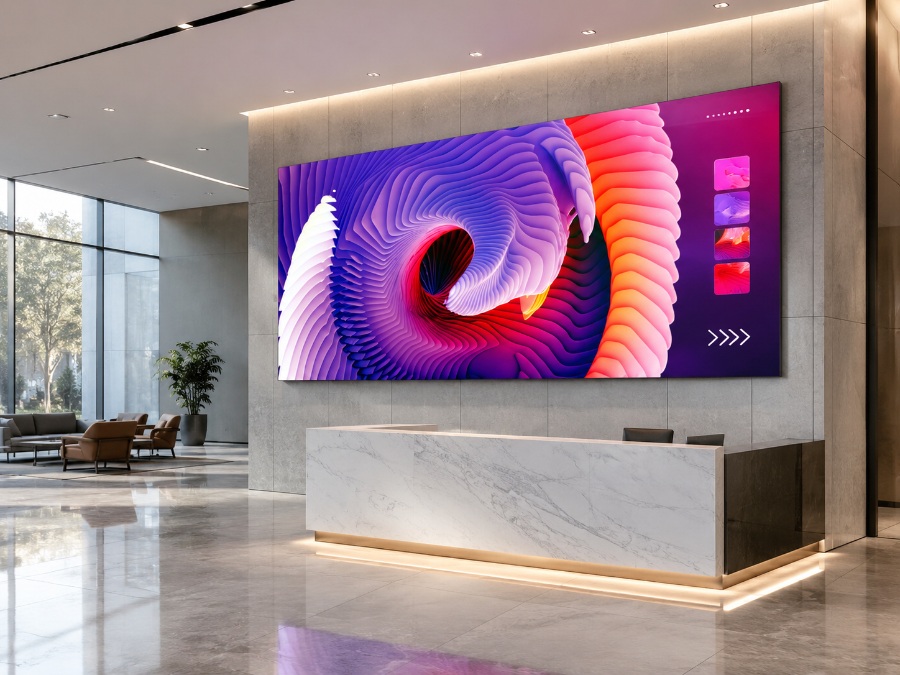

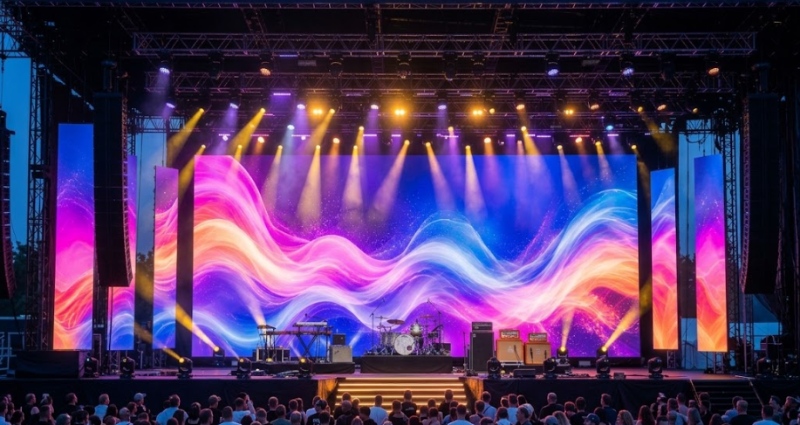
How Does LED Stage Screen Technology Change Event Experiences?

Defining an LED Stage Screen in Simple Terms An LED stage screen is a large digital display made from connected LED modules that show videos, images, text, and live footage during events. It can work as the main stage visual, an additional display, or a full background solution. An LED backdrop screen usually refers to the display behind performers or speakers, while an LED wall stage backdrop includes the complete system with LED panels, control equipment, power supplies, and mounting structures. BLC LED provides flexible LED display solutions designed to support different stage layouts and event requirements. How Does an LED Backdrop Screen Change the Viewing Experience? A highly bright LED screen for stage use lets people view content easily. Attendees can see content clearly from the front row all the way to the back of the venue. Moving graphics, dynamic animated backdrops, and live camera feeds expand the perceived scale of the venue. They also make the event more engaging. For companies and event hosts, a digital background provides great support. It shows logos, brand slogans, sponsor images, and visual stories. For most event organizers, such displays serve far more than decorative purposes. Instead, they improve communication and boost audience interaction. Main Parts That Make an LED Wall Stage Backdrop Work The Display Panels and Cabinet Structure An LED wall backdrop is created from modular stage LED panels. These panels lock together securely to form a much larger display wall. This block-like design offers great freedom in both size and shape. A hall might require a wide panoramic wall. It might need a tall center display. Sometimes, segmented side columns are preferred. The setup team can join the cabinets together to meet any of these needs. The design of the cabinet is very important. Transport, handling, and setup expenses rely heavily on the total weight and the strength of the frame. Control Systems and Signal Processing An LED stage screen requires a solid control chain to work well. The media content starts from a laptop, a media server, a camera, or a video switcher. Next, it moves through a video processor. It goes to a sending card and then to receiving cards. Finally, the signal arrives at each individual panel. Power, Rigging, and Support Components Power distribution units, signal cables, hanging bars, truss frames, ground stacks, and backup plans are highly vital. They are just as important as the picture quality. A reliable LED video wall stage setup must be structurally secure first. Only then can it look visually stunning. For massive events, safety planning involves careful load math. It includes neat cable routing. It also requires backup processors or extra power supplies. Types of LED Stage Screens for Different Event Needs Indoor Screens for Controlled Indoor Lighting Environments Indoor LED stage screen units are made for closer viewing distances. They show much finer details. You will often find them in hotels, meeting rooms, broadcasting studios, and worship halls. They are also popular at product launch events. In these places, audiences usually sit quite close to the display. Outdoor Screens for Bright and Open Spaces Outdoor displays are designed to resist bad weather. They offer much higher brightness levels. They also support longer viewing distances. You will often see them at music festivals, sports arenas, city gatherings, and huge public events. They create a highly bright picture. Because of this, people can read the message easily, even under direct sunlight. Rental Screens and Permanent Installations Rental setups and permanent systems meet totally different needs. A rental display display is a highly flexible, block-like LED system. Engineers build it for very fast setup. It allows easy takedown. It also supports frequent moving between different event locations. This flexibility makes an LED stage screen rental perfect for concert tours, trade exhibitions, and seasonal shows. Choosing the Right Size and Shape for a Stage Backdrop Screen Size Based on Venue and Audience Distance The correct size relies on the stage width and the ceiling height. It also depends on where the audience sits and how the content is arranged. Bigger does not always mean better. A massive display showing poorly scaled content can still be very difficult to read. Creative Shapes and Stage Design Possibilities Curved walls, separated columns, and unique custom shapes can make an LED backdrop screen look much more exciting. You can easily adjust a single-stage rental full-color LED display setup to fit many different stage shapes. Creative designs add visual depth and brand identity. However, they must still display clear messages. Practical Installation and Safety Points General Readers Should Know Hanging, Stacking, and Mounting Methods An LED stage screen can be hung safely from a metal truss. It can be stacked firmly from the ground. It can also be attached to a permanent building structure. The chosen method depends on the hall conditions, the display size, and the length of the event. Expert installation is absolutely required. It ensures public safety and guarantees steady display performance. Venue Conditions That Affect Performance Room lighting, available electric power, air cooling, ceiling height, and local weather can all impact the display’s performance. Outdoor locations bring extra concerns like strong wind, heavy moisture, and extreme heat. Therefore, a careful site check must happen before picking the gear. Maintenance and Operational Checks Right before the show begins, technical teams must check the modules carefully. They need to secure all cables. They must test the video processors. They also need to set up backup plans. Every single display goes through a strict 72-hour test before leaving the factory. That factory testing is highly valuable. However, careful onsite checks remain totally necessary. Conclusion The ideal LED stage screen is the one that fits the hall perfectly. It must suit the audience distance, the media type, and the event schedule. The best choice always balances picture clarity, safe mounting, flexible use, and long-term durability. For customers checking the LED screen for stage price, a smart approach is needed. It is much wiser to look at the total system performance. You should not just focus on the lowest starting cost. FAQs What is the difference between an LED stage screen and an LED backdrop screen? An LED stage screen is a general word. It means any LED display used on a stage area. An LED backdrop screen usually means something more specific. It refers to the display put behind performers, speakers, or hosts to act as the main visual background. What pixel pitch is best for an LED screen for stage? For indoor close-range stages, P1.5 to P2.5 are recommended. P1.5 is an ultra-small pitch, mostly used in fixed installation scenarios such as control rooms and high-end conference rooms; for conventional indoor stages, the audience viewing distance is mostly over 3 meters, and the mainstream choices are P2.5, P2.97, and P3.91. Are rental LED screens better for temporary events? Yes, they certainly are. Rental units are built for very fast assembly. They handle repeated transport well. They are made for frequent use across many different halls. This strong build makes them highly practical for live concerts, traveling roadshows, and trade exhibitions. How bright should concert LED screens be? Indoor concert LED screens normally function well in the 600 to 800 nit brightness range. On the other hand, outdoor stages might require 3500 nits. Sometimes they need much more. This depends on the direct sunlight and the local stage lighting levels. What affects LED screen for stage price the most? The most important factors include the pixel pitch and the total display size. Brightness levels and cabinet build quality matter a lot. The chosen mounting method and the control system complexity also change the cost. Finally, whether the gear is for rental or fixed use affects the final price.
6th August 2026
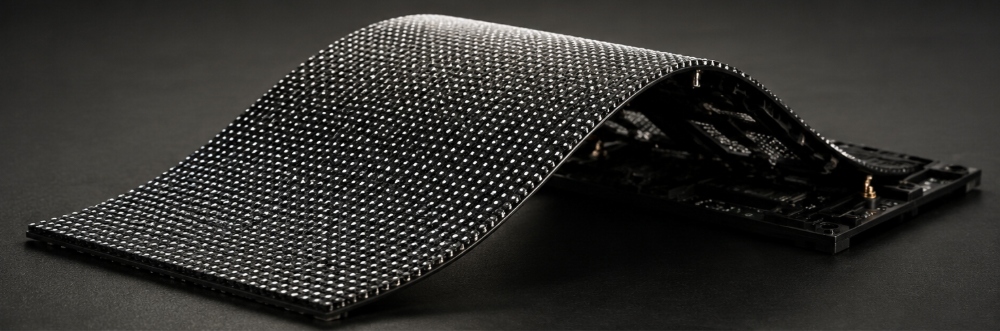
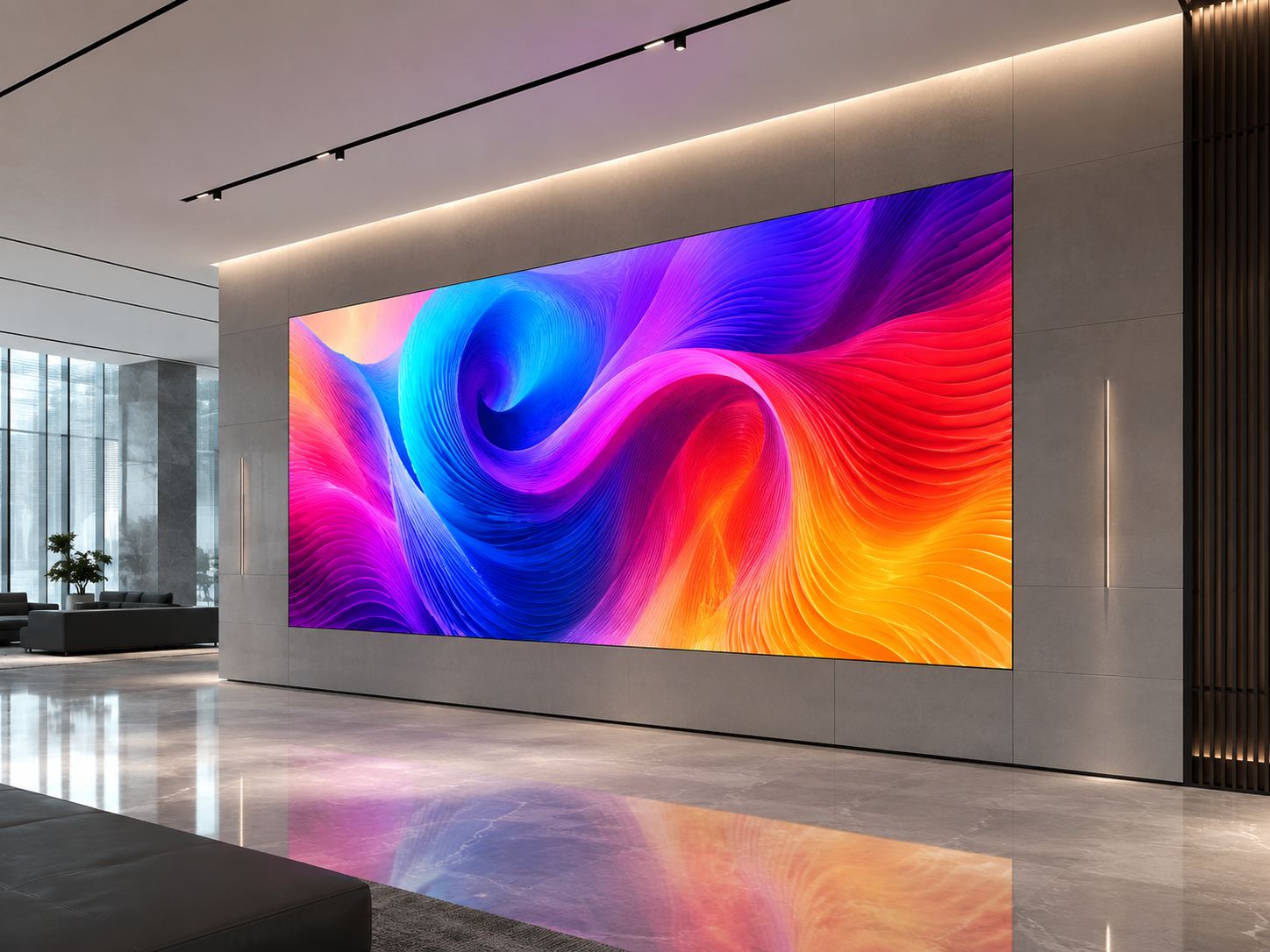
How Does a Flexible LED Screen Balance Weight and Bandwidth?

The global demand for light, high-quality display equipment is growing rapidly. This trend covers rental events, retail ads, architectural decor, and large visual setups. Today, customers expect more than simply a bright panel. They need a flexible LED screen to reduce setup effort. Furthermore, the device must maintain stable image delivery. It must also support high refresh rates and deliver reliable performance in daily operation. As a complete manufacturer, BLC LED strives to match structural build with visual performance. We also prioritize personalized designs and lasting support for clients globally. A flexible LED screen offers huge benefits for special installations. Normal stiff frames usually cannot handle creative stage shapes or complex retail spaces. The best display choice must combine physical bending ability with strong signal flow. Reaching this perfect mix depends on professional production skills. In addition, it demands precise engineering and strict quality control. Why Does Weight Matter in Flexible LED Screen Design? Weight has become a crucial detail for international display buyers. Freight costs, installation times, and site adaptability directly impact daily operating budgets. Rental companies transport displays across different venues frequently. At the same time, ad agencies often install screens in areas with limited weight capacity. A lighter flexible LED screen minimizes handling difficulties. Consequently, it accelerates the entire project timeline. At BLC LED, we concentrate entirely on functional engineering. We refuse to cut weight if it harms device durability. Our display systems feature intelligently designed frames. Therefore, they remain sturdy and endure various harsh environments. Our factory integrates research, assembly, sales, and customer care. This structure allows us to monitor product standards strictly. We supervise every step, from raw material selection to finished product inspection. A professional LED screen factory must consider multiple details when optimizing panel weight: Cabinet structure Determines transport ease and installation pace Material selection Influences overall mass and extended durability Module design Impacts curving capability and maintenance routines Connection system Controls signal stability and rigging security How Does LED Technology Maintain Bandwidth Performance? Reducing mass is only useful if the visual output remains completely stable. A flexible LED screen must display seamless video and accurate colors. Furthermore, it requires a reliable signal network. This consistency is essential for retail advertising, stage shows, and massive visual installations. Bandwidth capacity depends on several technical elements. These factors include refresh rates, grayscale levels, driver ICs, and cable connections. Screens used for stage rentals or street advertising demand continuous image delivery. Any visual interruption can immediately disrupt the audience experience. BLC LED builds display networks with rapid refresh rates. They also feature excellent grayscale levels and high contrast ratios. For example, our Outdoor Ti Series fits exterior environments perfectly. It delivers refresh rates between 3840Hz and 7680Hz alongside a 16-bit grayscale. Additionally, it carries an IP65 waterproof rating. Brightness levels range from 5000 to 10000 nits depending on your specific requirements. A reliable LED display factory must provide excellent panels. It must also guarantee consistent manufacturing standards. At BLC LED, our inspection routine involves testing raw components and monitoring assembly lines. Afterward, we evaluate the completed goods. We execute a 72-hour burn-in test to simulate prolonged daily operation. How Does BLC LED Optimize Flexible Display Manufacturing? Manufacturing standards directly influence the operational life of any flexible LED screen installation. Clients managing international projects frequently require a robust supplier. They look for personalized designs, reliable delivery schedules, and competent technical guidance. BLC LED operates as an integrated display producer. We utilize advanced automated assembly lines. As a result, our monthly production volume hits 8,000 square meters. We export our panels to more than 110 countries and regions. This global reach includes Asia, Europe, North America, South America, Africa, and Oceania. Various panel structures exist to satisfy specific project demands. The following BLC LED products demonstrate how visual performance, mounting versatility, and client needs achieve a proper balance: Product Model Key Specifications Application Outdoor Ti Series P3.91 SMD1921; 5500–10000 nits; 3840–7680Hz refresh rate; IP65 Outdoor advertising and commercial displays Outdoor ES Series P3.125 SMD1415; 5000 nits; 3840Hz refresh rate; IP65 Outdoor events and professional projects COB Fine-Pitch LED Display P1.25 P1.25 pixel pitch; 600 nits; 3840Hz refresh rate; front maintenance Indoor commercial and high-definition displays Rental & Performance LED Screen Lightweight structure; flexible installation; repeated use Stage rental, exhibitions, live events How Do Flexible LED Screens Support Creative Display Applications? Digital signage is frequently used as a core element of interior design in modern commercial spaces. Shopping centers, entertainment venues, exhibition halls, and flagship stores demand unique screens. These devices must integrate into the environment smoothly. They can no longer remain as simple flat rectangles. A flexible LED screen allows architects to experiment with curved surfaces and innovative geometries. Therefore, it becomes ideal for locations where visual impact and efficient spatial planning hold equal importance. BLC LED maintains abundant expertise in delivering personalized display systems for various environments. Our catalog includes creatively shaped video walls and retail advertising boards. We additionally supply touring cabinets and exterior billboards. Each item is customized to fulfill specific installation criteria. What Should Buyers Check Before Choosing a Flexible LED Screen Supplier? Selecting the appropriate manufacturer involves more than just comparing unit prices. International purchasers must evaluate factory capacity and quality assurance protocols. They should also investigate customization capabilities and post-sale support. A competent LED display factory must present transparent specifications and robust manufacturing strength. Moreover, it must deliver technical guidance throughout the complete project lifecycle. BLC LED supports international customers via tailored engineering and remote troubleshooting. We also supply extended maintenance programs. Our support framework includes round-the-clock online assistance. We maintain a massive inventory of replacement components. Consequently, this preparation helps clients minimize operational downtime. Conclusion A successful flexible LED screen installation requires a delicate balance. It must combine lightweight construction with consistent signal transmission. Mounting versatility and prolonged safety are equally crucial. Customers need a partner who deeply comprehends visual technology. This supplier must also recognize practical field challenges. Such obstacles involve logistics, rigging, maintenance, and structural customization. BLC LED provides comprehensive production capabilities and rigorous testing procedures. We also possess extensive international project experience. As a result, we deliver reliable display equipment for staging companies, advertising agencies, distributors, and retail brands worldwide. FAQ About Flexible LED Screen Solutions What affects the price of a BLC LED flexible LED screen? The ultimate price depends on multiple factors. These variables include total dimensions, pixel density, and luminosity requirements. The installation environment, specific structural requests, and order volume also influence the quote. BLC LED engineers personalized packages based on precise site conditions. We do not merely distribute a single standard kit. Can BLC LED customize a flexible LED screen for special shapes? Certainly. BLC LED supports personalized display architectures completely. This capability covers irregular geometries and innovative mounting frames. Our technical team collaborates closely with clients. Together, they align the cabinet layout with the physical space and aesthetic objectives. Why should buyers choose a flexible LED screen factory instead of a trading company? Collaborating directly with a flexible LED screen factory ensures superior oversight of manufacturing standards. It also enables greater customization flexibility, shorter production lead times, and direct engineering support. BLC LED integrates research, assembly, distribution, and maintenance. Therefore, this structure guarantees comprehensive project backing. How does BLC LED provide after-sales support for flexible LED screen projects? BLC LED delivers online troubleshooting and maintenance guidance. We additionally distribute necessary replacement modules. This provision allows clients to operate their boards securely after commissioning. Our support philosophy focuses on reducing system downtime. Ultimately, it maximizes the financial return of the entire investment.
31st July 2026

How to Choose an Indoor LED Display in 2026

At BLC LED, we notice the indoor LED display market is shifting. It is no longer just about simple advertising. Instead, screens are becoming vital visual infrastructure for retail chains, malls, and corporate lobbies. They are also essential for control rooms, hotels, and transport hubs. Today, buyers look for more than just brightness. They check if the screen stays perfectly flat after it is set up. They also ask if the pixel pitch fits the viewing distance and if the cabinet allows for front service. Furthermore, they need to know if the LED display factory can handle delivery and provide spare parts once the project is finished. This demand is rising in global markets like the Middle East, Africa, and Southeast Asia. It is also strong in Japan and South Korea. Modern commercial spaces need powerful digital tools. However, owners must still manage budgets and ensure quality stays stable. In 2020, we provided indoor P2.5 LED displays for a large Singapore project. That deal was worth about RMB 5 million. It proved a key point: an indoor LED display is not a simple decoration. It is a fixed visual asset that must perform every single day for customers. What Defines a Practical Indoor LED Display A useful indoor LED display brings together great visuals and a precise cabinet. It must be easy to fix and stay electrically safe. Pixel pitch is what makes images sharp. Brightness ensures people can see the content under bright lights. Contrast ratio helps with deep blacks and clear details. High refresh rates are vital if people film the screen or if the video moves fast. Also, viewing angles matter in big halls. People need to see the screen clearly, even if they are not standing right in the center. Which Four Indoor LED Display Specs Fit Real Projects Indoor LED Display Series Pixel Pitch Options Brightness Refresh Rate Project Suitability Indoor BT Series 640×480 Rigid P1.25 / P1.53 / P2.5 500–800 cd/㎡ 3840 Hz Standard flat fixed installation LED screen projects, such as retail walls, meeting rooms, and lobby displays Indoor T3-pro Series 1000×500 P1.25 / P1.56 / P3.91 600–800 nits 3840 Hz Large indoor LED display walls that need wider cabinet combinations and clean visual integration Indoor BL Series 640×480 Flexible P1.86 / P2 / P2.5 / P4 600 nits 3840 Hz Curved, column-shaped, and creative indoor LED display projects with limited installation space Indoor BL Series 1000×500 Flexible P1.56 / P1.953 / P2.5 / P2.604 / P2.976 600–800 nits 3840 Hz Larger curved commercial walls, brand display areas, and customized indoor fixed installations   How Pixel Pitch Affects Price and Viewing Distance Pixel pitch is a major factor in the cost of an indoor LED display. A smaller pitch means you get more pixels in every square meter. This makes the picture look sharp even if you are standing very close. However, it also requires more parts and more careful building. That is why smaller pitch screens cost more. For places like boardrooms or command centers, P0.93 or P1.25 is best for clear text. If the screen is in a lobby where people stay several meters away, P1.53 might be a better deal. Do not just buy the smallest pitch. The best indoor LED display is the one that fits your specific distance and budget. The BH Series is also excellent for tough tasks. It offers P0.93 and P1.25 options with very high contrast. It is easy to service from the front and has IP54 protection. These details help reduce service pressure during long-term use. What an LED Display Factory Should Control A trustworthy LED display factory does more than just put parts together. It manages every step from choosing materials to the final check. Our system can produce up to 8,000 square meters every month. We use 36 different quality checks. Every screen undergoes a 72-hour test before it leaves. We also follow global standards like ISO9001 and CE. How to Avoid Common Buying Mistakes Many people make mistakes during the early planning of an indoor LED display. Some buy a pitch that is too small and waste money. Others buy a pitch that is too large, so the images look blurry up close. Always check if the brightness and refresh rates are the same when you compare prices. Another error is using a screen meant for events in a permanent spot. A fixed installation LED screen must be built for long-term use. It needs to stay flat and integrate cleanly into the room. You also need to think about the room lights. A bright lobby may require higher brightness planning than a darker boardroom. Always confirm the site details before you pick a model. Conclusion An indoor LED display is a smart investment for any business. The right choice makes your brand look better and makes communication easier. It works well in shops, offices, and control centers. However, picking the wrong screen can lead to high repair costs and poor image quality. To make a good choice, match the product specs to your room. Pixel pitch gives you clarity, while COB builds offer strength. Front access makes repairs simple. When the LED display factory manages quality well, your fixed installation LED screen will stay stable for years. For help with your next project, BLC LED can look at your space and suggest the best solution for your budget. FAQ How much does an indoor LED display cost for a fixed project? The price depends on the pixel pitch and the size of the screen. Other things like brightness and how you install it also matter. A fine-pitch P0.93 screen costs more than a P1.53 model because it has more pixels. You should always look at the full list of features, not just the price per meter. What pixel pitch should I choose for an indoor LED display? It depends on how close people will stand. For small rooms or desks, P0.93 or P1.25 is best. For big walls in a mall, P1.53 or P1.25 usually works well and saves money. Pick the one that makes your content look clear from the main viewing area. Why does a fixed installation LED screen need front maintenance? Most fixed screens are mounted flat against a wall. Front maintenance lets you pull out modules from the front. This means you do not need to leave a big gap behind the screen. it saves space and makes repairs much faster and cheaper. How should I judge an LED display factory before buying an indoor LED display? Look at their production power and their testing steps. A good LED display factory should offer a long warranty and have parts ready to ship. They should also be able to give you technical advice to make sure the screen fits your specific building.
23rd July 2026

Why Is an Outdoor LED Screen Essential for Modern Outdoor Advertising?

The digital advertising world moves quickly right now. Brands do not just fight for basic attention anymore. Instead, they struggle to gain a few seconds of visibility in busy city streets. Because of this struggle, an outdoor LED screen acts as a powerful tool. BLC LED works hard to build outdoor LED display setups. These setups fit perfectly into demanding advertising spots. The company operates as a professional LED screen factory with massive production power. It combines exact building methods with strict quality checks. Furthermore, the team uses its worldwide setup experience to help advertisers in over 110 countries. We can look at actual projects to see this success. What Makes an Outdoor LED Screen a Core Tool in DOOH Advertising? Digital Out-of-Home (DOOH) advertising has grown a lot recently. This growth changes how companies talk to everyday people. Old printed posters simply sit there. However, an outdoor LED screen shows moving videos. This content changes right away to match new marketing plans, specific times of day, or what the local crowd likes. This easy adjustment is a huge benefit. Because of it, many advertisers now spend their money on outdoor LED display networks instead of older media. An outdoor LED screen also works very well in bad weather. It produces a very bright picture. Therefore, people can see the message clearly even in direct sunlight. At the same time, special grayscale technology makes the image look deep and keeps the colors true. In crowded cities, these advertisements easily stand out. They catch the eye no matter how much background light is present. Why Are Outdoor LED Displays Replacing Traditional Billboards? Many businesses are moving away from plain, static billboards. They choose outdoor LED display setups instead. This shift happens because digital screens save time and make better financial sense. Old-fashioned billboards force you to print new posters and physically hang them up. This process costs money and causes annoying delays. On the other hand, an outdoor LED screen lets you update pictures instantly. Your advertising schedule never has to stop. City media owners see another big advantage. One single outdoor LED screen can serve many different advertisers. The screen simply rotates through various ads on a set schedule. This method greatly increases the money earned from one location. How Does an Outdoor LED Screen Work in Real Environments? An outdoor LED screen is made of separate LED cabinets. These blocks hold power supplies, driver chips, and tiny light controls for each pixel. Every single module links up to form one giant, unified picture. A cloud-based computer system manages all the content shown on it. This clever design helps operators change ads from far away. Meanwhile, the whole outdoor LED display surface keeps a steady brightness and a smooth picture update rate. Looking at the technical side, the refresh rate and color depth matter a lot. They decide how smooth the video looks. A high refresh rate stops the screen from flashing when playing videos. Also, a wide viewing angle helps people see the screen clearly from many different angles on the road. This feature is highly important for ads near fast highways. It also matters in big public squares. In these places, the people watching the screen are always moving around. What Are the Key Technical Specifications of an Outdoor LED Screen? Several factors decide how well an outdoor LED screen works. These include the distance between pixels, overall brightness, weather protection, and the physical frame design. Model Pixel Pitch Brightness Protection Grade Refresh Rate Best Viewing Distance Recommended Application Ti P2.976 2.976mm 5000–5500 nits IP65 3840–7680 Hz 3–100m Close-range urban advertising Ti P3.91 3.91mm 5500–10000 nits IP65 3840–7680 Hz 4–100m Commercial plazas and events Ti P4.81 4.81mm 5500–10000 nits IP65 3840–7680 Hz 4–100m Medium-distance roadside ads Ti P6.25 6.25mm 6000–10000 nits IP65 3840–7680 Hz 6–150m Highway and large-scale signage Every outdoor LED screen model uses an aluminum frame. This metal helps cool the screen down quickly. It also makes the whole unit much lighter to install. The IP65 rating blocks water and dirt effectively. Because of this, the screen runs safely through rain, heavy dust, and sudden temperature shifts. Therefore, the system is perfect for non-stop outdoor work in many different climates. How Do Real Projects Demonstrate the Value of Outdoor LED Screens? Putting these screens into actual use shows their true worth. In 2022, BLC LED supplied outdoor P3.91 LED displays for a Major Sporting Events. This giant screen  showed fast-moving videos smoothly inside the sports arena. In that busy place, clear pictures and steady performance were absolutely necessary. We saw similar results in older city building projects. Workers placed outdoor LED screen systems inside busy transport stations. These new screens replaced old, unmoving ad boards. These setups proved a clear point. Digital signs speed up how fast you can switch ads. They also boost the chance to make more money in crowded public spaces. What Role Does an LED Screen Factory Play in Product Reliability? The toughness of an outdoor LED screen depends heavily on how it is built. A dedicated LED screen factory makes sure every single part passes tough tests. Workers run long power tests and adjust the brightness carefully. They also expose the parts to fake extreme weather. At BLC LED, smart machines help put the screens together. Strong quality control systems watch over everything. The staff inspects raw parts as they arrive. They also test the fully finished units before shipping. These steps guarantee a great result. Every outdoor LED display keeps an even brightness. The colors stay true and steady, even on very large setups. The factory can also build many screens very quickly. This speed helps deliver orders fast for worldwide advertising jobs. Quick shipping is vital when marketing campaigns have strict deadlines. How Does Outdoor LED Screen Technology Support Future Advertising Trends? Outdoor advertising is slowly shifting toward smart, data-focused networks. An outdoor LED screen acts as more than just a simple TV now. It forms a key part of a linked media web. This website studies the people walking by. It changes ads based on the local weather. It also connects to automatic ad-buying software. Cities are building smarter streets and buildings. As this happens, outdoor LED display networks will link up with local traffic facts. They will track mobile phone habits. They will also react to live weather updates. We can already spot this change in huge cities. In those places, planners actively mix digital signs into their main city designs. Conclusion BLC LED possesses great building power and certified production rules. The team also holds solid global project experience. Through a trusted LED screen factory, the company keeps helping advertisers worldwide with dependable products. The coming years of outdoor media rely heavily on digital tools. Right in the middle of this huge change sits outdoor LED screen technology. FAQ How does a BLC LED outdoor LED screen improve advertising performance? A BLC LED outdoor LED screen boosts ad results by offering very bright pictures. It shows moving videos smoothly. It also stays clear in all kinds of weather. These features make marketing campaigns much more interesting to watch. What makes a BLC LED outdoor LED display suitable for long-term use? A BLC LED outdoor LED display features an IP65 rating against water and dust. It uses a strong aluminum frame. It also contains tough, industrial-grade parts. These details ensure the screen lasts a long time outside. How is maintenance handled for a BLC LED outdoor LED display system? A BLC LED outdoor LED display system allows simple part swaps. Technicians can quickly change broken LED modules. This method makes repairs fast and stops the whole screen from going dark.
16th July 2026

How Can a Stage Rental LED Screen Transform Live Event Experiences?

The global live event industry is quickly moving toward powerful visual systems. Because of this shift, the need for a dependable rental display screen keeps growing. You can see this demand across concerts, trade shows, sports arenas, and business events. In this situation, BLC LED stands out as an expert manufacturer. The company combines strong research and production skills. It offers flexible LED solutions built for tough rental conditions. What Is a Rental Display Screen for Live Events? A rental display screen is a flexible, block-like LED system. Engineers design it for quick setup, easy takedown, and frequent moving between different events. Unlike permanent screens, a stage rental LED screen focuses on being adaptable. This allows event crews to change the screen size easily based on what the venue needs. Usually, a stage rental full color LED display uses fast-refresh LED parts. These parts guarantee smooth video playback. This smooth video is especially important for live TV broadcasts and syncing with stage lights. Thanks to the strong manufacturing power of BLC LED, these rental systems come from fully automated factory lines. The factory can make up to 8000㎡ every month. This huge output ensures a steady supply for event projects all over the world. In real life, crews use rental display screen systems in many places. You can find them in shopping malls, sports stadiums, and busy transit stations. They operate in over 110 countries. These systems work well indoors and outdoors. Furthermore, they offer great dependability and clear, steady pictures every time. Why Do Event Organizers Prefer Rental Display Screen Solutions? Event planners rely on rental display screen systems more and more. They choose them because they save money, offer great flexibility, and run very smoothly. When you compare it to a fixed screen, a stage rental LED screen removes the stress of long-term upkeep. At the same time, it still delivers top-quality, professional pictures. Another big reason is how easily it adapts. You can rearrange a single-stage rental full-color LED display system to fit many stage shapes. For example, you can build a curved background for a concert. You can also build a huge, flat wall for a trade show. This flexibility is vital for touring shows and road trips across multiple cities. In those cases, the venue space changes at every stop. Looking at the technical side, modern rental systems use smart aluminum frames. These frames allow workers to fix them from the front or the back. This smart design cuts down the time the screen is off during live shows. It ensures the screen keeps working perfectly, even in stressful places like loud music festivals or global sports broadcasts. How to Choose Stage Rental LED Screen Specifications? Picking the correct stage rental LED screen means looking closely at viewing distance, brightness, and frame strength. These details directly change how clear the picture looks. They also change how much the crowd enjoys the show. When choosing pixel pitch, you must think about the crowd. Short viewing distances need a tighter pixel layout for clear images. On the other hand, huge outdoor places do better with wider pixel spacing. Brightness is just as crucial. Outdoor rental display screen systems usually need very high brightness. This high power keeps the picture easy to see under bright sunshine. To help you see the frame differences clearly, the table below lists important details: Product Series Pixel Pitch Brightness Refresh Rate BP Series Indoor: P1.56 / P1.95 / P2.5 / P2.604 / P2.976 / P3.91;Outdoor: P1.95 / P2.604 / P2.976 / P3.91 / P4.81 Indoor: 600–800 nits;Outdoor: 3500–5000 nits 3840 Hz BHR Series Indoor: P1.56 / P1.95 / P2.5 / P2.604 / P2.976 / P3.91;Outdoor: P1.95 / P2.604 / P2.976 / P3.91 / P4.81 Indoor: 600–800 nits;Outdoor: 3500–5000 nits 3840 Hz BY Series Indoor: P1.56 / P1.95 / P2.5 / P2.604 / P2.976 / P3.91;Outdoor: P1.95 / P2.604 / P2.976 / P3.91 / P4.81 Indoor: 600–800 nits;Outdoor: 3500–5000 nits 3840 Hz How Does Installation and Operation Work for Stage Rental Full Color LED Display? Setting up a stage rental full color LED display is all about speed and exactness. The block-like frame systems let workers put together huge screens in just a few hours. This fast process greatly cuts down setup time when you compare it to older, fixed screens. Quick-lock parts make sure the frames line up perfectly and safely. Meanwhile, light aluminum frames make the lifting and stacking work much easier for the crew. This ease is very important for touring events. On a tour, crews must build and pack up the screens over and over again. While running, special sync systems link the rental display screen with the light and sound boards. This link allows the crew to change videos instantly. It also handles live camera shots and cool visual tricks smoothly. During the BLC LED building process, the team follows strict quality checks. These checks include a tough 72-hour burn-in test. This testing guarantees the screen stays steady even when it runs non-stop. Why BLC LED Manufacturing Strength Matters? Factory strength plays a huge role in how well rental LEDs work. BLC LED runs fully automated factory lines. They follow strict 36-step quality checks. They also hold important global certificates like CE, RoHS, and ISO9001. The company has great experience worldwide. For example, they delivered a massive 200㎡ outdoor P3.91 LED screen for a FIFA World Cup stadium in Qatar. They also provided indoor P2.5 LED screens for busy retail spots in Singapore. These real projects show exactly how a stage rental LED screen must perform. It must handle different weather types and heavy daily use perfectly. BLC LED offers a fast 72-hour response system. They also provide 24/7 technical help. Because of this strong support, BLC LED makes sure rental projects keep running perfectly. They ensure no blackouts happen, even during the most demanding events. Conclusion A top-quality rental display screen is not just an extra piece for modern events anymore. It is a necessary tool to grab the crowd and show clear visual messages. You might use it at concerts, trade shows, or huge sports games. A well-built stage rental LED screen always brings steadiness, clear pictures, and great flexibility. By mixing exact engineering with massive factory power, BLC LED keeps helping event planners worldwide. They provide trusted stage rental full-color LED display setups. These setups easily meet both technical needs and business goals. FAQ What is a stage rental LED screen and how does it work in events? A stage rental LED screen is a flexible display system built for short-term setups at events. It works by linking separate LED blocks together. This creates one large stage rental full color LED display. A central video computer then controls the whole screen. Why is a rental display screen better than a fixed installation for events? A rental display screen gives you more choices and saves money. You can use it again and again at many different places. You avoid the high costs of permanent setups and long-term repairs. What brightness is required for an outdoor stage rental LED screen? An outdoor stage rental LED screen usually needs strong brightness levels above 5000 nits. This high power keeps the picture clear under bright sunlight and heavy stage lights. Can stage rental full color LED display be used for concerts and sports events? Yes, people widely use a stage rental full color LED display for concerts, sports games, and live TV shows. It works great because it has a fast refresh rate and shows smooth, clear pictures. How fast can a rental display screen be installed and dismantled? Crews can usually set up a block-like rental display screen system in just a few hours. The exact time depends on the stage size. The quick-lock frame design and light aluminum parts make this fast work possible.
9th July 2026

Why Irregular LED Screens Are the Best Solution for Modern Architectural Displays

In the world of modern building lights and digital media, the need for versatile visual setups is growing fast. This trend spans across shopping malls, airports, and famous landmarks. Old-fashioned flat LED panels often struggle to fit the shape of rounded walls or wavy building exteriors. This lack of fit causes broken images and makes installation difficult. It also hurts the overall impact of advertisements. To solve this, BLC LED is creating a new generation of irregular screen options. These are built to blend perfectly with complex building designs. They are not just screens; they are smart visual tools made for smooth integration and high business performance. What defines an irregular screen in commercial display engineering An irregular screen is an LED system that goes beyond the usual rectangle. It can be built to fit circles, waves, and unique geometric shapes. These systems use small LED modules that technicians can rearrange during the build. Unlike regular screens, a curved LED display or special shaped LED display uses a flexible frame and exact alignment tools. At BLC LED, we support these setups with strong aluminum frames and HUB wiring. This ensures the signal stays strong even in strange layouts. Because of this, designers can build the screen directly into the wall instead of just hanging it on the outside. Why curved LED display systems improve architectural immersion The biggest problem with a basic LED display is its stiff, boxy shape. When you put these on curved walls or uneven surfaces, the edges of the panels stand out. This breaks the smooth look of the video. You can really see this in big stores where people stand close to the screen. An irregular screen display is vital when a building’s surface naturally bends. Instead of trying to force a flat grid onto a curve, the screen follows the wall’s radius. This keeps the pixels evenly spaced and stops the image from looking stretched at the edges. Based on our work at BLC LED, we see this problem often in shop fronts and transit ads. For example, a project in Singapore used flat indoor P2.5 LED displays on a rounded storefront. The result looked choppy and lacked a deep feel. The client eventually asked for a total redesign. How special-shaped LED display systems enable creative architecture At BLC LED, we build specially shaped LED display projects using very precise calibration. We use seamless joining methods so that even weird shapes look bright and uniform. This engineering is key for famous buildings where the screen is part of the building’s soul, not just a TV on a wall. The table below shows main irregular screen setups based on our actual factory data. Product Type Shape Form Structure Type Engineering Note Sphere Display 360°球形 Full structural custom frame + LED modules True 3D spherical LED system with full-angle visibility Cube Display 6-sided cube structure Modular LED panels + steel/aluminum frame Each face independently controlled, supports synchronized playback Can-Shaped Display Cylindrical / cylindrical curved form Flexible modular cabinet wrapping structure Wrap-around display ensuring seamless cylindrical image Round Disc Display Flat circular / double disc structure Circular frame + precision LED module alignment High-precision circular splicing for uniform brightness Custom-Shaped Display Any engineered geometry (wave / logo / abstract shape) Fully customized steel structure + LED modular system Designed based on CAD drawings and structural simulation Front Desk Display Rectangular + design integration Semi-custom LED cabinet system Semi-irregular design, combines functional + aesthetic display   We build these systems under very tight rules. BLC LED uses more than 36 quality checks. We also run 72-hour tests to make sure the screens last a long time. With a factory capacity of 8,000㎡ every month, we ship irregular screen projects to over 110 countries safely and on time. Why irregular screen systems increase commercial advertising value In the business world, how good a screen looks decides how much you can charge for ads. An irregular screen turns a plain wall into a valuable media tool. Unlike basic panels, curved LED display systems and specially shaped LED display setups keep people looking for longer. Their unique shapes naturally draw the eye. We saw this during the FIFA World Cup in Qatar. We put up a 200㎡ outdoor LED system that worked perfectly in a crowded area. The irregular screen shape lets the video wrap around the corner. This meant people could see it from many angles, which helped the brands get noticed much more. How BLC LED delivers full-cycle irregular screen solutions BLC LED is a complete manufacturer and expert partner. We handle everything from research to global setup. When we start an irregular screen project, we look at the building plans first. Then, we run simulations to see how the modules will fit. We want to make sure every curved LED display or special-shaped LED display fits the building perfectly. Our engineers work with clients to build the steel supports needed for the curve. We use high-speed LED modules that reach 3840Hz. They also haveup to 160° wide viewing angle depending on module configuration. This ensures the picture stays clear and bright from any spot. We also offer 24/7 technical help and keep spare parts ready for years. This is very important for B2B clients who run big ad networks or large venues. Conclusion Moving from flat screens to irregular screen designs is a big step forward. It changes how we use digital media in physical spaces. Today, curved LED displays and specially shaped LED display tech allow buildings to talk to people. They are no longer just cold structures. With our large factory, strict testing, and global experience, BLC LED helps builders and advertisers create amazing spaces that look great and make more money. FAQ What makes the BLC LED curved LED display suitable for outdoor advertising projects? A curved LED display from BLC LED uses very bright parts and waterproof frames. It stays stable in bad weather while providing a smooth look on curved building fronts. What is the maintenance support for BLC LED irregular screen systems? BLC LED offers 72-hour fast tech support. We also keep spare parts in stock for a long time to keep your irregular screen running without breaks. How durable is a BLC LED curved LED display in long-term use? Every curved LED display goes through long testing and many quality checks. This ensures it can handle years of use in busy commercial areas.  
2nd July 2026
Home
WhatsApp
Email
Contacts