

20th August 2026
How to Calculate Outdoor LED Screen Operating Costs
-
 author

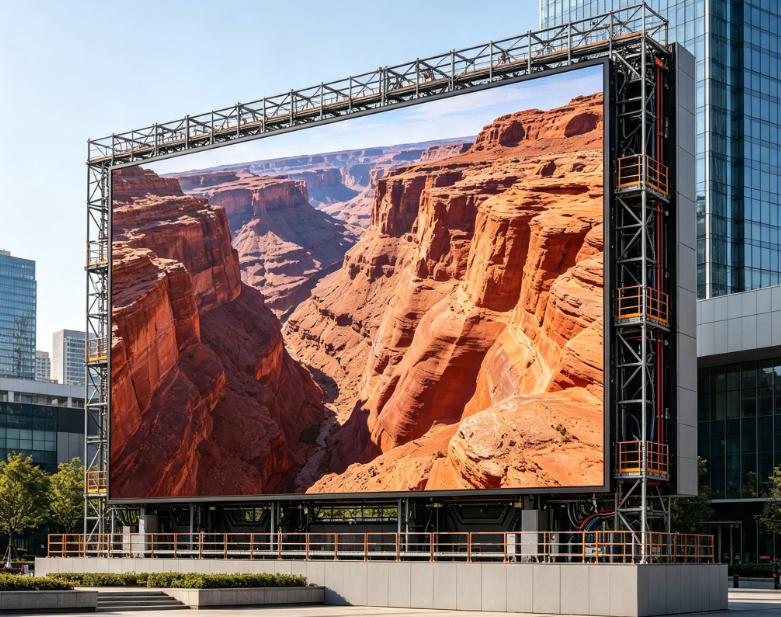
The purchase price is only the first bill attached to an outdoor display. Electricity, maintenance access, spare parts, and lost advertising time can quietly cost more over the screen’s working life. The useful buying question is therefore simple: which configuration will deliver the required visibility at the lowest realistic annual operating cost? The answer comes from modeling the site, not from choosing the lowest quotation.
Put Every Recurring Cost on One Annual Line
An outdoor LED screen needs a simple cost model before it needs a product comparison. Add annual electricity, planned maintenance, expected repair labor, access equipment, replacement parts, and the value of likely downtime. Keep installation and purchase costs separate so a cheap cabinet cannot hide an expensive service route.
The calculation only needs to expose assumptions and make competing proposals comparable.
| Cost driver | Evidence to collect | Annual calculation |
| Electricity | Average draw at realistic brightness | kW x operating hours x tariff |
| Routine service | Visit frequency and crew size | Visits x labor and access cost |
| Corrective repair | Likely interventions and parts | Events x labor, access, and parts |
| Downtime | Time to diagnose and restore | Lost hours x value per active hour |
Separate Average Draw From Maximum Load
Maximum power helps size electrical equipment, but average power is the better starting point for an energy budget. Content, brightness, and operating hours change actual consumption. Ask bidders to state both figures under defined conditions and compare one scenario.
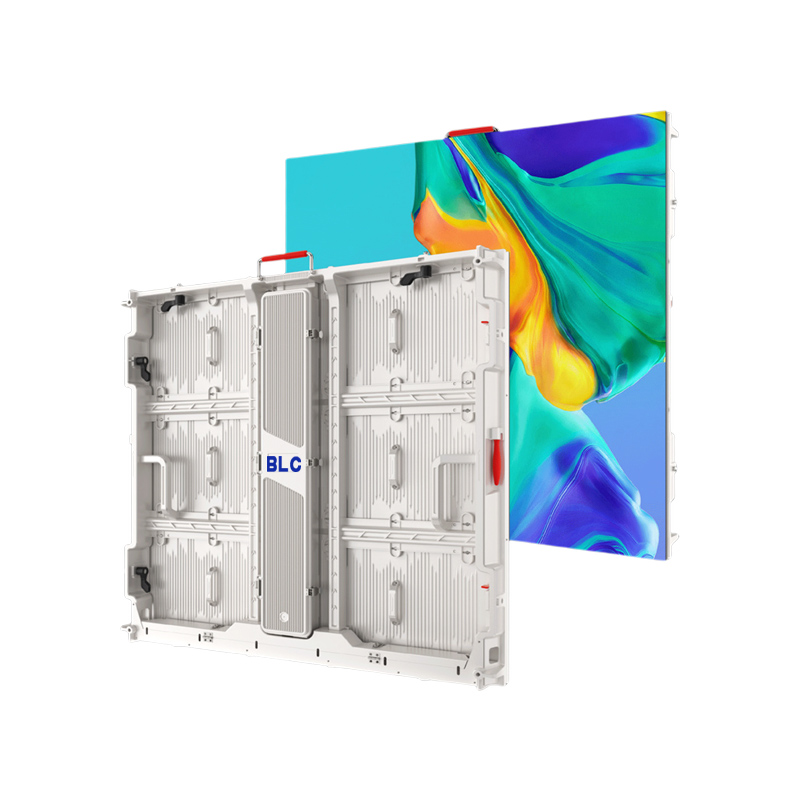
Our Outdoor Ti Series offers an average-power range of 100-200 W/m2 and a maximum range of 650-750 W/m2, depending on configuration and operating conditions. Those ranges are not an electricity bill by themselves. Apply the expected screen area, daily schedule, local tariff, and brightness profile to estimate one.
Give Downtime a Financial Value
Downtime becomes measurable when the operator values each unavailable hour. For a roadside billboard, that may be contracted media time; for a venue, a disrupted event. Even a rough value shows why fast diagnosis and accessible components can outweigh a small purchase discount.
Match Brightness to the Site, Hour by Hour
Brightness should follow ambient light rather than remain fixed at its daytime setting. Running an outdoor LED display harder than the site requires wastes electricity and can make nighttime content uncomfortable. The target is sufficient contrast, with lower output when conditions allow.
Build a Usable Operating Profile
A realistic profile separates full sun, overcast periods, dusk, night, and closed hours. Operators can then test changes without weakening the display’s purpose:
- Schedule the screen off when there is no audience or contracted content.
- Use lower brightness settings when ambient conditions allow.
- Avoid large white backgrounds when the campaign design can work with darker scenes.
- Review settings seasonally instead of leaving commissioning values untouched.
Our Outdoor Ti Series provides model-dependent brightness options from 5,000 to 10,000 nits. The correct setting depends on orientation, shade, local rules, viewing distance, and content. A specification ceiling is capacity, not an all-day setting.
Design One Common Repair Before Approving the Structure
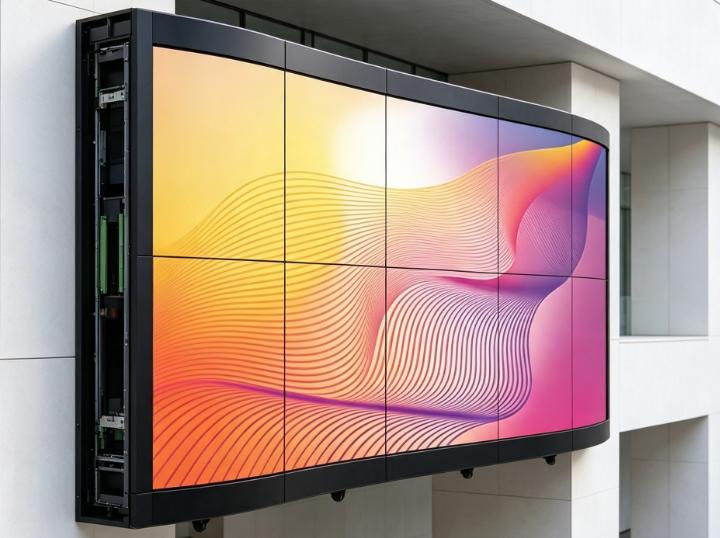
Maintenance cost is often decided by the steelwork and access route. An LED advertising screen that requires a lift, lane closure, or large crew for a module change will repeat that burden at every visit. The cheaper direction is the one technicians can use safely on site.
Compare the Same Module-Swap Scenario
Ask each bidder to describe one repair from fault alert to restored image. Count diagnosis, travel, access equipment, crew, removal, replacement, alignment, and testing. This turns “easy maintenance” into a sequence that can be priced.
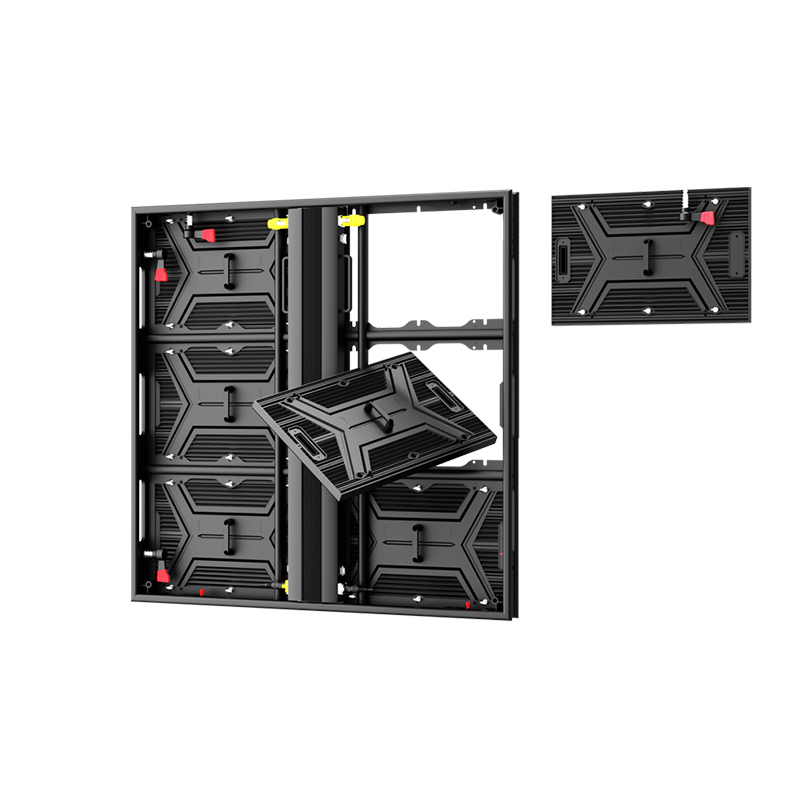
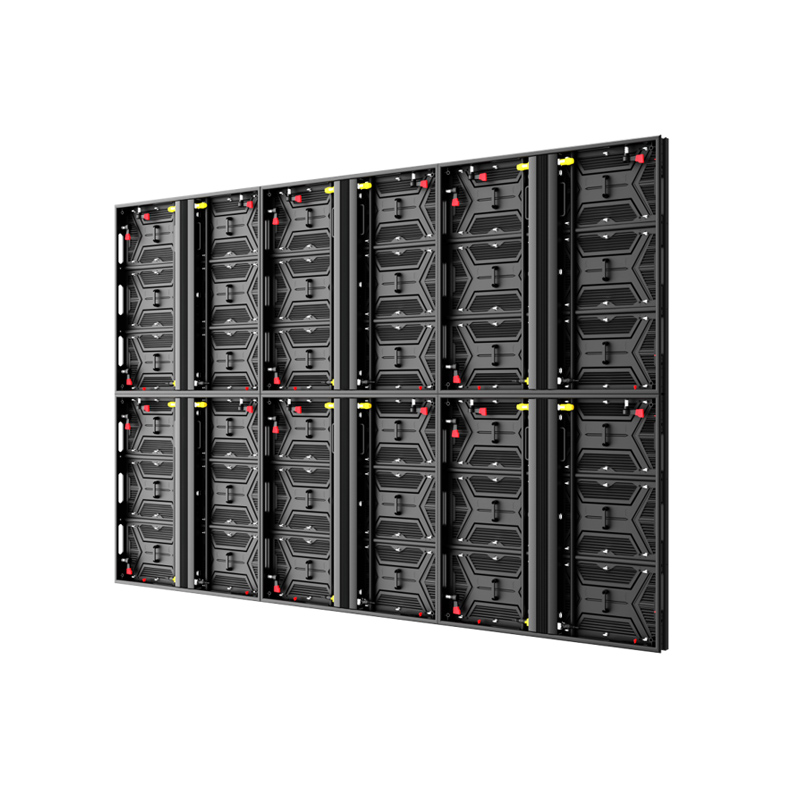
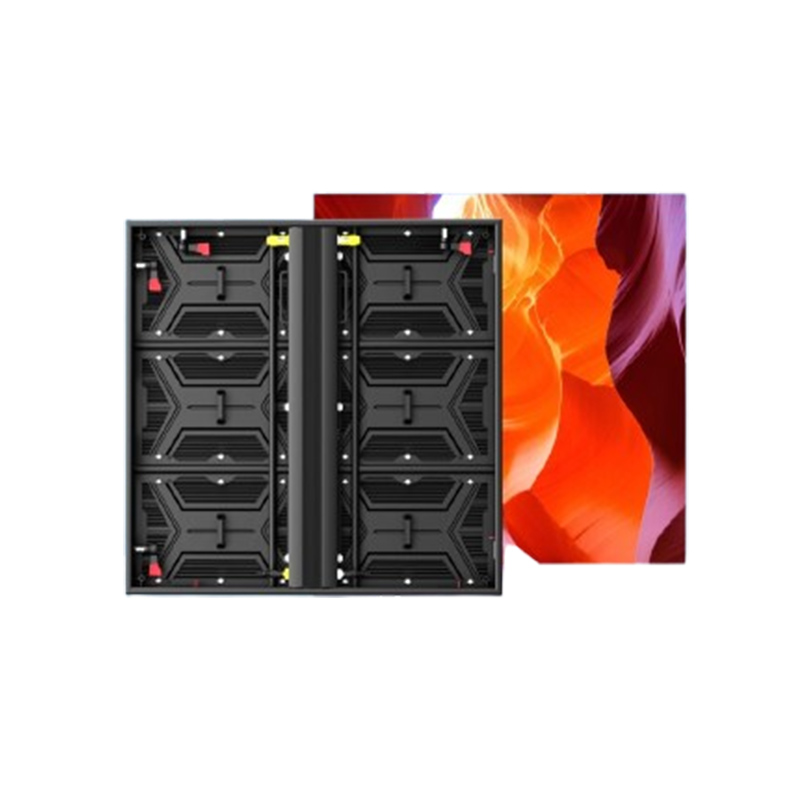
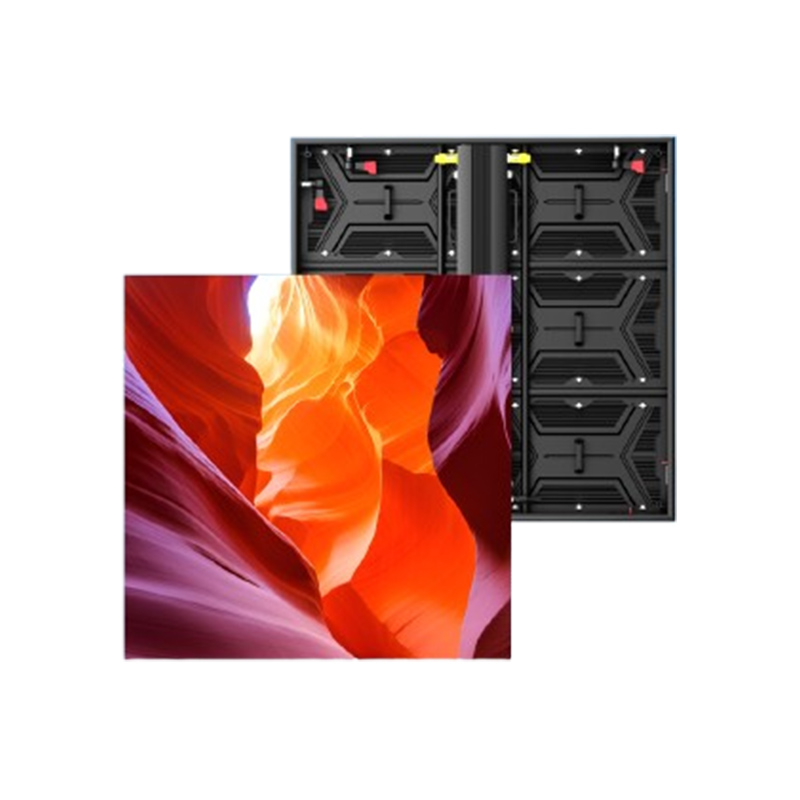
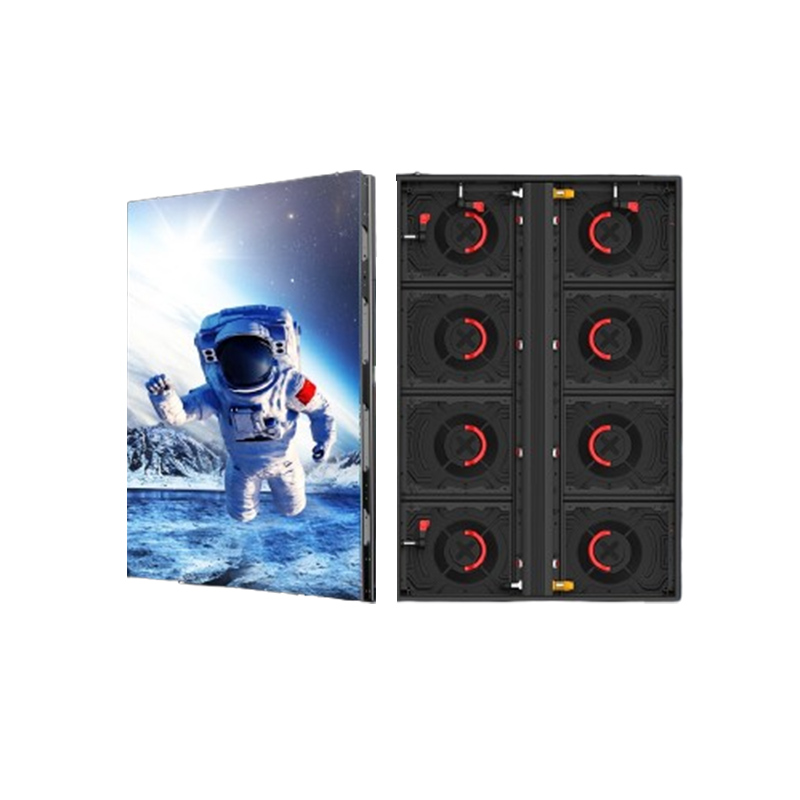
Our Outdoor Ti cabinets support both front and rear access, allowing the service direction to follow the installation. Front access can be useful where there is limited or no usable space behind the screen. Rear access can remain practical when a safe corridor already exists. Neither option is automatically cheaper; the surrounding structure and repeated labor decide the result.
A waterproof LED display still needs serviceability. Our Outdoor Ti Series is rated IP65, but technicians must protect seals, connectors, and drainage paths whenever a cabinet is opened. Include those checks in the repair method.
Buy Evidence That Protects the Cost Model
A forecast is useful only if the delivered screen behaves like the proposal. Before shipment, verify consistent operation, module alignment, controls, and the agreed service procedure. Product verification should protect the cost model, not become a list of claims.
At BLC LED, our quality-control process includes incoming inspection, in-process control, finished-product testing, and a 72-hour burn-in test. For a large outdoor LED video wall, the acceptance review should also reproduce the intended brightness schedule, check power readings, confirm front or rear removal, and record the controller configuration. A documented pre-shipment verification can help catch an expensive mismatch before freight and site labor make correction harder.
The handover should include labeled spares, configuration backups, maintenance instructions, and fault-escalation contacts. These items shorten diagnosis and help the operator update the model with actual data.
Use a Cost Rule That Remains Useful After Installation
The best decision is the configuration with the lowest credible annual cost while meeting visibility, safety, and uptime needs. Compare average power under one operating profile, price one common repair, value downtime, and verify those assumptions before shipment. After launch, review electricity and service records quarterly; the model should become more accurate as the operator learns how the site behaves.
For a project-specific comparison, share the screen area, location, operating schedule, access constraints, electricity tariff, and uptime target through our project contact page. We can map those inputs to an outdoor configuration without treating maximum specifications as everyday requirements.
FAQ
How Do I Estimate Annual Electricity Cost?
Multiply expected average power in kilowatts by annual operating hours and the local electricity tariff. Use a day-and-night brightness profile instead of maximum power, which is mainly relevant to electrical-system sizing.
Does Lower Brightness Always Mean Lower Operating Cost?
Lower output generally reduces energy demand, but brightness must still protect visibility and the commercial purpose of the screen. The useful saving comes from matching output to ambient light and active audience hours.
Is Front Service Always Cheaper Than Rear Service?
No. Front service can avoid a rear corridor and shorten some repairs, while rear service may be efficient where safe access already exists. Price the same repair scenario for the actual structure before deciding.
What Should a Pre-Shipment Test Cover?
The test should cover image uniformity, controller settings, power behavior, brightness control, component removal, reassembly, and the agreed fault-recovery steps. Record the accepted configuration for site commissioning.
How Often Should the Cost Model Be Updated?
Review it quarterly during the first year, then at a frequency that matches operational change. Update actual energy use, service labor, parts, access costs, downtime, tariffs, and operating hours so future decisions use site evidence.

Leave a reply