

14th October 2026
Beyond the Hardware: Full-Service DOOH LED Video Wall Solutions
-
 author

Ask a DOOH advertiser to budget for an outdoor screen and the first number that lands on the desk is the panel. That is the wrong place to start, though. Whether the site earns its rent is decided by the structure above it, the power behind it, the system that pushes creatives to it, and whoever fixes it when a module finally drops out.
Looked at piece by piece, a full-service solution is much easier to compare on substance than on a single brightness figure.
The Panel Layer
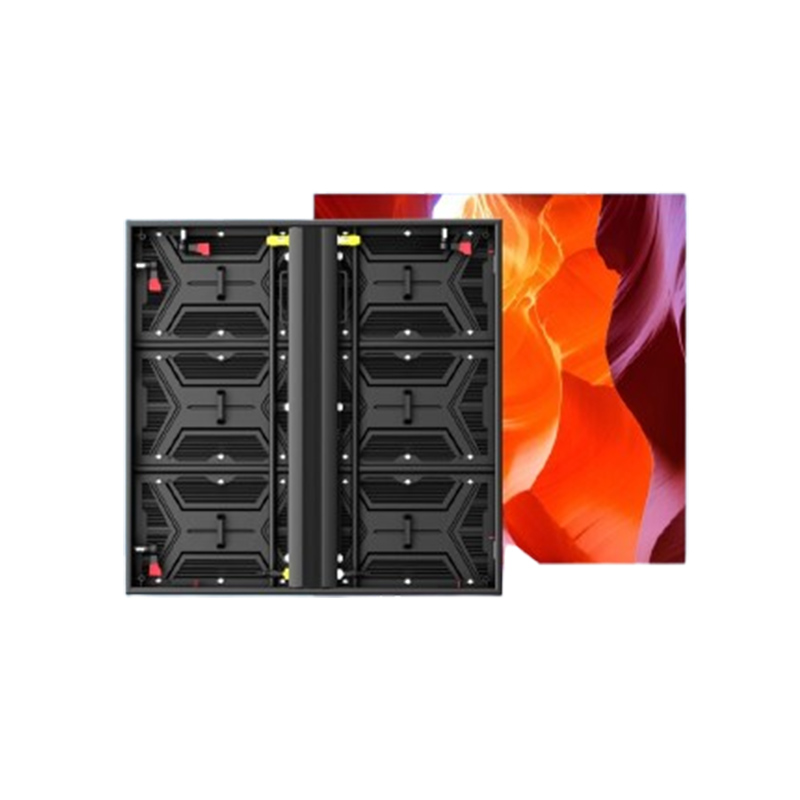
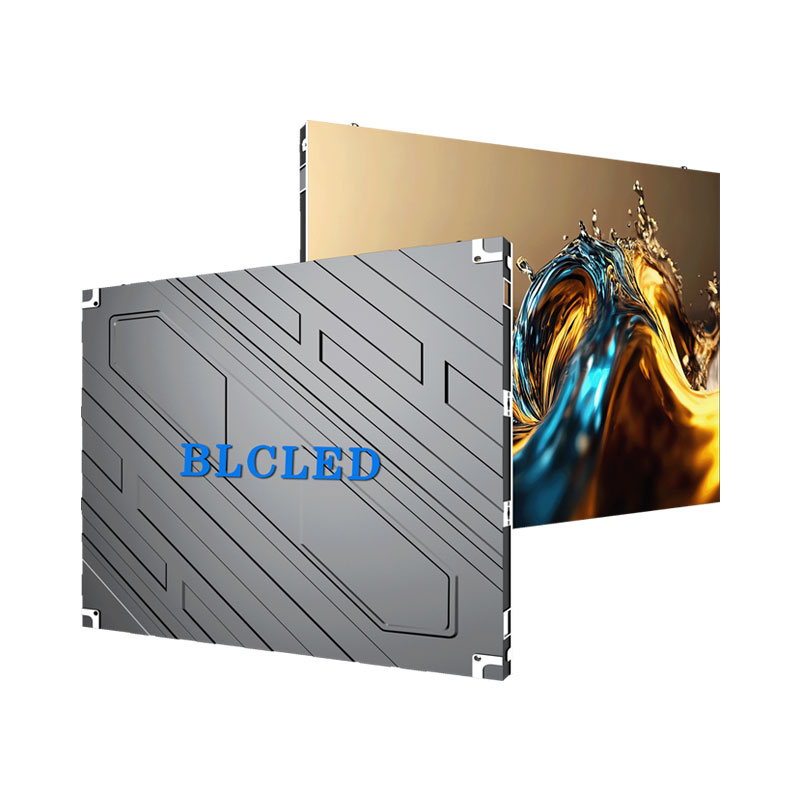
An outdoor LED video screen is modular, and the panel itself has no idea what the weather is like where it is bolted. Two outdoor LED display cabinets with the same pixel pitch can age very differently, one on a salty coastal rooftop and the other wall-flushed into a mall facade. The difference shows up in everything engineered around the glass.
That is the whole reason full-service supply exists. Hand over panels and stop, and the structure, the power, the content pipeline, and the upkeep each become a separate problem, usually spread across several vendors. When the revenue depends on uptime, that split quietly turns into real money.
Sizing the Panel to the Site
Pixel pitch is the first real decision, because it sets how far away the image still reads cleanly, which tracks the traffic the site actually captures. A corner where people stand a few meters out wants a finer pitch than a highway gantry where the viewer is thirty meters away and moving fast, so the pitch choice is really a site choice.
A P3.91 outdoor LED display fits close, dense urban viewing. A coarser P10.42 outdoor LED screen is the sensible pick for roads and long-throw formats. Finer pitches pack more pixels per square meter, so peak power draw climbs, and the cabinet has to hold its brightness against direct sun.
| Pixel pitch | Pixel density (dots/m²) | Typical brightness | Best viewing distance | DOOH fit |
| P3.91 | 65,536 | 5,500–10,000 nits | 4–100 m | Urban street, plaza |
| P4.81 | 43,264 | 5,500–10,000 nits | 5–100 m | Main road, mall |
| P6.25 | 25,600 | 6,000–10,000 nits | 6–150 m | Arterial road |
| P10.42 | 9,216 | 6,000–10,000 nits | 10–200 m | Highway, long-throw |
Once pitch, brightness, and cabinet size are locked, the dimensions and weight of the build are set, and those numbers feed straight into the structure.
The Structure and Power Layer
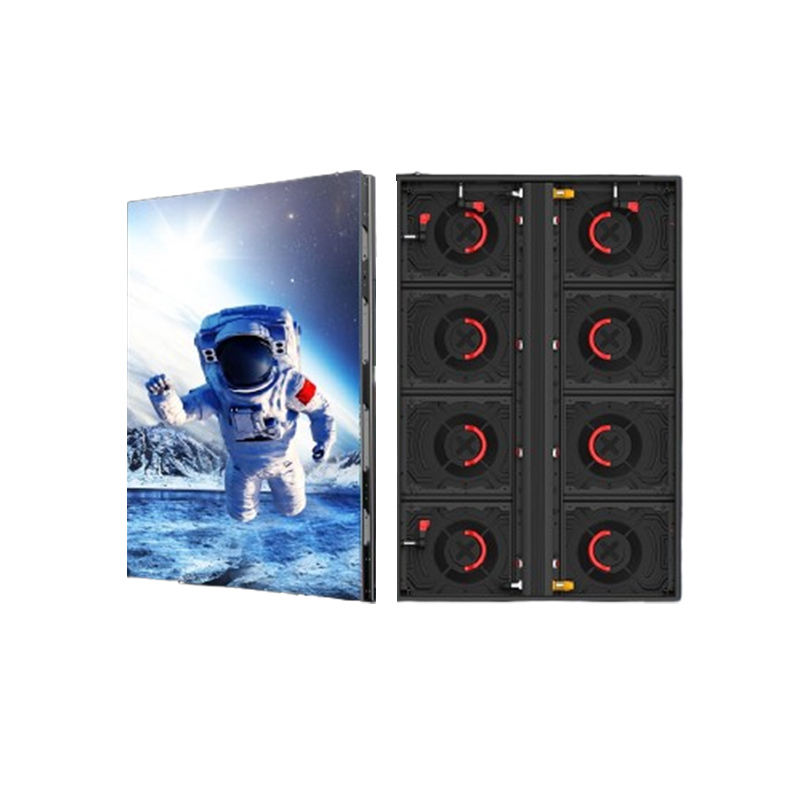
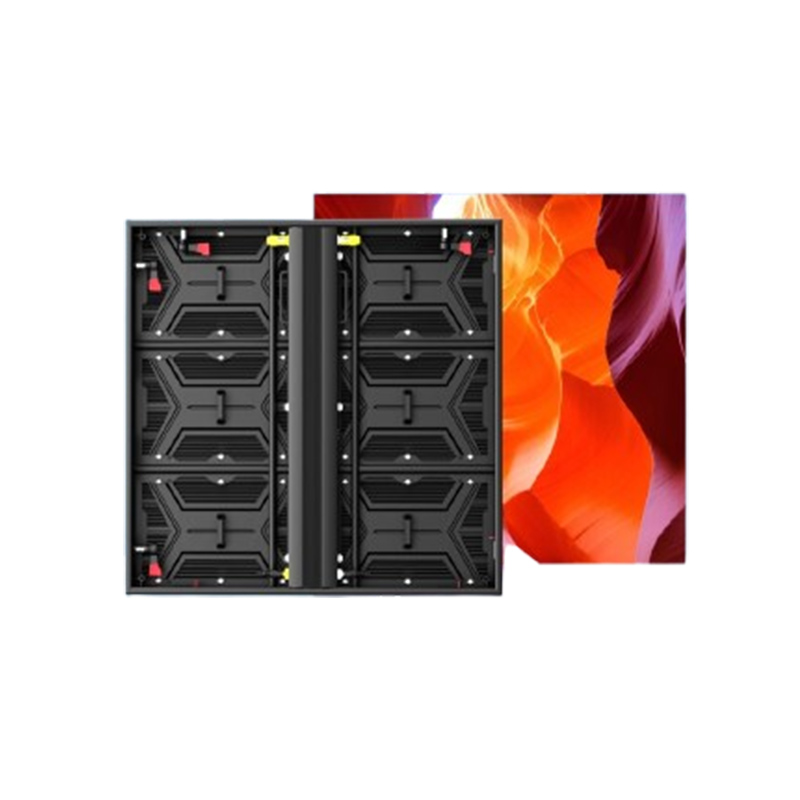
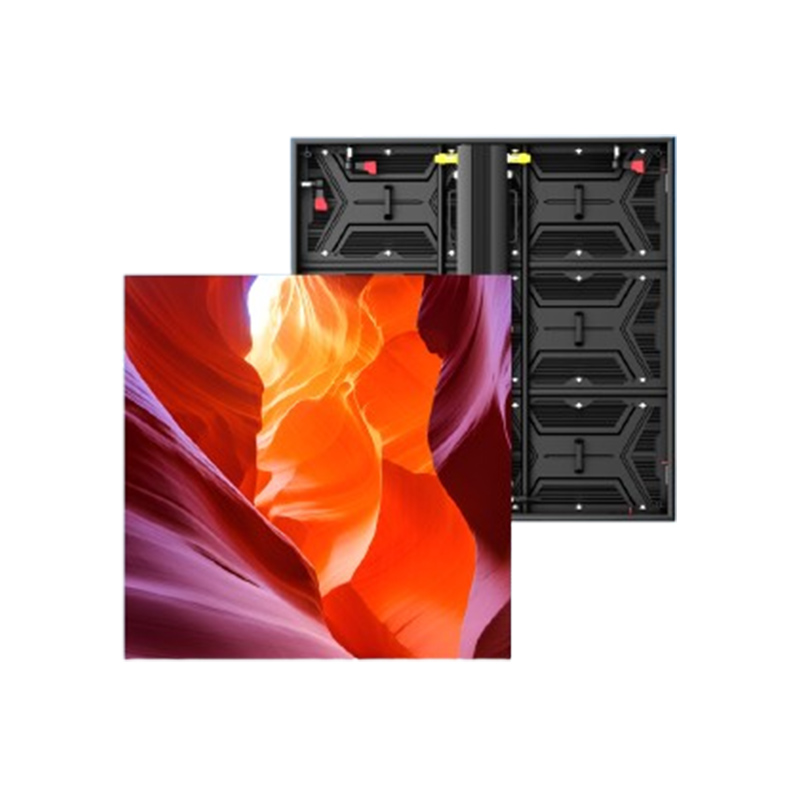
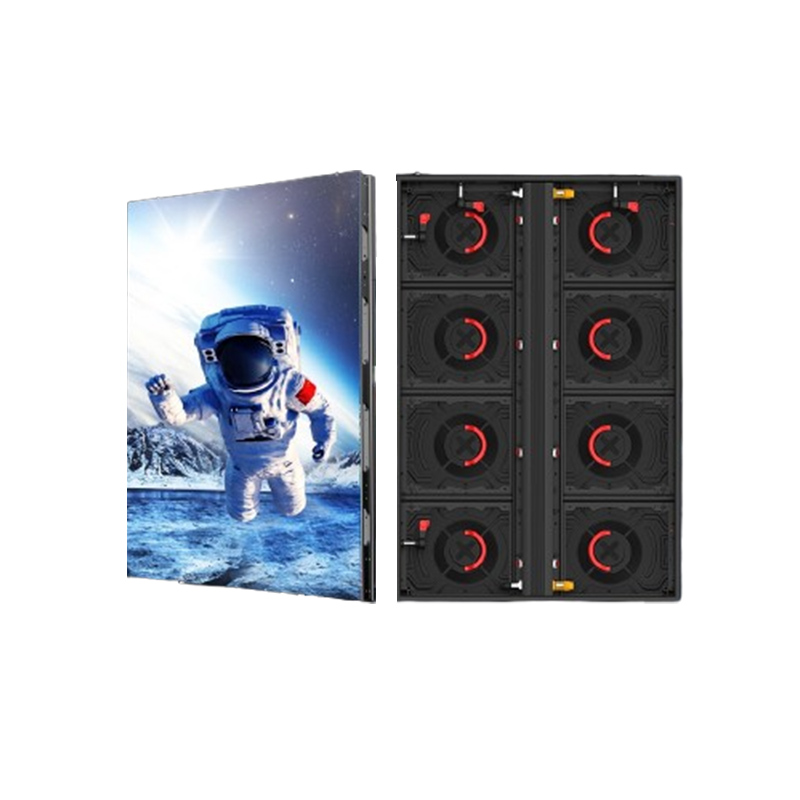
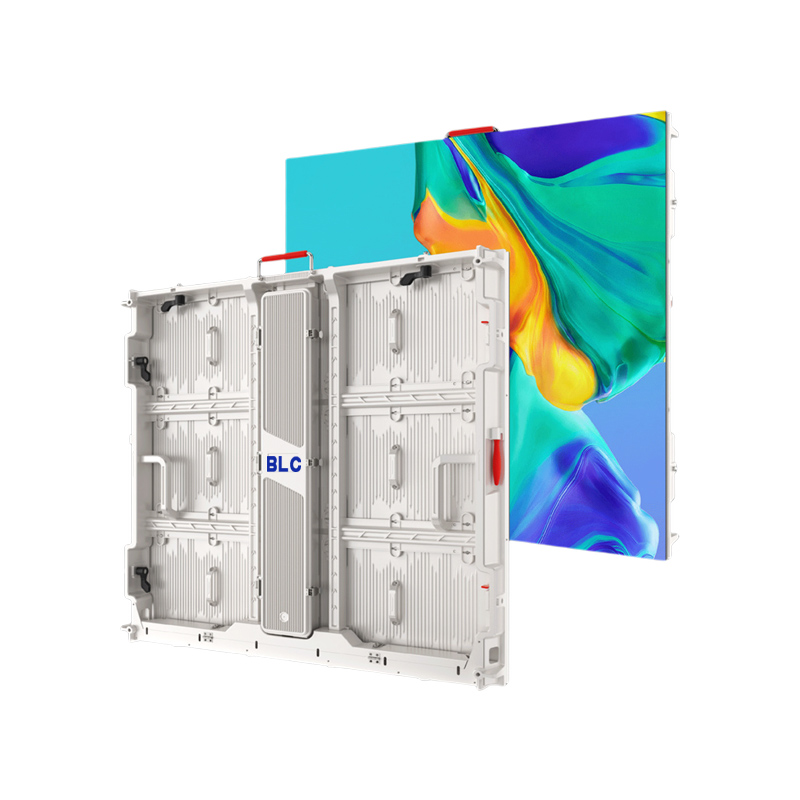
Everything that holds the screen to the building sits here. Rooftop and billboard installs usually take rear-service cabinets, because the open back vents heat and leaves a safe corridor for a technician. Tight or sealed facades point the other way, toward front-service access with magnetic or rotary-wrench module removal.
Custom structure is where a factory-based supplier earns its keep. Wind load, mounting orientation, and the exact footprint all shift from one site to the next, so a stock box rarely lands on the right numbers.
The electrical side is just as important. A power supply and distribution set matched to the cabinet’s peak draw, running on a wide AC90–264 V input, is what lets the same hardware move between countries without a rewiring job.
The Content Control Layer
The control system is the piece that scales with the network. A single screen gets by on a local player. An advertiser running thirty sites cannot, and needs centralized scheduling: one place to push a campaign everywhere, swap a creative at a set hour, and confirm the change actually went out.
Remote, cloud-based playback is what turns a scattered portfolio into one asset an operations team can run without a technician on every site, and a full-service package ships that console as part of the delivery rather than as an add-on. The receiving-card and playback setup is configured during commissioning, so the advertiser’s own team holds the content workflow from day one.
Certifications and After-Sales
Compliance and logistics keep a cross-border network on time, and the certifications are not a marketing footnote on an outdoor product. ISO 9001 and ISO 27001 management certification, plus CE, RoHS, and FCC listing, is what makes the hardware acceptable across markets.
Supplying more than 110 countries means the same cabinet family has to clear different regimes, and a one-stop, factory-direct chain keeps the power, distribution, and documentation moving as one unit instead of three disconnected vendors.
After-sales is the layer buyers underestimate, because the pain points that quietly sink a DOOH network are downtime and slow repairs. A two-year warranty backed by a stocked parts inventory, on the order of five thousand components held for rapid replacement, keeps the screen earning instead of sitting dark while a spare part ships across an ocean.
The Complete Solution at Handover
Put it together and a full-service DOOH LED video wall solution is a site-sized panel, a custom structure and power architecture, a centralized content console, the certifications and logistics to move it into market, and a stocked after-sales layer behind it. That is what a buyer is really weighing when one offer prices a screen and another prices a running network.
For an advertiser building across several markets, that completeness is where a manufacturer like BLC becomes practical. With its own factory, the structure can be tailored to each site, the same hardware can clear different markets, and one accountable team carries the screen from installation through its service life.
After a site survey, the next step is straightforward. Match the pitch to the viewing distance, size the structure to the load, and confirm the control and after-sales terms before the panel order is placed.
FAQ
What does a full-service outdoor LED video wall include?
It covers the site-sized panel, the custom structural frame and power distribution, the content control system, the required certifications and documentation, and the after-sales parts and response.
How do I choose the right pixel pitch for a DOOH site?
Match the pitch to the normal viewing distance. Finer pitches, around P3.91 to P4.81, suit close, high-traffic urban sites; coarser pitches, P6.25 and up, suit roads and long-throw locations.
Do front-service and rear-service cabinets matter for outdoor installs?
Yes. Rear-service cabinets suit rooftops and billboards with a safe back corridor and good airflow. Front-service access suits tight or sealed facades where the back is not reachable. The choice comes from the physical install, not from the screen itself.
Can the same outdoor LED display hardware be used across different countries?
The outdoor cabinets run on a wide AC90–264 V input and carry CE, RoHS, and FCC listing, which supports reuse across markets. A factory-direct supply chain keeps the power, distribution, and documentation consistent between sites.
Why is the after-sales layer part of the decision, not an afterthought?
Downtime is what costs a DOOH network its revenue. A stocked parts inventory, a 24/7 response, and a defined rapid-response time keep the screen up between campaigns, which is what protects the return on a network meant to run continuously.
Leave a reply