




How Does an LED Display Turn Video Into Light?
17
September
A buyer can see a bright image on an LED wall without seeing the chain of decisions behind it. Knowing how that chain works makes it easier to specify content, viewing distance, and service access without treating the screen as a mysterious black box.
The image begins as mapped pixel data
An LED display starts with a video source, but it cannot show that source until a processor maps the image to the physical pixel layout. A laptop, media player, camera, or controller sends content to the processor. The video processor and control system scale and map the incoming image to the screen canvas. Receiving cards then distribute the mapped display data to the corresponding modules.
That is why a LED display screen should be commissioned with its real content and intended canvas size. A wide welcome wall, a stage backdrop, and a narrow information strip may all use LEDs, yet their mapping and content priorities differ from the outset.
Each pixel mixes three controllable colors
Each full-color pixel uses red, green, and blue light sources. The controller changes their relative output to create the color and brightness required at that point in the image. A white field requires a coordinated contribution from all three color channels; a deep blue scene requires a very different mix. Millions of controlled combinations make video, type, and graphics possible.
Pixel pitch is the center-to-center distance between neighboring pixels, so it affects how closely viewers can stand before they notice the image structure. A smaller pitch can support finer detail at a nearer viewing position, but it is valuable only when the message genuinely needs that detail. The right question is what people must read, not simply which number is smallest.
The cabinet carries signal power and alignment
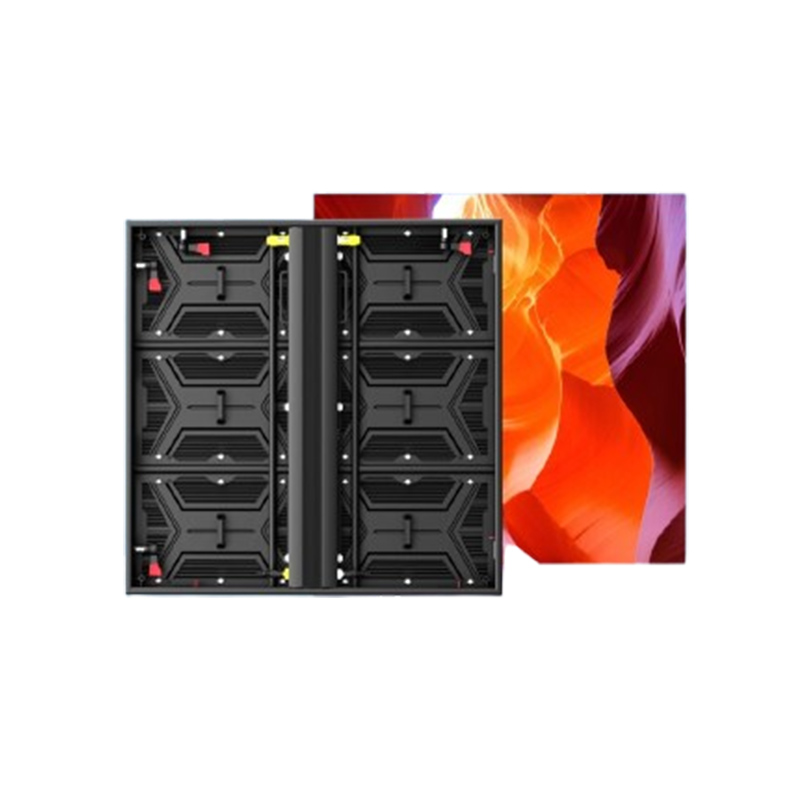
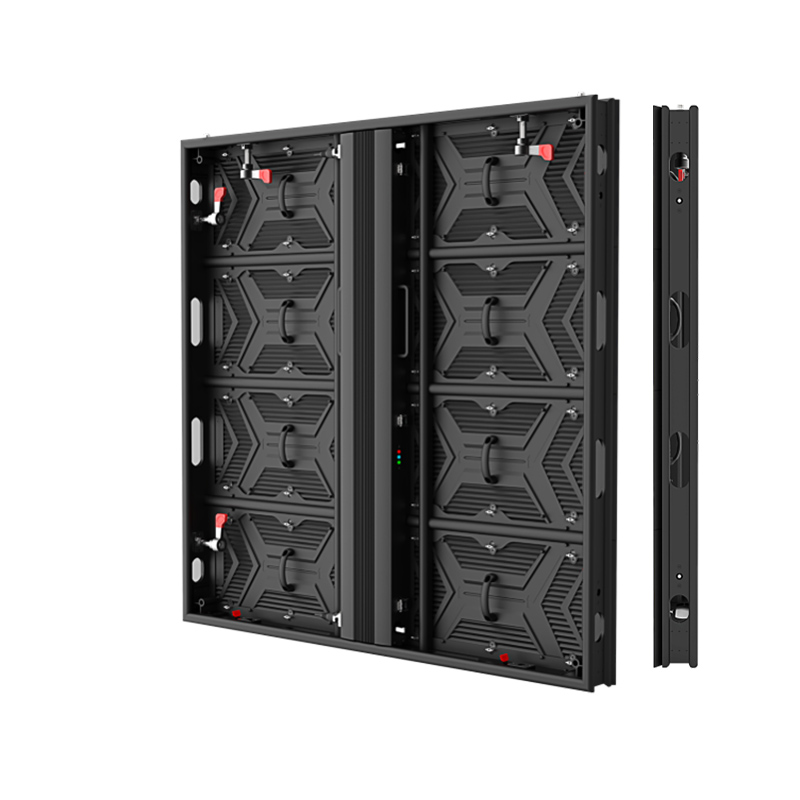
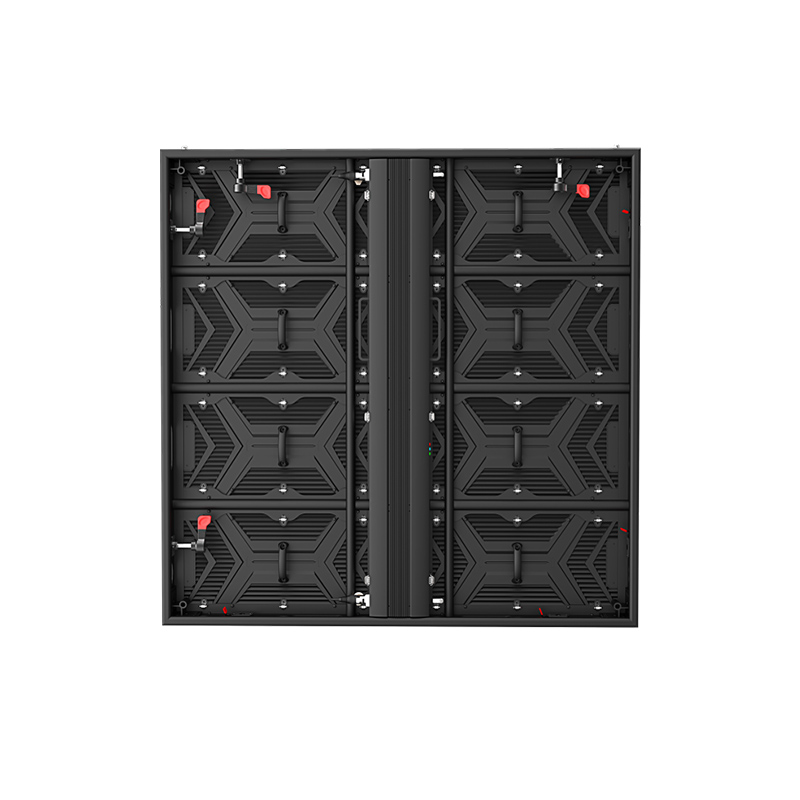
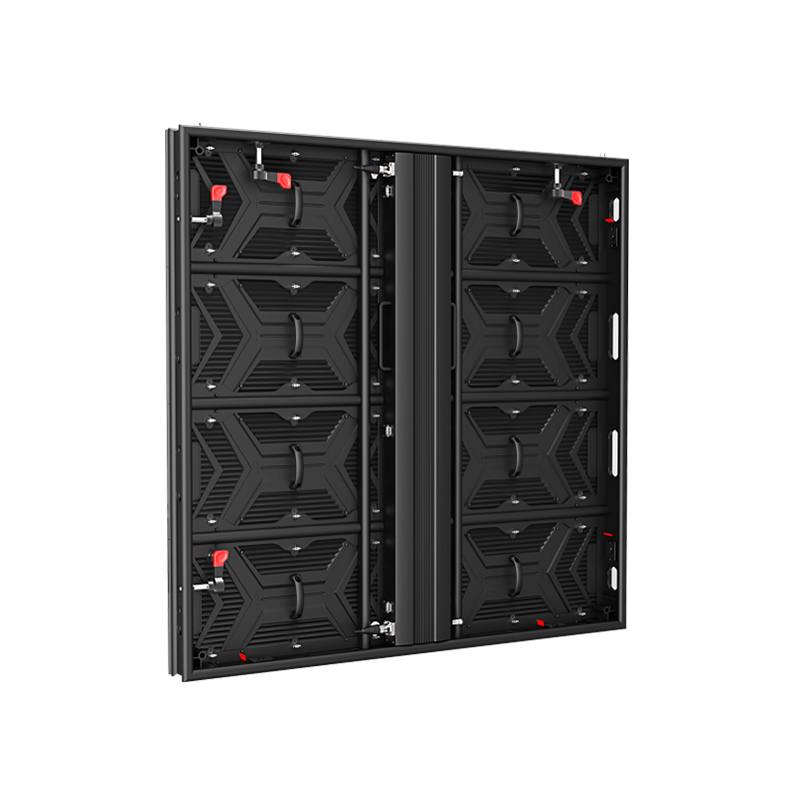
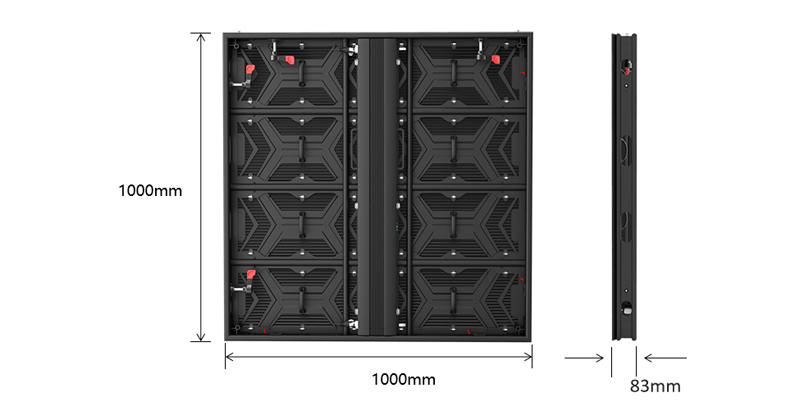
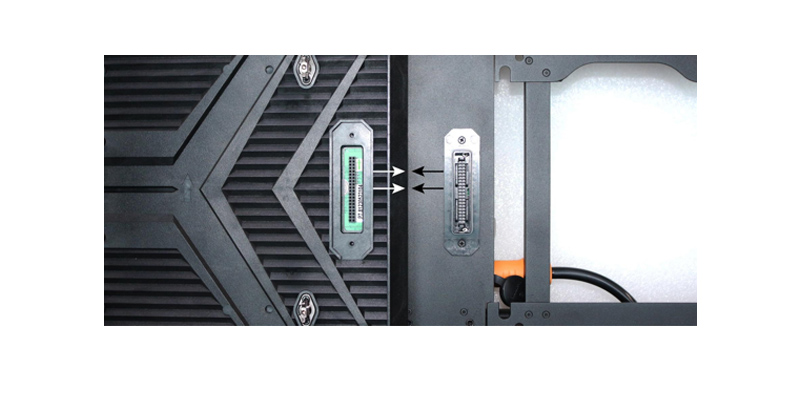
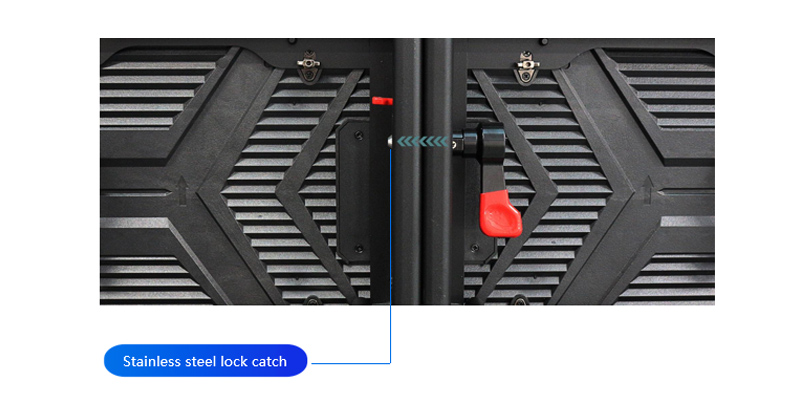
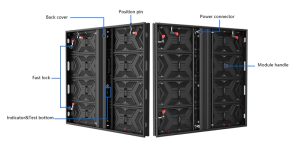
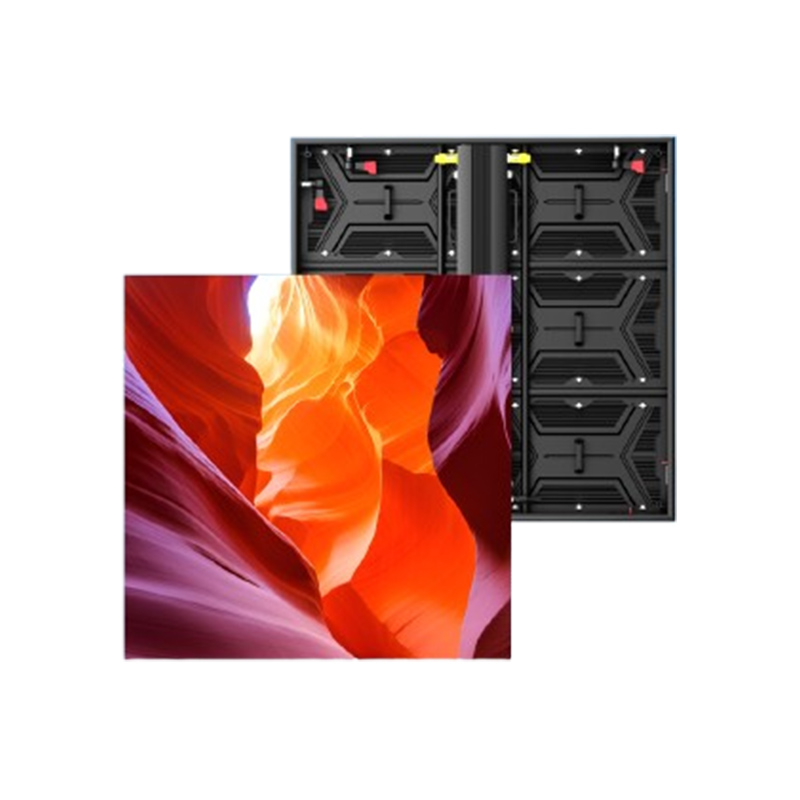
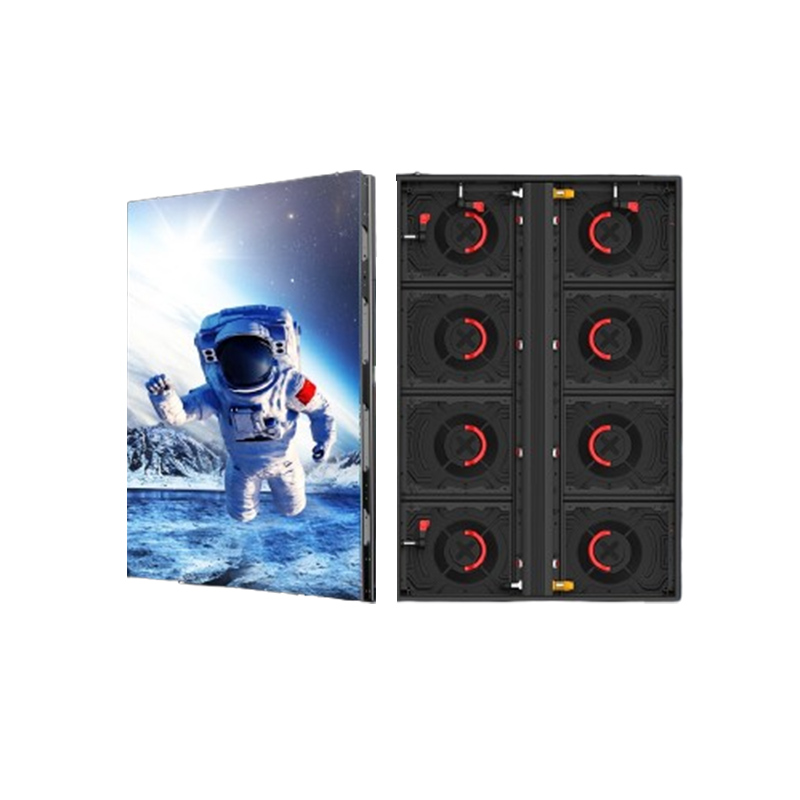
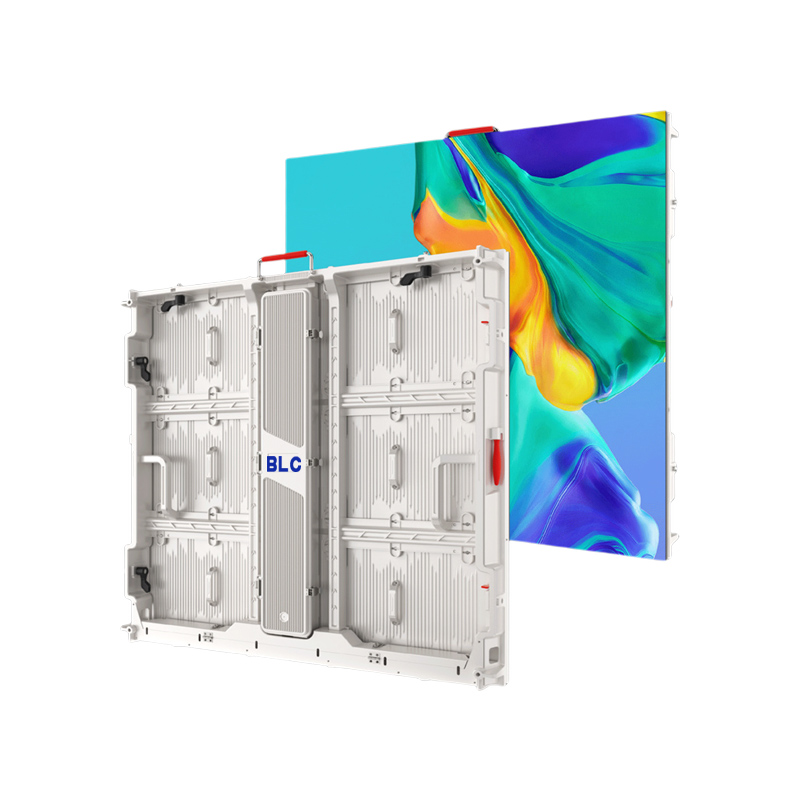
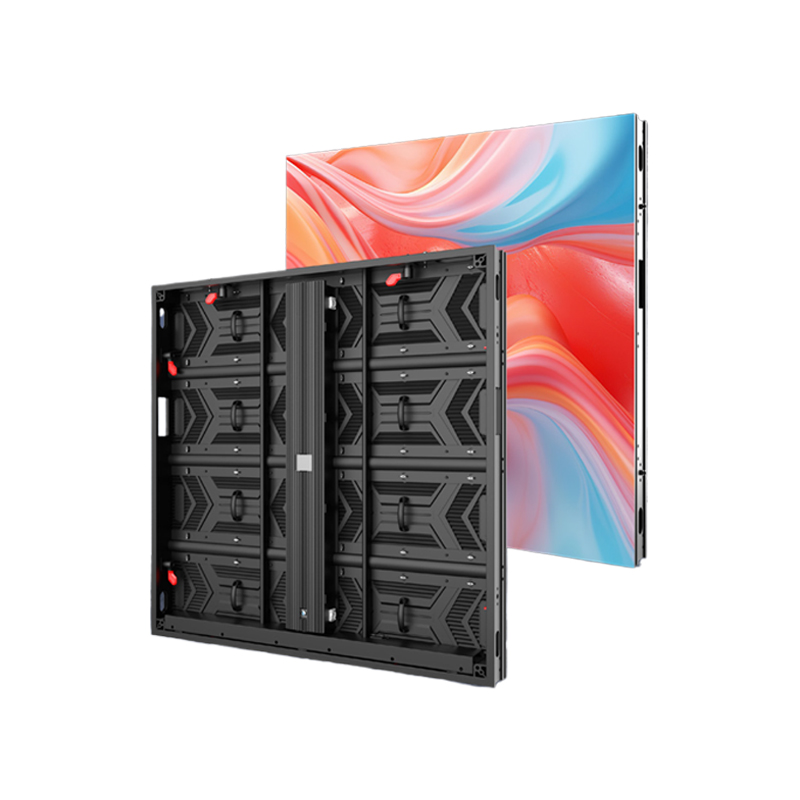
A display module is only one layer of the finished wall. Cabinets provide the mechanical structure and alignment while housing the power supplies, receiving hardware, modules, and signal connections that allow separate modules to operate as one display. If a cabinet line is out of alignment or a signal path is incorrectly configured, a technically capable module cannot deliver a clean, continuous result.
For this reason, LED video wall panels are planned as a system rather than selected as isolated tiles. The installation team needs to confirm cabinet layout, controller capacity, cable routes, electrical protection, and a practical route for future service before content testing can be meaningful.
Stage
What happens
Why the project team should care
Content input
A source sends video or graphic content to the processor.
The source resolution and aspect ratio affect scaling and text clarity.
Processing
The processor maps every frame to the screen’s actual pixel canvas.
Correct mapping prevents cropped images, stretched logos, and misplaced text.
Receiving
Receiving cards distribute the mapped data to the modules within each cabinet.
A planned signal path helps technicians isolate a fault without disturbing the rest of the wall.
Light output
Red, green, and blue LEDs produce the visible pixel colors.
Brightness and pixel pitch must suit the room and the closest meaningful viewer.
Refresh keeps movement coherent
Refresh rate describes how frequently the LED driving system updates the light output, while frame rate describes how frequently new video frames are supplied. Refresh rate becomes especially important with fast-moving content and when the LED screen is captured by a camera. It is one part of image quality, alongside frame rate, content preparation, signal processing, calibration, ambient light, and the physical condition of the display.
A full-color LED display should therefore be assessed with the material it will actually play. Slow wayfinding content may expose layout problems and contrast choices; fast product footage can expose poor scaling or a weak signal path. Testing both types before handover is more useful than relying on a looped demonstration alone.
A single module must stay in step
An LED display panel has to receive the correct timing and color information alongside its neighbors, or the image may show a missing section, timing inconsistency, or visible color mismatch. Physical seams, by contrast, are mainly controlled by cabinet alignment and flatness. Commissioning should therefore include a full-canvas test, not only a check of individual modules. That is the simplest way to confirm that the complete display behaves as one surface.
The viewing environment completes the picture
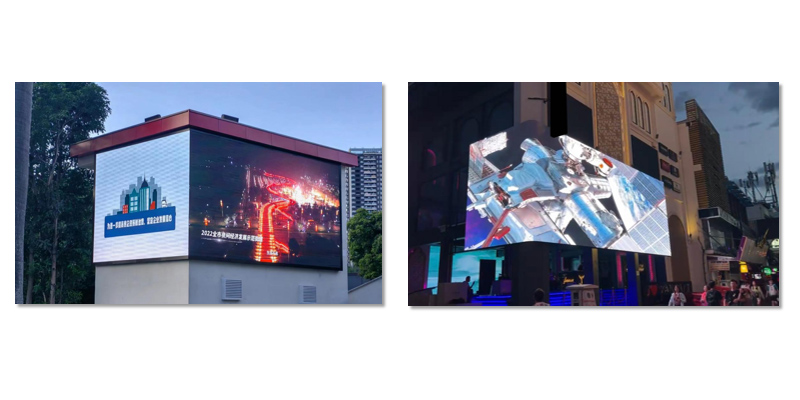
The same screen can feel clear in a shaded lobby and strained beside bright glazing because surrounding light changes perceived contrast. Viewing angles, surface reflections, and the normal walking route also shape what the audience sees. Those conditions should guide the content hierarchy as much as the hardware selection does.
Test the smallest important text from the nearest realistic viewing position.
Check a still image, motion clip, and live source before accepting the mapping.
Keep power, signal, and service access documented for the operating team.
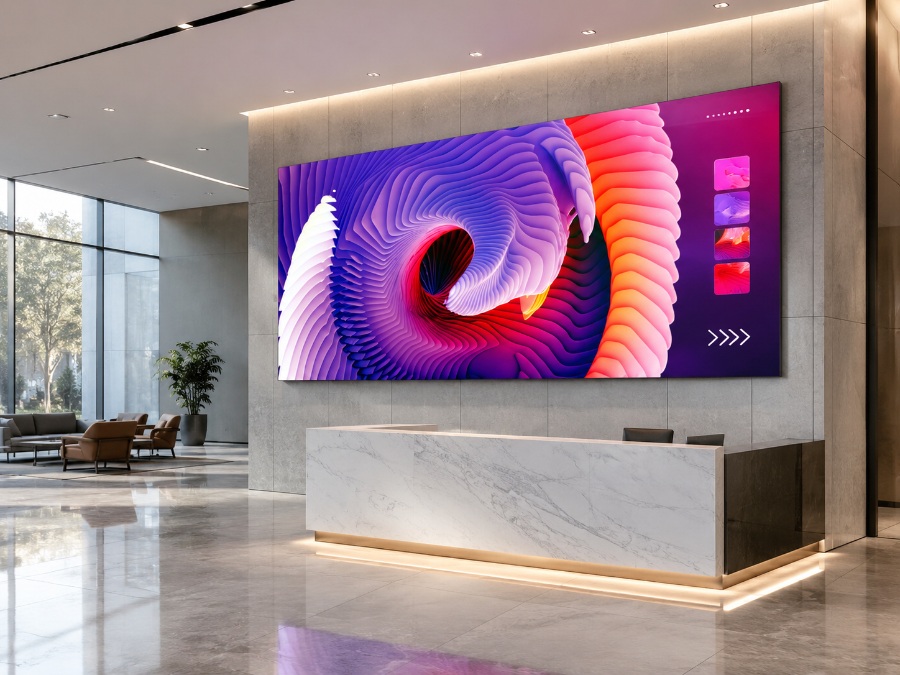
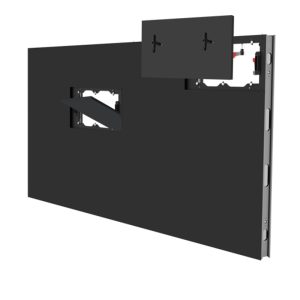
When a project needs a large continuous canvas, a commercial LED display can connect those decisions in one surface. BLC LED’s indoor fixed-installation options include high-precision cabinet structures and front-service configurations, which help combine accurate alignment with practical maintenance access in a built space.
A practical way to read the technology
An LED wall works by turning mapped digital information into controlled light at millions of pixel positions. The useful next step is to connect that simple principle to the site: define the real content, identify the closest viewer, confirm the physical canvas, and plan how the wall will be maintained. That sequence keeps the technology in service of the message rather than turning the project into a specification exercise.
FAQ
Does every LED pixel contain red, green, and blue light?
A full-color display uses red, green, and blue light sources to form its visible pixel colors. The exact package design varies by product and application.
What does pixel pitch change?
Pixel pitch is the spacing between pixels. It affects how much detail can be perceived at a given viewing distance and should match the closest meaningful audience position.
Why is a video processor needed?
The processor adapts incoming content to the screen’s physical pixel canvas, while the control system distributes the mapped data to the corresponding display sections.
Can the same LED wall show live video and graphics?
Yes, provided the source, processor, mapping, and refresh performance are configured for the intended material. Both should be tested during commissioning.
What should a site team check before handover?
Check real content, mapping, brightness in the installed light, signal continuity, and the safe route for routine module or power service.