

7th October 2026
When Does a Direct-View LED Video Wall Beat LCD?
-
 author

The LED-versus-LCD question is rarely settled by a spec sheet alone. A display can look excellent in a showroom and still disappoint once people read schedules at close range, walk past a lobby wall, or rely on it for daily information. The useful comparison begins with the room, the message, and the way viewers actually approach the screen.
Viewing Distance Sets the First Boundary
Viewing distance is the first practical filter because pixel structure becomes more noticeable as people move closer. Direct-view LED places the light-emitting pixels on the display surface, while an LCD uses a liquid-crystal panel with a backlight. That difference matters most when a screen must carry fine type, dense dashboards, or detailed images for people standing nearby.
A Direct-View LED video wall can suit a broad lobby, auditorium, or presentation space when the nearest meaningful viewing position matches the selected pixel pitch. The wall should be evaluated with real content at that distance, not with a looping demo viewed from the back of the room. Fine text, diagonal lines, and skin tones expose weak assumptions quickly.
Close Reading and Pixel Structure
Close-range work changes the decision because an LCD can deliver dense detail in a familiar panel format. A small meeting room, trading desk, or control point may value crisp spreadsheet text more than an uninterrupted image. In those cases, the right question is not whether LED is more impressive, but whether the content needs more pixel density at the actual viewing distance.
Content scale still matters because neither technology rescues a crowded layout. Before fixing the display type, place the smallest real text, map, or data view on a test canvas. If the message remains clear from the closest intended position, the display plan has a sound starting point.
Where Seams Change the Message
Seams matter when a message crosses the whole wall. An LCD video wall is built from separate panels, so even narrow bezels create a visible grid. That grid may be harmless for a multi-window dashboard, a bank of camera feeds, or several independent information zones. It becomes harder to ignore when a brand film, a large image, or a single directional graphic must read as one surface.
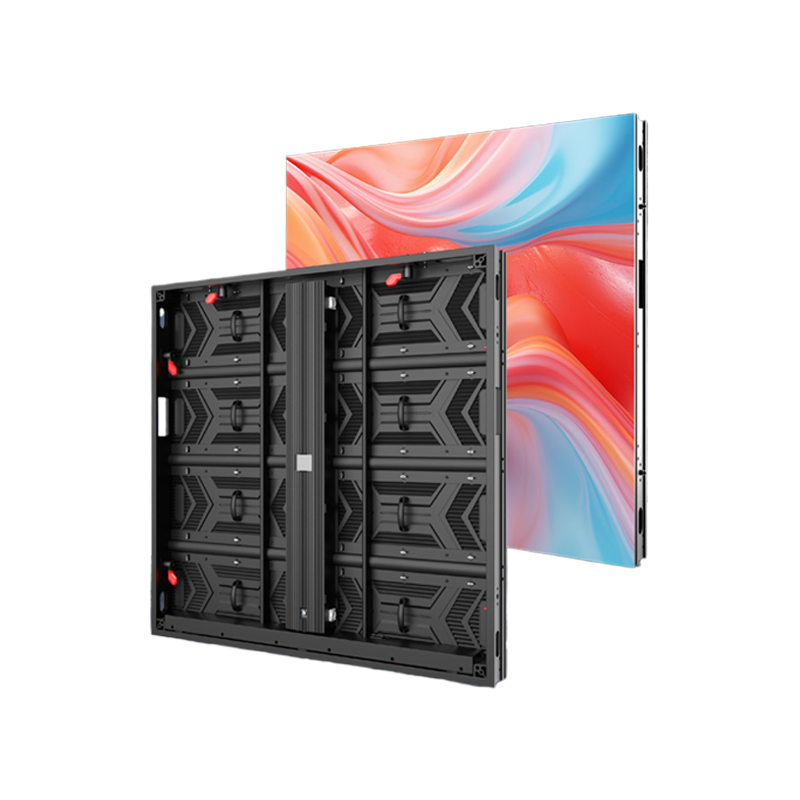
For that kind of brief, LED video wall panels built as a continuous display can preserve the intended composition across the full canvas. The benefit is visual continuity, not a reason to use LED in every room. A tiled LCD layout can still be the more proportionate choice when the grid supports the content rather than fighting it.
A Single Canvas for Architectural Content
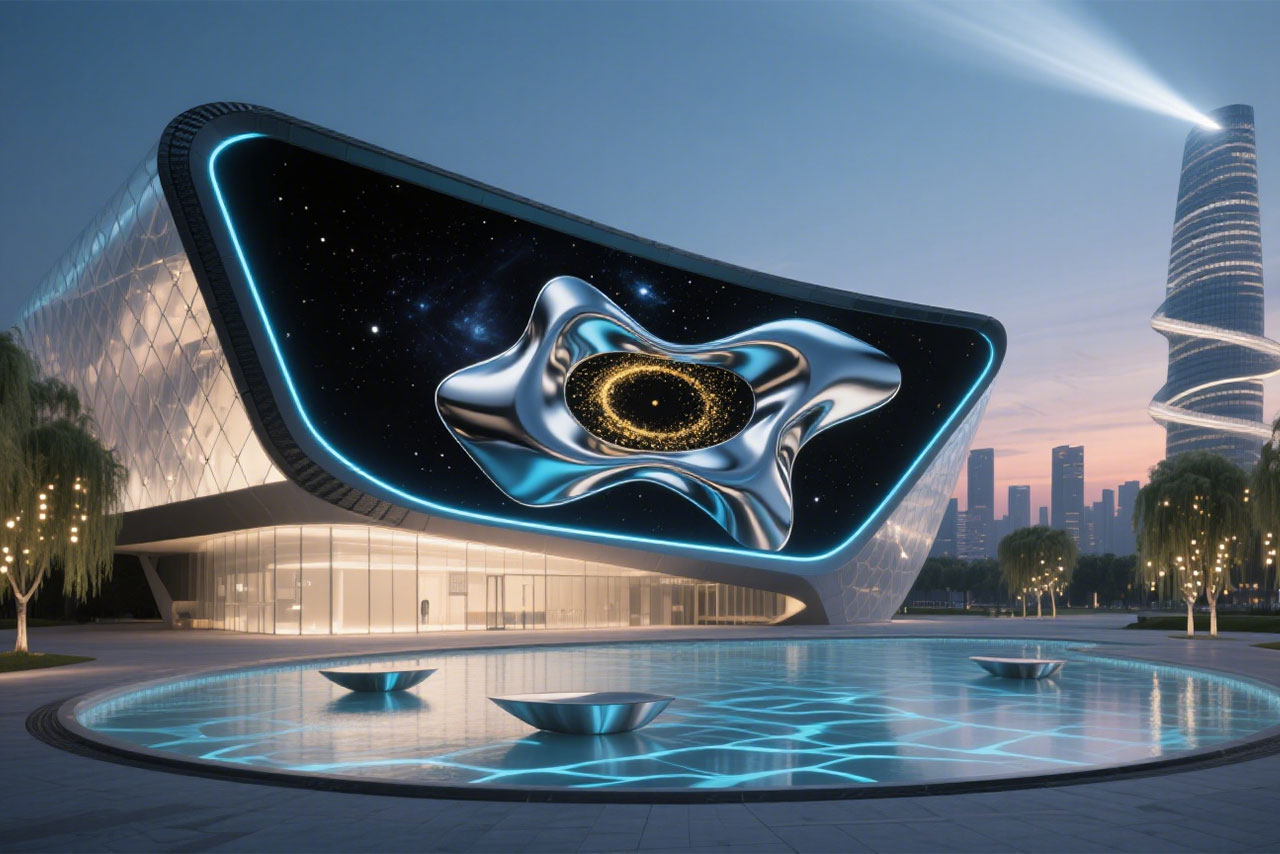
A seamless splicing LED wall earns its place when the display is part of the architecture instead of a collection of screens. A reception feature, a long arrival corridor, or a public presentation wall can use the uninterrupted surface to make one gesture, one image, or one route easy to follow. The plan should still reserve a safe service path; a beautiful wall loses value if a small fault remains visible because no one can reach it.
Size Shape and Service Access
Physical constraints often decide the comparison before picture quality does. LED cabinets can form non-standard widths, heights, and aspect ratios, which helps when a wall must follow a feature space rather than a standard panel size. LCD is often easier to justify where a standard screen size meets the message need and the room does not demand a continuous canvas.
- Map the closest viewer, the normal walking path, and the smallest content that must remain readable.
- Confirm structure, power, signal, ventilation, and service access before fixing the display technology.
- Confirm that the content source supports the intended canvas.
A large LED display screen is therefore strongest when scale or custom geometry is part of the communication problem. It is not automatically the better choice merely because the wall is large. The installation team should confirm the support structure, power route, signal plan, ventilation, and maintenance direction before promising a seamless result.
| Project condition | Direct-view LED is stronger when | LCD remains a sensible fit when |
| Image continuity | A single wide canvas or unusual aspect ratio is central to the brief. | A tiled layout is acceptable and the bezel grid does not interrupt the content. |
| Viewing pattern | Most viewers stand far enough away for the selected pitch and content scale. | People read detailed text or work close to the display for long periods. |
| Physical plan | The wall must span a large area, integrate with architecture, or allow module-level service. | A fixed standard size, shallow installation plan, and simple panel replacement suit the room. |
What BLC LED Adds to a Close-Range Project
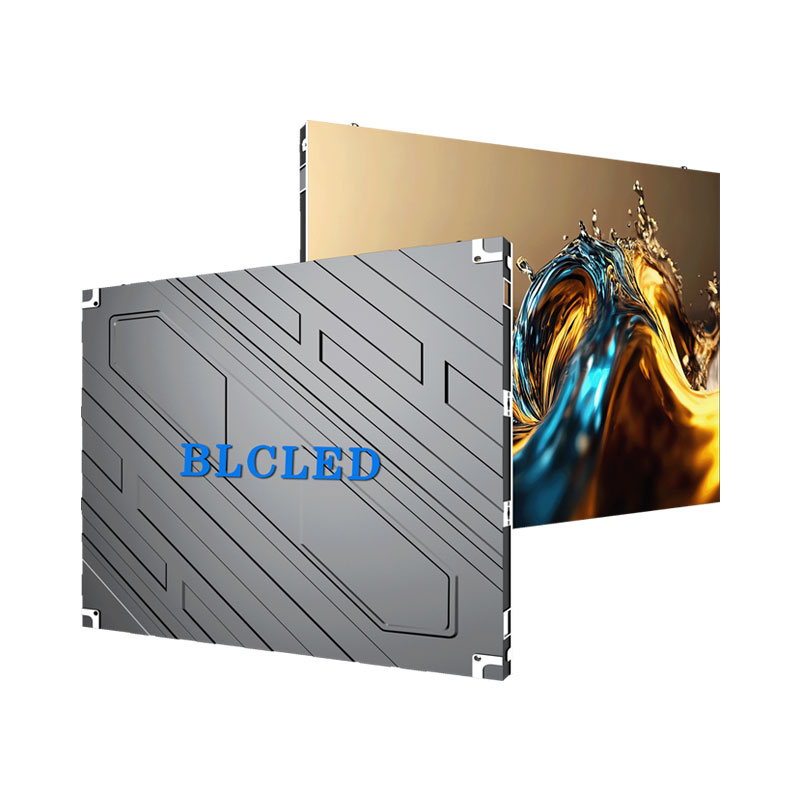
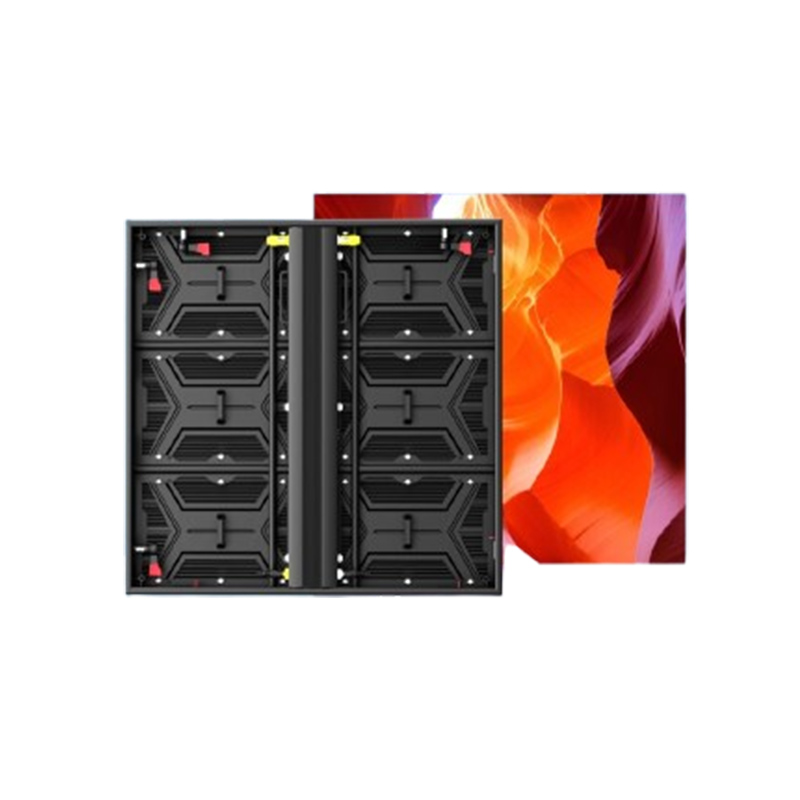
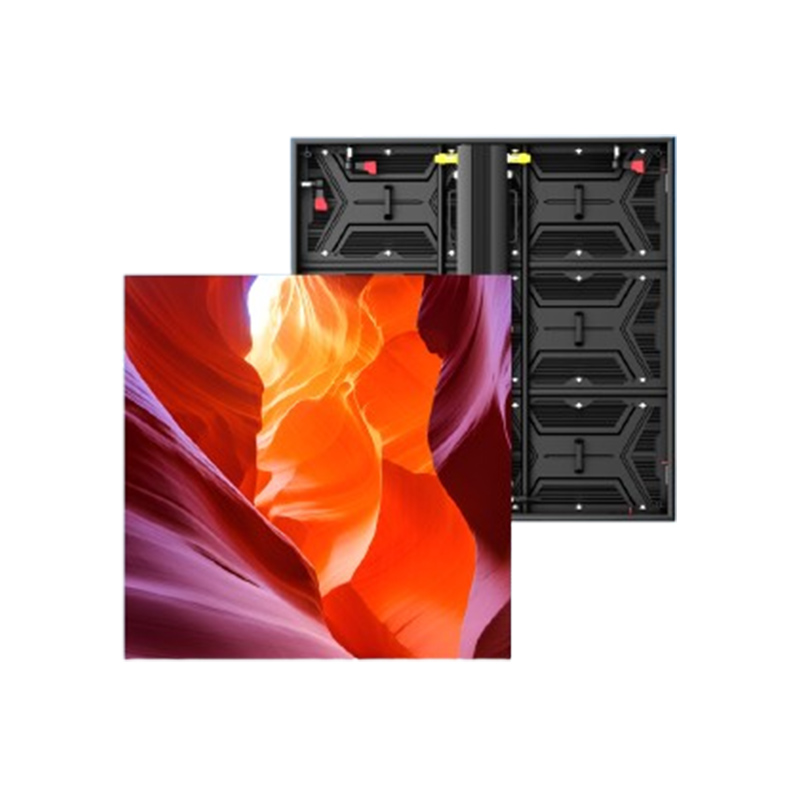
Once close viewing, a continuous image, and the physical envelope all point toward LED, the cabinet design deserves attention. BLC LED offers COB fine-pitch BN configurations in 640 x 480 mm cabinet formats, with front maintenance and 90-degree splicing support. Those features are relevant when a team needs a compact wall to sit neatly within an indoor environment while keeping an access route for future work.
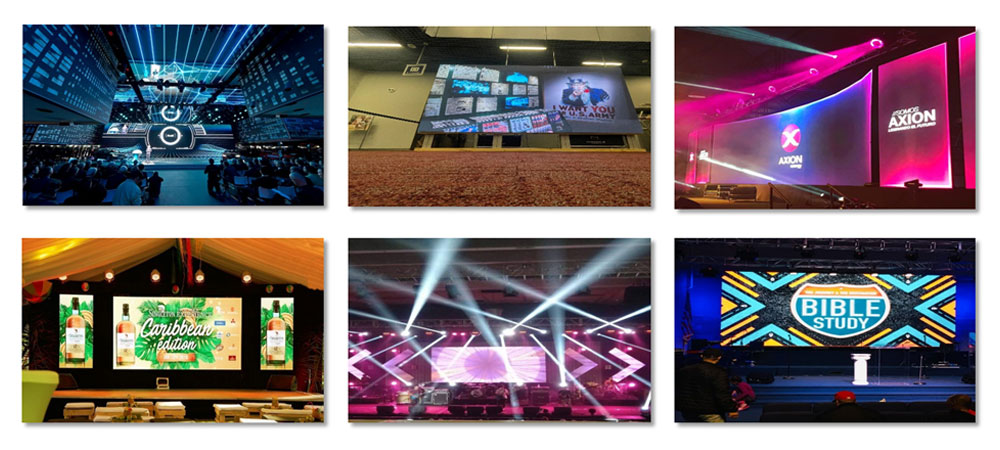
For an indoor project, a commercial LED display should be judged by the full viewer journey: the nearest reading point, the normal walking route, the content source, and the way a technician will restore a module. This keeps the conversation on the result the room needs rather than on a list of isolated specifications.
A Practical Choice for the Brief
Direct-view LED makes more sense than LCD when the brief needs a large uninterrupted image, a custom display shape, or a serviceable modular surface and the selected pitch suits the nearest viewer. LCD remains a strong answer when close-up detail, standard dimensions, a tiled information layout, or a tighter initial equipment budget matters more than a seamless canvas.
The decisive next step is a content-and-distance review in the real space. Test the smallest important information, identify where people pause, and decide whether bezels help or interrupt the message. That process produces a defensible choice without turning either technology into a default answer.
FAQ
Is a direct-view LED wall always better for a large room?
No. A large room can still suit LCD if the content is split into separate zones, viewers need close-up detail, or a panel grid does not interfere with the intended message.
Why do LCD video walls show lines between screens?
LCD walls use individual display panels. Their bezels create the visible joins, although narrow-bezel models can make those joins less noticeable for many information layouts.
Does a smaller pixel pitch make every LED wall better?
No. A smaller pitch can support closer viewing, but it should match the nearest audience position and the content. Extra detail that viewers do not need adds cost without improving the message.
Can an LED video wall use a non-standard aspect ratio?
Yes. Modular cabinets can be arranged for project-specific widths and heights when the structure, signal mapping, and service access are planned together.
What should be tested before choosing LED or LCD?
Test real content from the closest viewing position, inspect whether seams interrupt the layout, confirm the available installation space, and plan how the display will be serviced after handover.

Leave a reply