

24th September 2026
Stage LED Screens for Live Events Rental Guide
-
 author

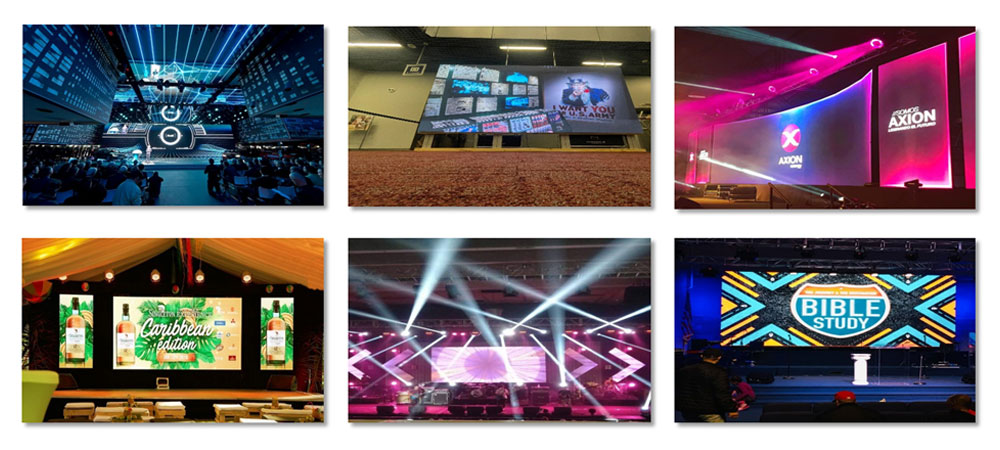
A stage screen must satisfy the audience, cameras, venue, and crew. Rental companies make better equipment decisions when the show brief is translated into display requirements in that order. This guide follows the decisions from screen geometry and pixel pitch through camera performance, venue conditions, and cabinet handling.
The Show Brief Defines Screen Performance
The screen job comes before the model number. A concert backdrop may carry motion graphics and live feeds, while a conference wall may show names, charts, and sponsor marks for hours. Those uses create different demands for detail, aspect ratio, brightness, and camera compatibility. A useful brief describes what viewers must see, not only screen size.
Four inputs give the technical team a workable starting point:
- The nearest and farthest audience positions
- The stage width, screen position, and required aspect ratio
- The content mix, including text, playback, and live video
- The camera plan and whether the venue is indoors or outdoors
These inputs keep LED screens for events tied to the production. Once the screen job is clear, viewing distance becomes the first filter for pixel pitch and native resolution.
Viewing Distance Sets Pixel Density Needs
Viewing distance determines how much pixel structure the audience can perceive. People close to a corporate stage may need to read small text, so a finer pitch can protect legibility. A festival audience farther from the main wall can often use a wider pitch without losing the intended image. Screen size alone does not answer the question because the closest viewer and the content detail both matter.
Native resolution connects the physical wall to the media workflow. Cabinet count and pixel pitch establish the canvas that the content team must feed. Sharing the final pixel map before production helps designers size type, position logos, and avoid scaling surprises. The screen can then serve the composition instead of forcing content into an arbitrary canvas.
| Show condition | Screen priority | Practical implication |
| Close corporate audience | Readable fine detail | Evaluate a finer indoor pitch and test the smallest text |
| Large concert audience | Scale and sightlines | Balance wall size with the nearest realistic viewing position |
| Outdoor daytime event | Visibility and protection | Use an outdoor-rated cabinet and verify brightness at the site |
| Camera-LED production | Stable captured image | Test refresh, grayscale, processor settings, and camera exposure together |
Camera Work Demands Stable Image Reproduction
Camera performance depends on the signal and exposure chain. An LED stage screen that looks stable to the eye can still show bands or flicker when camera settings and display timing do not align. BLC rental series support 3840 Hz refresh rates, giving production teams a professional starting point for camera testing.
Grayscale and brightness also affect what the camera records. Dark gradients, skin tones, and saturated graphics can reveal weak low-level control. A pre-show test should use the real processor, playback source, camera settings, and representative content. It turns a headline specification into evidence that the configuration works for the production.
Indoor and Outdoor Conditions Change the Specification
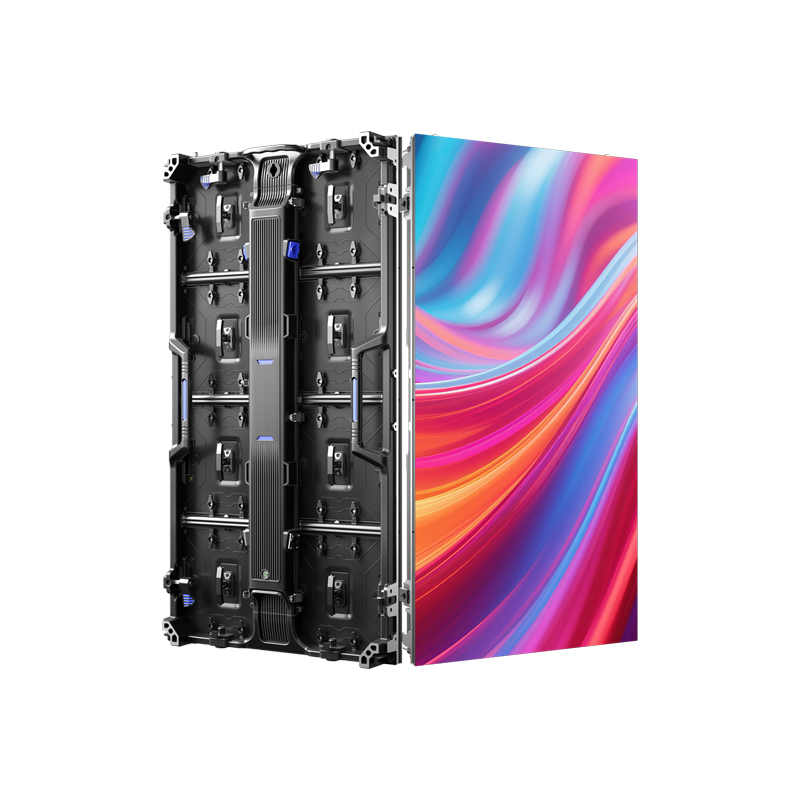
Indoor and outdoor versions solve different environmental problems even when their cabinet sizes look similar. Indoor BHR, BP, and BY configurations list 600 or 800 nit brightness options and IP31 protection. Outdoor versions list 3500 to 5000 nits and IP65 protection. A p3 91 rental LED display therefore belongs in a site plan that considers daylight, weather exposure, power, and viewing distance together.
The venue classification should be settled before the pitch is chosen. An indoor cabinet does not become outdoor equipment because it is bright enough; enclosure protection and operating conditions also change. Outdoor brightness inside a ballroom can create unnecessary glare and power demand. Separate assumptions keep the screen appropriate for viewers and the environment.
Cabinet Mechanics Shape Every Load In
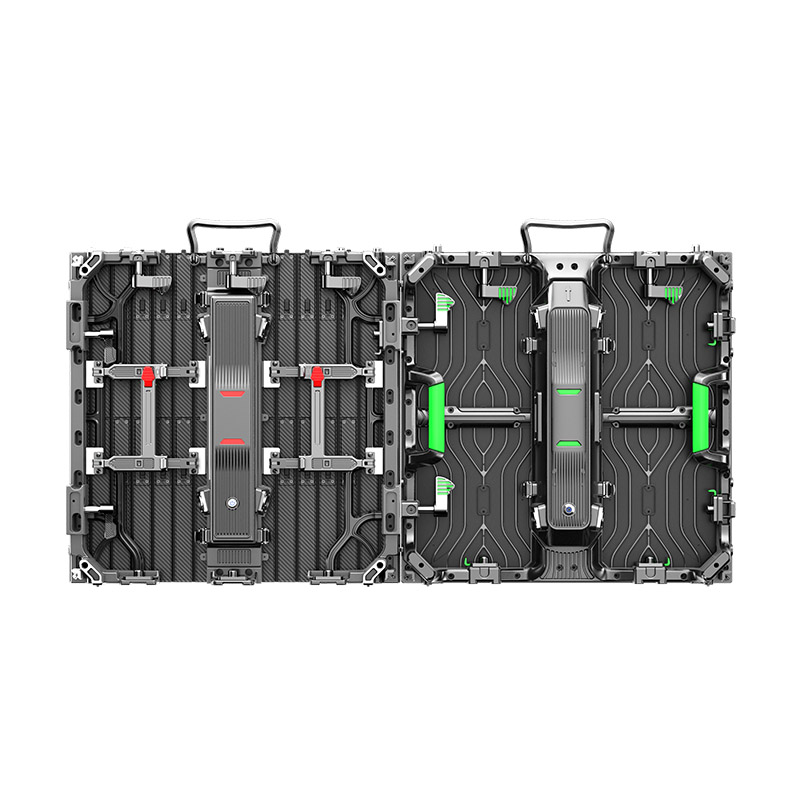
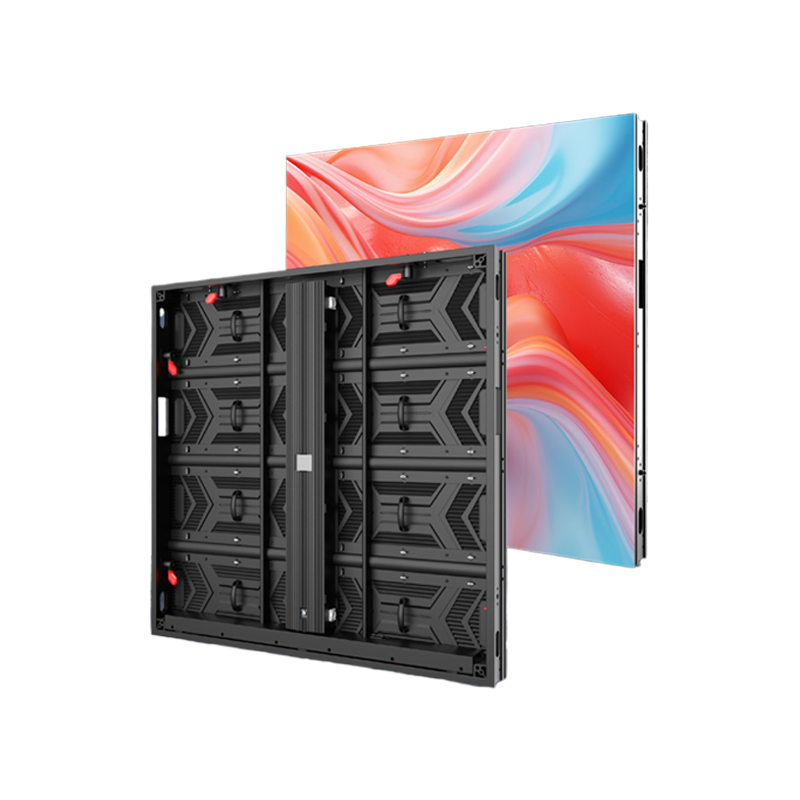
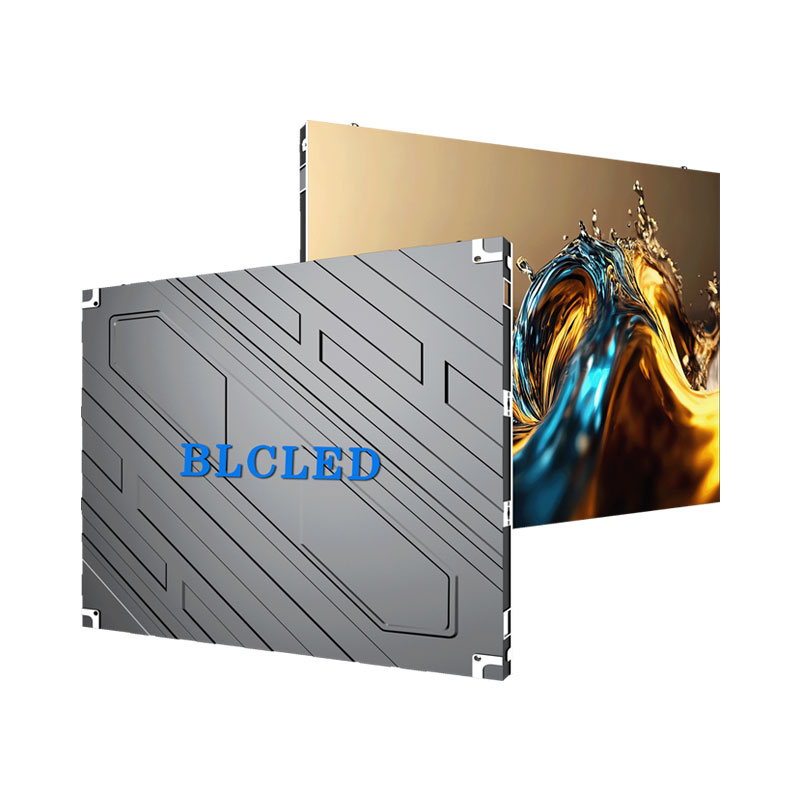
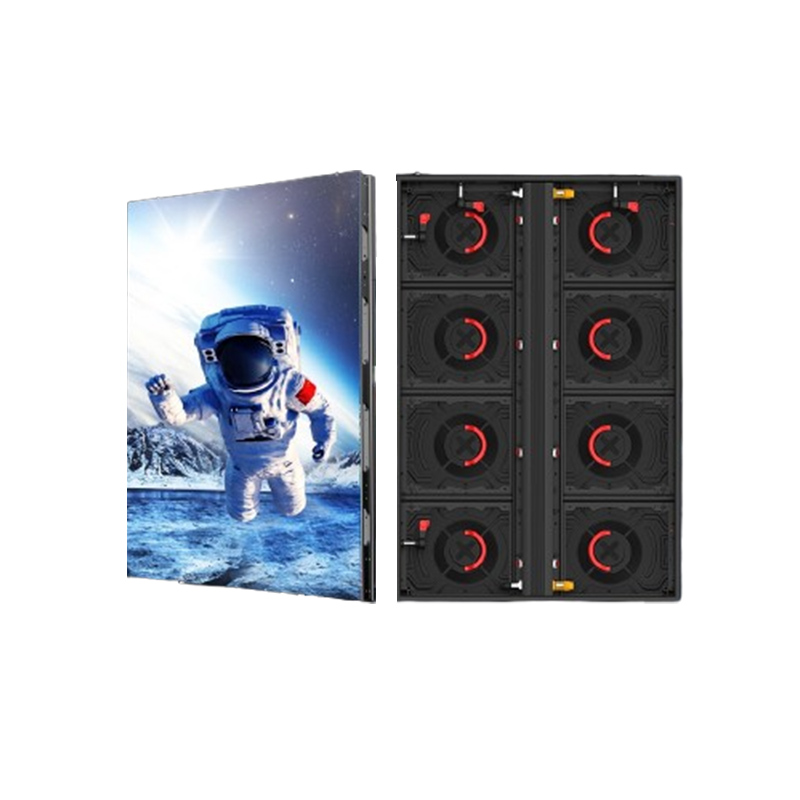
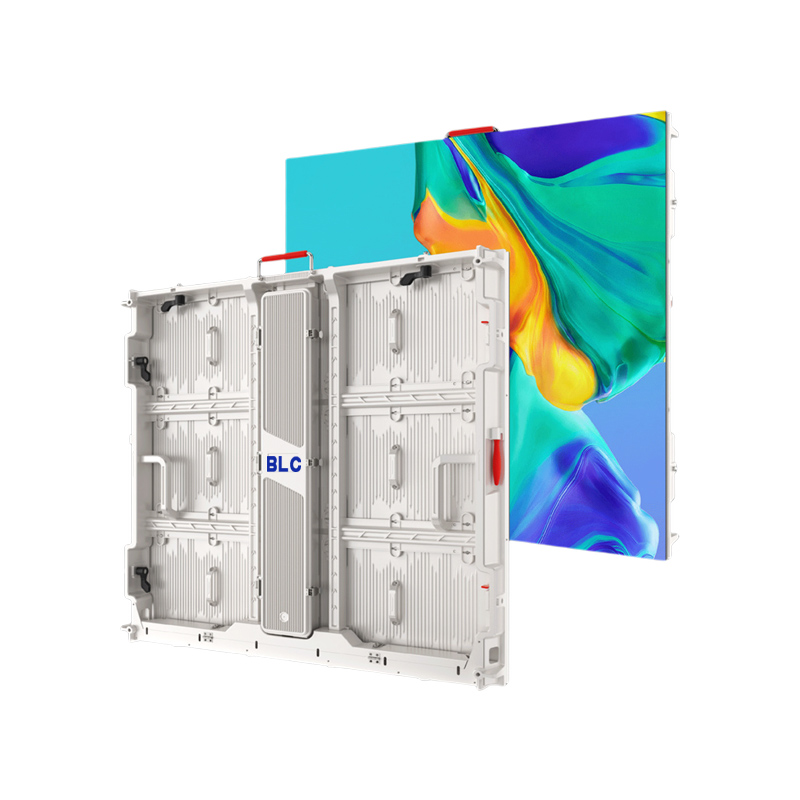
After the environment and image platform are settled, repeated assembly makes cabinet design part of show performance. A LED display screen rental fleet needs accurate alignment, accessible handles, reliable locks, and service access that crews can use under time pressure. BLC BHR cabinets add rounded edges for safer handling and come in 500 x 500 mm and 500 x 1000 mm formats. BP cabinets use high-precision die-cast aluminum construction and can form 45-degree inner or outer curves.
Mixed cabinet heights can reduce the number of pieces in a large rectangular wall while square cabinets preserve flexibility around openings, side screens, and curves. Front and rear service also matters because a fault may need attention from either side. The right combination is the one crews can build and service consistently across their most common formats.
A Consistent Rental Fleet Simplifies Show Planning
Fleet consistency becomes valuable after the technical requirements are known. Rental teams reduce substitutions when cabinet dimensions, pixel pitches, service methods, and spares form a compatible family. This is where an LED display screen manufacturer can support the production logic rather than interrupt it with a broad catalogue.
BLC LED offers BHR, BP, and BY rental families with indoor and outdoor pitch options, 500 x 500 mm cabinets, and selected 500 x 1000 mm cabinets. Its quality process includes incoming, in-process, and finished-product checks plus a 72-hour burn-in stage. These capabilities support a documented fleet standard, repeatable pre-show tests, replacement modules, and remote technical support.
The Best Result Begins with a Complete Show Brief
A reliable stage screen specification follows a clear chain. The screen job defines the content and geometry; viewing distance defines useful pixel density; cameras define the image test; the venue defines protection and brightness; and the rental workflow defines cabinet mechanics. Keeping that order prevents one attractive specification from overpowering the needs of the whole show.
Rental companies can use the final brief to compare compatible BLC LED configurations for their audience, camera plan, venue, and build schedule. Share those four inputs with the technical team before confirming the cabinet mix so the proposed wall can be checked as a complete show system.
FAQ
What pixel pitch works best for a stage LED screen?
The best pitch depends on the nearest viewer, screen dimensions, and smallest important content. Close corporate audiences usually need finer detail than distant festival audiences. Confirm the choice with a full-size content test instead of using venue capacity alone.
Is 3840 Hz enough for live event cameras?
A 3840 Hz refresh rate is a strong professional starting point, but it does not replace a camera test. Camera shutter, frame rate, processor settings, brightness, and content all influence the captured image.
Can indoor rental cabinets be used outdoors?
Indoor cabinets should not be treated as outdoor equipment. BLC indoor rental configurations list IP31 protection, while outdoor versions list IP65 and higher brightness ranges. Use the version designed for the actual exposure conditions.
Why combine 500 x 500 mm and 500 x 1000 mm cabinets?
The taller format can speed large rectangular builds, while square cabinets preserve layout flexibility. A compatible mix lets crews adapt width, height, and special sections without stocking a completely separate system for every show.
What should a rental company test before dispatch?
The pre-dispatch test should reproduce the signal path and representative content. Check cabinet alignment, modules, power and data, processor mapping, camera capture, brightness, and assigned spares.
Leave a reply