

30th September 2026
When Does COB Make Sense for Indoor Advertising?
-
 author

Indoor advertising is often judged at close range, where a visitor notices fine text, dark backgrounds, reflections, and the surface of the screen itself. COB and SMD are two LED packaging approaches, but the useful choice begins with what people will see and how the site will operate.
Close viewing changes the decision
Close viewing makes pixel structure and surface protection more important because people pause beside a reception wall, menu board, or retail feature rather than only looking from across the street. COB packages the LED chips directly on the board and protects them with an encapsulated surface. SMD uses separately mounted LED packages on the module. Both can serve indoor projects, but they solve different priorities.
A fine pitch LED display needs to be judged with the smallest real message at the nearest expected viewing point. A product launch loop may look attractive from several metres away while a price, a room label, or a directional line can still feel crowded when someone stops close to the wall.
Surface resilience is one part of COB’s value
COB can be a strong fit where the screen may be viewed closely and its surface needs an added margin against incidental contact. That can matter in public lobbies, interactive areas, showrooms, and control environments, where a small scratch or damaged package is more visible than it would be on a distant facade. The full installation still needs appropriate access and cleaning procedures.
SMD remains a practical option for many indoor walls because its established package format supports a wide range of pixel pitches and cabinet designs. The selection should not be reduced to a claim that one technology is universally superior. Content detail, ambient light, cabinet geometry, maintenance method, and operating hours can outweigh a packaging label.
Advertising content exposes the real requirements
Advertising content is a useful test because it mixes logos, product images, moving backgrounds, and short lines of text. A screen that handles a bright promotional film may still need a calmer layout for legible wayfinding. The display and the content should be evaluated together, especially where visitors see the wall while walking, waiting, or standing at a counter.
An indoor LED display screen benefits from a test playlist that includes the smallest approved type size, a dark image, a high-contrast logo, and a motion sequence. This reveals whether the planned pitch and surface treatment support the message before the creative team commits to a final format.
| Site condition | COB may be especially relevant | What still needs confirmation |
| Close indoor viewing | Fine content is read at a short distance and a protected surface is valuable. | Pixel pitch, source resolution, and text size at the actual viewer position. |
| Public touch risk | A screen sits where passers-by, trolleys, or frequent cleaning create incidental contact. | Mounting height, cleaning method, access control, and repair approach. |
| Architectural feature wall | The wall needs a clean, high-precision visual surface in a controlled environment. | Cabinet alignment, ambient light, service route, and long-term content plan. |
Cabinet design still determines the installed result
Packaging technology cannot correct a wall that is difficult to align or impossible to service. The cabinet must support the selected layout, and the site must leave a workable route for module, power, and signal maintenance. Those basics protect image continuity after the opening day, when a fast repair matters more than a feature list.
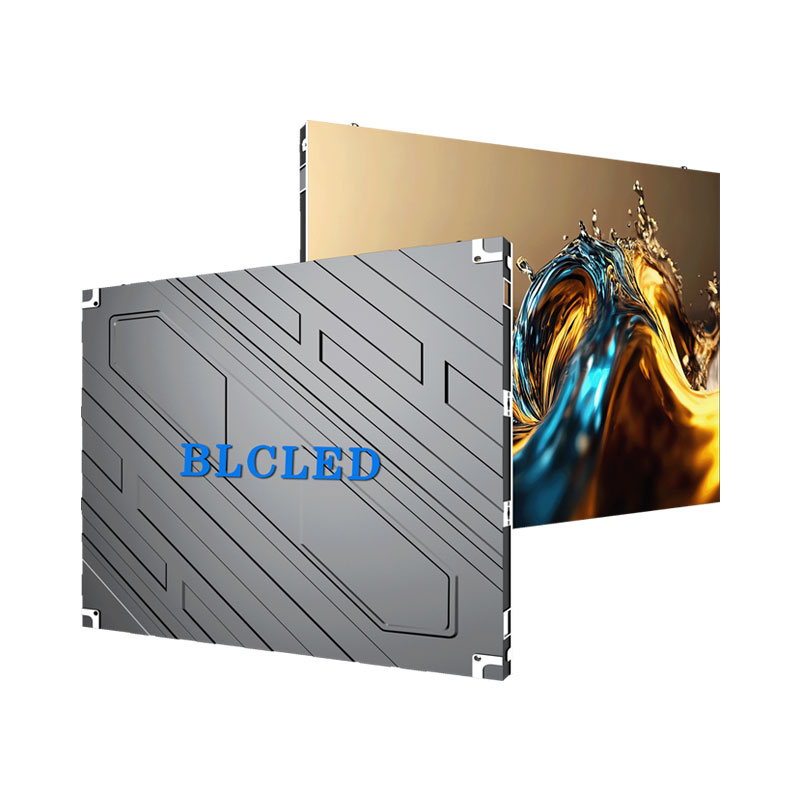
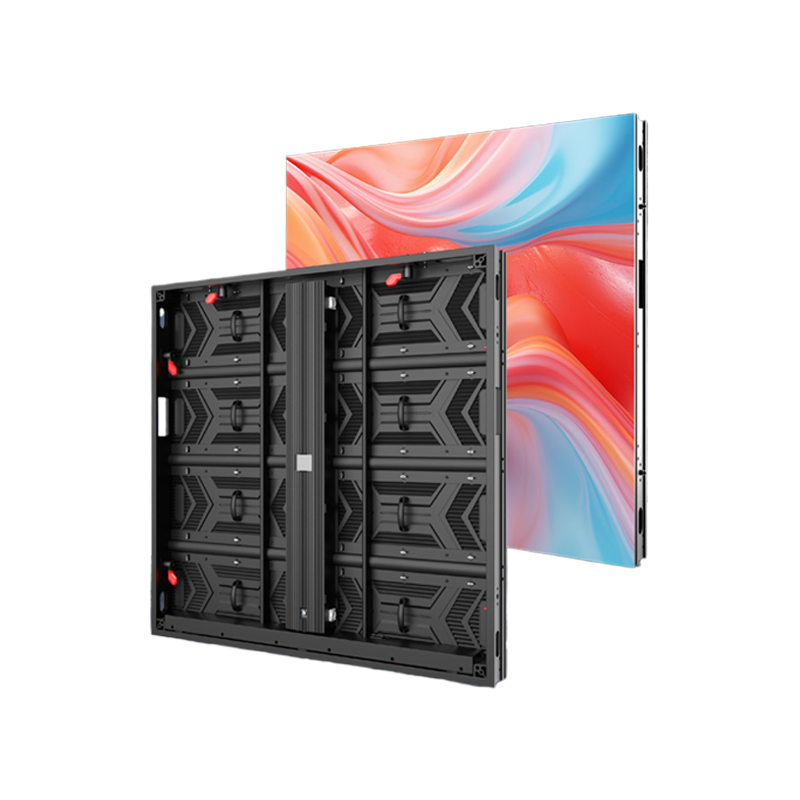
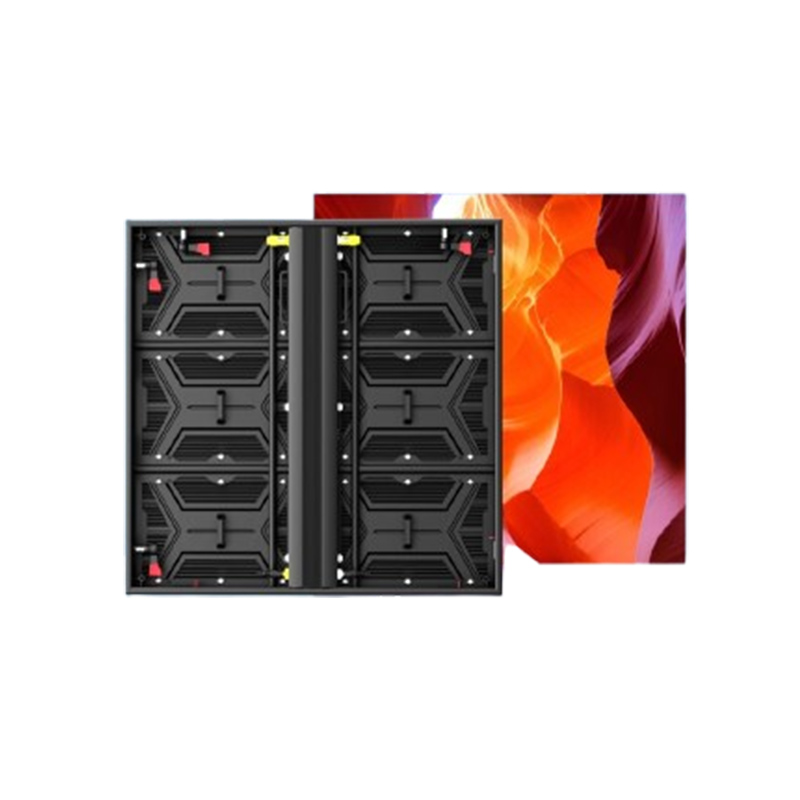
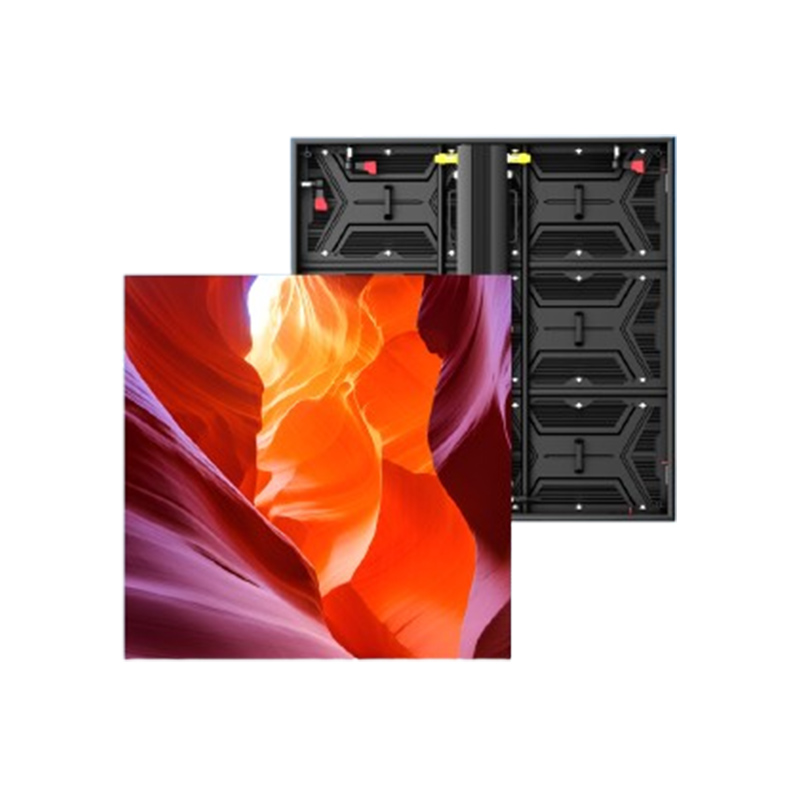
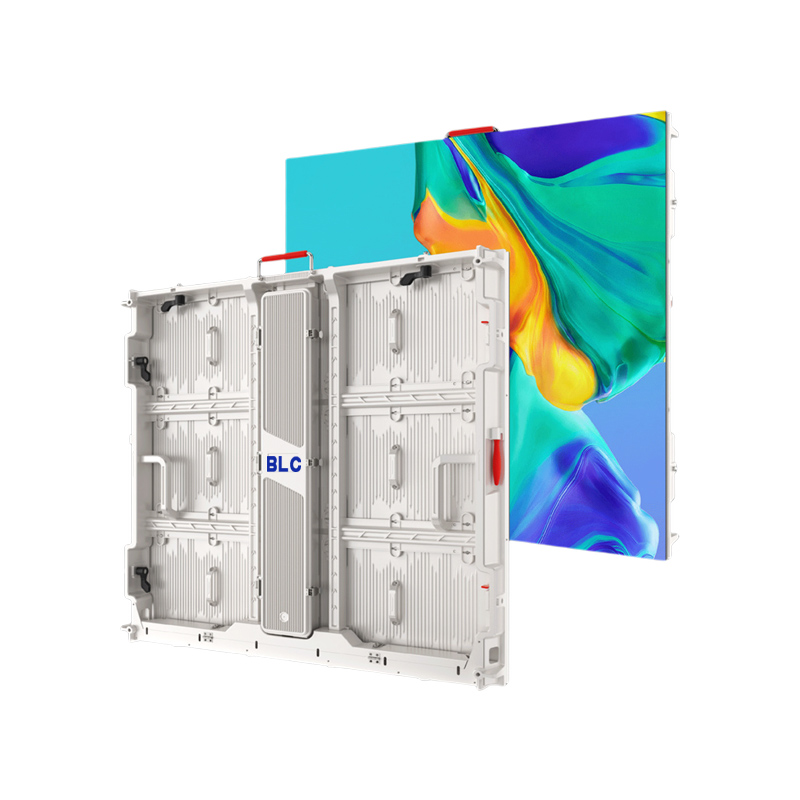
For fixed interiors, a fixed–installation LED screen should connect cabinet precision with the room’s operating needs. BLC LED’s COB fine-pitch BN series is available in 640 × 480 mm cabinets, supports front maintenance, and can form 90-degree splicing arrangements. These are relevant details when a compact indoor wall must fit an architectural surface without losing future access.
SMD is not the wrong answer by default
SMD can remain a sound choice when the viewing distance, content scale, and surface exposure do not justify a COB-focused approach. A project should compare the complete installed solution rather than a single module label: image performance in the room, total wall size, brightness control, spares strategy, expected service work, and the content that will run every day.
A conference-room HD LED video wall, for example, may place a premium on detailed presentations and calm viewing over a controlled schedule. A busy retail entry may place more weight on durability, visual consistency, and short messages read in passing. A full-color LED display in either setting still needs content that fits the actual viewer journey. The site use case gives the comparison its meaning.
A test wall should mirror the final use
A credible comparison uses the room’s own content, light, and viewing positions instead of a generic showroom sequence. Testers should stand where visitors stand, not only where installers can see the whole screen. This makes it easier to spot text that feels too small, motion that distracts from the message, or reflections that change the intended contrast.
- Use the approved content rather than a generic demo loop.
- Check the smallest message from the nearest expected position.
- Confirm who can service the wall without disrupting the space.
A useful decision for an indoor brief
COB makes the strongest case for indoor advertising when close viewing, fine visual detail, and a more protected display surface are central to the actual site. SMD can be equally appropriate when those conditions are different. The next decision should be based on a room-specific content test and a service plan, not on a broad claim about packaging technology.
FAQ
Is COB always better than SMD for indoor advertising?
No. COB can be particularly useful for close viewing and protected surface needs, while SMD remains suitable for many indoor applications. The room and content should decide.
Why does viewing distance matter for COB and SMD?
Viewing distance determines how much fine pixel detail people can perceive. It helps set the suitable pixel pitch and content scale for either technology.
Can COB be used in a public lobby?
It can be a relevant option when the wall is viewed closely and the project values a protected visual surface. Installation, cleaning, and service access must still be planned.
What content should be tested before approval?
Test the smallest real text, a dark image, a logo with fine edges, and moving content in the installed lighting conditions.
Does cabinet maintenance matter if the image looks good on day one?
Yes. A display needs a safe route for future module, power, and signal work. Planned access helps protect uptime and image continuity.
Leave a reply