

22nd October 2026
How to Source Custom Shaped LED Screens from OEMs
-
 author

A creative display can look convincing in a rendering and still fail when the geometry reaches the factory floor. For distributors, integrators, and advertising contractors, the real question is whether an OEM can convert a shape into controlled drawings, repeatable modules, a serviceable structure, and test evidence. The review must follow that work from concept approval to shipment.
Shape Changes What the Supplier Must Control
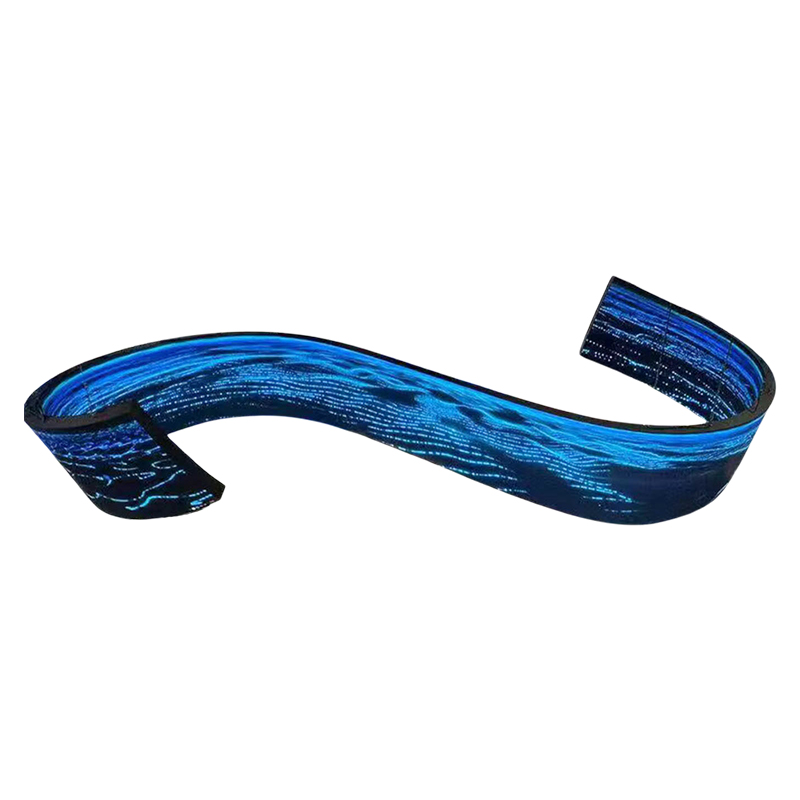
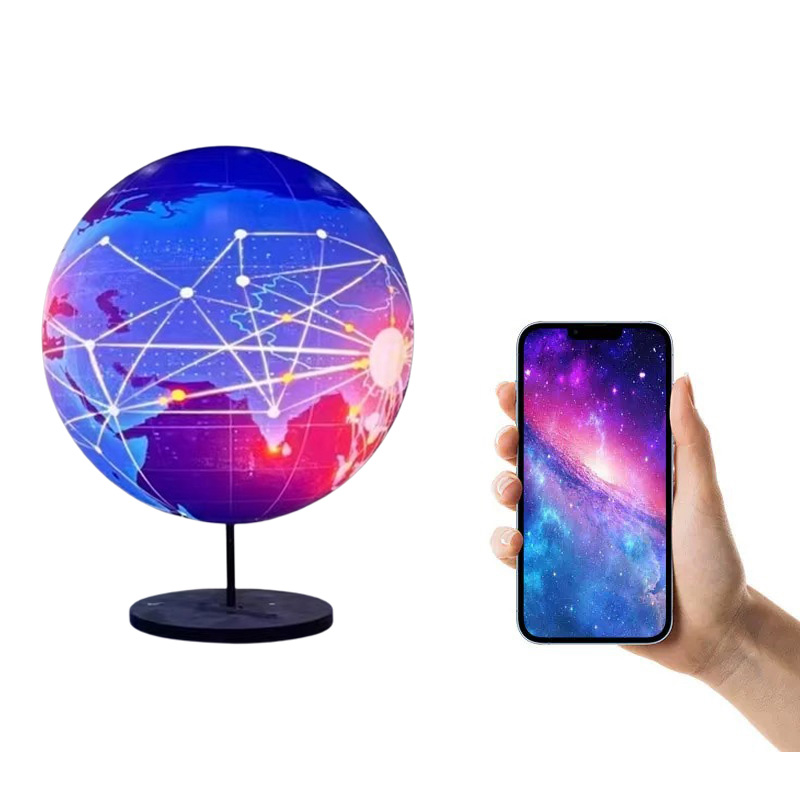
A custom shaped LED screen is a geometry project as much as a display purchase. A sphere, ring, cube, counter, or flowing curve changes module boundaries, frame tolerances, cable routes, viewing directions, and access for repair. The supplier must show how those decisions work together in the quoted form.
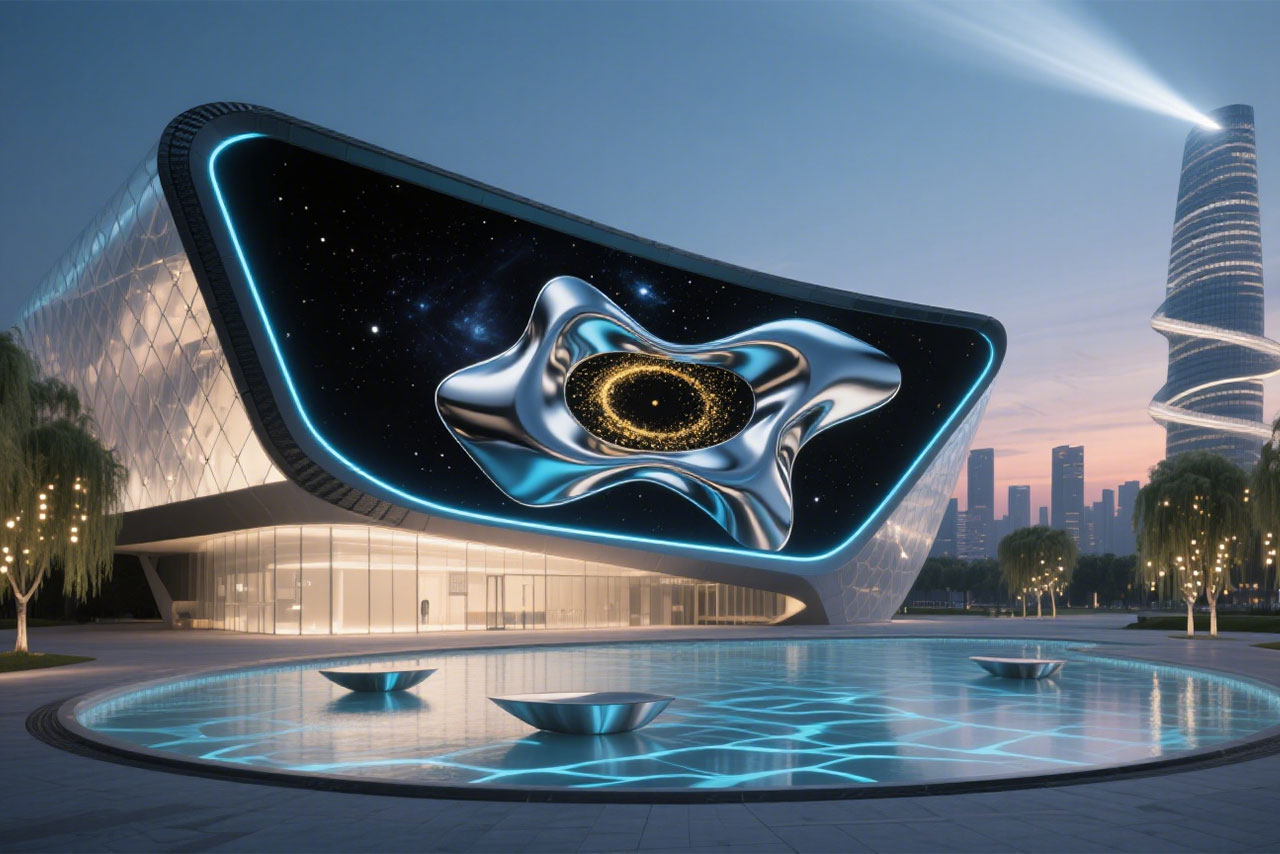
Portfolio images do not prove that a factory can reproduce your dimensions. Ask which parts use standard modules, which require custom metalwork or tooling, and which tolerances control the seams. That distinction exposes where schedule, cost, and quality risk sit.
A Controlled Design Brief Makes Quotations Comparable
A controlled brief gives every bidder the same problem. Include dimensioned drawings, indoor or outdoor use, viewing positions, active display surfaces, mounting points, weight limits, service clearance, content source, and destination-market requirements. A reference image communicates intent, but it cannot replace dimensions and interfaces.
Content belongs in the brief because a non-rectangular canvas changes where text and logos remain visible. Request a pixel map before approval. A sphere needs a different safe area from a disc, while a cube must explain how content crosses edges or changes between faces.
Approved geometry and active display area
Module, cabinet, frame, and mounting interfaces
Power, data, controller, and content-mapping scope
Service route, spare parts, packing, and installation sequence
Engineering Evidence Matters More Than a Sales Label
A credible LED display screen manufacturer can explain the path from drawing review to production release. For a custom form, that path should include revision control, structural responsibility, a bill of materials, and written approval points. If the supplier cannot identify the current configuration, later test reports may describe another product.
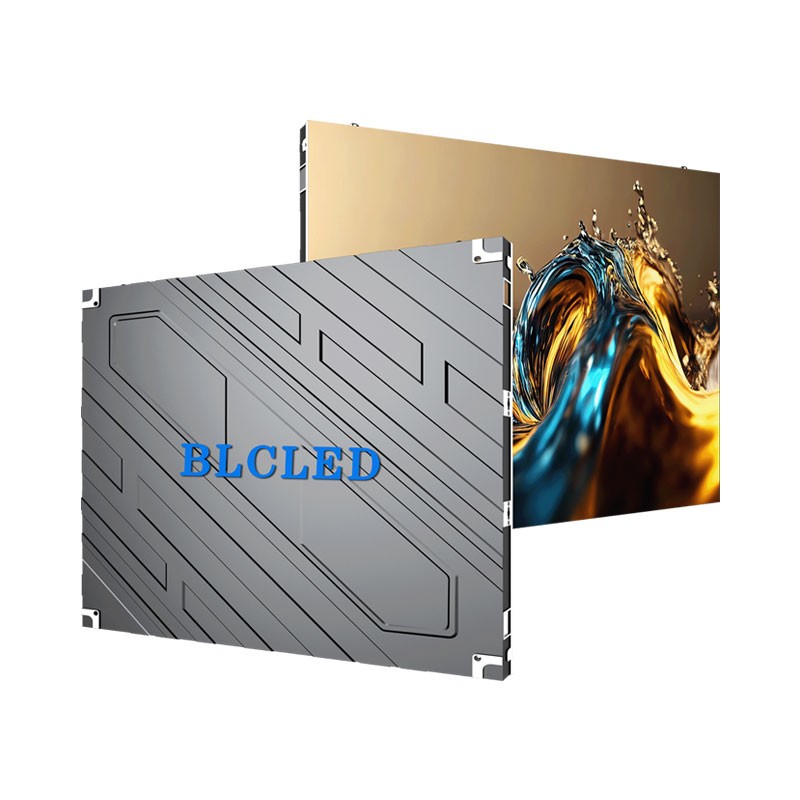
Factory ownership is useful only when it improves control. BLC LED integrates research and development, production, sales, and service, and it supports custom dimensions and shapes including arcs, circles, spheres, and cube forms. The company also offers OEM private labeling. Those capabilities make it relevant to the project, but buyers should still verify the exact engineering scope attached to their order.
The First Full Assembly Is the Most Useful Sample
A small module sample can confirm color and surface quality, yet it cannot reveal whether an unusual structure closes accurately. The decisive sample is a prototype or first full assembly built from the released drawings. Review it from the intended viewing angles and with the real content map before authorizing volume production.
The review should reproduce tight radii, corners, seams, suspended interfaces, access panels, and cable transitions. Record measurements, photos, controller files, and approved deviations. If the display will be disassembled for shipping, require a reassembly trial using the labels and instructions provided to the site team.
| Project risk | Evidence before production release |
|---|---|
| Shape or seam mismatch | Approved drawings, dimensions, tolerances, and full assembly photos |
| Content distortion | Final pixel map tested with representative media |
| Blocked maintenance | Recorded removal and replacement of a serviceable part |
| Site reassembly errors | Numbered components, packing map, and installation sequence |
Quality and Compliance Records Must Match the Build
Quality evidence becomes useful when it identifies the order, revision, and result. BLC LED documents incoming, in-process, and finished-product checks, followed by a 72-hour burn-in process. Buyers should connect those controls to the approved assembly and retain the inspection record with the configuration files.
Certificates also need careful reading. ISO 9001 certification concerns a quality management system; it is not automatic product approval. For European sales, CE marking places conformity-assessment, technical-documentation, and declaration responsibilities on the manufacturer. Ask for the applicable declaration and supporting documents for the exact supplied configuration rather than accepting a logo on a brochure.

Price and After-Sales Support Belong in One Scope
A LED display screen supplier quotation is comparable only when inclusions are visible. Separate display hardware, custom structure, tooling, controllers, spares, packing, documentation, commissioning, and on-site work. A lower total may omit the engineering or service items that make the shape usable.
After-sales planning should begin before shipment because custom parts may not match standard stock. Identify unique modules, power units, receiving cards, frame sections, and tools; then agree on spares, file backups, response channels, and repair responsibility. BLC LED provides 24/7 remote technical support, which buyers can test with one factory fault-and-recovery exercise.
Commercial approval should compare the same service scenario. Price one expected repair, check whether the technician can reach the part, and confirm who supplies a replacement matching the approved geometry and calibration. This gives price, quality, and support a common basis.
A Defensible OEM Choice Follows the Evidence Chain
The strongest OEM choice keeps one traceable chain from the design brief to the approved drawing, full assembly, inspection record, packing plan, and service file. That chain turns a creative concept into a repeatable product. Buyers can approve the shape because its engineering and support are visible, not because the presentation looks persuasive.
Share the intended shape, drawings, viewing conditions, installation method, destination market, and service constraints through the project contact page. BLC LED can use that brief to define the suitable custom-display path and the evidence needed before production.
FAQ
What Files Should I Send for an OEM Creative LED Display Quote?
Send dimensioned drawings, a reference rendering, active display areas, mounting points, viewing distances, indoor or outdoor conditions, service clearance, content format, destination market, and delivery scope. Label the current revision so every bidder prices the same design.
Is a Product Sample Enough for a Custom Shape?
A module sample can show image quality, but it cannot confirm completed geometry. Approve a prototype or first full assembly with the difficult curves, seams, interfaces, content map, and service route before production.
How Can Buyers Verify That the Factory Built the Screen?
Request a factory review tied to the order number, drawing revision, bill of materials, assembly stage, and inspection record. The evidence should identify your configuration rather than an unrelated production line.
Which Quality Records Matter for a Creative LED Display?
Useful records include incoming checks, in-process inspection, seam measurements, image tests, burn-in results, controller files, approved deviations, packing verification, and final acceptance. Each record should identify the exact order and configuration.
What Should an OEM After-Sales Plan Cover?
The plan should identify unique parts, spares, configuration backups, diagnostic steps, response channels, warranty scope, repair responsibility, and replacement lead times. It should show how a technician replaces parts without damaging the structure.
Leave a reply