


27th August 2026
How Can One LED Rental Screen Fit Different Stages?
-
 author

A rental screen earns its place when it moves between stage designs without forcing the crew to relearn the system. A keynote may need a wide wall, while the next show calls for wings, a corner, or a curve. The practical question is whether those shapes can be built predictably with one disciplined workflow.
Flexible Inventory Depends on Repeatable Geometry
An LED rental screen becomes versatile when cabinet sizes, locks, service access, and signal paths work as one platform. Unrelated cabinets multiply spare-part decisions and assembly habits. A useful system limits those changes while preserving layout flexibility.
Panel Sizes Should Solve the Layout Math
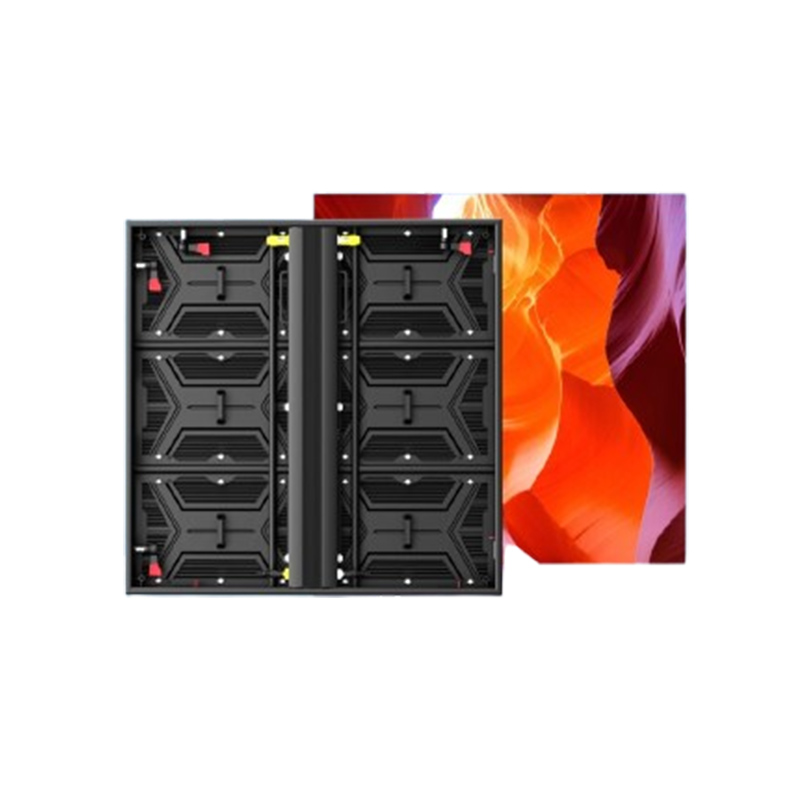
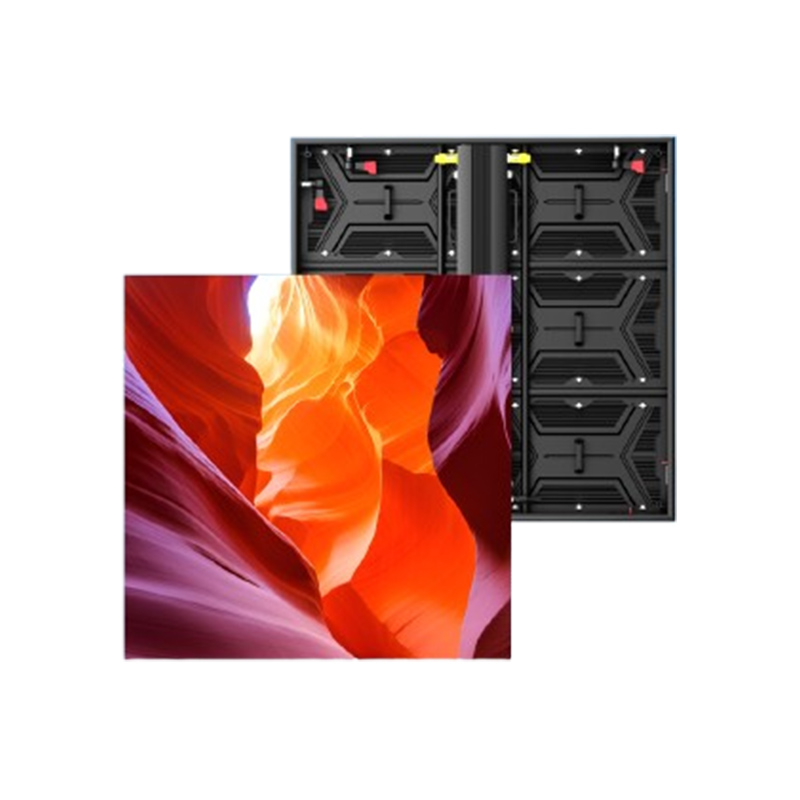
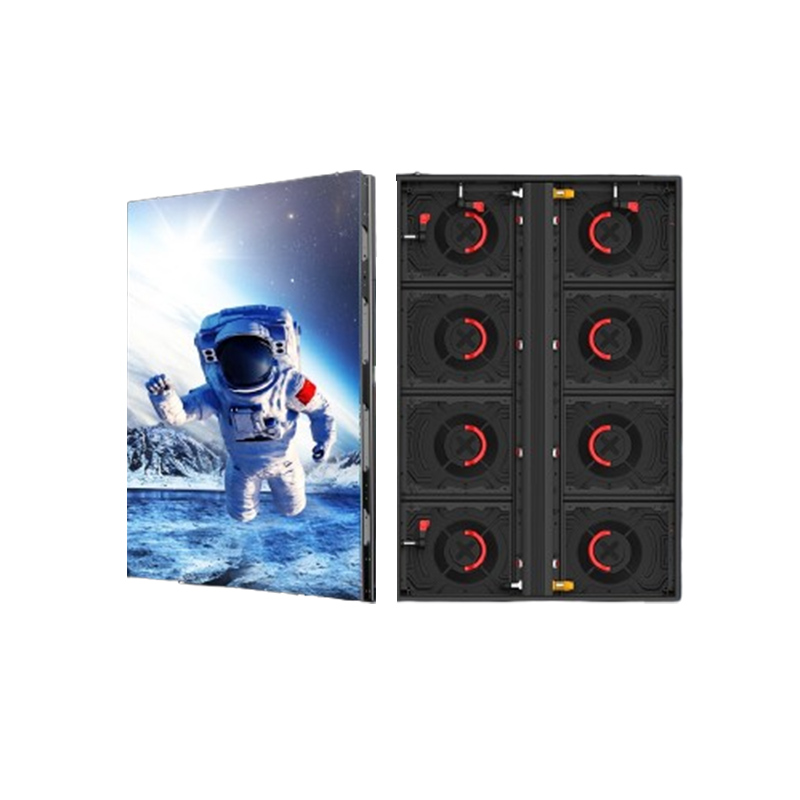
Stage drawings rarely share one set of proportions. A 500 x 500 mm cabinet gives finer edge control, while a 1000 x 500 mm cabinet reduces handling across a large rectangle. The useful mix reaches common dimensions without creating rarely used panels.
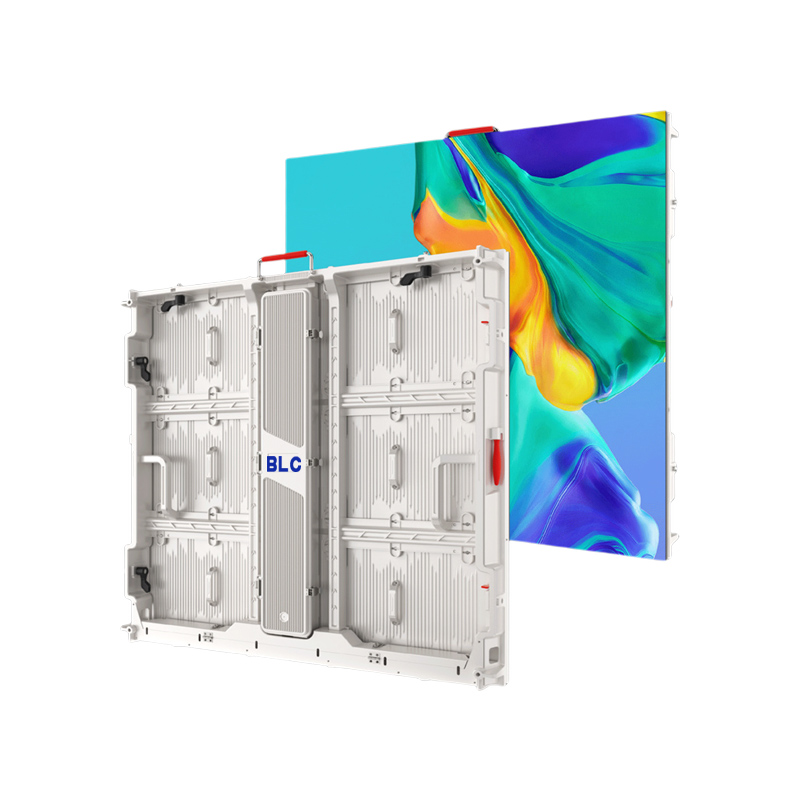
This is where a defined rental family becomes relevant. BLC LED’s BP series includes 500 x 500 mm and 1000 x 500 mm indoor panel options. Its high-precision die-cast enclosure supports quick, accurate assembly, so the cabinet platform follows the layout plan.
Curves Need a Known Angle and Radius
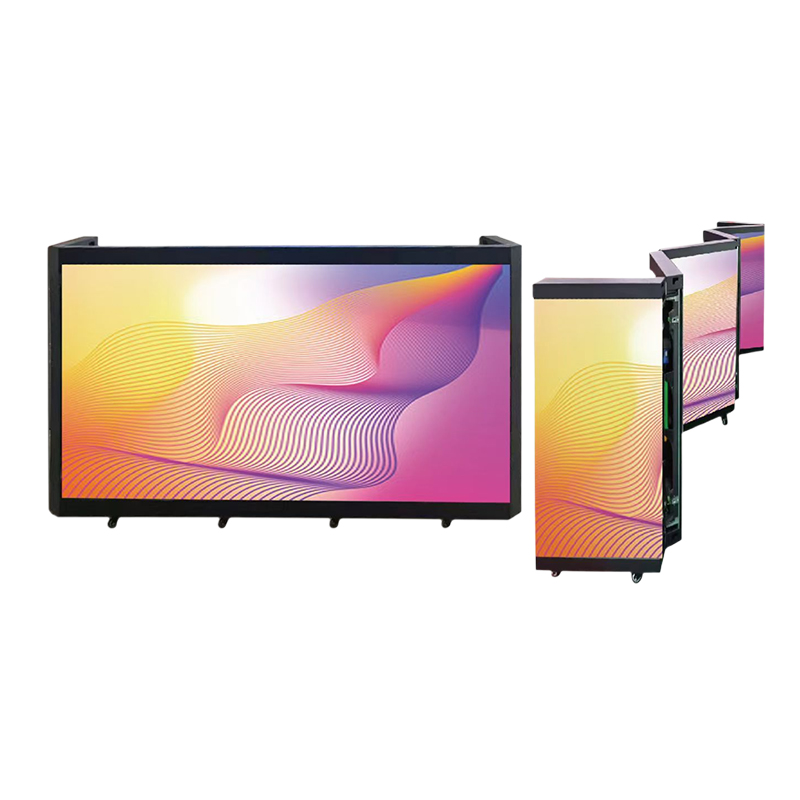
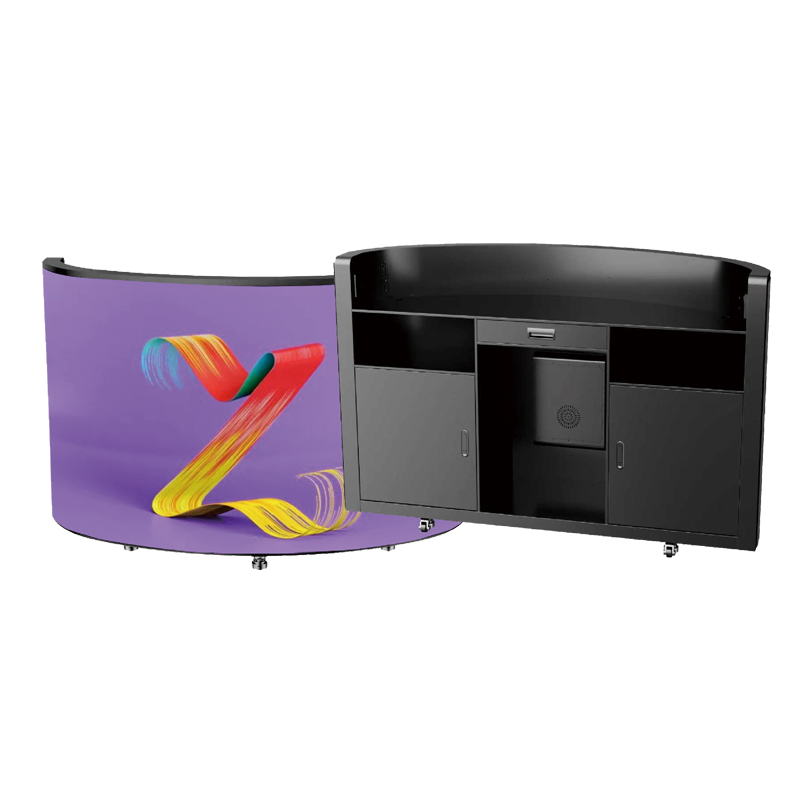
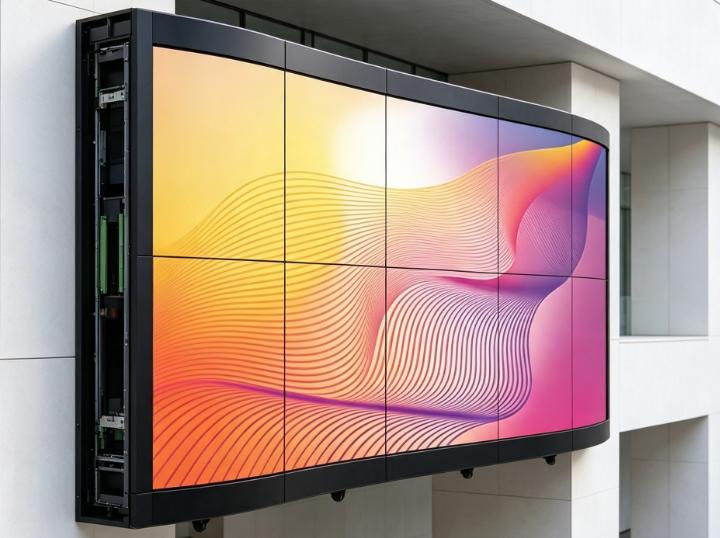
A curve is dependable only when the drawing and cabinet mechanism describe the same geometry. The BP platform supports 45-degree inner and outer curves, and eight cabinets can form a 1.25-meter-diameter circle in the specified configuration. That makes a curved LED screen a planned shape rather than an improvised bend.
The radius must still be confirmed for the exact model, connectors, and supporting structure. Cabinets with the same outside dimensions do not necessarily share curve hardware or load paths.
Indoor and Outdoor Shows Need Separate Configurations
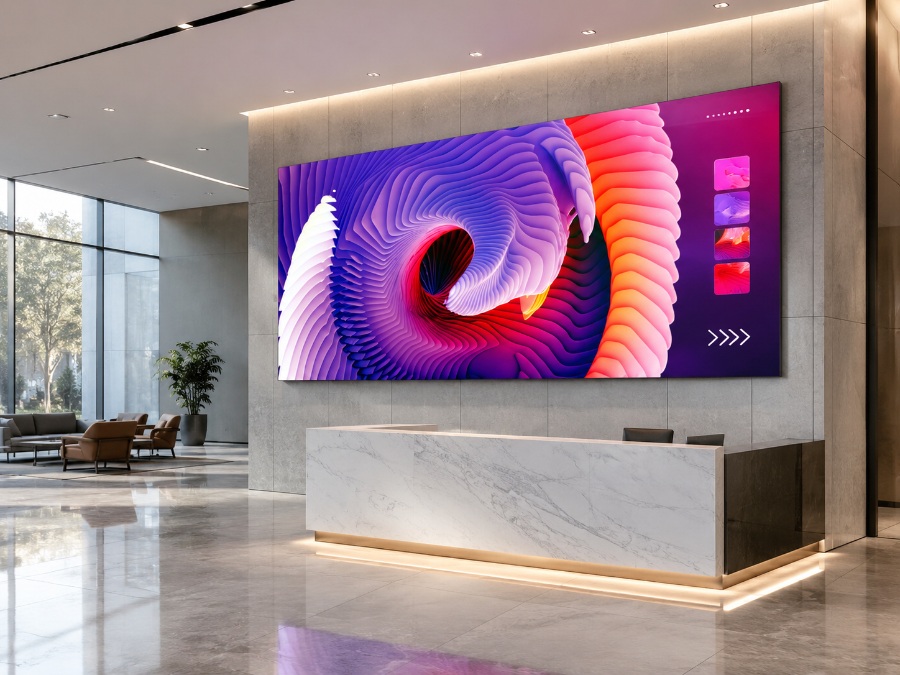
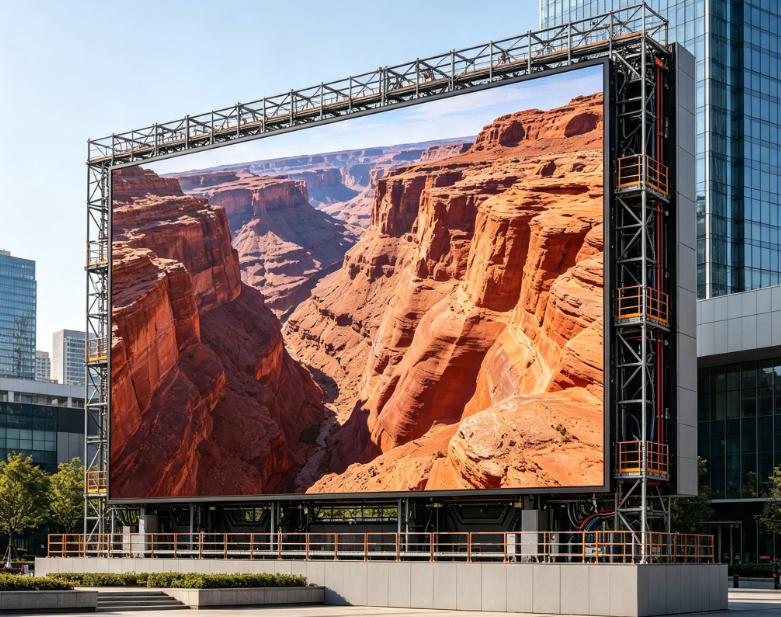
LED screens for events may share a modular appearance, but a ballroom and an open-air festival create different conditions. The inventory plan can preserve one workflow while keeping environmental specifications separate. Indoor and outdoor cabinets should not be treated as interchangeable.
Brightness Follows the Venue, Not the Largest Number
Indoor BP models provide 600 or 800 nits depending on pitch, while outdoor BP models provide 3,500 to 5,000 nits. Indoor output must work with controlled lighting and cameras; an outdoor stage may need more headroom against daylight.
Protection ratings also separate the groups: indoor BP models are IP31, while outdoor BP models are IP65. Naming and packing logic can remain familiar without assigning one configuration to every venue.
Viewing Distance Sets the Useful Pixel Pitch
Pixel pitch should follow the nearest important viewing position and the level of detail in the content. The BP indoor range covers P1.56 through P3.91, while the outdoor range covers P1.95 through P4.81. A smaller pitch supports closer viewing, but screen size, processing, and budget still matter.
A stage rental LED screen therefore needs a layout record with physical dimensions and the expected audience zone. A drawing without its viewing assumptions may fail at the next venue.
Fast Changeovers Come From Standard Work
Changeover speed depends on decisions made before loading. Cabinet labels, cable maps, controller files, spare locations, and packing order should match the drawing. Stable details let the crew focus on what is genuinely different.
A practical show file should contain:
- A cabinet map with row, column, and curve positions.
- Power and data routes that match labeled cables.
- A controller preset named for the event and screen.
- A spare plan for compatible modules, cabinets, and tools.
- A quarantine rule for damaged parts.
One Repair Should Be Rehearsed Before Show Day
Service access matters because a fast build is incomplete if a failed section cannot be reached. BP rental cabinets support front and rear maintenance. The plan should identify which side remains accessible after scenery, speakers, and barriers are installed.
A useful rehearsal follows one fault from identification to a restored image. The crew locates the cabinet, isolates power and data, replaces the approved part, confirms alignment, and returns the removed item to a marked case. This exposes missing tools or blocked access before show day.
Image Consistency Must Survive Reassembly
A rental wall is repeatedly rebuilt, so visual acceptance must be repeatable too. BP indoor and outdoor models list a 3,840 Hz refresh rate with configuration-specific gray levels. The finished image also depends on calibration, controller settings, content, and cameras.
An LED wall for events should be checked with demanding content, not only a bright promotional loop. Dark gradients can expose low-level differences, thin text can reveal mapping errors, and side views can reveal a poor joint.
A Repeatable Test Scene Makes Acceptance Faster
The same test sequence should be used from warehouse preparation through handover. It can include gradients, neutral gray, skin tones, saturated colors, fine text, fast motion, and a controlled full-white check. Camera operators should test frame rate and shutter settings before doors open.
The purpose is to separate normal venue differences from mapping, calibration, assembly, or signal faults.
The Best Rental System Is the One the Crew Can Repeat
One LED rental screen can serve different stages when its flexibility is defined. Repeatable geometry handles flat walls, wings, corners, and curves; separate indoor and outdoor configurations preserve suitability for each venue; and standard show files simplify changeovers. Compare the layouts used most often and confirm which cabinet mix covers them with the fewest exceptions.
Share recurring stage drawings, viewing zones, rigging limits, and changeover timing through our project details page. BLC LED can then match the BP platform to the layouts your crew builds.
FAQ
Can One Rental Platform Be Used Indoors and Outdoors?
One platform may offer indoor and outdoor models, but they are not identical. Brightness, protection, power behavior, and operating conditions must match the venue.
Which Cabinet Size Works Best for Changing Stage Layouts?
A 500 x 500 mm cabinet offers finer control around edges and curves, while a 1000 x 500 mm cabinet reduces handling across large flat areas. The best mix covers recurring drawings without creating rarely used combinations.
Can Rental Panels Form a Curved Stage Wall?
Yes, when the cabinet includes defined curve hardware. The BP series supports 45-degree inner and outer arcs in its specified configuration. Confirm the radius, connectors, support method, and model before approval.
Is a 3,840 Hz Refresh Rate Enough for Live Event Video?
A 3,840 Hz refresh rate is a strong foundation, but it does not guarantee every camera result. Gray-level performance, controller settings, camera frame rate, shutter settings, and exposure also matter. Test the full signal chain.
Leave a reply