

11th November 2026
COB vs. SMD LED Displays for Indoor Advertising
-
 author

Indoor advertising projects frequently weigh COB against SMD. This decision impacts close-up clarity, surface durability, and upkeep. It also affects the commercial lifespan of the installation. The main question is not which term sounds more modern. Instead, buyers must decide which build fits the viewing distance and media content. The service path and daily schedule of the location matter too. This guide offers wholesale buyers a helpful method to evaluate choices. It helps them avoid turning a simple quote into a heavy technical document.

The real difference shows at close viewing distances
A COB LED display and an SMD setup mount light-emitting parts on LED modules using distinct methods. COB relies on chip-on-board packaging. This method puts the chips directly onto the circuit board. It then shields the face as one solid unit. Meanwhile, SMD utilizes pre-packaged parts attached to the module. Both designs handle indoor video well. However, the final visual outcome relies heavily on pixel pitch and color tuning. The displayed media and the viewer’s location also play major roles.
When looking at an indoor advertising LED display, nearby audiences spot uniformity first. They notice tiny letters, facial colors, and shadow detail before seeing any brand stickers. A fine pitch LED display shrinks the actual gap between pixels. At the same time, the packaging style and front coating dictate how the board survives physical bumps. These factors also control its defense against dirt and ease of daily maintenance.
COB strengths for close-range commercial content
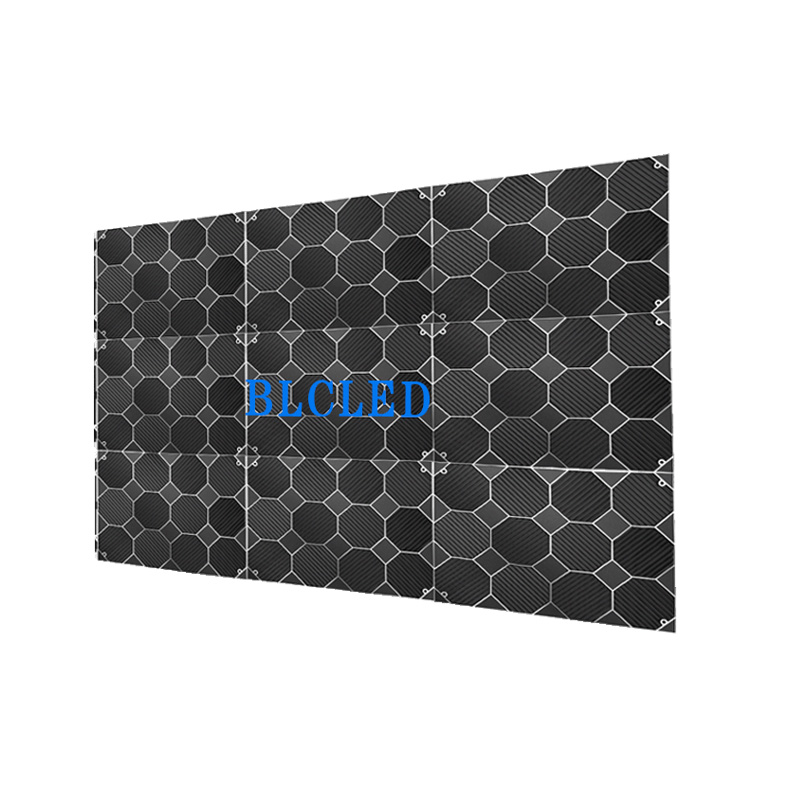
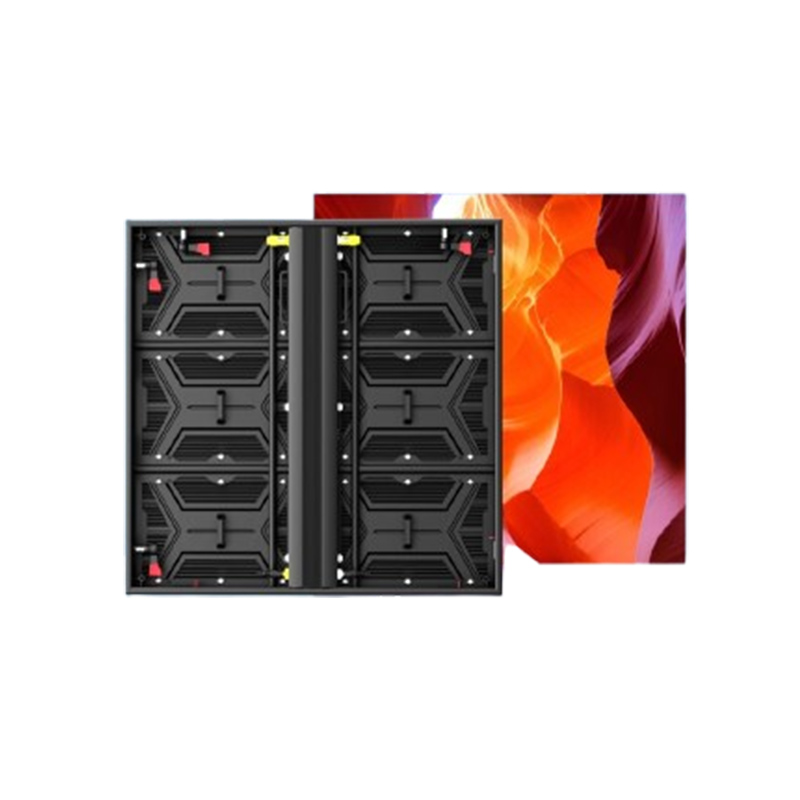
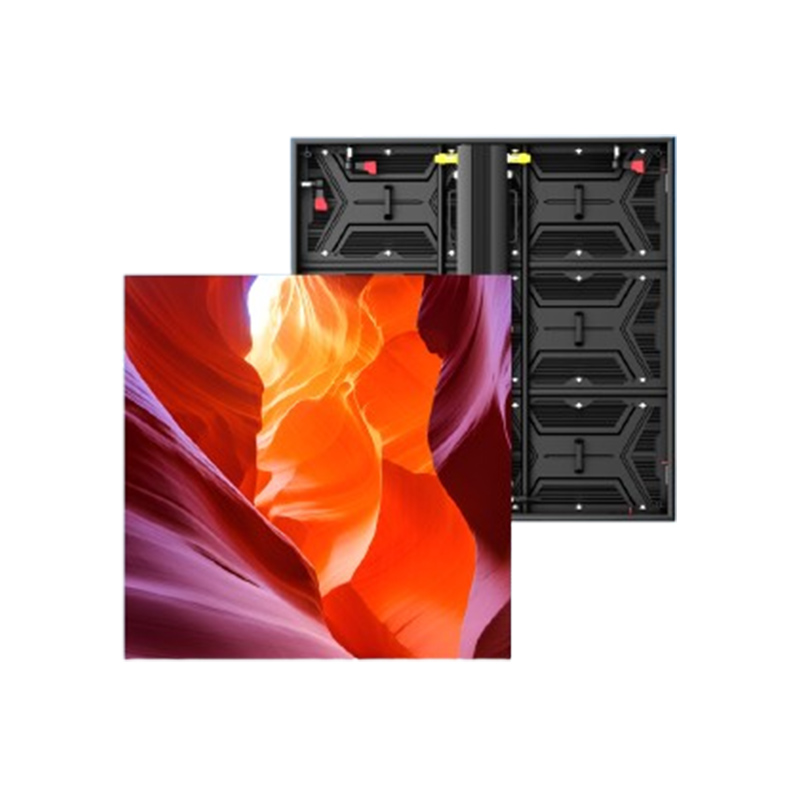
Buyers frequently pick COB when the screen rests near office desks or lobby counters. It also works well for command centers and high-end shopping aisles. The shielded front creates a neat look. It also hides the harsh borders of individual pixel squares. BLC LED’s BN Series features COB modules and handy front access. It includes a honeycomb cabinet structure. Furthermore, it delivers a steady 3840 Hz refresh rate throughout its fine-pitch lineup.
These specific traits become vital when the media shows tiny fonts or intricate item features. They also help greatly with fast motion recorded by cameras. Still, users must pick the correct pixel pitch. BN Series models span from P1.25 to P2.5. They provide 600-nit brightness and a wide 160-degree viewing angle. Additionally, they offer 14/16-bit grayscale grades depending on the exact setup.
Where SMD remains a sensible indoor choice
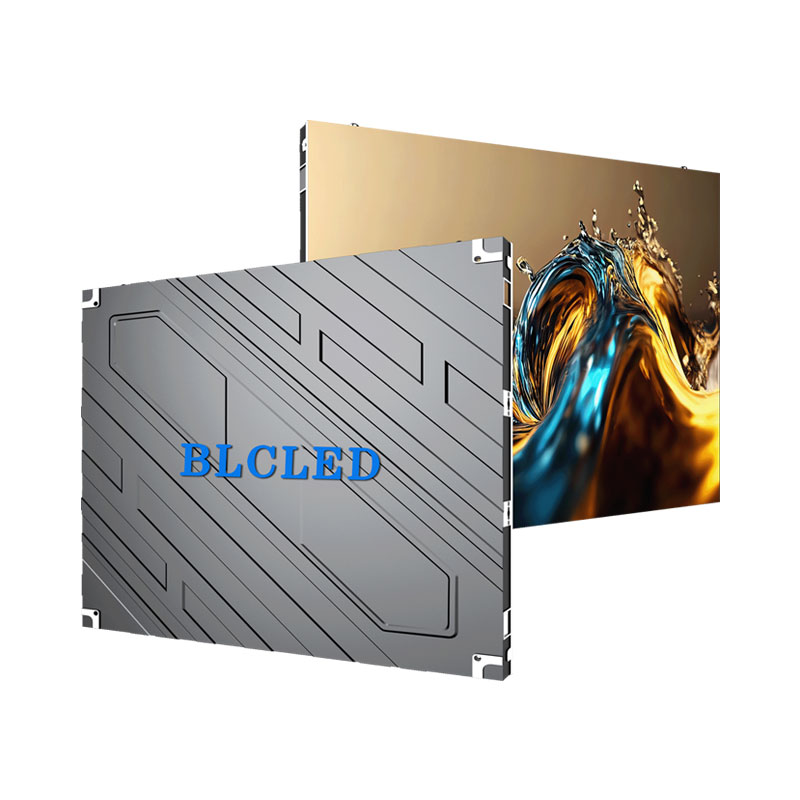
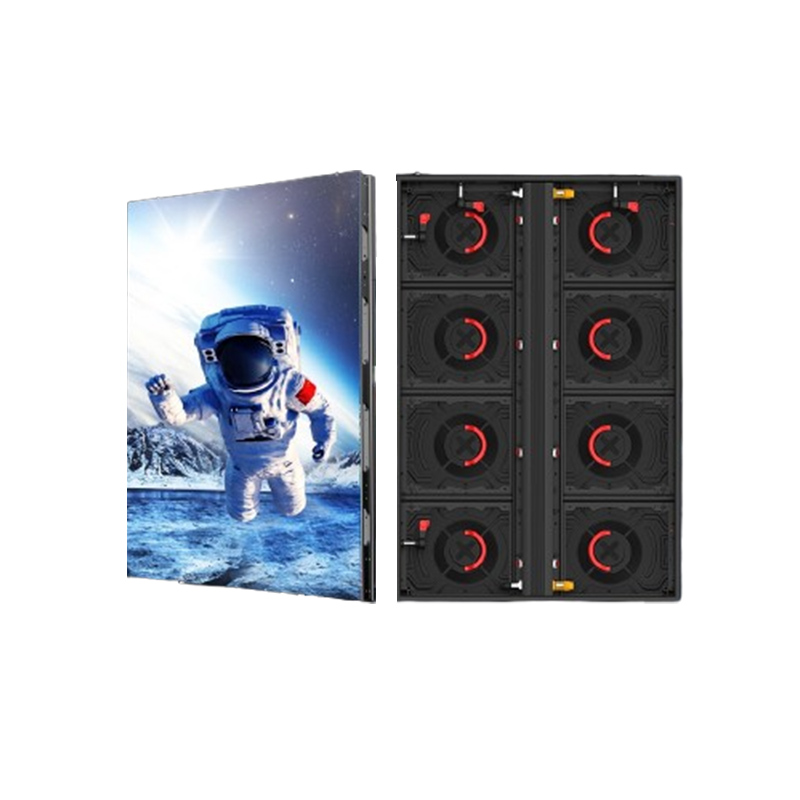
SMD stays highly valuable when a job requires wide indoor coverage. It is also ideal if crews prefer standard module handling or need a strict budget linked to viewer proximity. For instance, the sturdy Indoor BT Series utilizes 640 x 480 mm panels. It features front maintenance and a high refresh rate. It also boasts a strong die-cast aluminium cabinet. The right selection relies strictly on the screen’s main function. Buyers should ignore generic claims that one single style suits all rooms perfectly.
An indoor LED screen watched from a few meters away might benefit mostly from the right pixel pitch. Proper brightness levels and smart media design also matter more than changing the core chip packaging. Purchasing groups must think about their spare parts plan as well. They should check whether their repair staff knows the hardware. Finally, they must plan exactly how workers will clean and fix the installation.
Match the technology to the room
A brief chart helps anchor the final choice to actual daily usage.
| Decision point | COB-oriented fit | SMD-oriented fit |
| Nearby watching and tiny letters | Tight pixel pitch, shielded front, face-side entry | Tight gap SMD if the casing and spacing fit the goal |
| Physical touch hazards | Solid front layer lowers worries about bare chips | Requires gentle care and safe cleaning habits |
| Maintenance path | Face-access boards suit flat-wall spots perfectly | Front or back entry depends on the frame build |
| Media files and filming | Fast refresh rates and deep grayscale handle tough videos | Check speed, color tuning, and lens limits for each unit |
Pixel pitch and content still decide the image
Chip packaging styles cannot fix a bad viewer distance strategy. Planners must chart the closest observer and the standard walking route inside the building. They must also measure the tiniest words that need to stay clear. A P1.25 setup and a P2.5 screen cater to very different ranges. This rule holds true even if both utilize COB structures.
Testing the actual media is highly important too. Creators should try shadow detail, natural facial shades, and very thin lines. They should also test white words over bright backgrounds and a pure white test screen. A fine pitch LED display requires uniform color tuning across all frames. Meanwhile, the video crew needs a safe visual zone. This buffer keeps important logos and text far away from panel joints or repair edges.
- Rely on identical test videos for initial first-article approval, factory checks, and final site setup.
- Write down the chosen pixel pitch, brightness, refresh rate, and frame layout on the official purchase order.
- Double-check the agreed frame and board setup before starting large-scale manufacturing.
Quality checks protect a wholesale rollout
A trial screen proves helpful only if its build and repair traits mirror the final bulk order. Buyers must inspect board consistency and frame straightness. They should also review processor rules, light adjustments, and data-card setups. Checking the parts replacement process before shipping is vital. Document the passed video tests carefully. This step ensures that fitting crews and local staff share one clear quality standard.
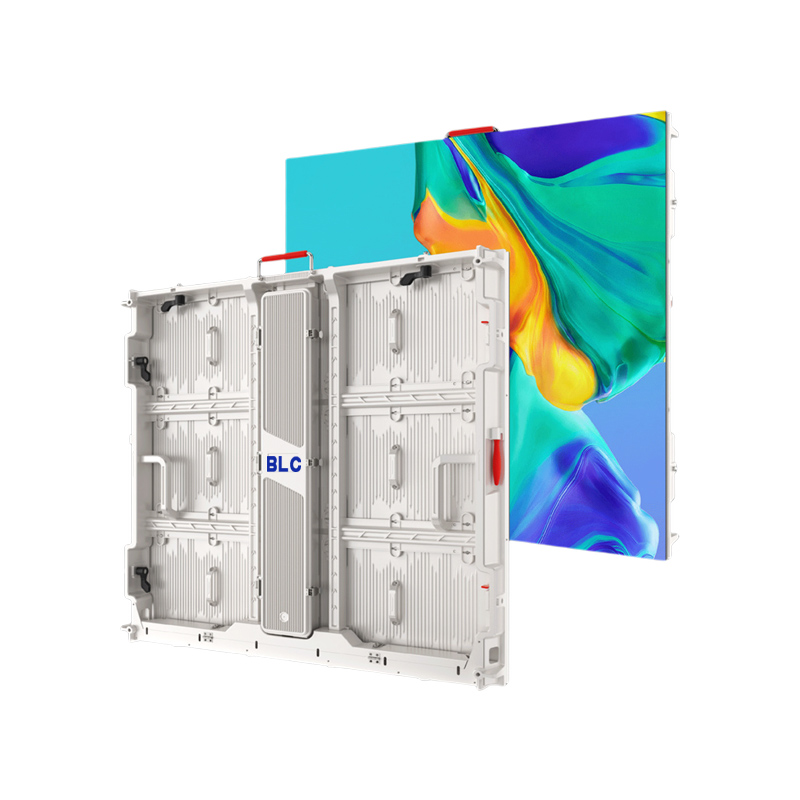
BLC LED combines product research, manufacturing, sales, and customer care. The company performs raw material checks and strict assembly oversight. It also conducts final goods testing and a solid 72-hour aging run. For any business-grade indoor video wall, these factory records should support your custom site tests. They must never completely replace your own project inspections.
The final sign-off document must clearly name the person in charge of software tweaks. It should also list who handles spare parts and final setup edits. This basic task assignment stops local staff from confusing a simple color error with a broken machine. It also aids suppliers in managing multiple project sites smoothly and reliably.
A clear choice for the advertising brief
COB stands out as a top pick for high-end, close-up screens. It shines when a location demands tough surfaces, small pixel pitch, and easy front entry. Conversely, SMD stays a very sensible route for many projects. It works well if the space, pixel pitch, daily care, and budget align with its core perks. Always weigh the planned videos, maintenance paths, and audience gaps before picking the final chip style.
Should you face any special project needs, please reach out to us. Do this before signing off on the final screen blueprint. This early chat ensures that the chosen hardware and your daily usage plan match perfectly.
FAQ
Is COB always better than SMD for indoor advertising?
Not entirely. COB fits specific tight-viewing and heavy-protection demands nicely. Meanwhile, SMD continues to perform well across varied indoor spaces and financial plans. The physical room and the planned media always dictate the superior match.
What is a fine pitch LED display?
It refers to an electronic board boasting a very tiny gap between adjacent pixels. This tight layout delivers much sharper images for audiences standing nearby. However, the exact spacing must still align perfectly with the shown videos and the room dimensions.
Does COB remove the need for calibration?
No. Color and light tuning stay strictly required. This process ensures smooth visual harmony across all connected frames. It becomes especially crucial when crews build a massive screen using parts from different factory runs.
Which maintenance route works for an indoor video wall?
Front entry suits flat-mounted setups lacking extra backroom space. Back entry stays highly useful if a secure service aisle exists behind the frame. Ultimately, the metal box design and the physical building shape dictate the best repair path.
What should a wholesale team verify before approving the wall?
Buyers must confirm the pixel pitch, brightness, and screen refresh rate. They should also check the expected audience distance and the exact metal frame sizes. Furthermore, they need to validate the repair entry points, trial videos, and backup components. Finally, they must ensure the factory builds the precise setup listed in the original price quote.

Leave a reply