

20th November 2026
What Is a Flexible LED Screen for Curved Retail Spaces?
-
 author

Retail designers and display contractors often need a screen to follow a column, a curved wall, or a branded feature without leaving dead space at the edges. A flexible LED screen answers that geometry problem, yet the right result depends on support, service access, pixel mapping, and viewing distance. This article explains where flexible construction fits, where a rigid or angled cabinet works better, and how wholesale teams can prepare a reliable project brief.
The useful role of flexibility in a retail layout
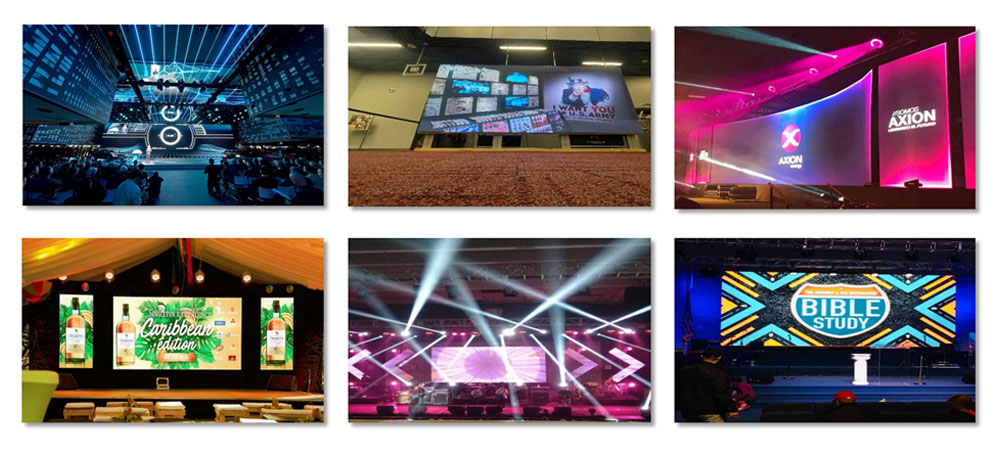
A flexible LED screen follows a continuous bend where a rectangular cabinet would create gaps or a heavy visual frame. The format suits columns, soft arcs, curved counters, and feature walls that need the image to remain close to the architecture. Flexibility helps the display occupy the intended surface, while the final shape still depends on the support behind the modules.
A flexible LED display also changes the content task. A logo, product loop, or wayfinding message needs a pixel map that respects the curve, because text crossing a tight radius may look stretched or broken from the normal viewing path. Design teams need the active area and viewing direction before they approve artwork.
Smooth curves and repeatable facets are different jobs
A smooth continuous curve usually points toward flexible modules mounted on a prepared surface. A repeatable inner or outer arc may suit an angled cabinet with defined joints. The distinction matters for wholesalers because a product that follows a gentle curve is not automatically suitable for a tight radius or a sharp corner, nor for a display that is rebuilt frequently.
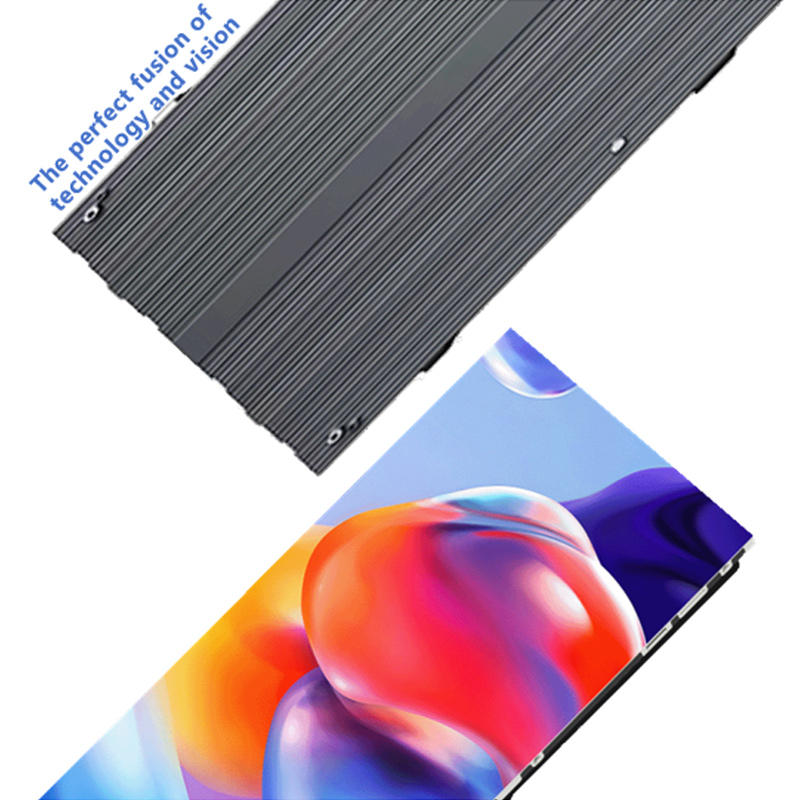
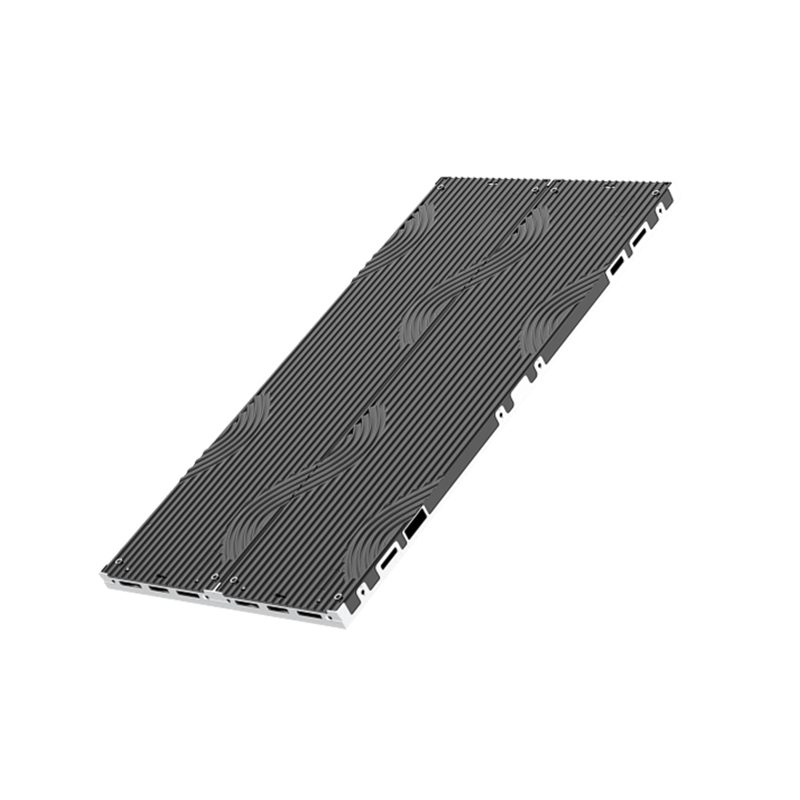
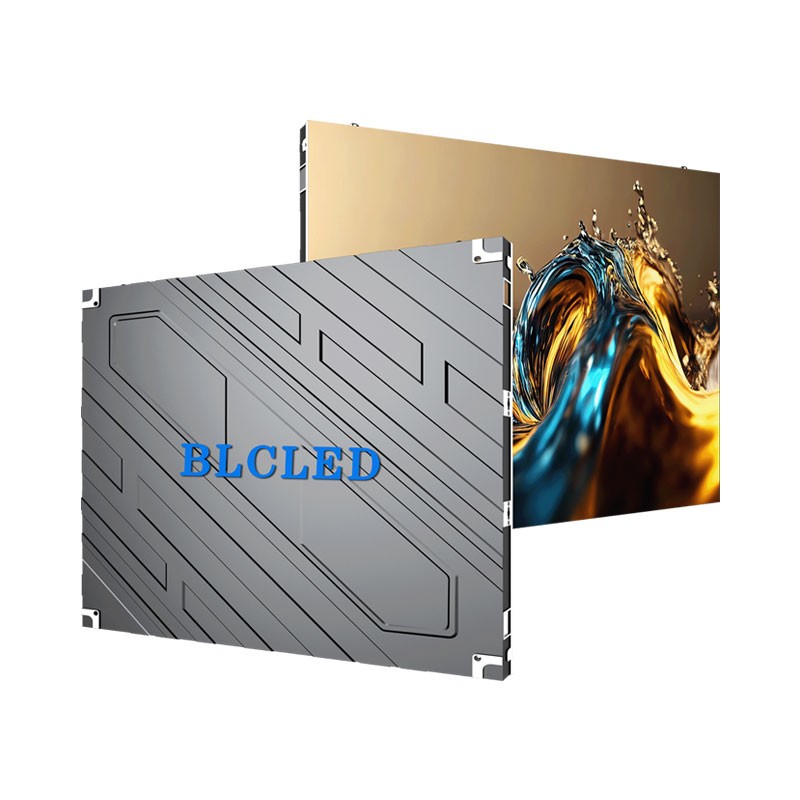
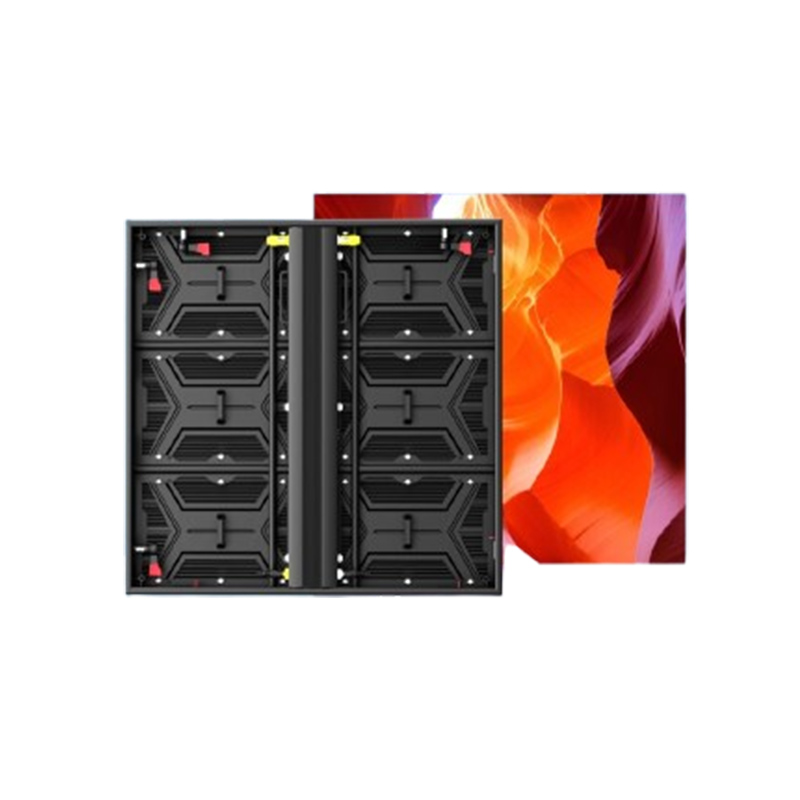
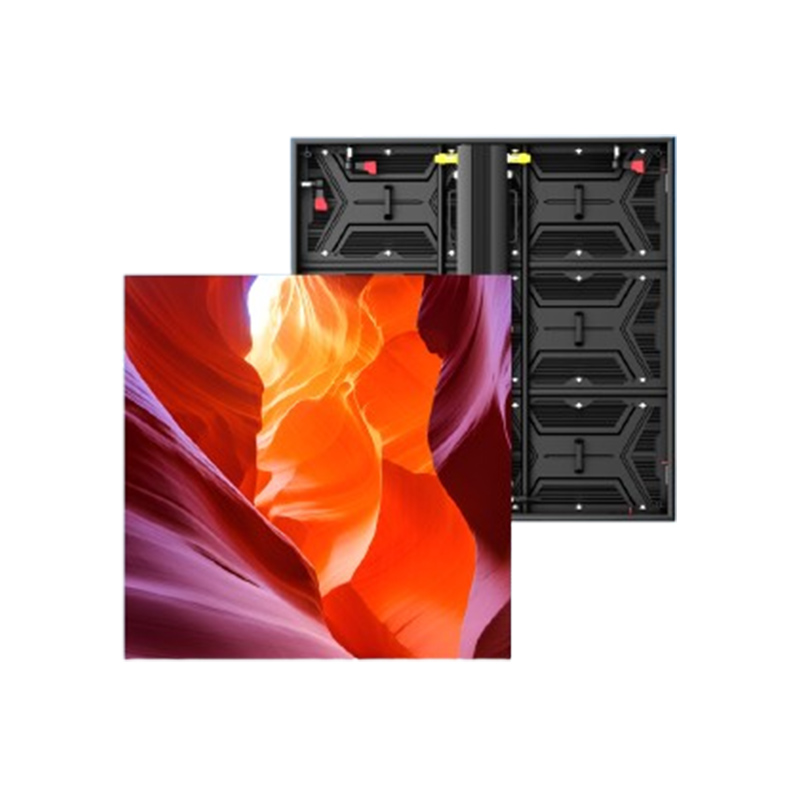
BLC LED’s curved LED display options use die-cast aluminium cabinets in 1000 × 500 mm and 500 × 500 mm formats, with front maintenance and the option of curved or 90-degree cabinet connections. Those details help a project team match the cabinet family to the planned wall, column, or lifting method without treating every curved screen as the same construction.

The brief needs more than a curve drawing
A supplier needs the geometry and the operating context together. A radius alone leaves unanswered questions about the support surface, access direction, module orientation, and content safe zones. A concise project brief should include:
- Overall width and height of the active display area.
- Radius, corner angle, column diameter, or other surface measurements.
- Nearest and typical viewing distances for text, logos, and video.
- Indoor light conditions, mounting method, and available service space.
- Playback sources, control methods, and locations for power and data entry.
Pixel pitch follows the closest important viewer
Pixel pitch needs to reflect the nearest person who must read or recognise content. The Indoor BL Series offers P1.56 through P3.91 options, giving a project team room to balance detail, screen size, and cost. A close product wall may favour a finer pitch, while a large feature viewed from farther away may gain more from scale and brightness balance.
The correct pitch also depends on how the curve is seen. A screen wrapped around a column has changing viewing angles, so a test image with small type and diagonal lines is more useful than a flat showroom photograph. Design teams should review the content at the actual radius and from the nearest viewing position.
Service access protects the shape after installation
A creative form stays useful only when technicians have a controlled way to remove a module, reach power and signal parts, and restore alignment. Front maintenance is valuable for a wall-flush or column installation where a rear corridor would take away retail space. The access route needs to be designed before the decorative finish closes around the display.
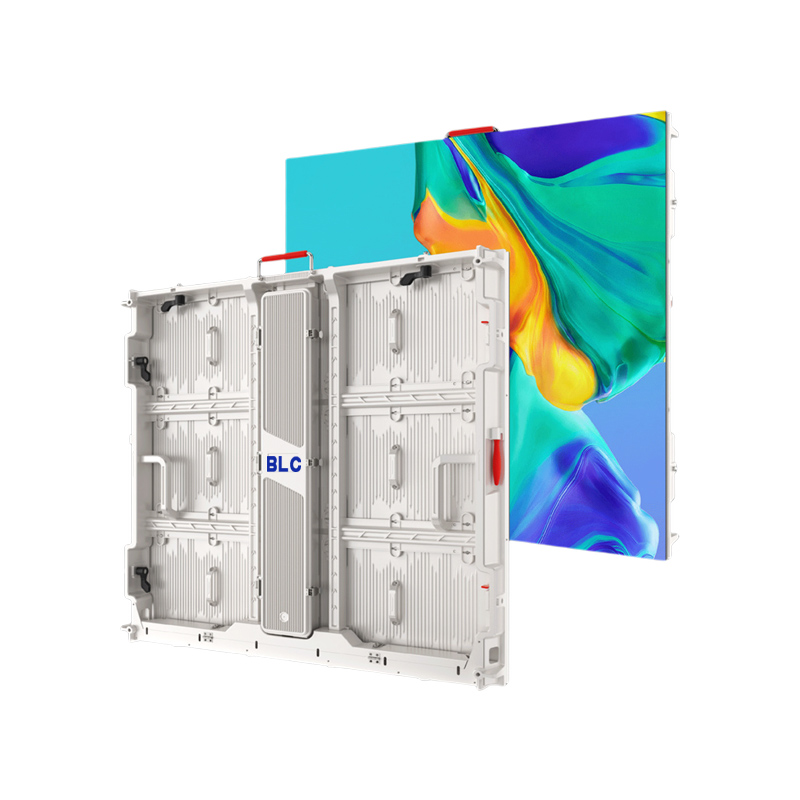
The service plan also needs labels, spare modules, and a repeatable test scene. A replacement part must return to the same orientation and brightness behaviour as its neighbours. BLC LED’s front-service Indoor BL construction and magnetic module attachment support a planned maintenance routine, while the project team still needs to confirm the exact tools and clearances for the chosen configuration.
A practical comparison for wholesale planning
The table below separates the main geometry choices so a distributor or integrator can keep a proposal specific to the site rather than promising that one format suits every curved project.
| Project condition | Flexible module approach | Angled or rigid approach |
| Continuous gentle curve | Close fit to a prepared curved surface | May require segmented joints |
| Repeatable corner or arc | Useful when the radius is within the module limit | Defined cabinet angles improve repeatability |
| Wall-flush with little rear space | Front service keeps the service route forward | Front-service rigid cabinets also fit |
| Frequent rebuilds | Needs careful protection during handling | Rental cabinets suit repeatable assembly |
The final decision is a geometry and service decision
This display format is a strong fit when the screen must follow a continuous indoor surface and the content team accepts a curved pixel map. The next step is to confirm radius, viewing distance, mounting, and service access together. When those inputs are clear, BLC LED can review a custom LED display option against the drawings and intended retail use.
If you have any requirements, please contact us before the structure is finalised so the display, content map, and maintenance route are reviewed as one project.
FAQ
What is a flexible LED screen used for?
It is used for indoor walls, columns, counters, and feature surfaces where a display needs to follow a curve or another non-flat form. The support surface and viewing path still determine feasibility.
Is this display suitable for every curve?
No. Radius, module construction, support, cable routing, and service access set the practical limit. A drawing and a test image help confirm the exact form.
When is an angled cabinet better than a flexible panel?
An angled cabinet fits repeatable facets, corners, or arcs where defined joints give the crew predictable geometry. Flexible modules suit continuous bends more naturally.
How does front maintenance help a curved retail display?
Front maintenance keeps the service route on the visible side when a rear corridor is unavailable. The team still needs approved tools, spare parts, and a realignment procedure.
Which keywords describe this display type?
Common search language includes flexible LED screen, flexible LED display, curved LED display, and flexible LED panel. The project brief matters more than a label alone.

Leave a reply