

6th August 2026
How Does LED Stage Screen Technology Change Event Experiences?
-
 author

Defining an LED Stage Screen in Simple Terms
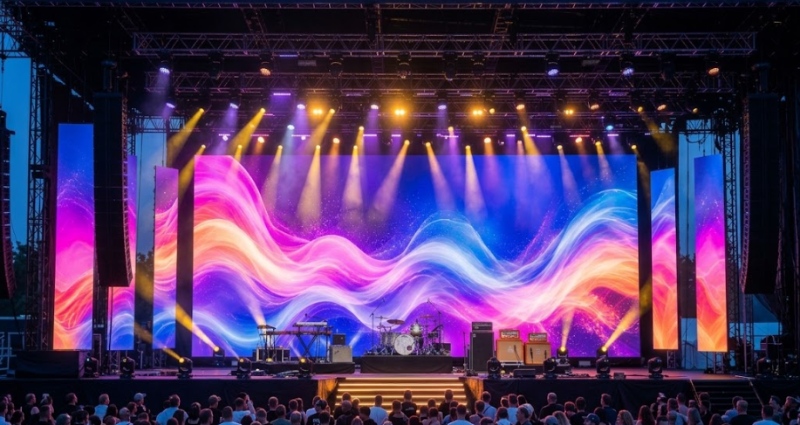
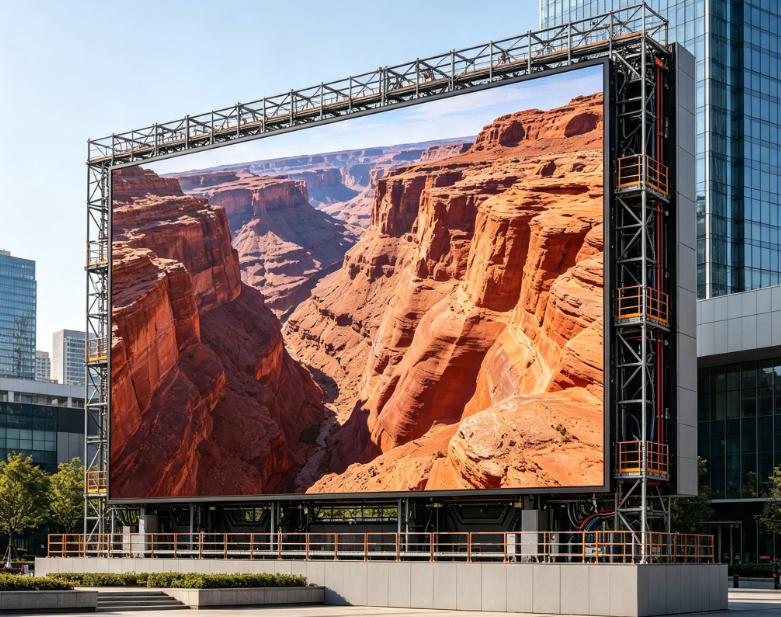
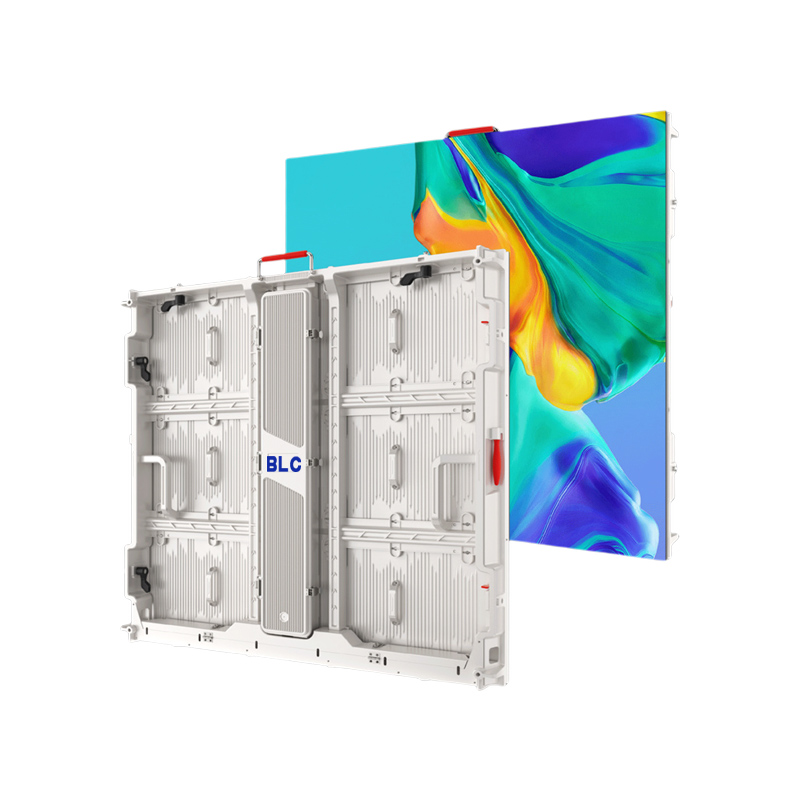
An LED stage screen is a large digital display made from connected LED modules that show videos, images, text, and live footage during events. It can work as the main stage visual, an additional display, or a full background solution. An LED backdrop screen usually refers to the display behind performers or speakers, while an LED wall stage backdrop includes the complete system with LED panels, control equipment, power supplies, and mounting structures. BLC LED provides flexible LED display solutions designed to support different stage layouts and event requirements.
How Does an LED Backdrop Screen Change the Viewing Experience?
A highly bright LED screen for stage use lets people view content easily. Attendees can see content clearly from the front row all the way to the back of the venue. Moving graphics, dynamic animated backdrops, and live camera feeds expand the perceived scale of the venue. They also make the event more engaging.
For companies and event hosts, a digital background provides great support. It shows logos, brand slogans, sponsor images, and visual stories. For most event organizers, such displays serve far more than decorative purposes. Instead, they improve communication and boost audience interaction.
Main Parts That Make an LED Wall Stage Backdrop Work
The Display Panels and Cabinet Structure
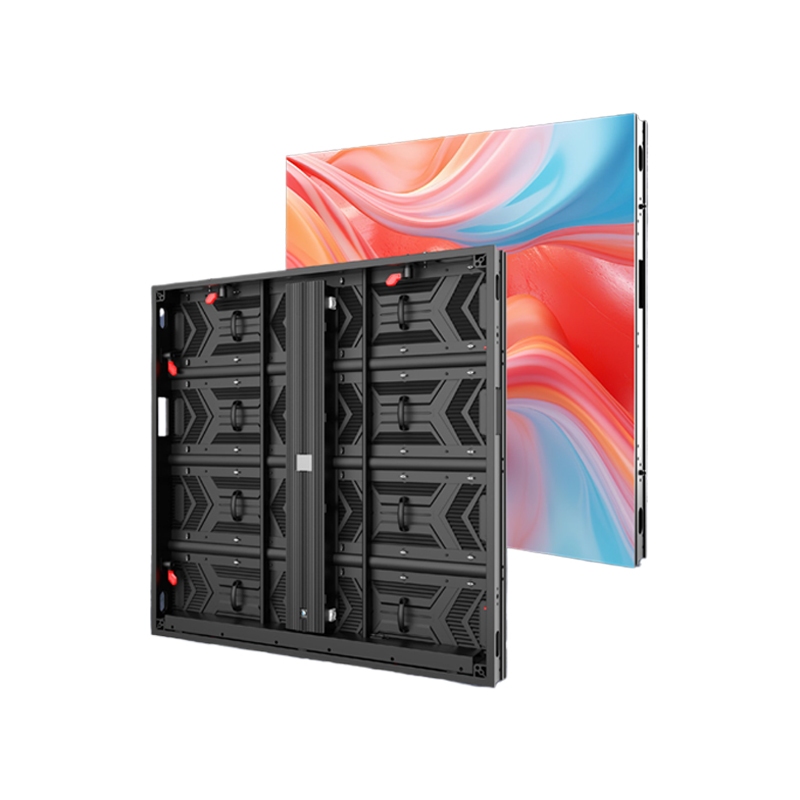
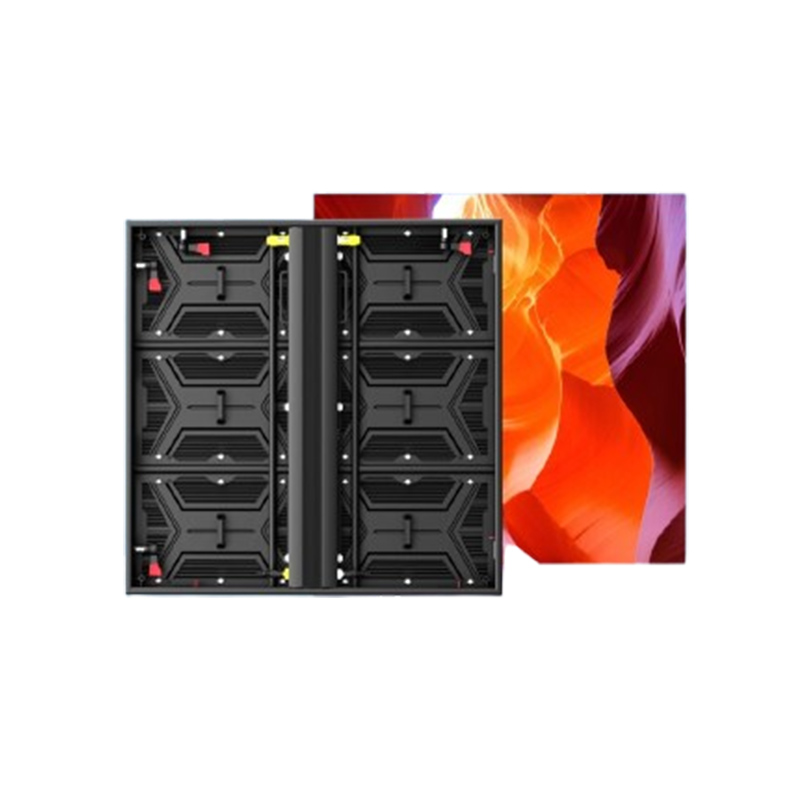
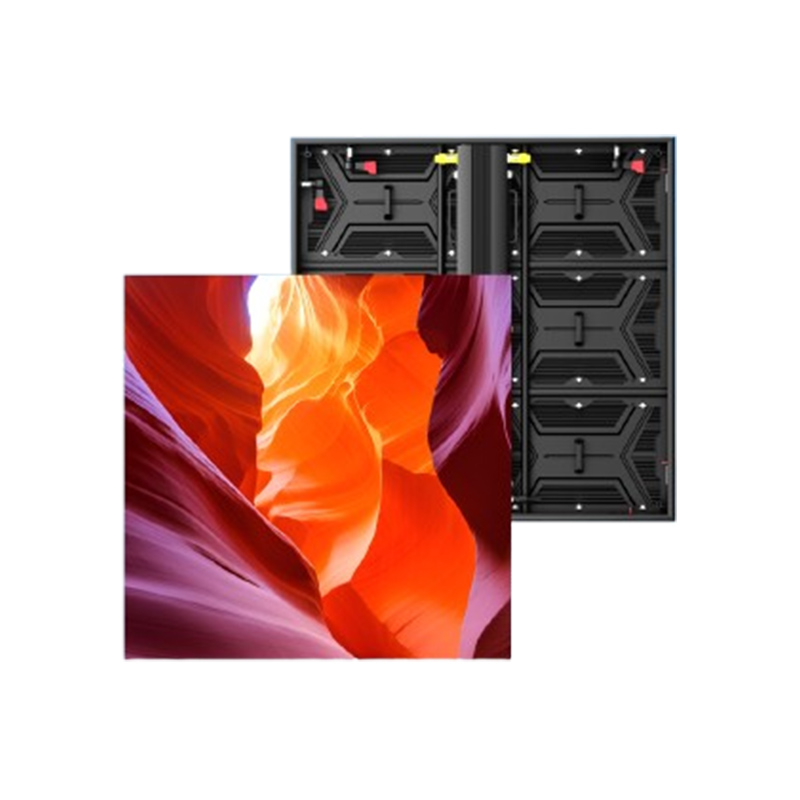
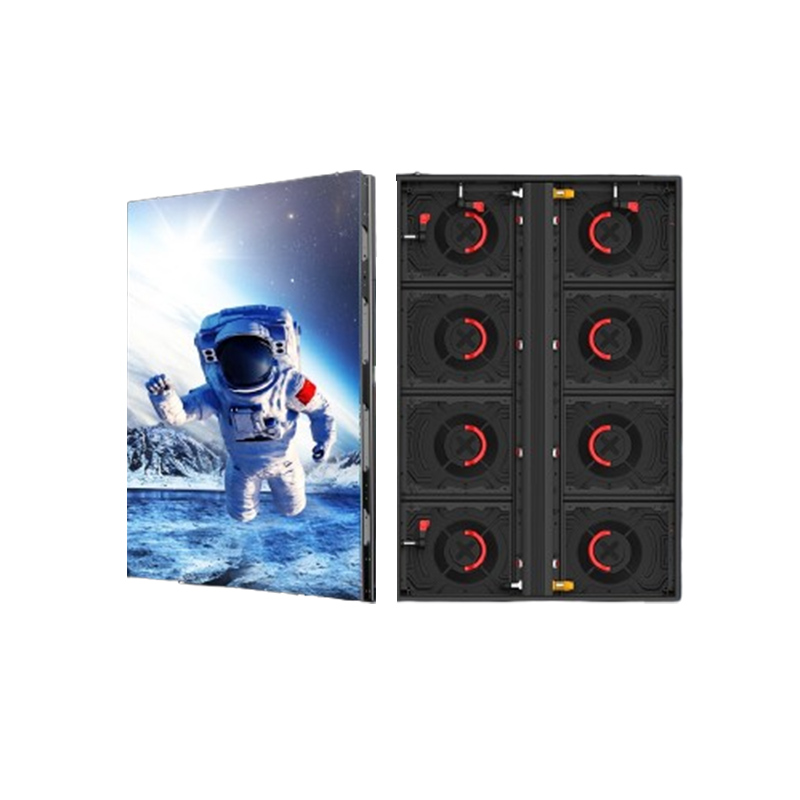
An LED wall backdrop is created from modular stage LED panels. These panels lock together securely to form a much larger display wall. This block-like design offers great freedom in both size and shape. A hall might require a wide panoramic wall. It might need a tall center display. Sometimes, segmented side columns are preferred. The setup team can join the cabinets together to meet any of these needs.
The design of the cabinet is very important. Transport, handling, and setup expenses rely heavily on the total weight and the strength of the frame.
Control Systems and Signal Processing
An LED stage screen requires a solid control chain to work well. The media content starts from a laptop, a media server, a camera, or a video switcher. Next, it moves through a video processor. It goes to a sending card and then to receiving cards. Finally, the signal arrives at each individual panel.
Power, Rigging, and Support Components
Power distribution units, signal cables, hanging bars, truss frames, ground stacks, and backup plans are highly vital. They are just as important as the picture quality. A reliable LED video wall stage setup must be structurally secure first. Only then can it look visually stunning. For massive events, safety planning involves careful load math. It includes neat cable routing. It also requires backup processors or extra power supplies.
Types of LED Stage Screens for Different Event Needs
Indoor Screens for Controlled Indoor Lighting Environments
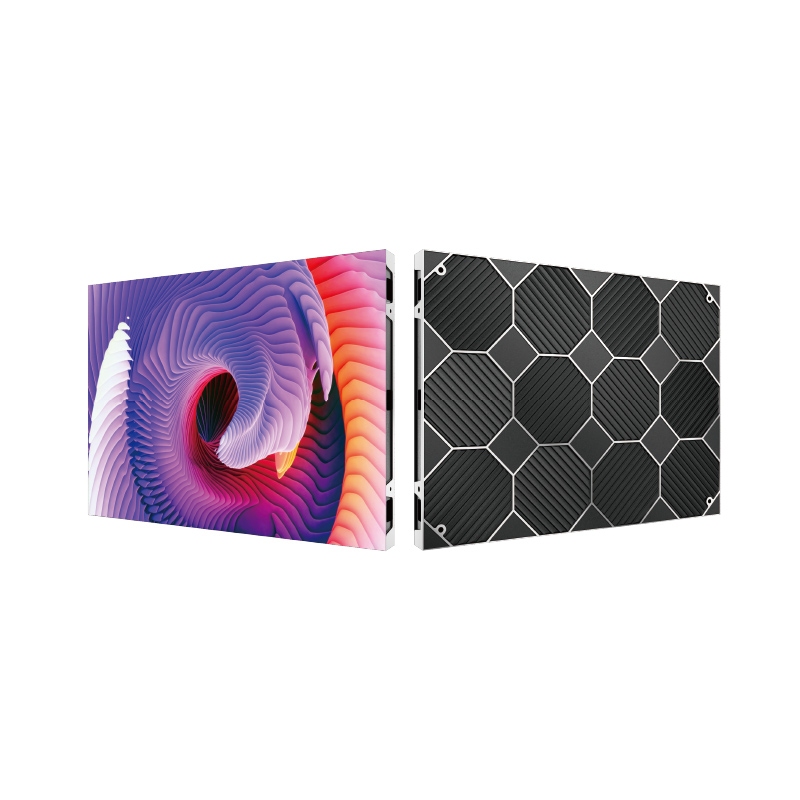
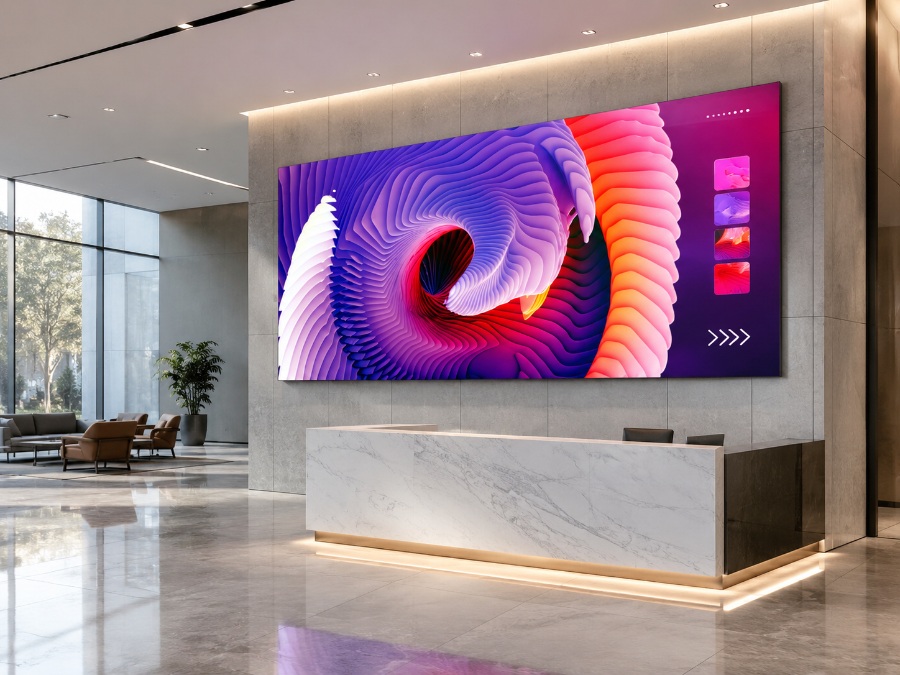
Indoor LED stage screen units are made for closer viewing distances. They show much finer details. You will often find them in hotels, meeting rooms, broadcasting studios, and worship halls. They are also popular at product launch events. In these places, audiences usually sit quite close to the display.
Outdoor Screens for Bright and Open Spaces
Outdoor displays are designed to resist bad weather. They offer much higher brightness levels. They also support longer viewing distances. You will often see them at music festivals, sports arenas, city gatherings, and huge public events. They create a highly bright picture. Because of this, people can read the message easily, even under direct sunlight.
Rental Screens and Permanent Installations
Rental setups and permanent systems meet totally different needs. A rental display display is a highly flexible, block-like LED system. Engineers build it for very fast setup. It allows easy takedown. It also supports frequent moving between different event locations. This flexibility makes an LED stage screen rental perfect for concert tours, trade exhibitions, and seasonal shows.
Choosing the Right Size and Shape for a Stage Backdrop
Screen Size Based on Venue and Audience Distance
The correct size relies on the stage width and the ceiling height. It also depends on where the audience sits and how the content is arranged. Bigger does not always mean better. A massive display showing poorly scaled content can still be very difficult to read.
Creative Shapes and Stage Design Possibilities
Curved walls, separated columns, and unique custom shapes can make an LED backdrop screen look much more exciting. You can easily adjust a single-stage rental full-color LED display setup to fit many different stage shapes. Creative designs add visual depth and brand identity. However, they must still display clear messages.
Practical Installation and Safety Points General Readers Should Know
Hanging, Stacking, and Mounting Methods
An LED stage screen can be hung safely from a metal truss. It can be stacked firmly from the ground. It can also be attached to a permanent building structure. The chosen method depends on the hall conditions, the display size, and the length of the event. Expert installation is absolutely required. It ensures public safety and guarantees steady display performance.
Venue Conditions That Affect Performance
Room lighting, available electric power, air cooling, ceiling height, and local weather can all impact the display’s performance. Outdoor locations bring extra concerns like strong wind, heavy moisture, and extreme heat. Therefore, a careful site check must happen before picking the gear.
Maintenance and Operational Checks
Right before the show begins, technical teams must check the modules carefully. They need to secure all cables. They must test the video processors. They also need to set up backup plans. Every single display goes through a strict 72-hour test before leaving the factory. That factory testing is highly valuable. However, careful onsite checks remain totally necessary.
Conclusion
The ideal LED stage screen is the one that fits the hall perfectly. It must suit the audience distance, the media type, and the event schedule. The best choice always balances picture clarity, safe mounting, flexible use, and long-term durability. For customers checking the LED screen for stage price, a smart approach is needed. It is much wiser to look at the total system performance. You should not just focus on the lowest starting cost.
FAQs
What is the difference between an LED stage screen and an LED backdrop screen?
An LED stage screen is a general word. It means any LED display used on a stage area. An LED backdrop screen usually means something more specific. It refers to the display put behind performers, speakers, or hosts to act as the main visual background.
What pixel pitch is best for an LED screen for stage?
For indoor close-range stages, P1.5 to P2.5 are recommended. P1.5 is an ultra-small pitch, mostly used in fixed installation scenarios such as control rooms and high-end conference rooms; for conventional indoor stages, the audience viewing distance is mostly over 3 meters, and the mainstream choices are P2.5, P2.97, and P3.91.
Are rental LED screens better for temporary events?
Yes, they certainly are. Rental units are built for very fast assembly. They handle repeated transport well. They are made for frequent use across many different halls. This strong build makes them highly practical for live concerts, traveling roadshows, and trade exhibitions.
How bright should concert LED screens be?
Indoor concert LED screens normally function well in the 600 to 800 nit brightness range. On the other hand, outdoor stages might require 3500 nits. Sometimes they need much more. This depends on the direct sunlight and the local stage lighting levels.
What affects LED screen for stage price the most?
The most important factors include the pixel pitch and the total display size. Brightness levels and cabinet build quality matter a lot. The chosen mounting method and the control system complexity also change the cost. Finally, whether the gear is for rental or fixed use affects the final price.

Leave a reply