

23rd July 2026
How to Choose an Indoor LED Display in 2026
-
 author

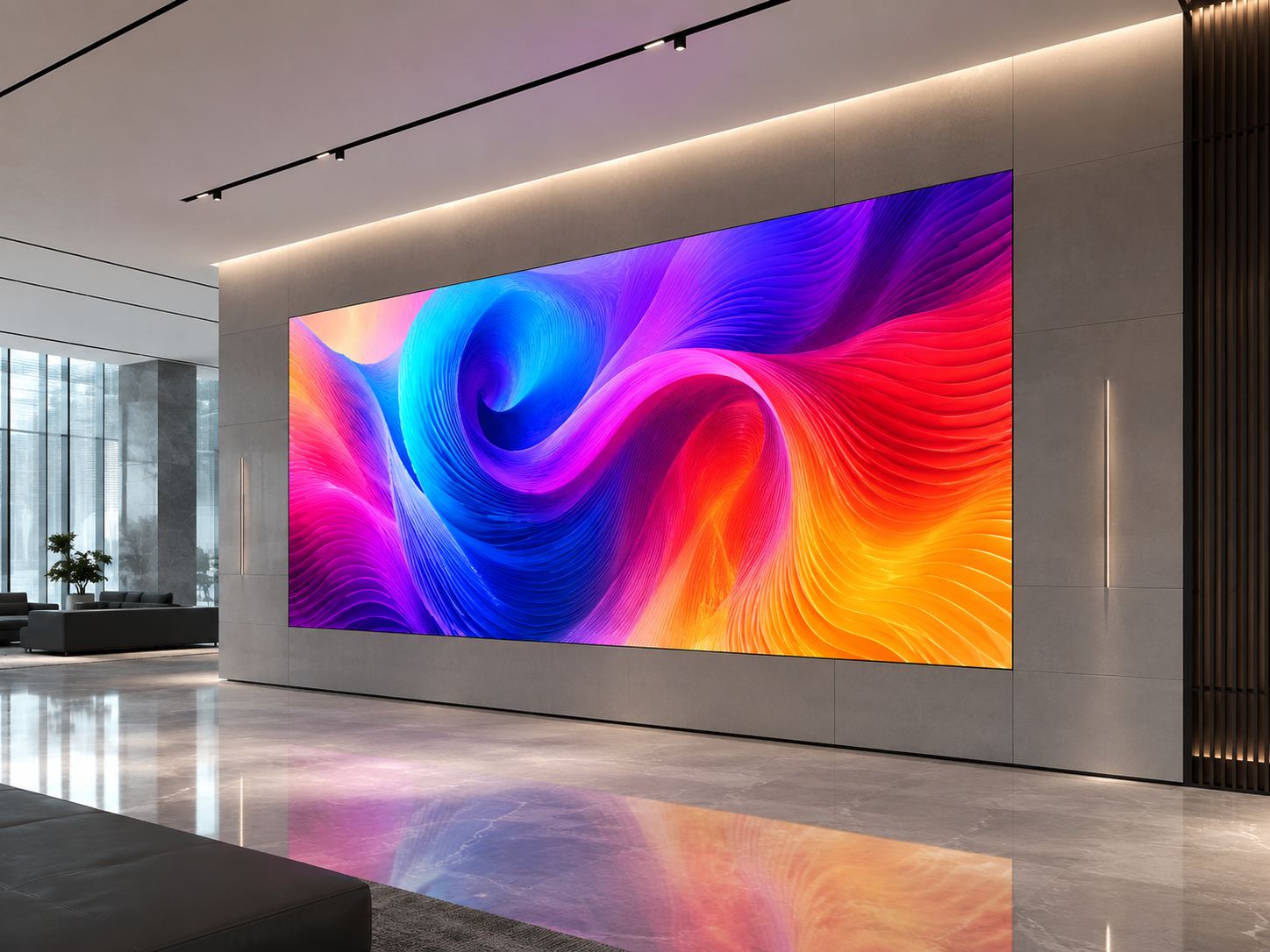
At BLC LED, we notice the indoor LED display market is shifting. It is no longer just about simple advertising. Instead, screens are becoming vital visual infrastructure for retail chains, malls, and corporate lobbies. They are also essential for control rooms, hotels, and transport hubs. Today, buyers look for more than just brightness. They check if the screen stays perfectly flat after it is set up. They also ask if the pixel pitch fits the viewing distance and if the cabinet allows for front service. Furthermore, they need to know if the LED display factory can handle delivery and provide spare parts once the project is finished.
This demand is rising in global markets like the Middle East, Africa, and Southeast Asia. It is also strong in Japan and South Korea. Modern commercial spaces need powerful digital tools. However, owners must still manage budgets and ensure quality stays stable. In 2020, we provided indoor P2.5 LED displays for a large Singapore project. That deal was worth about RMB 5 million. It proved a key point: an indoor LED display is not a simple decoration. It is a fixed visual asset that must perform every single day for customers.
What Defines a Practical Indoor LED Display
A useful indoor LED display brings together great visuals and a precise cabinet. It must be easy to fix and stay electrically safe. Pixel pitch is what makes images sharp. Brightness ensures people can see the content under bright lights. Contrast ratio helps with deep blacks and clear details. High refresh rates are vital if people film the screen or if the video moves fast. Also, viewing angles matter in big halls. People need to see the screen clearly, even if they are not standing right in the center.
Which Four Indoor LED Display Specs Fit Real Projects
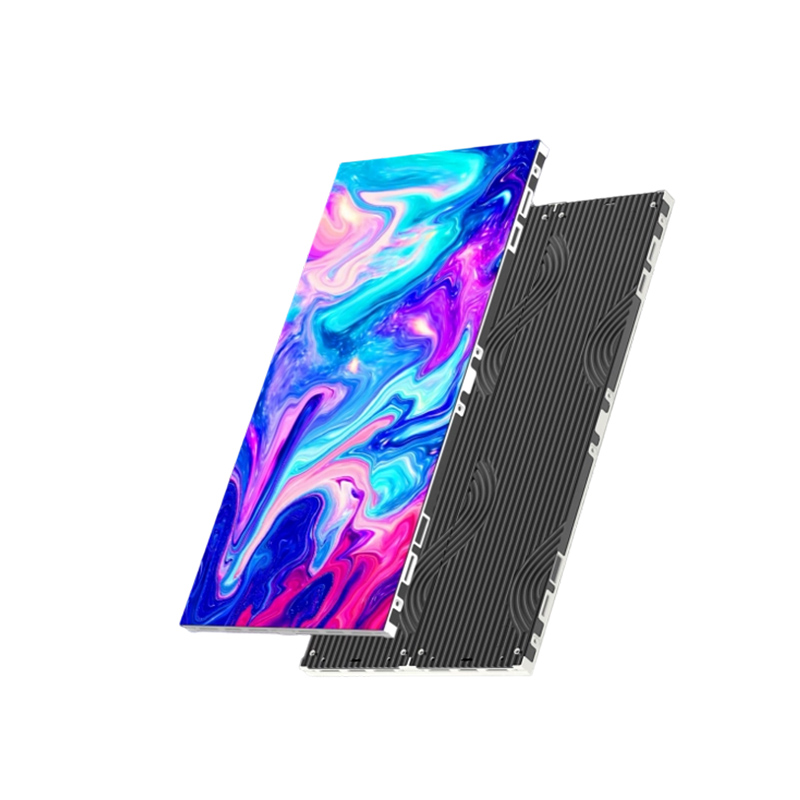
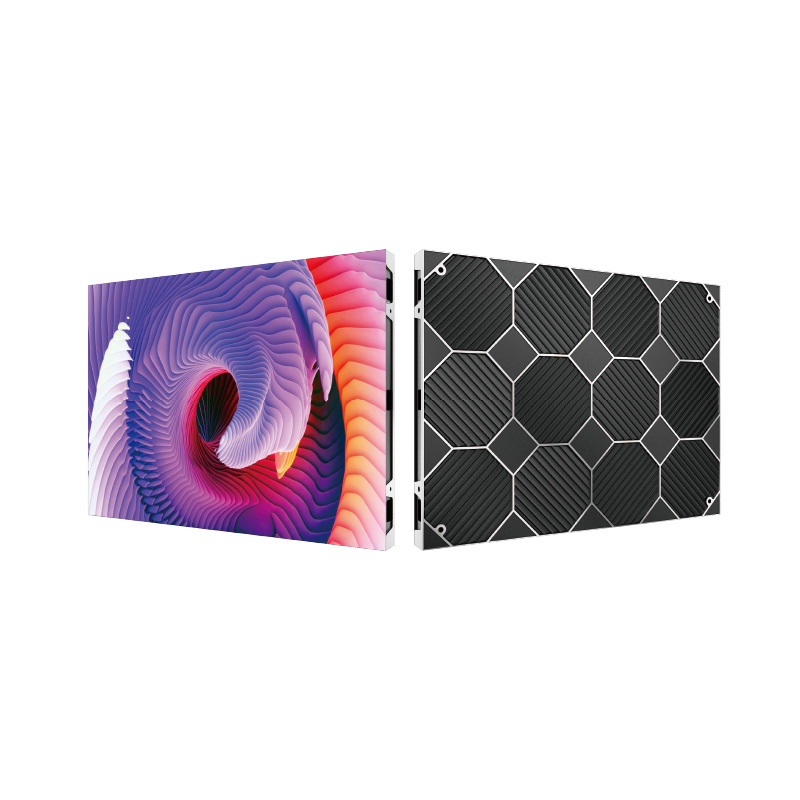
| Indoor LED Display Series | Pixel Pitch Options | Brightness | Refresh Rate | Project Suitability |
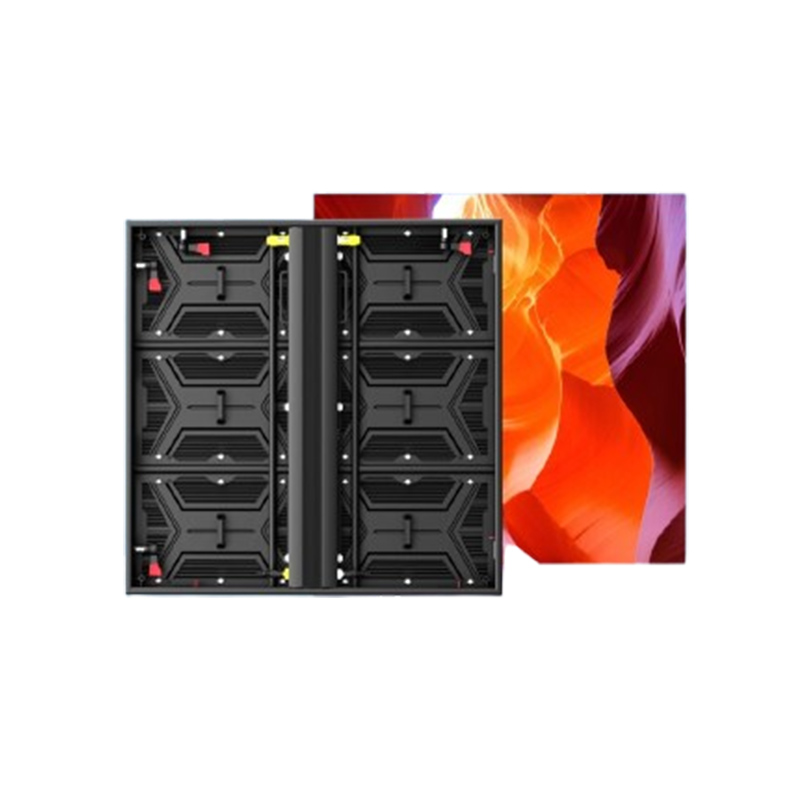
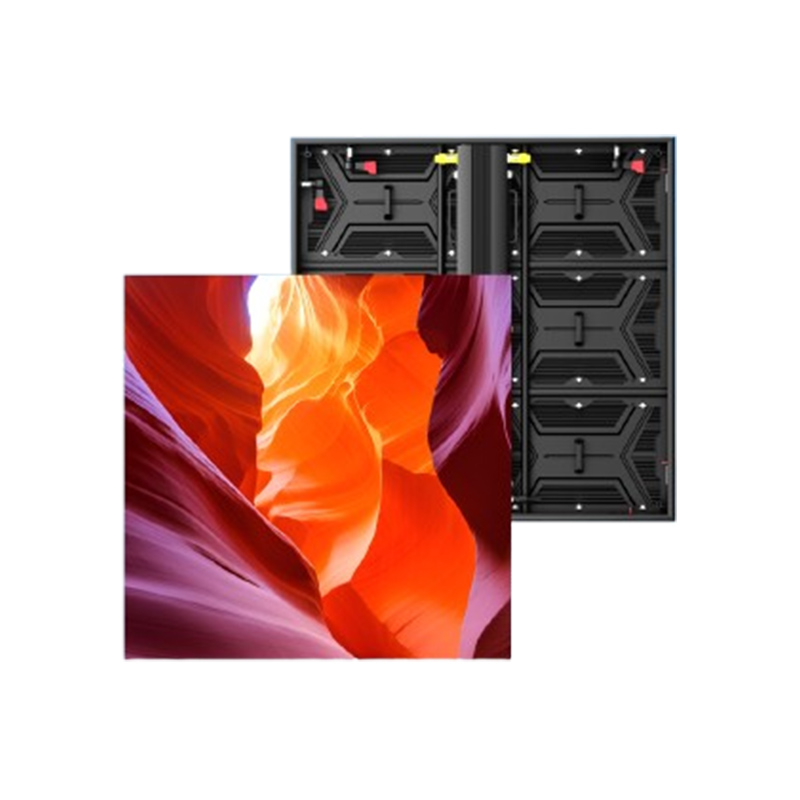
| Indoor BT Series 640×480 Rigid | P1.25 / P1.53 / P2.5 | 500–800 cd/㎡ | 3840 Hz | Standard flat fixed installation LED screen projects, such as retail walls, meeting rooms, and lobby displays |
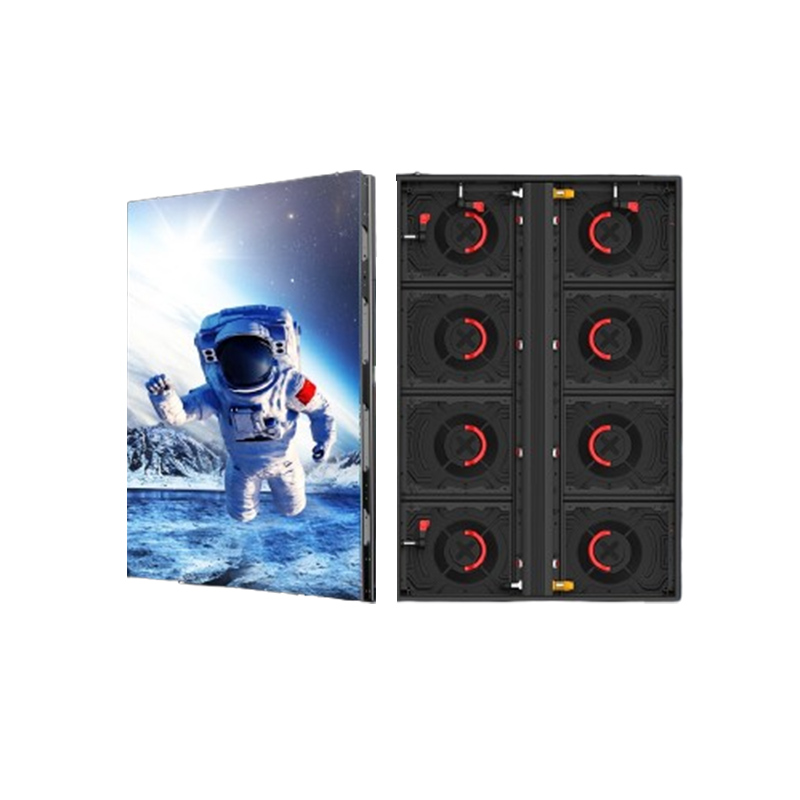
| Indoor T3-pro Series 1000×500 | P1.25 / P1.56 / P3.91 | 600–800 nits | 3840 Hz | Large indoor LED display walls that need wider cabinet combinations and clean visual integration |
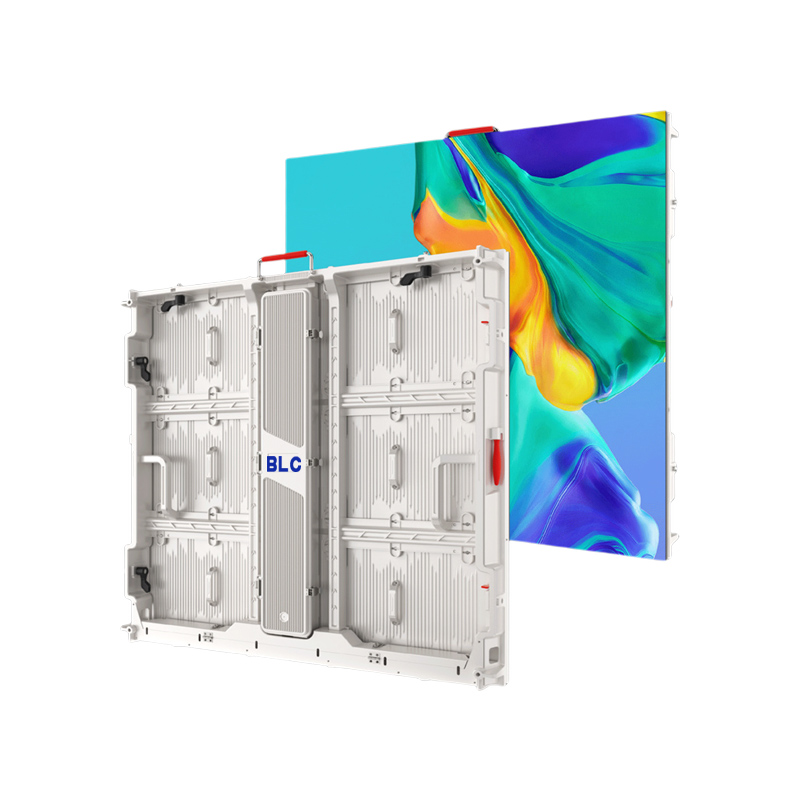
| Indoor BL Series 640×480 Flexible | P1.86 / P2 / P2.5 / P4 | 600 nits | 3840 Hz | Curved, column-shaped, and creative indoor LED display projects with limited installation space |
| Indoor BL Series 1000×500 Flexible | P1.56 / P1.953 / P2.5 / P2.604 / P2.976 | 600–800 nits | 3840 Hz | Larger curved commercial walls, brand display areas, and customized indoor fixed installations |
How Pixel Pitch Affects Price and Viewing Distance
Pixel pitch is a major factor in the cost of an indoor LED display. A smaller pitch means you get more pixels in every square meter. This makes the picture look sharp even if you are standing very close. However, it also requires more parts and more careful building. That is why smaller pitch screens cost more.
For places like boardrooms or command centers, P0.93 or P1.25 is best for clear text. If the screen is in a lobby where people stay several meters away, P1.53 might be a better deal. Do not just buy the smallest pitch. The best indoor LED display is the one that fits your specific distance and budget.
The BH Series is also excellent for tough tasks. It offers P0.93 and P1.25 options with very high contrast. It is easy to service from the front and has IP54 protection. These details help reduce service pressure during long-term use.
What an LED Display Factory Should Control
A trustworthy LED display factory does more than just put parts together. It manages every step from choosing materials to the final check. Our system can produce up to 8,000 square meters every month. We use 36 different quality checks. Every screen undergoes a 72-hour test before it leaves. We also follow global standards like ISO9001 and CE.
How to Avoid Common Buying Mistakes
Many people make mistakes during the early planning of an indoor LED display. Some buy a pitch that is too small and waste money. Others buy a pitch that is too large, so the images look blurry up close. Always check if the brightness and refresh rates are the same when you compare prices.
Another error is using a screen meant for events in a permanent spot. A fixed installation LED screen must be built for long-term use. It needs to stay flat and integrate cleanly into the room. You also need to think about the room lights. A bright lobby may require higher brightness planning than a darker boardroom. Always confirm the site details before you pick a model.
Conclusion
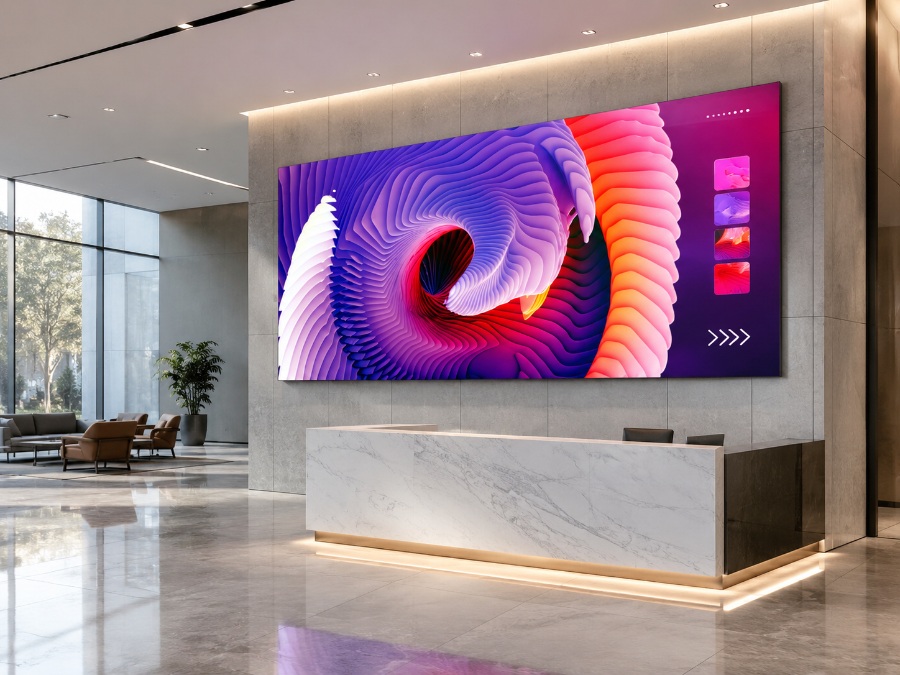
An indoor LED display is a smart investment for any business. The right choice makes your brand look better and makes communication easier. It works well in shops, offices, and control centers. However, picking the wrong screen can lead to high repair costs and poor image quality.
To make a good choice, match the product specs to your room. Pixel pitch gives you clarity, while COB builds offer strength. Front access makes repairs simple. When the LED display factory manages quality well, your fixed installation LED screen will stay stable for years. For help with your next project, BLC LED can look at your space and suggest the best solution for your budget.
FAQ
How much does an indoor LED display cost for a fixed project?
The price depends on the pixel pitch and the size of the screen. Other things like brightness and how you install it also matter. A fine-pitch P0.93 screen costs more than a P1.53 model because it has more pixels. You should always look at the full list of features, not just the price per meter.
What pixel pitch should I choose for an indoor LED display?
It depends on how close people will stand. For small rooms or desks, P0.93 or P1.25 is best. For big walls in a mall, P1.53 or P1.25 usually works well and saves money. Pick the one that makes your content look clear from the main viewing area.
Why does a fixed installation LED screen need front maintenance?
Most fixed screens are mounted flat against a wall. Front maintenance lets you pull out modules from the front. This means you do not need to leave a big gap behind the screen. it saves space and makes repairs much faster and cheaper.
How should I judge an LED display factory before buying an indoor LED display?
Look at their production power and their testing steps. A good LED display factory should offer a long warranty and have parts ready to ship. They should also be able to give you technical advice to make sure the screen fits your specific building.


Leave a reply